Summer Squash Lemon Spaghetti
Summer Squash Lemon Spaghetti has been my go to when the garden is overflowing and I want something bright, fast, and utterly comforting. I first made this on a sultry evening when friends dropped by unannounced, and the combination of tender zucchini and summer squash tossed with lemon and spaghetti felt like sunshine in a bowl. The memory of that first forkful, warm and fragrant, still makes me smile.
That night I learned how a handful of pantry staples and a few fresh summer vegetables can turn into a meal that feels intentional without being fussy. I remember standing at the stove, stirring the skillet, while the scent of toasted pine nuts and sizzling garlic filled the kitchen. It became one of those recipes I keep returning to when I want to impress without stress, or when I need something light after a long day.
Recipe Snapshot
30 mins
15 mins
15 mins
Medium
350 kcal
Italian
Gluten-Free, Vegan
Dinner
Large pot, Large saucepan, Skillet, Colander
What You’ll Enjoy About This Summer Squash Lemon Spaghetti
Fresh seasonal flavor
I love how Summer Squash Lemon Spaghetti showcases the simple sweetness of zucchini and summer squash. When vegetables are fresh, a little cooking coaxed out their natural sugars, creating a bright base that really sings with just a splash of lemon juice. I find this uplifting on a hot day, when heavy meals feel like too much.
Speed without compromise
One of the best things about this dish is how quickly it comes together. From boiling the spaghetti to sautéing the vegetables, you can have dinner on the table in under an hour. I often use this as my favorite easy weeknight dinner because it feels deliberate while saving time, which is invaluable on busy evenings.
Comforting textures
The contrast between the silky cooked spaghetti, the tender bite of the squash, and the crunchy, toasty pop of pine nuts is what keeps me coming back. I enjoy how the breadcrumbs and parmesan cheese add a lightly crisp, savory note that lifts the whole plate.
Flexible and forgiving
I often tweak this recipe depending on what I have on hand, and it still works. Whether I double the lemon juice for brightness or add a few extra breadcrumbs for texture, the foundation stays reliable. That forgiving nature makes it a recipe I recommend to friends who are learning to cook.
Bright but satisfying
This dish feels light, yet satisfying because of the pasta and the nutty richness from the pine nuts and parmesan cheese. It’s the kind of recipe that pleases a crowd without requiring much fuss, so I often bring it to casual get togethers or serve it when guests stay late and we want something simple and memorable.
Summer Squash Lemon Spaghetti Shopping List
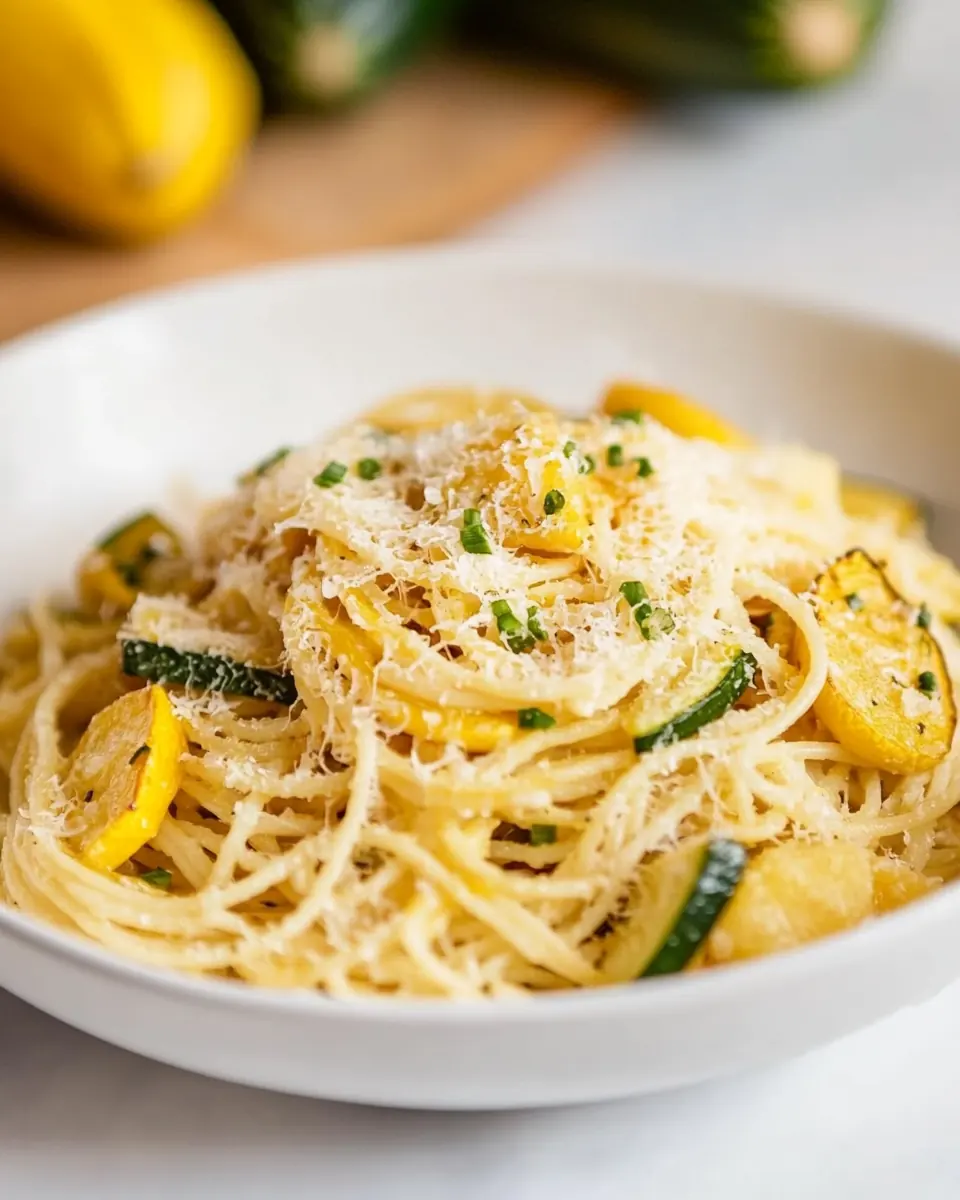
These ingredients are chosen to keep the recipe bright and balanced. The core players are the spaghetti for comfort, the mixed summer squashes for fresh vegetal flavor, and the lemon juice to lift everything. The parmesan cheese and breadcrumbs provide savory depth and texture, while the pine nuts add a toasty crunch when used. Together they form a harmony of taste and mouthfeel.
- 1 (16-ounce) package spaghetti noodles: Cooked to al dente and used as the base of the dish, provides structure and soaks up flavors from the sauce and oils. Tossed hot with the other components, it carries the lemon, cheese, and squash throughout the meal. Choose a good-quality durum wheat pasta for optimal texture and mouthfeel.
- 1/2 cup olive oil: Used as the primary cooking fat to sauté squash and coat the pasta, contributing richness and a silky mouthfeel. Provides a subtle fruity backbone that balances the bright lemon and savory cheese. Use extra-virgin olive oil for best flavor and aroma.
- 1/2 teaspoon minced garlic: Finely chopped and lightly sautéed to release aromatic sulfur compounds that deepen the overall savory profile. Adds a delicate pungency without overwhelming the bright citrus and tender squash. Use freshly minced garlic for the most vibrant flavor.
- 5 cups assorted zucchini and summer squash: Sliced or cubed and sautéed until tender to add bulk, texture, and a fresh vegetal sweetness to the pasta. Offers seasonal color and moisture that pairs well with lemon and Parmesan, contributing subtle earthiness. Use a mix of zucchini and yellow summer squash for varied texture.
- 1/3 cup pine nuts (optional): Toasted and optionally sprinkled over the finished dish for a crunchy, nutty counterpoint to the soft pasta and squash. Adds depth of flavor and a pleasant textural contrast that complements the Parmesan. Can be omitted if avoiding nuts or to keep the dish simpler.
- 2/3 cup grated parmesan cheese: Freshly grated and stirred into the pasta to provide umami, creaminess, and a savory finish that binds the components together. Balances the acidity of the lemon and elevates the overall flavor profile with salty complexity. Use freshly grated Parmesan rather than pre-grated for best melting and taste.
- 2/3 cup plain breadcrumbs: Crisped in a skillet and used as a crunchy topping or mixed in to add texture and absorb flavors from the oil and lemon. Provides toasty notes and a contrast to the tender pasta and squash, helping to create layered mouthfeels. Use plain breadcrumbs toasted in olive oil for best results.
- 2 3 tablespoons lemon juice, freshly squeezed: Squeezed and added to brighten and lift the dish with high, fresh acidity that balances the richness of oil and cheese. Adjusted to taste, it highlights the natural sweetness of the squash and refreshes the palate between bites. Use freshly squeezed lemon juice for the cleanest citrus flavor.
- salt and pepper, to taste: Seasoned to taste to enhance and balance all flavors, ensuring the dish is neither flat nor overly salty. Added incrementally and tasted as components are combined to achieve the ideal savory profile. Use freshly ground black pepper and sea salt for best control.
Directions for Summer Squash Lemon Spaghetti
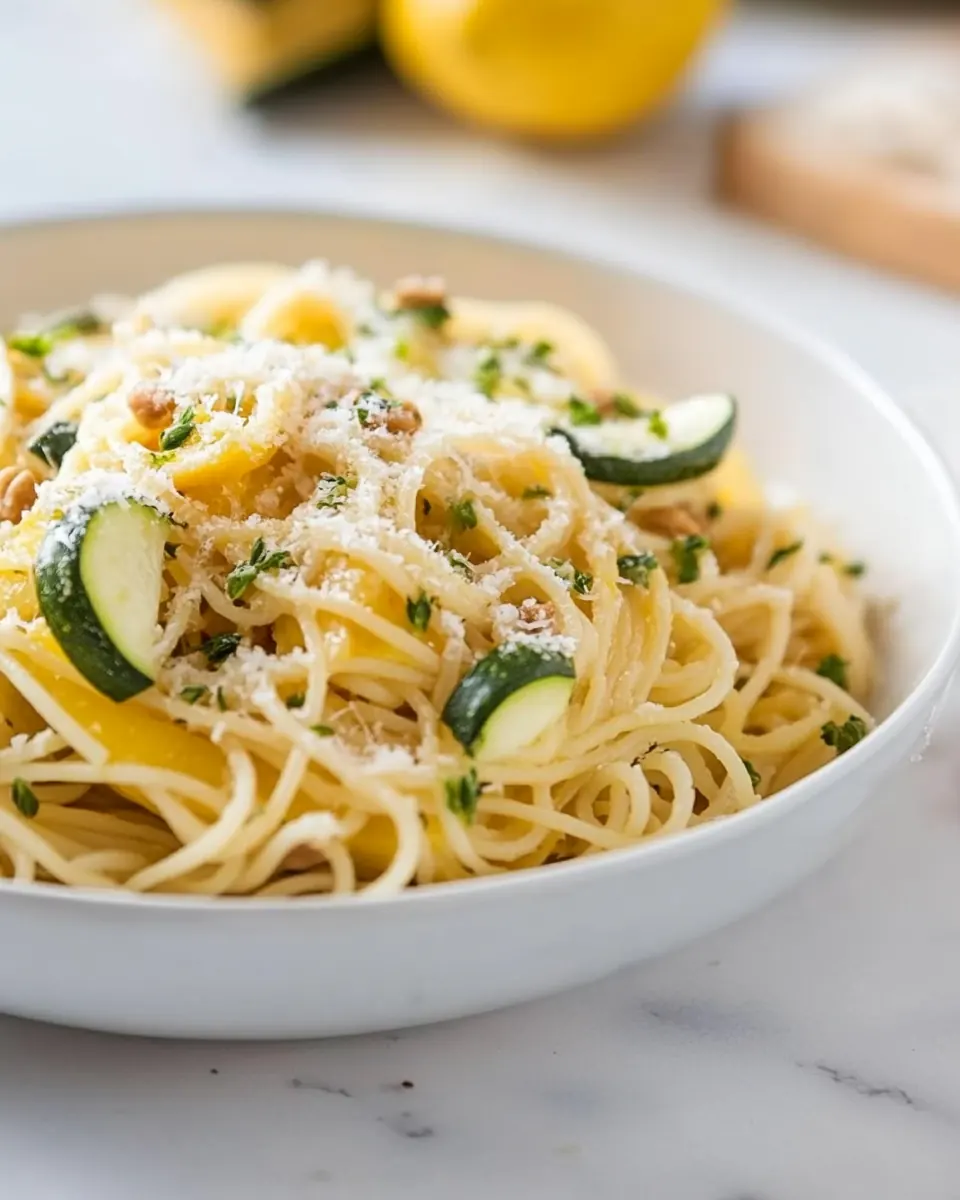
These directions will walk you through the flow I follow, from boiling the spaghetti to finishing with a bright hit of lemon juice. Take your time with the sensory cues; they will tell you when each component is at its peak. Keep tasting and adjust seasoning so the final plate sings.
- Prepare 1 (16-ounce) package spaghetti noodles according to the package directions. Drain when the noodles are done cooking and return the noodles to the pot.: As the water reaches a rolling boil, you will smell the faint wheaty steam that means the pot is ready. Cooking the spaghetti to al dente takes attention, watch the texture by tasting a strand so it still has a slight bite and is not floppy. Drain promptly to avoid residual heat continuing to soften the pasta. Leaving pasta water clinging to the noodles can help bind the sauce later, but too much water will make the dish soupy; drain until just a thin sheen remains. A common mistake is overcooking the pasta, which removes the satisfying tooth and makes the whole dish mushy, so set a timer and taste early.
- Cut the squash and zucchini into half-moon shapes and measure 5 cups assorted zucchini and summer squash.: The cutting step changes the eating experience, producing uniform pieces that cook evenly. As you slice, notice the pale green flesh and the moist, slightly sweet scent that tells you the squash is fresh. Half moons create more surface area for flavor absorption and help them soften quickly in the pan. Uneven sizes cause some pieces to be undercooked while others fall apart, so aim for consistency. If your cuts are uneven, the visual contrast will be off and textures will not match across the dish.
- Place 1/3 cup pine nuts, into the pan without any oil over medium heat. Lightly toast by stirring until lightly brown. They will burn easily so watch carefully. Remove them from the pan and set aside.: Toasting the pine nuts releases their nutty aroma and oils, creating a toasty note that elevates the whole plate. You will hear a delicate crackle and see a pale gold color emerge, and the smell shifts from neutral to pleasantly warm. Because they burn in an instant, stir continuously and remove them as soon as they are golden. If you miss the window and they blacken, discard them; burnt nuts taste sharply bitter and will spoil the flavor.
- Next, combine the olive oil and garlic in a large saucepan over medium-low heat. Stir until fragrant.: As the olive oil heats, the minced garlic will release a soft, savory perfume that signals it is time to add the squash. Keep the flame moderate so the garlic becomes translucent and aromatic rather than browned. If the garlic starts to darken, it will taste acrid, so lower the heat or remove the pan from the burner briefly. The reason for gentle heat here is to infuse the oil without creating harsh flavors, which gives the finished dish a rounded base.
- Add the chopped squash and zucchini to the olive oil mixture. Stir and cook until they are tender.: Add the prepared zucchini and summer squash and listen for a light sizzle, then stir so each piece is coated in the garlicky oil. As they cook, their scent sweetens and the edges may take on a pale golden color. Tenderness is your cue, when a fork pierces the flesh with little resistance. Overcrowding the pan causes steaming rather than sautéing, leaving them limp instead of caramelized, so work in batches if needed.
- Add in 2/3 cup grated parmesan cheese and 2/3 cup plain breadcrumbs. Season to taste with salt and pepper. Stir until well combined.: When you stir in the parmesan cheese and breadcrumbs , the mixture will thicken slightly and become savory with a light, crispy texture. The cheese melts into the warm vegetables, adding umami and a slightly creamy mouthfeel, while the breadcrumbs absorb excess oil and create pleasant crunch pockets. Taste and season with salt and pepper gradually, because the parmesan cheese already brings saltiness. A common error is adding too much salt early; always adjust at the end.
- Add the zucchini and squash mixture to the drained spaghetti. Add in 2-3 tablespoons lemon juice, and more salt and pepper to taste if needed. Add the toasted pine nuts if using and stir to combine.: At this final stage, the warm pasta will gently wilt the vegetable mix as the citrus brightens everything. When you pour the mixture over the spaghetti , you should hear a soft shuffle and see the strands glisten with olive oil . The lemon juice should be added incrementally, tasting as you go so the acidity balances the richness. Sprinkle the toasted pine nuts for crunch, and give a final stir until everything is evenly coated. If the plate tastes flat, a tiny pinch of salt can lift the flavors immediately; avoid overdoing it, as that cannot be undone.
Making Adjustments
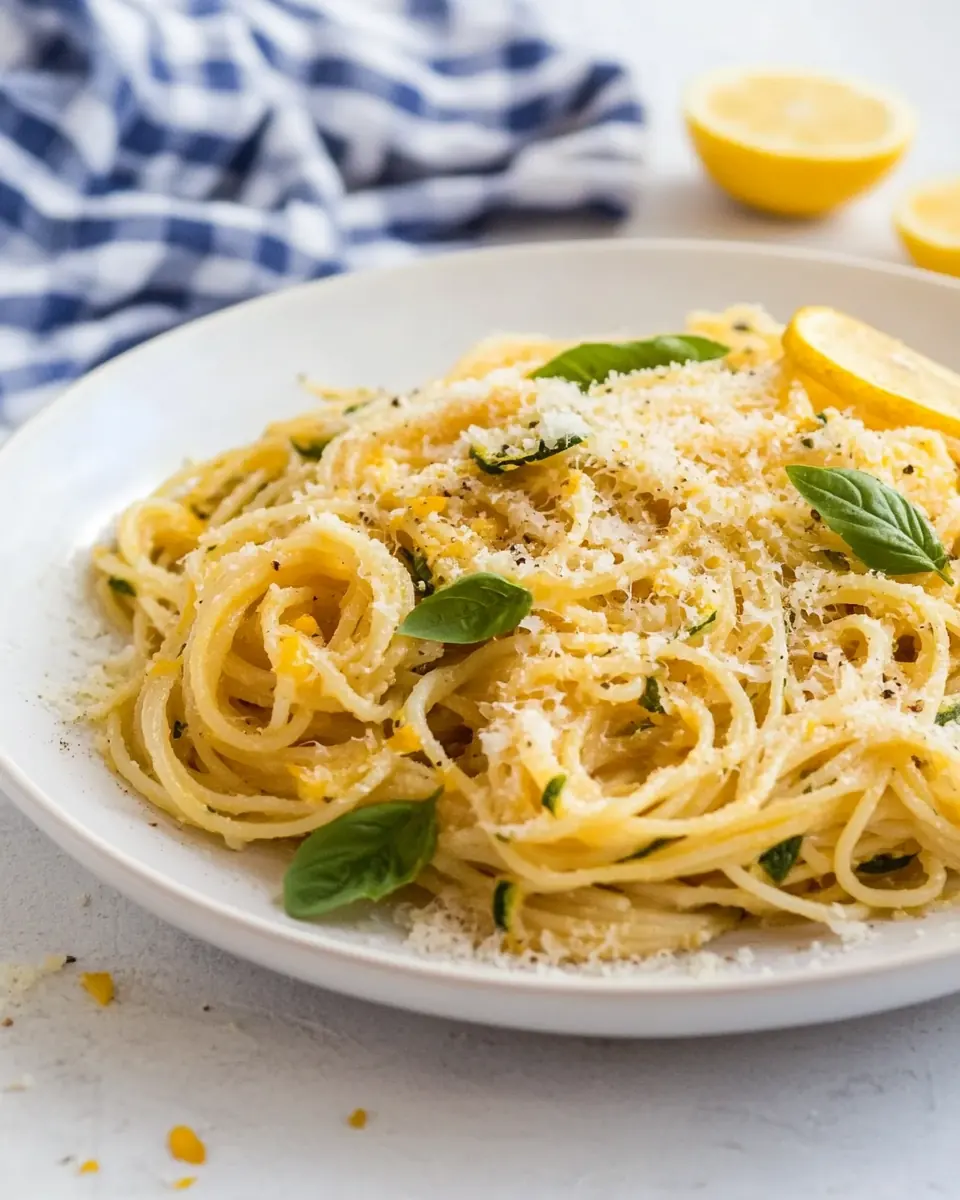
This section helps you adapt Summer Squash Lemon Spaghetti to different occasions, textures, and pantry availability. Below are focused, actionable tips you can apply right away to change mouthfeel, intensity, or timing without losing the recipe’s character.
- Adjust lemon brightness: If you prefer a brighter finish, increase the lemon juice by up to a tablespoon at a time, tasting as you go to prevent overpowering the delicate squash flavors.
- Boost crunch: For more texture, lightly toast the breadcrumbs in a dry pan until golden before adding, which brings a toasty aroma that plays well with the pine nuts.
- Oil control: If the dish feels too oily, stir in a tablespoon of warm pasta water, which helps emulsify the sauce and reduce slickness while keeping flavor.
- Cheese variation: When you want a creamier mouthfeel, add the parmesan cheese gradually and stir until melted, ensuring it disperses evenly without clumping.
- Make it ahead: Keep the components separate if making ahead, refrigerate the cooked squash and pasta, and combine gently over low heat before serving, finishing with fresh lemon juice.
- Serving temperature: Serve warm to let the parmesan cheese and breadcrumbs meld with the hot pasta; this keeps the texture balanced and flavors harmonized.
Serving Suggestions
Summer Squash Lemon Spaghetti works well for casual family dinners or light weekend lunches. Its bright flavors pair with simple accompaniments and it fits seasonal menus, making it versatile for many occasions. Below are presentation ideas, pairings, and storage notes to get the most from this recipe.
- Serve warm, plate the pasta in shallow bowls so the heat and aromas are concentrated, and finish with an extra drizzle of olive oil and a tiny squeeze of lemon juice for freshness.
- Casual lunch, this dish is perfect for a relaxed midday meal with crusty bread on the side and a simple green salad to keep things light.
- Weeknight dinner, serve as a standalone main, especially when you want a quick easy weeknight dinner that still feels thoughtful and satisfying.
- Meal prep, store the pasta and vegetable mixture separately in airtight containers for up to two days; rewarm gently and add fresh lemon juice before serving to revive the flavors.
- Seasonal pairing, highlight other summer produce alongside it, such as tomatoes or fresh herbs, for a full seasonal spread.
- Occasions, great for summer gatherings, potlucks, or a light dinner after a hot day when heavier meals feel overwhelming.
- Storage tip, refrigerate leftovers in a shallow container to cool quickly and consume within two days for best texture and safety.
- Reheat, warm gently in a skillet with a splash of water or olive oil to avoid drying out the pasta and restore silkiness.
- Presentation, sprinkle a few reserved toasted pine nuts on top at the last minute to keep their crunch and aroma vibrant.
- Portioning, this recipe scales well, so double components if serving a crowd, but maintain the same ratios to preserve balance.
FAQ
Conclusion
Summer Squash Lemon Spaghetti stands out for its bright, seasonal flavors and satisfying textures, marrying tender summer squash with zesty lemon and toasty elements. Give it a try the next time you have fresh zucchini or want a light but comforting pasta that comes together quickly. I hope it becomes one of those recipes you rely on when you want something simple, flavorful, and effortlessly memorable.
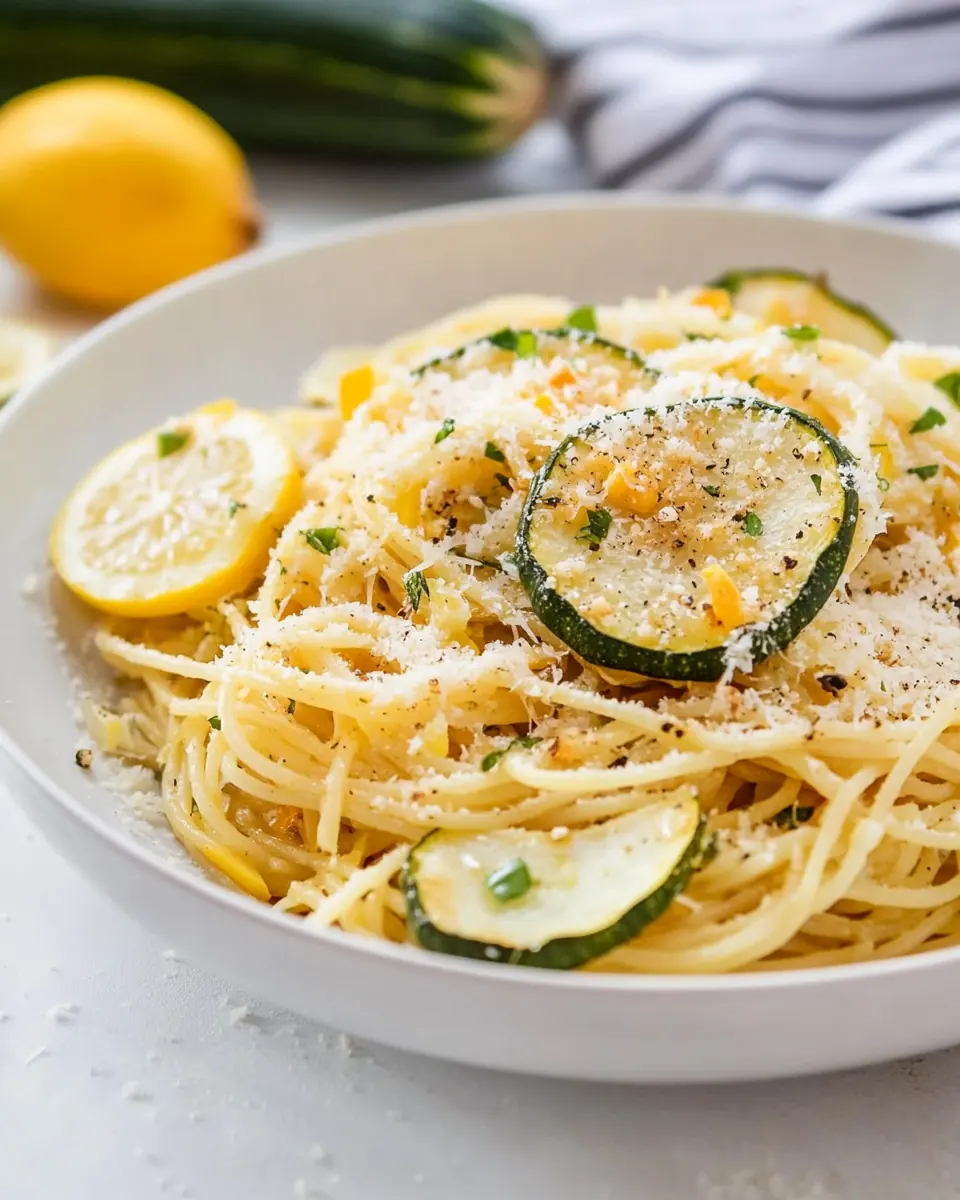
Summer Squash Lemon Spaghetti
Ingredients
Equipment
Method
- Prepare 1 (16-ounce) package spaghetti noodles according to the package directions. Drain when the noodles are done cooking and return the noodles to the pot.: As the water reaches a rolling boil, you will smell the faint wheaty steam that means the pot is ready. Cooking the spaghetti to al dente takes attention, watch the texture by tasting a strand so it still has a slight bite and is not floppy. Drain promptly to avoid residual heat continuing to soften the pasta. Leaving pasta water clinging to the noodles can help bind the sauce later, but too much water will make the dish soupy; drain until just a thin sheen remains. A common mistake is overcooking the pasta, which removes the satisfying tooth and makes the whole dish mushy, so set a timer and taste early.
- Cut the squash and zucchini into half-moon shapes and measure 5 cups assorted zucchini and summer squash.: The cutting step changes the eating experience, producing uniform pieces that cook evenly. As you slice, notice the pale green flesh and the moist, slightly sweet scent that tells you the squash is fresh. Half moons create more surface area for flavor absorption and help them soften quickly in the pan. Uneven sizes cause some pieces to be undercooked while others fall apart, so aim for consistency. If your cuts are uneven, the visual contrast will be off and textures will not match across the dish.
- Place 1/3 cup pine nuts, into the pan without any oil over medium heat. Lightly toast by stirring until lightly brown. They will burn easily so watch carefully. Remove them from the pan and set aside.: Toasting the pine nuts releases their nutty aroma and oils, creating a toasty note that elevates the whole plate. You will hear a delicate crackle and see a pale gold color emerge, and the smell shifts from neutral to pleasantly warm. Because they burn in an instant, stir continuously and remove them as soon as they are golden. If you miss the window and they blacken, discard them; burnt nuts taste sharply bitter and will spoil the flavor.
- Next, combine the olive oil and garlic in a large saucepan over medium-low heat. Stir until fragrant.: As the olive oil heats, the minced garlic will release a soft, savory perfume that signals it is time to add the squash. Keep the flame moderate so the garlic becomes translucent and aromatic rather than browned. If the garlic starts to darken, it will taste acrid, so lower the heat or remove the pan from the burner briefly. The reason for gentle heat here is to infuse the oil without creating harsh flavors, which gives the finished dish a rounded base.
- Add the chopped squash and zucchini to the olive oil mixture. Stir and cook until they are tender.: Add the prepared zucchini and summer squash and listen for a light sizzle, then stir so each piece is coated in the garlicky oil. As they cook, their scent sweetens and the edges may take on a pale golden color. Tenderness is your cue, when a fork pierces the flesh with little resistance. Overcrowding the pan causes steaming rather than sautéing, leaving them limp instead of caramelized, so work in batches if needed.
- Add in 2/3 cup grated parmesan cheese and 2/3 cup plain breadcrumbs. Season to taste with salt and pepper. Stir until well combined.: When you stir in the parmesan cheese and breadcrumbs , the mixture will thicken slightly and become savory with a light, crispy texture. The cheese melts into the warm vegetables, adding umami and a slightly creamy mouthfeel, while the breadcrumbs absorb excess oil and create pleasant crunch pockets. Taste and season with salt and pepper gradually, because the parmesan cheese already brings saltiness. A common error is adding too much salt early; always adjust at the end.
- Add the zucchini and squash mixture to the drained spaghetti. Add in 2-3 tablespoons lemon juice, and more salt and pepper to taste if needed. Add the toasted pine nuts if using and stir to combine.: At this final stage, the warm pasta will gently wilt the vegetable mix as the citrus brightens everything. When you pour the mixture over the spaghetti , you should hear a soft shuffle and see the strands glisten with olive oil . The lemon juice should be added incrementally, tasting as you go so the acidity balances the richness. Sprinkle the toasted pine nuts for crunch, and give a final stir until everything is evenly coated. If the plate tastes flat, a tiny pinch of salt can lift the flavors immediately; avoid overdoing it, as that cannot be undone.
Notes
- Adjust lemon brightness: If you prefer a brighter finish, increase the lemon juice by up to a tablespoon at a time, tasting as you go to prevent overpowering the delicate squash flavors.
- Boost crunch: For more texture, lightly toast the breadcrumbs in a dry pan until golden before adding, which brings a toasty aroma that plays well with the pine nuts.
- Oil control: If the dish feels too oily, stir in a tablespoon of warm pasta water, which helps emulsify the sauce and reduce slickness while keeping flavor.
- Cheese variation: When you want a creamier mouthfeel, add the parmesan cheese gradually and stir until melted, ensuring it disperses evenly without clumping.
- Make it ahead: Keep the components separate if making ahead, refrigerate the cooked squash and pasta, and combine gently over low heat before serving, finishing with fresh lemon juice.
- Serving temperature: Serve warm to let the parmesan cheese and breadcrumbs meld with the hot pasta; this keeps the texture balanced and flavors harmonized.