Strawberry Banana Bread
Strawberry Banana Bread has been one of those recipes that arrives in my kitchen like a warm, familiar note from childhood, yet keeps surprising me with small upgrades each time I bake it.
One rainy afternoon I found a lonely overripe banana and a pint of bruised strawberries begging for rescue. I wanted something cozy, not fussy, that would fill the house with a sweet, fruity aroma without sending me to the grocery store. I grabbed my favorite pancake mix, a few pantry staples, and set a simple loaf in the oven. While it baked, the smell of caramelizing sugar and fruit made the whole house feel like a hug.
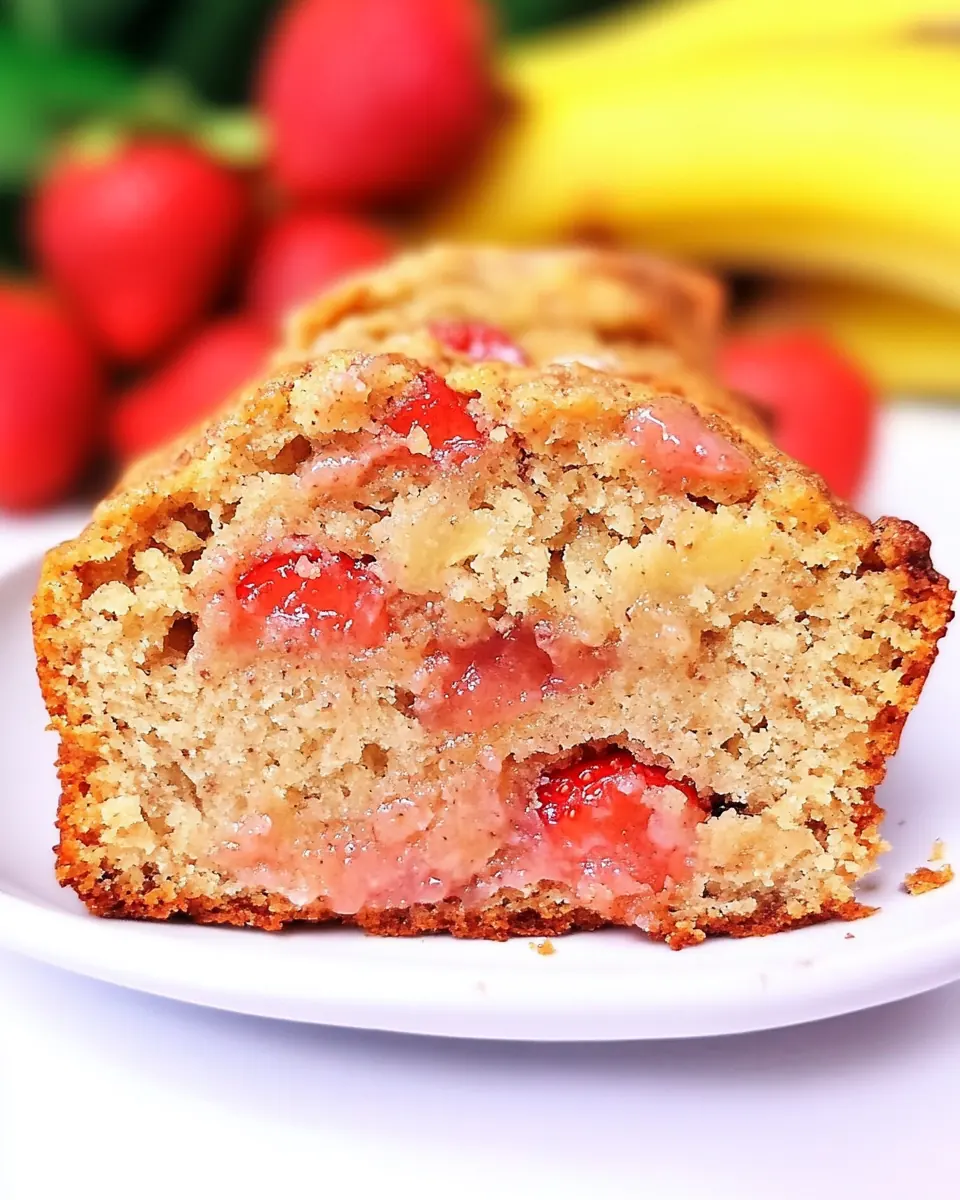
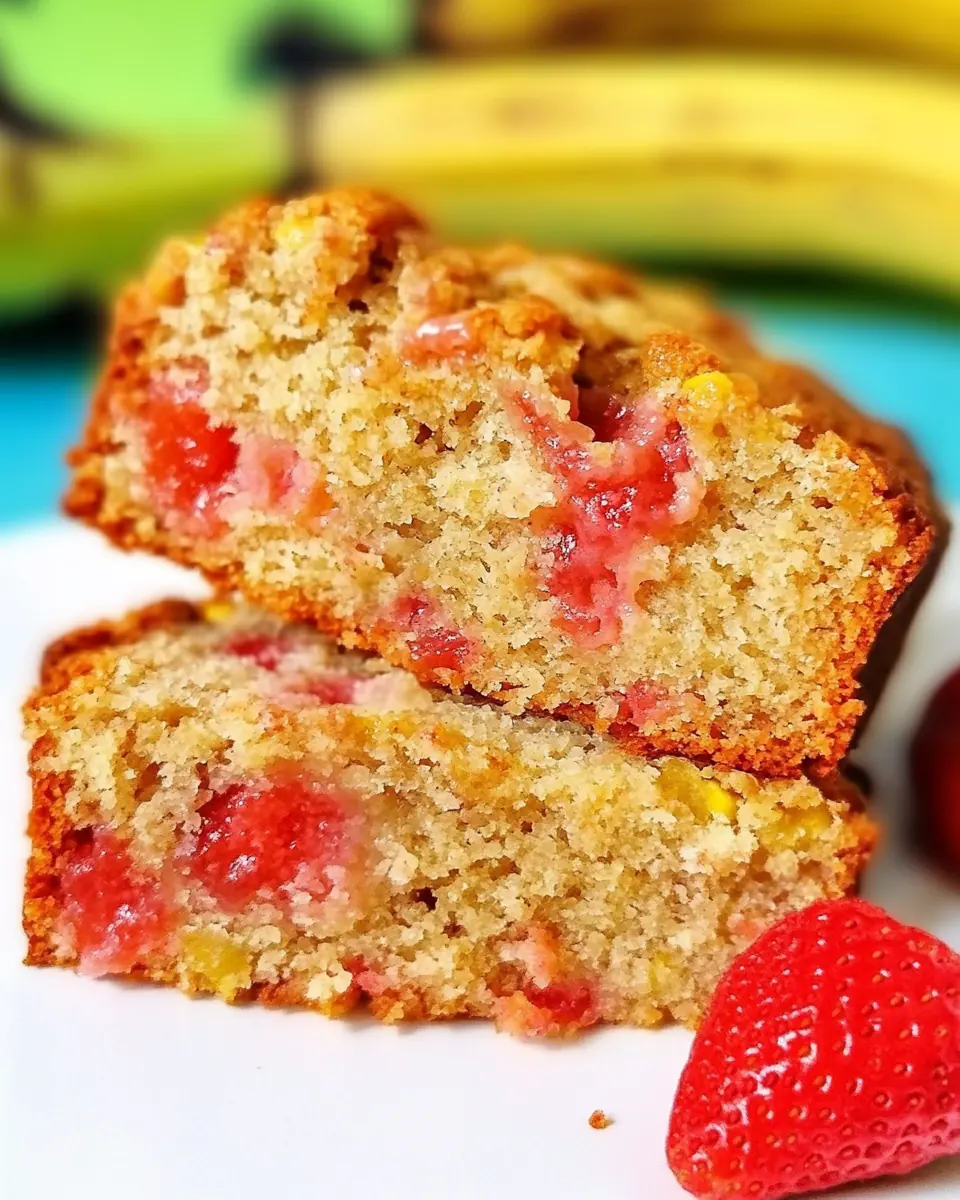
That first slice was still warm, the crumb tender and slightly springy, flecked with bright pieces of strawberry. The glaze I whisked together pooled in soft ribbons over the top, adding a glossy finish and extra hit of strawberry flavor. Friends who tried it called it comfort food, but with a light, summery twist that made it perfect for brunch or a quiet afternoon treat. Over time, I tweaked the glaze and the fold in the fruit, learning how to keep the loaf moist while allowing the strawberries to shine without sinking.
When I bring this loaf to gatherings, people always ask for the recipe because it is approachable, forgiving, and consistently satisfying. I love that it uses simple ingredients, and that it feels special without demanding hours at the stove. If you like a quick, sweet loaf that celebrates fruit, this one never disappoints.
Recipe Snapshot
1 hr 20 mins
30 mins
50 mins
Medium
250 kcal
American
Gluten-Free, Low FODMAP
Desserts
Loaf pan 9×5 inch, Mixing bowl, Fork or potato masher, Whisk
Why This Strawberry Banana Bread Is So Good
Bright fruit flavor without fuss
I love that Strawberry Banana Bread showcases real strawberry and banana flavor, without relying on heavy extracts or complicated steps. The fresh fruit brings natural sweetness and a pleasant tartness that balances the loaf.
Speed and simplicity
This recipe is refreshingly straightforward, using a trusty pancake mix as the base. I can get a loaf from bowl to oven in under an hour, which is perfect on busy mornings or when friends drop by unexpectedly.
Textural magic
The combination of mashed banana and pockets of chopped strawberry creates a tender crumb with bursts of juicy fruit. I appreciate how the batter holds moisture, keeping slices soft for days when stored correctly.
Flexible glazing
The simple powdered sugar glaze is forgiving. I can make it thicker for a frosting like finish or thinner for a shiny drizzle. A touch of strawberry extract and a drop of color makes it feel celebratory without extra effort.
Friendly to home bakers
I often hand this recipe to newer bakers because it tolerates small mistakes. If you overmix a little or the fruit sinks slightly, the loaf still comes out delicious. That forgiving nature keeps me reaching for it season after season.
Strawberry Banana Bread Shopping List
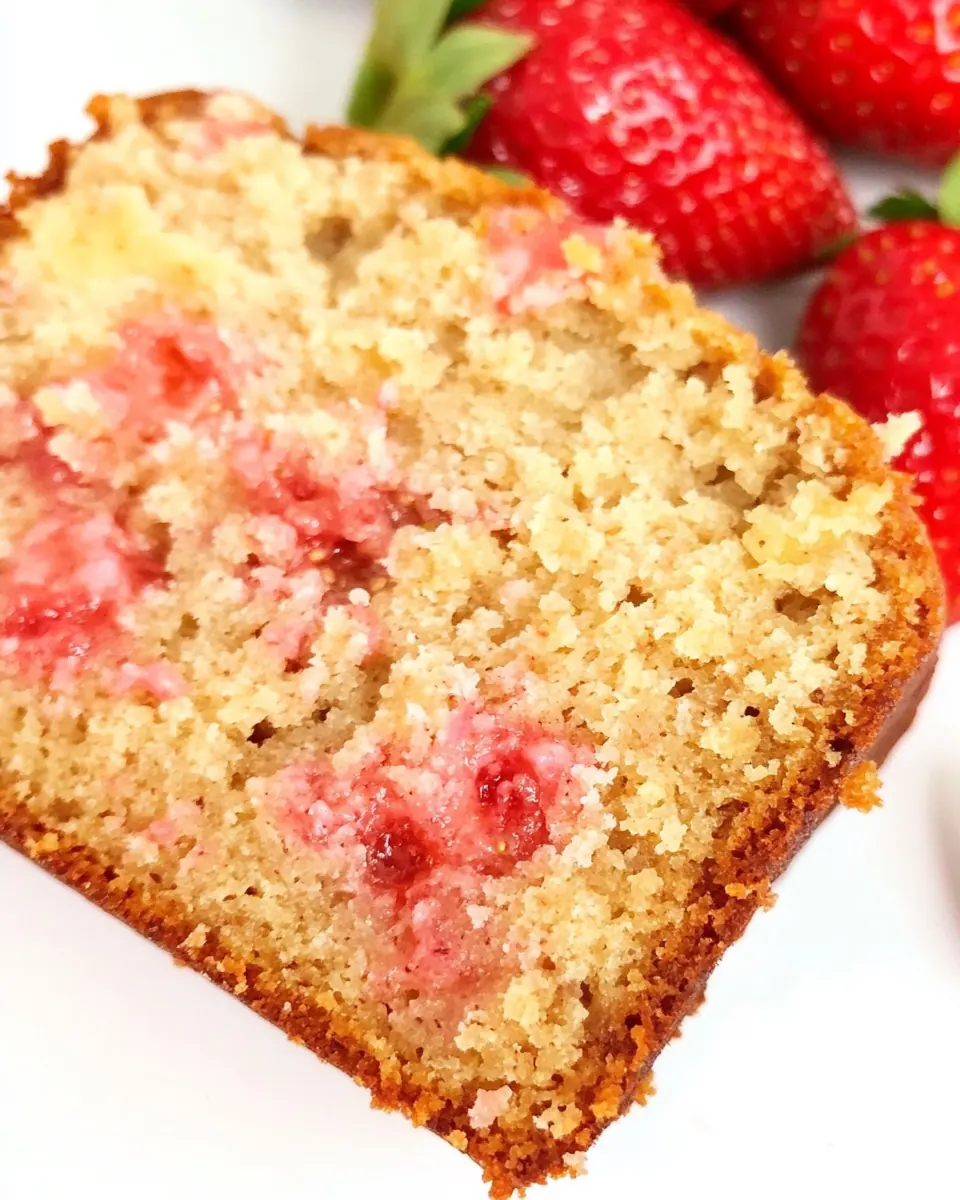
These ingredients work together in harmony to create a moist, fruity loaf. The mashed banana supplies sweetness and moisture, while the chopped strawberries add bright, tangy bites. The pancake mix forms the structure so you do not need to fuss with measuring separate leaveners, and a simple glaze finishes the loaf with glossy sweetness. Each component plays a clear role: binder, tenderizer, sweetness, and finish.
- 1 medium overripe banana: Mashed to provide natural sweetness, moisture, and binding; overripe bananas contribute strong banana flavor and help tenderize the crumb for a moist loaf.
- 2 large eggs: Beaten and incorporated to set structure, provide lift, and emulsify fats and liquids; eggs add richness, protein, and help the bread hold together during baking.
- 1/4 cup (59 ml) water: Poured in to adjust batter consistency and hydration; water dilutes dry ingredients and helps activate the pancake mix for proper texture.
- 2 teaspoons vanilla extract divided: Split between batter and glaze to add aromatic vanilla notes; vanilla extract enhances overall flavor depth and balances sweetness.
- 1/2 cup (119 ml) vegetable oil: Emulsified into the batter to add tenderizing fat and moistness; vegetable oil yields a softer crumb and prolongs freshness.
- 1/3 cup (67 g) granulated sugar: Measured for sweetness and slight caramelization; granulated sugar supports browning, tenderizes the crumb, and balances fruit flavors.
- 2 cups (244 g) Krusteaz Pancake Mix: Used as the primary dry base providing structure and leavening agents; Krusteaz Pancake Mix simplifies preparation and contributes a consistent texture.
- 1 cup (149 g) chopped strawberries: Chopped and folded in to add fresh fruity bursts, moisture, and texture; strawberries provide tartness and a vibrant color contrast within the bread.
- 3/4 cup (86 g) powdered sugar: Sifted into the glaze to create a smooth, sweet coating; powdered sugar dissolves easily for a silky finish and glossy appearance.
- 1/8 teaspoons strawberry extract: Added sparingly to the glaze for concentrated strawberry aroma; strawberry extract intensifies fruit flavor without adding extra moisture.
- 2 3 tablespoons heavy whipping cream: Drizzled into the glaze to adjust thickness and creaminess; heavy whipping cream lightens the glaze texture and gives a richer mouthfeel.
- 1 2 drops red food coloring (optional): Tweaked into the glaze for color enhancement only if desired; red food coloring deepens the pink hue without affecting flavor.
Putting Together Strawberry Banana Bread
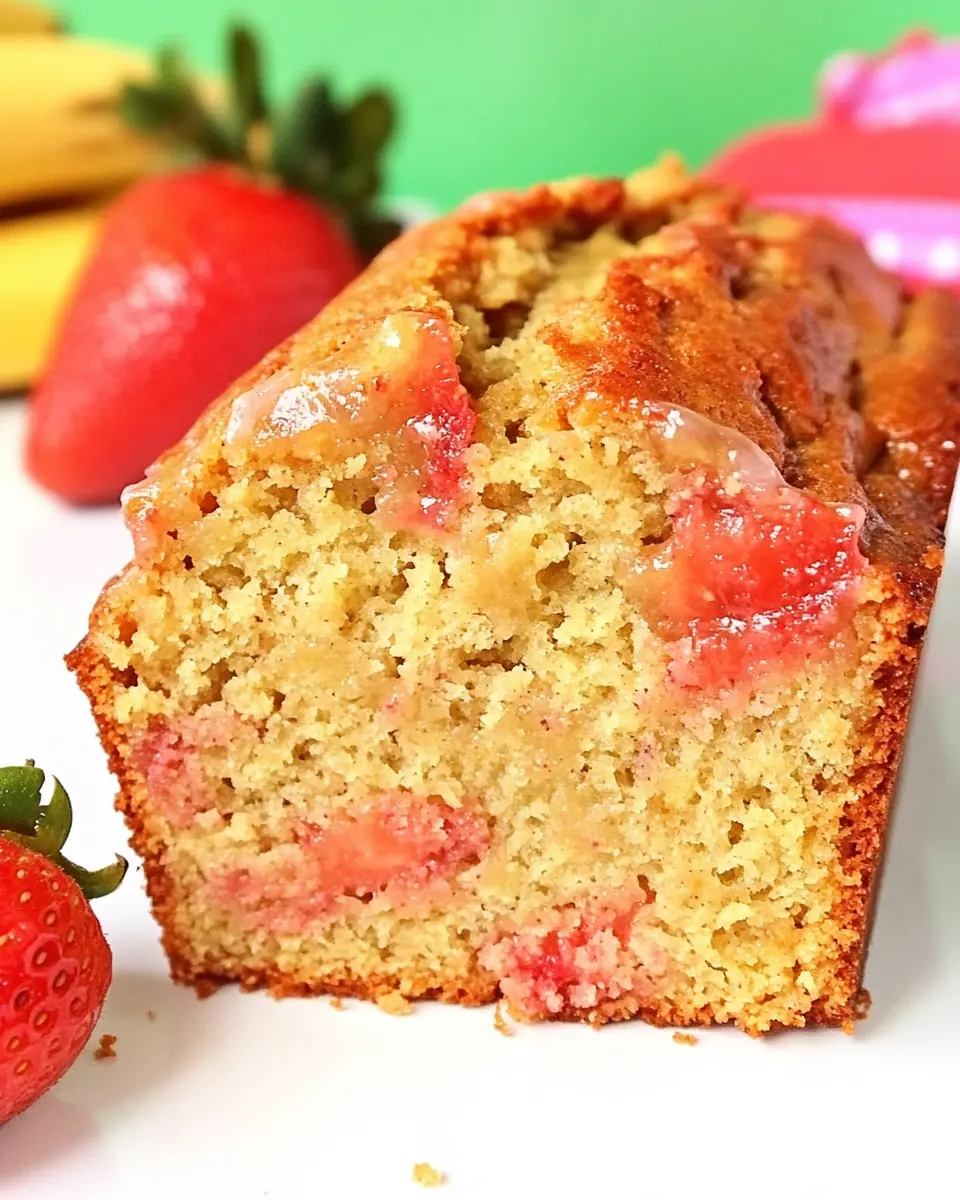
This recipe is comforting and approachable, so I keep the directions friendly and conversational. With just a few mixing bowls and a loaf pan, the process moves quickly. Below I expand each step with sensory notes, why the technique matters, and one troubleshooting tip so you can feel confident at every turn.
- Preheat oven to 350°F. Spray a 9×5-inch loaf pan with nonstick baking spray (the kind with flour in it) or grease and flour the pan.: As the oven warms to 350°F , you will notice a faint metallic hum and a gentle heat building in the kitchen. Preheating ensures the loaf begins to rise immediately when it hits the oven, producing an even crumb and a nicely domed top. Using a nonstick baking spray that contains flour creates a thin barrier that helps the loaf release cleanly, while greasing and flouring yields the same result when done well. Common mistakes include placing a cold batter in an underheated oven, which can lead to dense texture, so always wait until the oven reaches temperature. If the sides stick after cooling slightly, gently slide a thin knife around the loaf before inverting the pan.
- Add banana to a large bowl. Mash with a fork or potato masher.: The mashed banana should be soft and fragrant, with a few small lumps remaining for texture. Mashing releases natural sugars and moisture that sweeten the batter and tenderize the crumb. Use a fork or potato masher and press until mostly smooth; overworking can make the mixture overly watery, while under-mashing leaves large chunks that may create uneven pockets. A common pitfall is using a banana that is not ripe enough, which reduces sweetness and moisture. If the mash is very thin, drain off a bit of excess liquid to avoid a soggy loaf.
- Add eggs, water, 1 teaspoon vanilla, and oil. Stir.: When you add the eggs , water , vanilla extract , and vegetable oil , the batter will become glossy and silky, a visual cue that the wet ingredients are emulsifying. Stir until the mixture looks homogeneous but not foamy. The eggs provide structure, while the oil keeps the loaf tender and moist. One mistake is combining cold eggs directly with oil which can cause slight separation; bringing eggs to room temperature helps uniform mixing. If you see small beads of oil, stir gently until fully incorporated.
- Add sugar and pancake mix. Stir to combine.: As you add the granulated sugar and Krusteaz Pancake Mix , the batter will thicken and become paler. The sugar helps with browning and flavor, while the pancake mix provides the leavening and structure needed for a light crumb. Stir gently until all streaks of dry mix are gone; overmixing at this stage can develop gluten and create toughness. A frequent error is vigorous mixing, which yields a denser loaf. Aim for a few small streaks disappearing rather than a vigorous blending, and stop once combined.
- Gently fold in strawberries. Pour batter into prepared pan.: Folding in the chopped strawberries should be done with a soft, deliberate motion so the fruit remains intact and evenly distributed. You will see bright flecks of red against the batter, and the bowl will smell fresher and fruitier. Folding preserves the airiness of the batter and prevents the fruit from breaking down into mush. If you stir too aggressively, the strawberries will bleed and the batter may become overly wet, causing sinking. Spoon the batter into the pan and smooth the top gently so the loaf bakes evenly.
- Bake for 40-50 minutes or until a toothpick comes out clean or with just a few crumbs right from the center of the loaf. Cool 15-20 minutes before removing from pan. Cool completely before frosting.: While the loaf bakes, the kitchen will fill with a warm, sweet aroma, and the top will deepen to a golden hue with slightly caramelized edges. The ideal sign of doneness is a clean or nearly clean toothpick from the center, indicating the interior is set but still moist. Allowing the loaf to cool in the pan for 15 to 20 minutes helps it firm up, preventing it from falling apart when removed. A common issue is opening the oven too early, which causes the center to sink; try to avoid peeking until at least 35 to 40 minutes have passed. If the top browns too quickly, tent with foil for the remaining time to prevent burning.
- Make the glaze: whisk together powdered sugar with 1/2 teaspoon vanilla, strawberry extract (if using), and 2 tablespoons heavy cream. Add more cream as needed for consistency. Add food coloring, if desired. Frost bread. Frosting won't set completely but will get a crust on the outside.: whisk together powdered sugar with 1/2 teaspoon vanilla, strawberry extract (if using), and 2 tablespoons heavy cream. Add more cream as needed for consistency. Add food coloring, if desired. Frost bread. Frosting won't set completely but will get a crust on the outside. : The glaze should be glossy and smooth, with a silky pour that coats the back of a spoon. Whisking powdered sugar with vanilla extract , optional strawberry extract , and heavy whipping cream creates a sweet, fragrant topping that highlights the fruity notes. Adjust thickness by adding more cream for a thinner glaze or more powdered sugar for a thicker one. If the glaze is too runny the first time, add a bit more powdered sugar in small increments. A typical error is applying glaze while the loaf is too warm; wait until it is cool to the touch to avoid a melting, overly runny finish.
- Store bread covered for up to 3 days on the counter or freeze unfrosted bread for up to 3 months.: Stored in an airtight container, slices will remain soft and flavorful for a few days at room temperature, and freezing unfrosted slices preserves freshness for months. When freezing, wrap tightly to prevent freezer burn and thaw slowly at room temperature before glazing. Avoid refrigerating the loaf uncovered, which can dry it out quickly; moisture loss is the main culprit for stale texture. If you notice dryness after a day, briefly warm a slice in a toaster oven to restore some softness.
How to Switch It Up
This short intro offers a few creative options to vary the loaf while keeping the technique intact. Below I expand each note into a detailed tip so you can experiment confidently, tailoring texture, flavor, and presentation to your mood.
- Use different pancake mix brands: Try other water only pancake mixes that have a similar ingredient profile to maintain the same rise and texture, but always check the package instructions to ensure it is a simple mix without added milk powder, as that can change batter hydration. Switching brands can subtly affect crumb and browning, so test one loaf before scaling changes for guests.
- Adjust fruit quantity: Increase or decrease the chopped strawberries to change the intensity of fruit bursts; more fruit will add moisture and juiciness, while less will produce a firmer, more banana forward loaf. If adding a lot more fruit, reduce other liquids slightly to keep the batter from becoming too wet.
- Swap liquids carefully: If you need a thinner glaze, use a thinner milk in place of heavy whipping cream, keeping in mind that thinner liquids require less volume to reach drizzle consistency; progressively add liquid until you reach the desired texture to avoid an overly runny finish.
- Change pan size with timing: Baking in an 8×4-inch pan will raise the loaf higher and require a longer bake time; check for a clean toothpick and expect a slightly longer bake than the 9×5-inch version. Monitor color and use foil if necessary to prevent overbrowning on the exterior.
- Make it look festive: Add a tiny drop of red food coloring to the glaze for a deeper strawberry hue, stirring thoroughly to avoid streaks; one to two drops is enough because concentrated color can alter appearance dramatically if overused.
How to Enjoy Strawberry Banana Bread
This loaf is versatile and uncomplicated, perfect for morning coffee or an afternoon snack. Below I outline serving ideas, storage guidance, and occasions where this bread shines, each in a short list format for easy reading.
- Breakfast bread: Serve slices slightly warm with a pat of butter or a smear of cream cheese for a comforting start to the day, pairing well with a hot cup of coffee or tea.
- Brunch centerpiece: Present the loaf on a platter with a small bowl of extra glaze for guests to drizzle, making it an attractive addition to weekend brunches or casual gatherings.
- Snack or packed lunch: Wrap slices individually and pack for school or work, because the loaf holds up well when kept in an airtight container for a few days.
- Seasonal occasions: The bright fruit notes make this loaf excellent for springtime events, baby showers, or light dessert offerings during warm weather gatherings.
- Storage tips: Keep the frosted loaf at room temperature covered for up to three days, or freeze unfrosted slices wrapped tightly for up to three months to preserve freshness and texture.
FAQ
Conclusion
Strawberry Banana Bread is special because it blends the natural sweetness of overripe banana with bright chopped strawberries, producing a tender loaf that feels both comforting and fresh. I encourage you to give it a try, especially on a busy morning when you want a quick, impressive bake. It is forgiving, approachable, and reliably delicious, making it a recipe you’ll reach for again and again.
Strawberry Banana Bread
Ingredients
Equipment
Method
- Preheat oven to 350°F. Spray a 9×5-inch loaf pan with nonstick baking spray (the kind with flour in it) or grease and flour the pan.: As the oven warms to 350°F , you will notice a faint metallic hum and a gentle heat building in the kitchen. Preheating ensures the loaf begins to rise immediately when it hits the oven, producing an even crumb and a nicely domed top. Using a nonstick baking spray that contains flour creates a thin barrier that helps the loaf release cleanly, while greasing and flouring yields the same result when done well. Common mistakes include placing a cold batter in an underheated oven, which can lead to dense texture, so always wait until the oven reaches temperature. If the sides stick after cooling slightly, gently slide a thin knife around the loaf before inverting the pan.
- Add banana to a large bowl. Mash with a fork or potato masher.: The mashed banana should be soft and fragrant, with a few small lumps remaining for texture. Mashing releases natural sugars and moisture that sweeten the batter and tenderize the crumb. Use a fork or potato masher and press until mostly smooth; overworking can make the mixture overly watery, while under-mashing leaves large chunks that may create uneven pockets. A common pitfall is using a banana that is not ripe enough, which reduces sweetness and moisture. If the mash is very thin, drain off a bit of excess liquid to avoid a soggy loaf.
- Add eggs, water, 1 teaspoon vanilla, and oil. Stir.: When you add the eggs , water , vanilla extract , and vegetable oil , the batter will become glossy and silky, a visual cue that the wet ingredients are emulsifying. Stir until the mixture looks homogeneous but not foamy. The eggs provide structure, while the oil keeps the loaf tender and moist. One mistake is combining cold eggs directly with oil which can cause slight separation; bringing eggs to room temperature helps uniform mixing. If you see small beads of oil, stir gently until fully incorporated.
- Add sugar and pancake mix. Stir to combine.: As you add the granulated sugar and Krusteaz Pancake Mix , the batter will thicken and become paler. The sugar helps with browning and flavor, while the pancake mix provides the leavening and structure needed for a light crumb. Stir gently until all streaks of dry mix are gone; overmixing at this stage can develop gluten and create toughness. A frequent error is vigorous mixing, which yields a denser loaf. Aim for a few small streaks disappearing rather than a vigorous blending, and stop once combined.
- Gently fold in strawberries. Pour batter into prepared pan.: Folding in the chopped strawberries should be done with a soft, deliberate motion so the fruit remains intact and evenly distributed. You will see bright flecks of red against the batter, and the bowl will smell fresher and fruitier. Folding preserves the airiness of the batter and prevents the fruit from breaking down into mush. If you stir too aggressively, the strawberries will bleed and the batter may become overly wet, causing sinking. Spoon the batter into the pan and smooth the top gently so the loaf bakes evenly.
- Bake for 40-50 minutes or until a toothpick comes out clean or with just a few crumbs right from the center of the loaf. Cool 15-20 minutes before removing from pan. Cool completely before frosting.: While the loaf bakes, the kitchen will fill with a warm, sweet aroma, and the top will deepen to a golden hue with slightly caramelized edges. The ideal sign of doneness is a clean or nearly clean toothpick from the center, indicating the interior is set but still moist. Allowing the loaf to cool in the pan for 15 to 20 minutes helps it firm up, preventing it from falling apart when removed. A common issue is opening the oven too early, which causes the center to sink; try to avoid peeking until at least 35 to 40 minutes have passed. If the top browns too quickly, tent with foil for the remaining time to prevent burning.
- Make the glaze: whisk together powdered sugar with 1/2 teaspoon vanilla, strawberry extract (if using), and 2 tablespoons heavy cream. Add more cream as needed for consistency. Add food coloring, if desired. Frost bread. Frosting won't set completely but will get a crust on the outside.: whisk together powdered sugar with 1/2 teaspoon vanilla, strawberry extract (if using), and 2 tablespoons heavy cream. Add more cream as needed for consistency. Add food coloring, if desired. Frost bread. Frosting won't set completely but will get a crust on the outside. : The glaze should be glossy and smooth, with a silky pour that coats the back of a spoon. Whisking powdered sugar with vanilla extract , optional strawberry extract , and heavy whipping cream creates a sweet, fragrant topping that highlights the fruity notes. Adjust thickness by adding more cream for a thinner glaze or more powdered sugar for a thicker one. If the glaze is too runny the first time, add a bit more powdered sugar in small increments. A typical error is applying glaze while the loaf is too warm; wait until it is cool to the touch to avoid a melting, overly runny finish.
- Store bread covered for up to 3 days on the counter or freeze unfrosted bread for up to 3 months.: Stored in an airtight container, slices will remain soft and flavorful for a few days at room temperature, and freezing unfrosted slices preserves freshness for months. When freezing, wrap tightly to prevent freezer burn and thaw slowly at room temperature before glazing. Avoid refrigerating the loaf uncovered, which can dry it out quickly; moisture loss is the main culprit for stale texture. If you notice dryness after a day, briefly warm a slice in a toaster oven to restore some softness.
Notes
- Use different pancake mix brands: Try other water only pancake mixes that have a similar ingredient profile to maintain the same rise and texture, but always check the package instructions to ensure it is a simple mix without added milk powder, as that can change batter hydration. Switching brands can subtly affect crumb and browning, so test one loaf before scaling changes for guests.
- Adjust fruit quantity: Increase or decrease the chopped strawberries to change the intensity of fruit bursts; more fruit will add moisture and juiciness, while less will produce a firmer, more banana forward loaf. If adding a lot more fruit, reduce other liquids slightly to keep the batter from becoming too wet.
- Swap liquids carefully: If you need a thinner glaze, use a thinner milk in place of heavy whipping cream, keeping in mind that thinner liquids require less volume to reach drizzle consistency; progressively add liquid until you reach the desired texture to avoid an overly runny finish.
- Change pan size with timing: Baking in an 8×4-inch pan will raise the loaf higher and require a longer bake time; check for a clean toothpick and expect a slightly longer bake than the 9×5-inch version. Monitor color and use foil if necessary to prevent overbrowning on the exterior.
- Make it look festive: Add a tiny drop of red food coloring to the glaze for a deeper strawberry hue, stirring thoroughly to avoid streaks; one to two drops is enough because concentrated color can alter appearance dramatically if overused.