Wild Rice Soup
Wild Rice Soup has been one of those bowls I turn to when the weather leans cold and my kitchen needs a little comforting alchemy. The first time I made this, I had a rainy afternoon, an open window that smelled like wet leaves, and a half jar of white miso daring me to experiment. I remember how the cashews and almond milk blended into something unexpectedly creamy, while the wild rice added a toothsome, nutty contrast that felt grounding in my hands.
I like to cook in small bursts of curiosity, and this recipe rewarded that approach. As the scallions and mushrooms softened, the kitchen filled with an earthy aroma that made my neighbor peek over the fence, asking what smelled so good. I plated a bowl, squeezed a little lemon over the top, and felt instantly warmer. That gentle acidity brightened the broth, making the whole dish feel more lively than a simple creamy soup.
Over the years I have adjusted this to suit different moods. Sometimes I make a pot for a quiet weeknight dinner with crusty bread, other times I double the batch for friends who stop by unexpectedly. The kale wilts at the end, adding color and a little bite, and the extra cannellini beans deepen the body so you can actually spoon this for a satisfying meal. It travels well too, so leftovers reheat beautifully when you need a fast, nourishing lunch.
Recipe Snapshot
45 mins
10 mins
35 mins
Medium
250 kcal
Vegan
Vegan, Gluten-Free
Soups
Blender, Dutch oven, Knife, Cutting board
Why You Need This Wild Rice Soup
Hearty but surprisingly light
I love that Wild Rice Soup feels indulgent without being heavy. The cashew and almond milk base creates a creamy texture, while the broth is still bright and sipable. That balance means you can enjoy a full bowl and still feel energized afterward, which is ideal on a chilly evening when you want comfort without sluggishness.
Layered textures that keep each spoonful interesting
The contrast between chewy wild rice, tender cremini mushrooms, silky blended beans, and slightly crisped scallions gives every bite an element of surprise. I find that textural variety is what keeps people coming back for seconds, and it turns a simple soup into a memorable experience.
Flavor depth from smart, humble ingredients
Using white miso paste and a touch of Dijon mustard adds umami and brightness without overpowering the dish. The combination of garlic, rosemary, and thyme layers herbal notes that round out the savory backbone. I always appreciate how a few well chosen pantry staples can elevate the whole pot.
Flexible and forgiving
This recipe adapts easily, so you can nudge it toward more creaminess or more broth depending on how you feel. If you want a thinner soup, adding an extra cup of water keeps things balanced. Likewise, increasing the kale or beans will make the bowl heartier, so it’s perfect whether you need a starter or a standalone meal.
Great for make ahead meals
I often make a double batch to keep in the fridge, because the flavors meld beautifully overnight. Reheating is straightforward, and a squeeze of fresh lemon brings the soup back to life. For busy weeks, this becomes a go to for an easy weeknight dinner or a cozy lunch.
What to Gather for Wild Rice Soup
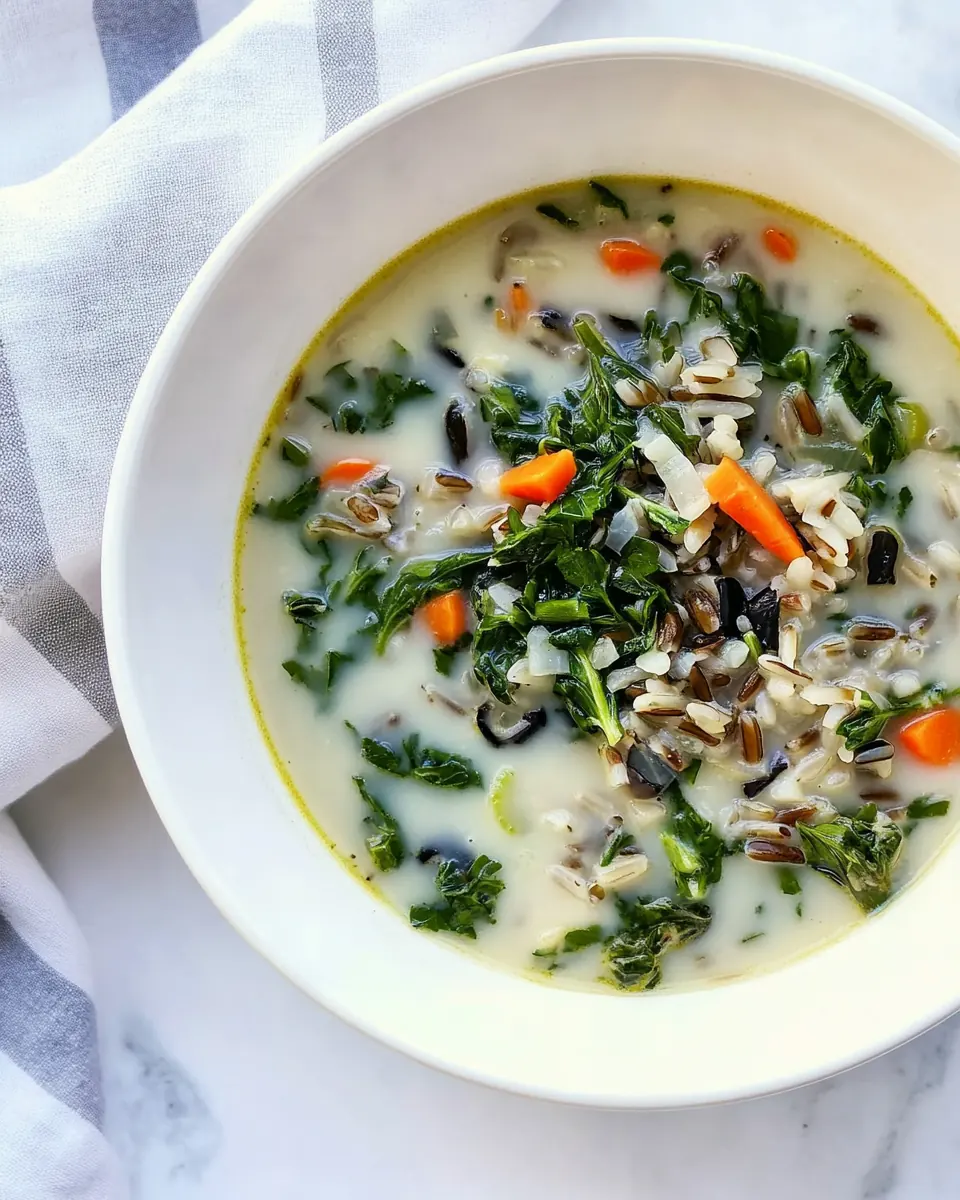
These ingredients come together to create a bowl that is both nourishing and complex. The creamy elements form the backbone, while the aromatics and herbs provide lift. Wild Rice Soup is built around three key players: the blended cashew and bean base that gives a velvet mouthfeel, the wild rice for chew and nuttiness, and the vegetables and herbs which aromatically transform the broth.
- 1 cup unsweetened almond milk: Provide a creamy, dairy-free base that mellowly carries savory flavors; blend with cashews and miso to create a rich soup texture. Use unsweetened to avoid adding sweetness so the soup remains savory and balanced. Stir in near the end to heat through without curdling and maintain a smooth consistency.
- 1/3 cup raw cashews: Create a velvety, nutty cream when soaked and blended, helping to thicken the soup naturally without dairy. Use raw cashews to impart richness and body that complements the almond milk and miso. Puree with a portion of liquid for a smooth, sumptuous mouthfeel.
- 1/4 cup cooked cannellini beans, drained and rinsed: Contribute additional creaminess and subtle bean flavor while boosting protein and fiber content in the soup. Use cooked, drained, and rinsed cannellini beans to avoid altering salt balance and texture. Mash or blend some for body while leaving some whole for pleasant bite.
- 2 tablespoons white miso paste: Add deep umami and savory depth while balancing saltiness with fermented complexity; dissolve into warm liquid to distribute flavor evenly. Use white miso for a milder, slightly sweet miso note that enhances overall savoriness. Stir in early enough to meld but avoid boiling aggressively to preserve nuanced flavors.
- 2 teaspoons Dijon mustard: Introduce a bright, sharp tang that lifts the soup and cuts through richness; whisk into the base for gentle acidity. Use Dijon mustard sparingly to add complexity and slight heat without overpowering other elements. Incorporate with liquids to ensure even dispersion throughout the soup.
- 2 tablespoons extra-virgin olive oil: Provide a fruity, aromatic fat for sautéing vegetables and building the flavor base; use to brown mushrooms and soften aromatics. Choose extra–virgin olive oil for its flavor profile and to help carry fat-soluble flavors. Add early in the cooking process to bloom herbs and aromatics.
- 1 bunch scallions, white and light green parts, chopped: Bring a mild onion-like sharpness and freshness, softened by cooking to form part of the aromatic base; chop the white and light green parts for flavor and texture. Use scallions to add a subtle sweetness and pleasant vegetal note that complements celery and carrot. Include some raw as garnish for crisp freshness if desired.
- 1 celery stalk, chopped: Supply a subtle, savory crunch and aromatic backbone when sautéed with other aromatics; chop finely for even cooking. Use celery to build classic soup flavor and to add textural contrast to softer ingredients like beans and greens. Sweat with scallions and carrot to create a balanced mirepoix-like base.
- 1 large carrot, chopped: Add natural sweetness and a tender bite when cooked, deepening the soup’s flavor profile; chop to integrate evenly. Use carrot for color, sweetness, and nutrients that complement the earthy mushrooms and beans. Cook until softened to release sugars and meld with the broth.
- 8 ounces cremini mushrooms, sliced: Deliver an earthy, meaty flavor and satisfying umami when sautéed until golden; slice for even caramelization. Use cremini mushrooms to deepen the soup’s savory character and add chewiness that contrasts with beans and rice. Brown well to maximize flavor through Maillard reaction.
- 1 teaspoons ea salt: Season the soup to enhance all flavors and control overall saltiness; measure carefully and adjust to taste. Use the stated teaspoons to provide baseline seasoning while allowing for final adjustments after adding miso and other salty elements. Taste incrementally to avoid over-salting.
- 4 garlic cloves, minced: Impart aromatic pungency and savory depth when minced and cooked briefly to release oils; add during sautéeing for best flavor. Use garlic to build complexity and complement herbs like rosemary and thyme without overwhelming delicate elements. Add later in the sauté to prevent burning and bitterness.
- 2 tablespoons minced rosemary: Give bright, piney, and resinous herbal notes that pair well with beans and mushrooms; mince finely to distribute flavor. Use rosemary to infuse the soup with aromatic complexity that permeates the broth. Add early enough to soften its strong character or reserve some for finishing.
- 1 bunch of thyme, bundled: Introduce fragrant, lemony, and savory notes that uplift the entire soup; bundle for easy removal or chop leaves for direct infusion. Use thyme to provide subtle herbal depth and complexity, allowing long simmering to extract flavor without overpowering. Remove stems if bundled, or add fresh leaves toward the end for brightness.
- 1 1/4 cups cooked cannellini beans, drained and rinsed: Enhance creaminess, body, and plant-based protein by adding more cannellini beans; drain and rinse to control salt. Use 1 1/4 cups cooked beans to thicken and add satisfying texture while complementing the rice and greens. Mash a portion or leave whole depending on desired consistency.
- 1/2 teaspoon freshly ground black pepper, more for serving: Provide warm, earthy spice and balanced heat when freshly ground; season during simmering and adjust to taste. Use freshly ground black pepper to brighten flavors and add subtle bite that complements herbs and garlic. Offer extra at the table for those who prefer more spiciness.
- 4 cups water: Supply the primary cooking liquid for simmering and hydrating ingredients while controlling dilution; adjust quantity as needed. Use water to allow the flavors of miso, herbs, and aromatics to shine without introducing additional flavors. Add gradually and taste to reach desired consistency.
- 1 cup cooked wild rice: Contribute chewy texture and nutty, smoky notes characteristic of wild rice; stir in near the end to preserve grains. Use cooked wild rice to add body, visual contrast, and earthy flavor that complements beans and mushrooms. Mix gently to avoid breaking grains and to heat through evenly.
- 1 to 2 tablespoons fresh lemon juice: Introduce a bright, acidic lift that balances richness and rounds flavors; add incrementally and taste. Use fresh lemon juice to brighten the soup and enhance the perception of other savory components. Start with one tablespoon and increase to two if more brightness is desired.
- 4 cups chopped kale: Provide color, earthy bitterness, and nutritional heft while offering a tender but slightly chewy texture when cooked; chop for even wilting. Use chopped kale to add leafy green substance, vitamins, and a pleasant mouthfeel that complements the beans and rice. Add toward the end of simmering so it wilts but retains color.
- Chopped parsley for garnish (optional): Offer a fresh, herbaceous finishing touch when chopped and sprinkled just before serving; optional for visual appeal. Use parsley garnish to add a clean, slightly peppery contrast that freshens palate between bites. Scatter lightly to complement other finishing flavors like lemon and pepper.
- Pinches of red pepper flakes (optional): Contribute subtle heat and a touch of warmth when used sparingly; pinch to taste for desired spiciness. Use red pepper flakes to add layered complexity and to lift the savory profile without overwhelming delicate flavors. Sprinkle as a finish for controlled bursts of heat.
Putting Together Wild Rice Soup
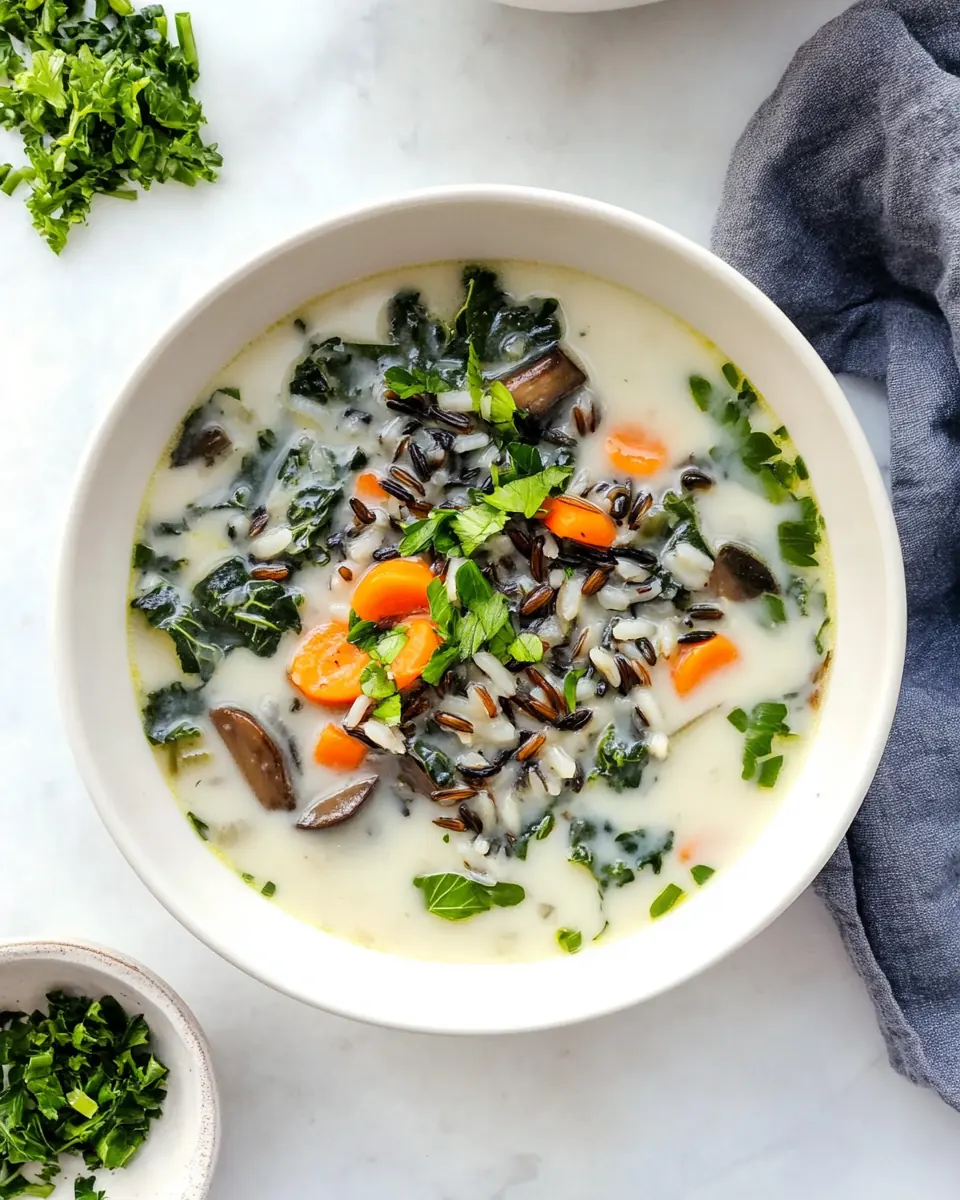
These directions walk you through building the soup from a creamy blended base to a simmered, herb perfumed pot. Follow the steps in order and pay attention to the sensory cues I describe so you know when each stage is done. Small adjustments will make a big difference in texture and flavor.
- Make the creamy base: Place the almond milk, cashews, white beans, miso paste, and Dijon mustard in a blender and process until smooth. Set aside.: Place the almond milk, cashews, white beans, miso paste, and Dijon mustard in a blender and process until smooth. Set aside. : Start by blending the almond milk with the cashews , the initial portion of cannellini beans , white miso paste , and Dijon mustard to create a uniformly smooth mixture. As you blend, notice the texture shift from grainy to velvety, and pay attention to the aroma which will become subtly savory and nutty; this is a good indicator the cashews have broken down properly. The reason this matters is that a truly smooth base ensures the soup will have a luxurious mouthfeel without gritty bits, and it helps the miso integrate evenly into the broth. If the blender feels strained, pause and scrape down the sides, then pulse again to prevent overheating the motor. A common mistake at this stage is under blending which leaves small cashew fragments, leading to an uneven final texture; to avoid this, blend until the liquid looks glossy and pours smoothly.
- Make the soup: Heat the olive oil in a medium-large Dutch oven or large pot over medium heat. Add the scallions, celery, carrot, mushrooms, and salt and stir. Cook, stirring occasionally, until the mushrooms are tender, 8 to 10 minutes.: Heat the olive oil in a medium-large Dutch oven or large pot over medium heat. Add the scallions, celery, carrot, mushrooms, and salt and stir. Cook, stirring occasionally, until the mushrooms are tender, 8 to 10 minutes. : Heat the extra–virgin olive oil until it shimmers gently but does not smoke, then add the chopped scallions , celery , and carrot along with the sliced cremini mushrooms and the measured salt . Listen for a soft sizzle as the vegetables hit the pan, and watch the mushrooms release moisture then reabsorb it, concentrating their earthy scent into the pot. Stir occasionally so nothing sticks, and look for the vegetables to become translucent and the mushrooms to soften and take on a deeper color, which typically takes around 8 to 10 minutes. This step develops the base flavors through gentle caramelization, which is crucial because it transforms simple vegetables into a savory backbone for the entire soup. A frequent oversight is cooking at too high a temperature which causes the aromatics to brown too quickly or burn; if you see dark spots forming, lower the heat and add a splash of water to deglaze and recover the fond.
- Add the garlic, rosemary, thyme, cannellini beans, pepper, and water and stir. Cover and simmer for 20 minutes.: Once the vegetables are softened, stir in the minced garlic , minced rosemary , the thyme bundle, the next portion of cannellini beans , freshly ground black pepper , and the measured water . You will notice a fragrant lift as the garlic and herbs begin to heat, releasing aromatic oils that merge with the umami already building in the pot. Covering the pot traps steam and allows the flavors to meld gently, producing a rounded broth as the beans and vegetables release their starches. Simmering for the recommended time softens everything to the right texture and concentrates flavor without breaking down the ingredients into mush. Watch for a gentle bubbling, not a roiling boil; if the pot boils too vigorously, reduce the heat to maintain a calm simmer. A common mistake here is skimming too much early on which can lower flavor concentration, so keep the lid slightly ajar if you need to control foam but avoid constant stirring which interrupts the melding process.
- Remove the thyme bundle and stir in the cashew mixture, rice, 1 tablespoon lemon juice, and kale. Simmer over low heat until the kale is wilted, about 5 minutes. Season to taste and serve with more lemon juice, parsley and pinches of red pepper flakes, if desired.: After the simmer, take out the thyme bundle and then pour in the blended cashew and bean base you set aside, followed by the cooked wild rice , the initial tablespoon of fresh lemon juice , and the chopped kale . You will immediately see the broth take on a richer, creamier appearance and smell a deeper meld of flavors. Stir gently so the rice disperses and the kale begins to soften; the color will change to a brighter green as it wilts. Simmering over low heat for about five minutes allows the kale to tenderize just enough while preserving its texture and nutrients, and it helps the blended base heat through without curdling. If the soup feels too thick at this stage, add a splash of the reserved water to loosen it. People sometimes overcook the kale here, which causes it to lose its vibrant color and turn mushy, so watch the pot and remove it from heat once the leaves are tender but still vibrant.
- Season to taste and serve with more lemon juice, parsley and pinches of red pepper flakes, if desired.: Finish by tasting and adjusting the seasoning, adding more fresh lemon juice if you want extra brightness, extra chopped parsley for herbal freshness, and a pinch or two of red pepper flakes if you want heat. The final seasoning ties together the creamy, savory, and herbal elements and should bring a clean, lively balance to the bowl. Take note of the mouthfeel and the way the acidity lifts the broth; a single squeeze of lemon often transforms the entire pot. Be cautious about adding too much salt at the end because the white miso paste can already contribute sodium; always taste before adjusting. A typical misstep is skipping the final tasting and assuming the soup is done, which can leave flavors muted.
Helpful Hints
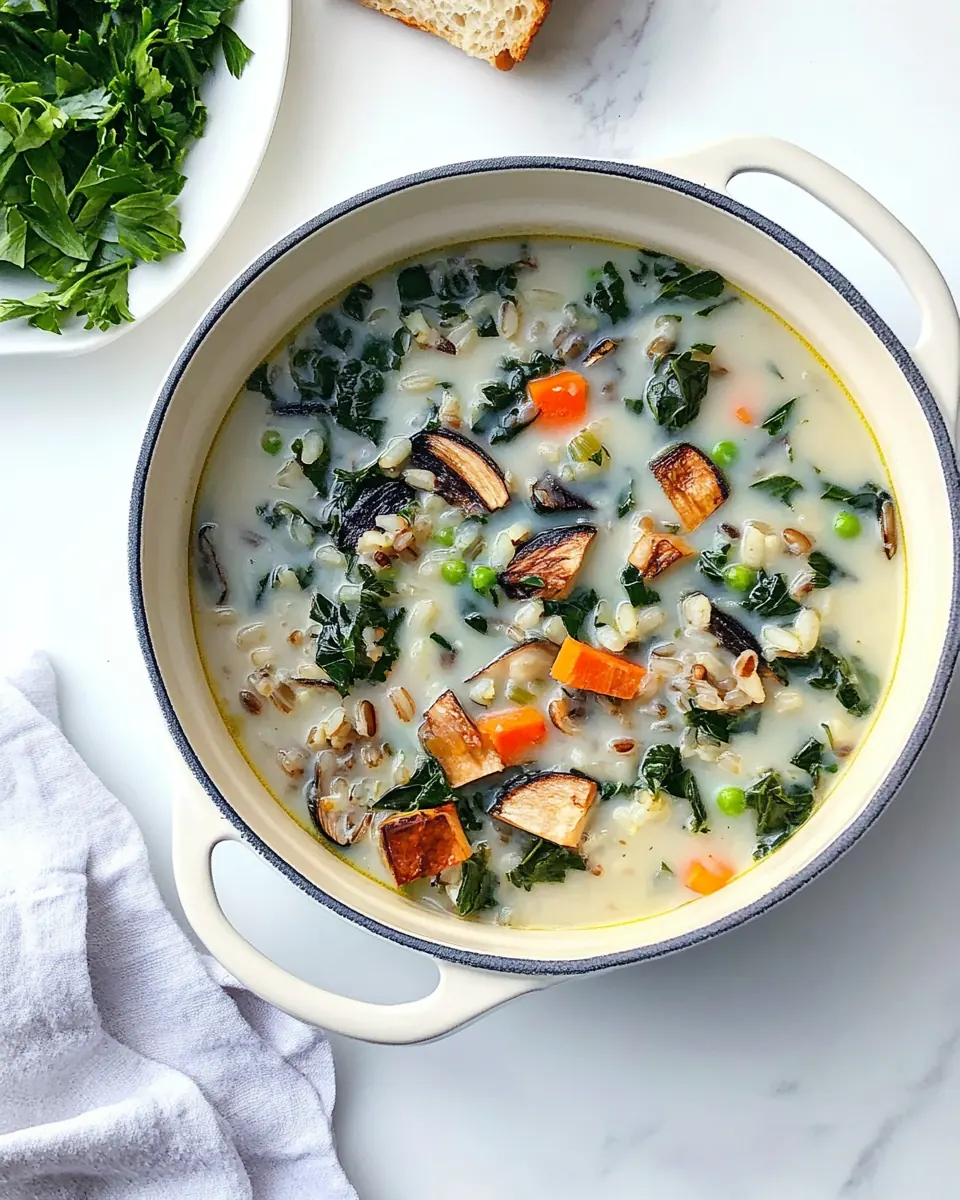
This set of tips expands on practical strategies I use every time I make Wild Rice Soup. Each item is geared to help you get the texture and flavor right, and to streamline the process whether you cook for one or many.
- Choose dry toasted cashews for extra depth, if you toast the raw cashews briefly in a dry skillet before blending, you add a subtle roasted note that deepens the base without changing the creamy texture; let them cool before blending to avoid heat damaging your blender.
- Soak cashews briefly for the smoothest blend, a 20 minute soak in hot water softens the cashews and makes the base silkier if you do not have a high speed blender.
- Cook wild rice separately and cool, cooking the wild rice ahead ensures it stays chewy and does not overcook in the soup; rinse and drain well to remove excess starch that can thicken the pot too much.
- Use low heat after adding the blended base, this prevents separation and keeps the soup cohesive; gentle warming preserves the creamy mouthfeel.
- Brighten with lemon at the end, adding fresh lemon juice at finishing time lifts the flavors without masking the delicate umami from the white miso paste.
- Make it ahead and rest overnight, the flavors meld and deepen after resting, which often improves the soup though you may need to thin it with hot water when reheating.
Serving Ideas for Wild Rice Soup
Wild Rice Soup is versatile enough to suit a quiet family dinner or to star on a small dinner party menu. Its balance of creaminess and hearty texture pairs well with a range of sides and occasions, and it stores well for make ahead meals or for Ramadan if you need warming evening options.
- Serve with crusty bread for soaking up the broth, a warm rustic loaf complements the creamy base and adds a satisfying chew to the meal.
- Offer a simple green salad dressed with lemon and olive oil to provide a crisp contrast and a fresh palate cleanser between bites.
- Plate as a main for a cozy dinner, its protein from cannellini beans and hearty wild rice make it filling enough to stand alone with a garnish of parsley and extra lemon.
- Make it for a make ahead lunch, store in airtight containers and reheat gently, adding hot water if it thickens during refrigeration.
- Pair with roasted vegetables for a seasonal, vegetable forward spread; the roasted notes will echo the soup’s earthy mushroom flavors.
- Serve during colder months as a comforting option that is both warming and nourishing, ideal for weeknights or casual get togethers.
- Garnish purposefully with parsley, extra lemon, or red pepper flakes so guests can customize each bowl to taste.
FAQ
Conclusion
This recipe stands out for its balance of creamy richness and bright, herbaceous flavor, anchored by chewy wild rice and hearty beans. I encourage you to try it because it is nourishing, adaptable, and comes together with pantry friendly ingredients that transform into something memorable. Whether you make it for a quiet weeknight or double the batch for sharing, it rewards a little attention with comforting, layered results that feel like a warm, thoughtful hug in a bowl.
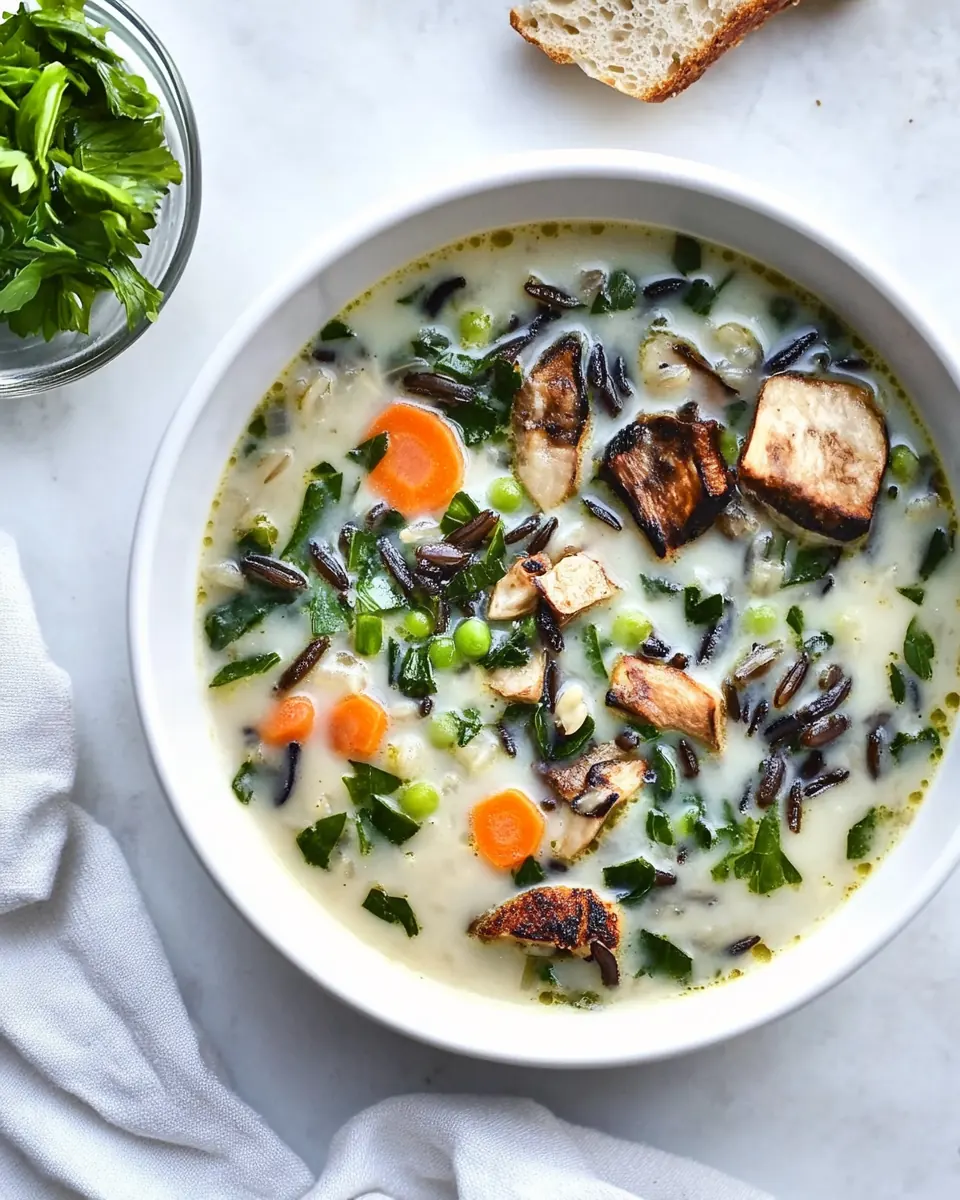
Wild Rice Soup
Ingredients
Equipment
Method
- Make the creamy base: Place the almond milk, cashews, white beans, miso paste, and Dijon mustard in a blender and process until smooth. Set aside.: Place the almond milk, cashews, white beans, miso paste, and Dijon mustard in a blender and process until smooth. Set aside. : Start by blending the almond milk with the cashews , the initial portion of cannellini beans , white miso paste , and Dijon mustard to create a uniformly smooth mixture. As you blend, notice the texture shift from grainy to velvety, and pay attention to the aroma which will become subtly savory and nutty; this is a good indicator the cashews have broken down properly. The reason this matters is that a truly smooth base ensures the soup will have a luxurious mouthfeel without gritty bits, and it helps the miso integrate evenly into the broth. If the blender feels strained, pause and scrape down the sides, then pulse again to prevent overheating the motor. A common mistake at this stage is under blending which leaves small cashew fragments, leading to an uneven final texture; to avoid this, blend until the liquid looks glossy and pours smoothly.
- Make the soup: Heat the olive oil in a medium-large Dutch oven or large pot over medium heat. Add the scallions, celery, carrot, mushrooms, and salt and stir. Cook, stirring occasionally, until the mushrooms are tender, 8 to 10 minutes.: Heat the olive oil in a medium-large Dutch oven or large pot over medium heat. Add the scallions, celery, carrot, mushrooms, and salt and stir. Cook, stirring occasionally, until the mushrooms are tender, 8 to 10 minutes. : Heat the extra-virgin olive oil until it shimmers gently but does not smoke, then add the chopped scallions , celery , and carrot along with the sliced cremini mushrooms and the measured salt . Listen for a soft sizzle as the vegetables hit the pan, and watch the mushrooms release moisture then reabsorb it, concentrating their earthy scent into the pot. Stir occasionally so nothing sticks, and look for the vegetables to become translucent and the mushrooms to soften and take on a deeper color, which typically takes around 8 to 10 minutes. This step develops the base flavors through gentle caramelization, which is crucial because it transforms simple vegetables into a savory backbone for the entire soup. A frequent oversight is cooking at too high a temperature which causes the aromatics to brown too quickly or burn; if you see dark spots forming, lower the heat and add a splash of water to deglaze and recover the fond.
- Add the garlic, rosemary, thyme, cannellini beans, pepper, and water and stir. Cover and simmer for 20 minutes.: Once the vegetables are softened, stir in the minced garlic , minced rosemary , the thyme bundle, the next portion of cannellini beans , freshly ground black pepper , and the measured water . You will notice a fragrant lift as the garlic and herbs begin to heat, releasing aromatic oils that merge with the umami already building in the pot. Covering the pot traps steam and allows the flavors to meld gently, producing a rounded broth as the beans and vegetables release their starches. Simmering for the recommended time softens everything to the right texture and concentrates flavor without breaking down the ingredients into mush. Watch for a gentle bubbling, not a roiling boil; if the pot boils too vigorously, reduce the heat to maintain a calm simmer. A common mistake here is skimming too much early on which can lower flavor concentration, so keep the lid slightly ajar if you need to control foam but avoid constant stirring which interrupts the melding process.
- Remove the thyme bundle and stir in the cashew mixture, rice, 1 tablespoon lemon juice, and kale. Simmer over low heat until the kale is wilted, about 5 minutes. Season to taste and serve with more lemon juice, parsley and pinches of red pepper flakes, if desired.: After the simmer, take out the thyme bundle and then pour in the blended cashew and bean base you set aside, followed by the cooked wild rice , the initial tablespoon of fresh lemon juice , and the chopped kale . You will immediately see the broth take on a richer, creamier appearance and smell a deeper meld of flavors. Stir gently so the rice disperses and the kale begins to soften; the color will change to a brighter green as it wilts. Simmering over low heat for about five minutes allows the kale to tenderize just enough while preserving its texture and nutrients, and it helps the blended base heat through without curdling. If the soup feels too thick at this stage, add a splash of the reserved water to loosen it. People sometimes overcook the kale here, which causes it to lose its vibrant color and turn mushy, so watch the pot and remove it from heat once the leaves are tender but still vibrant.
- Season to taste and serve with more lemon juice, parsley and pinches of red pepper flakes, if desired.: Finish by tasting and adjusting the seasoning, adding more fresh lemon juice if you want extra brightness, extra chopped parsley for herbal freshness, and a pinch or two of red pepper flakes if you want heat. The final seasoning ties together the creamy, savory, and herbal elements and should bring a clean, lively balance to the bowl. Take note of the mouthfeel and the way the acidity lifts the broth; a single squeeze of lemon often transforms the entire pot. Be cautious about adding too much salt at the end because the white miso paste can already contribute sodium; always taste before adjusting. A typical misstep is skipping the final tasting and assuming the soup is done, which can leave flavors muted.
Notes
- Choose dry toasted cashews for extra depth, if you toast the raw cashews briefly in a dry skillet before blending, you add a subtle roasted note that deepens the base without changing the creamy texture; let them cool before blending to avoid heat damaging your blender.
- Soak cashews briefly for the smoothest blend, a 20 minute soak in hot water softens the cashews and makes the base silkier if you do not have a high speed blender.
- Cook wild rice separately and cool, cooking the wild rice ahead ensures it stays chewy and does not overcook in the soup; rinse and drain well to remove excess starch that can thicken the pot too much.
- Use low heat after adding the blended base, this prevents separation and keeps the soup cohesive; gentle warming preserves the creamy mouthfeel.
- Brighten with lemon at the end, adding fresh lemon juice at finishing time lifts the flavors without masking the delicate umami from the white miso paste.
- Make it ahead and rest overnight, the flavors meld and deepen after resting, which often improves the soup though you may need to thin it with hot water when reheating.