Preheat oven to 500ºF degrees. Line a cookie sheet with parchment paper and set aside.: The moment you open the oven and smell the intense, dry heat, you know it is ready to work for you. A roaring oven jump starts steam formation in the biscuits, producing that sought after lift and flaky texture. You will notice the air in the oven feels almost crackling hot, and that intense environment encourages rapid browning, which adds a toasty aroma. A common mistake here is skipping the preheat or underestimating how long your oven takes to reach 500ºF, which can yield pale, flat biscuits. To avoid that, set the oven early and allow the sheet to warm slightly on the rack so the bottoms start crisping immediately.
Place flour in a large bowl. Gradually stir in cream, adding just enough to moisten flour to a sticky dough. (You may have a little leftover).: When you first stir, you will see pockets of dry flour giving way to glossy streaks of cream, and the mixture smells faintly sweet and milky. The tactile cue is important, you want a tacky, cohesive dough that still feels slightly shaggy. This balance ensures the biscuits are tender rather than gummy. Stir slowly so you do not over hydrate some areas while leaving others dry. A frequent misstep is pouring all the cream in at once, which can create an overly wet mess that is hard to handle. If that happens, sprinkle a touch more flour, but avoid adding too much which would dry them out.
Pour biscuit dough onto a lightly floured surface (use the self-rising flour).: As you turn the dough out, you will notice its weight and slight stickiness, and the surface will pick up a dusting of flour that prevents clinging. The act of moving it to the board shifts the dough from bowl to work space and gives you room to shape. At this stage, handle gently because excessive pressure will compress air pockets you want to keep. People often press too hard when transferring, which tightens the gluten and yields denser results.
Gently pat, knead, and roll the dough to about a 1/2-inch thickness. Dust with flour on top of biscuit dough and fold over.: The tactile process here is calming, the dough giving slightly yet staying cohesive. When you pat and gently fold, you create layers that will separate during baking, giving the interior a light texture. After a few folds, the top will feel smoother and the dough slightly springy. Beware of over kneading, which develops gluten and makes biscuits chewy. I usually limit myself to just a few gentle folds to preserve tenderness.
Pat or roll dough gently to a 1/2-inch thickness – approximately a 7-inch square.: You will see the dough spread to an even square, and the thinness is key to consistent baking. The 1/2-inch thickness provides enough height for soft interior layers but allows the heat to cook through quickly. Visually, the dough should look uniform and slightly matte from the dusted flour. A common error is rolling too thinly so biscuits bake too quickly and dry out, or too thickly so centers remain doughy. Aim for that balanced half inch.
Cut dough with a 2-inch biscuit cutter. Rerolling dough as needed.: As you press the cutter, you will hear a gentle click when it breaks through, and the raw edges show a soft, tender crumb. Cutting straight down without twisting helps keep the layers intact, which improves lift. Collect scraps and give the dough only a brief turn to avoid overworking. Many people twist the cutter, sealing edges and preventing rise, so press straight down and lift carefully.
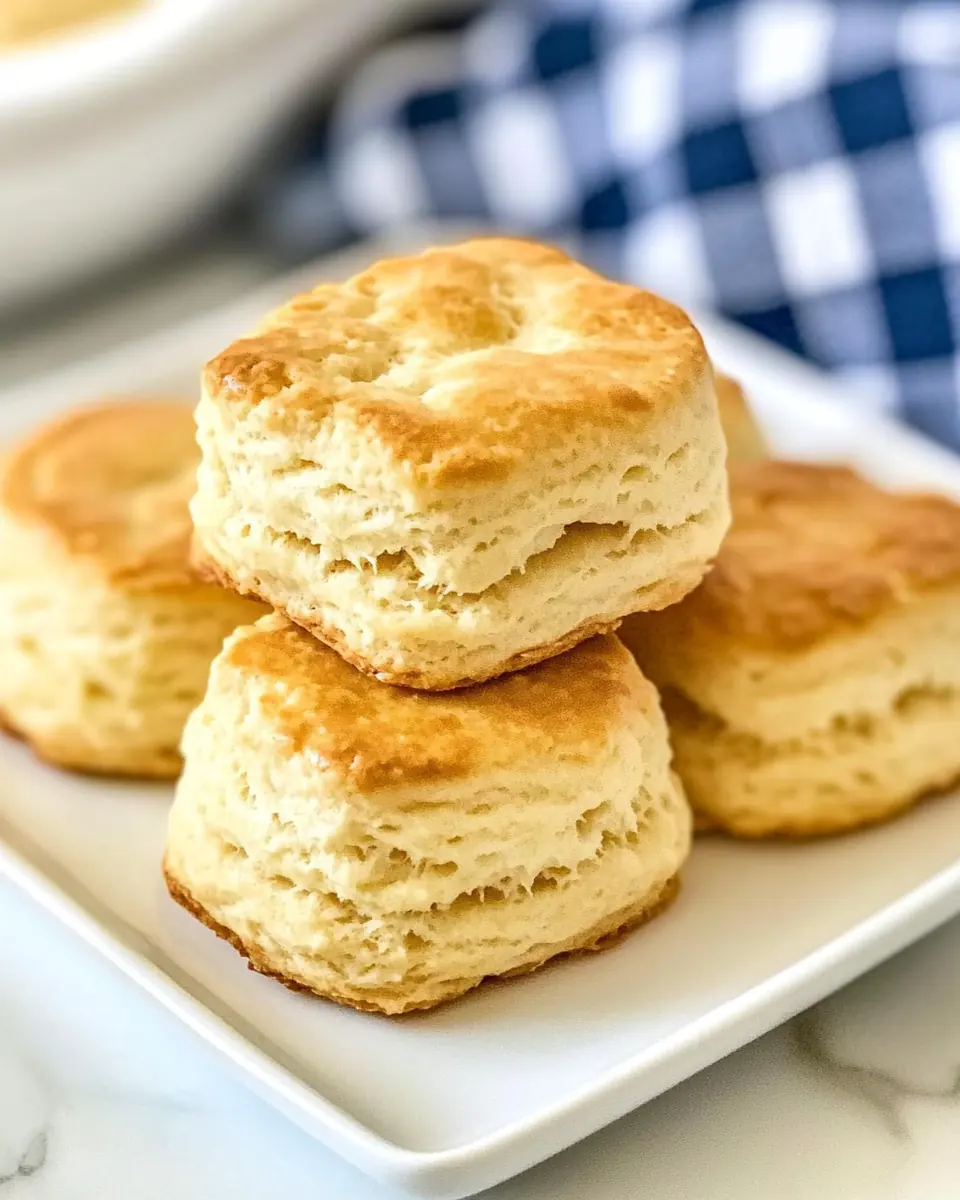
Place biscuits on the baking sheet. Bake for 10 to 12 minutes.: When the biscuits go into the oven, the heat quickly coagulates the outside while steam forms inside, and in minutes you will smell warm, toasty dairy and baked flour. Watch for the tops to turn a light golden brown and the sides to set, that visual cue signals they are ready. Avoid opening the oven repeatedly, which lets out heat and steam, slowing rise. If you under bake, interiors will be doughy, so trust the color and give them the full time needed for a tender, fully cooked center.