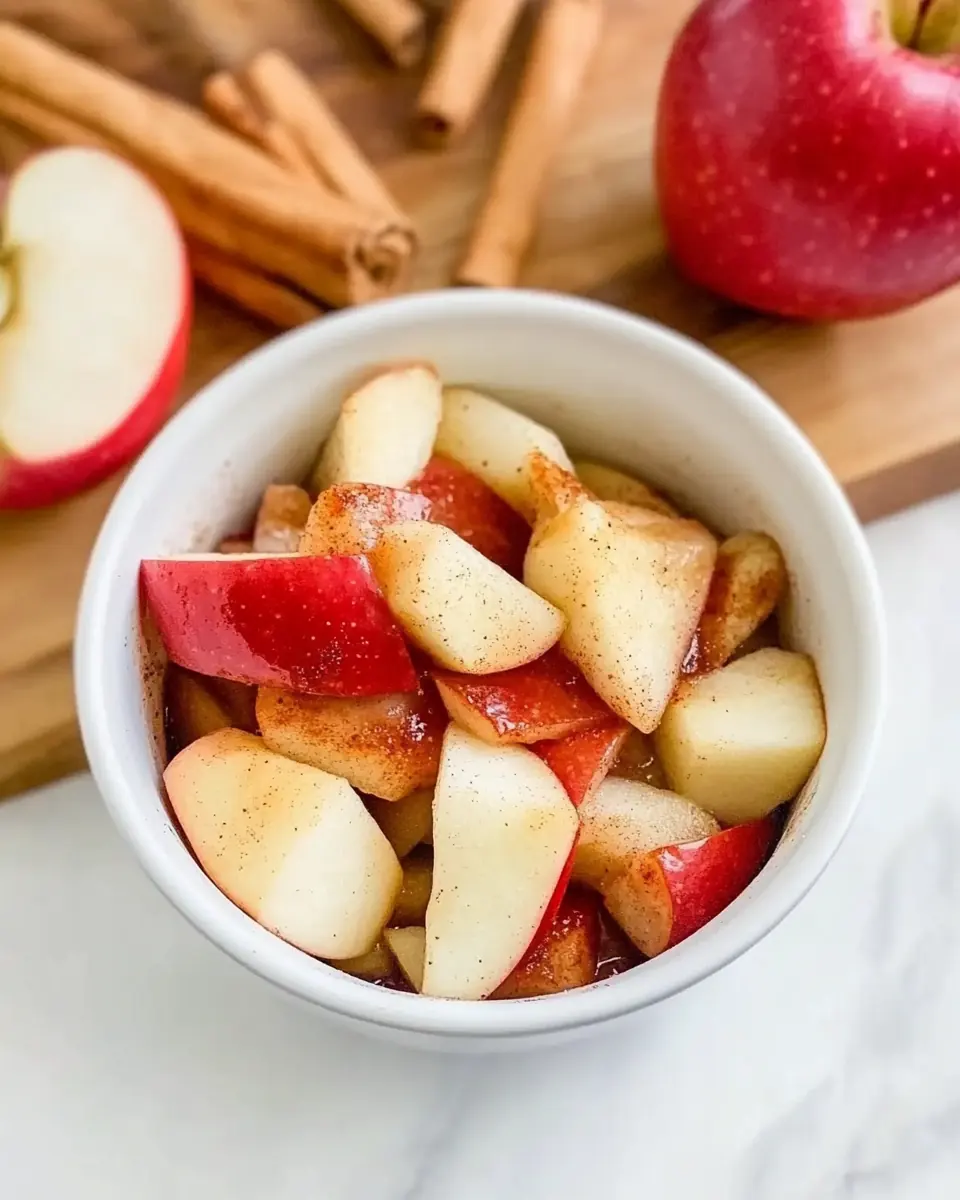
Gather all ingredients, and grease the air fryer tray or line it with air fryer liners. Peel the apples if desired, then chop them into small squares. Or chop into apple sticks or thinly sliced apple chips. Discard the cores and seeds. Toss the fruit in a bowl with the cinnamon, sweetener, and optional melted butter or oil. Preheat the air fryer to 400 F. Arrange the apples in a single layer on the greased tray. If your machine is small, it may be best to do this in two batches so as not to overcrowd the apples. Air fry for seven minutes. Open the door and shake to turn the cinnamon apples. Bake an additional eight minutes or until crispy and caramelized to your liking.: The first sensory cue you get is the scent of spices ready to mingle. Greasing the tray prevents sticking and helps the fruit brown. If you skip this, the apples can cling to the basket and tear when you try to turn them, so make sure the surface is lightly oiled or lined.
Peel the apples if desired, then chop them into small squares: The sound of a knife against the cutting board is satisfying and the visual of uniform cubes is important for even cooking. Smaller pieces will caramelize faster, while larger pieces stay juicier inside. A common mistake is uneven chopping which leads to a mix of burnt bits and underdone centers.
Or chop into apple sticks or thinly sliced apple chips: Thin slices will crisp more like chips, giving a different textural payoff with crackling edges and a sweet snap. Watch closely as thin slices can go from nicely browned to scorched in moments. Avoid crowding the basket when making chips, as steam will prevent crisping.
Discard the cores and seeds: Removing the core eliminates tough, bitter bits and leaves only the sweet, tender flesh to cook. The tactile step of coring and seeding ensures a pleasant eating experience. Forgetting to core can leave fibrous pieces that disrupt the texture.
Toss the fruit in a bowl with the cinnamon, sweetener, and optional melted butter or oil: At this stage you will notice the sugary glaze begin to coat the fruit, and the air will carry a warm spice note. Tossing ensures even coverage so each piece browns similarly. A frequent pitfall is uneven coating, leading to some slices browning more and others remaining pale.
Preheat the air fryer to 400 F: You should feel a rush of hot air once you open the preheated basket and see a faint steam. High heat promotes quick caramelization and helps achieve contrast between tender centers and crisp edges. Avoid placing cold apples into a cold basket, which causes prolonged cooking and soggy results.
Arrange the apples in a single layer on the greased tray: Visually, a single layer allows hot air to circulate and touch every surface, which is why the texture becomes beautifully caramelized. If apples overlap, steam will accumulate and the pieces will steam rather than crisp. The main mistake here is overcrowding which prevents proper browning.
If your machine is small, it may be best to do this in two batches so as not to overcrowd the apples: When you hear the air fryer hum at full speed, that is when it does its best work. Separate batches ensure each piece gets direct exposure to hot air, producing uniform color and texture. Trying to rush everything in one batch often produces uneven results.
Air fry for seven minutes: After this period you will notice the edges starting to color and the kitchen filling with cinnamon scented steam. This initial cook softens the fruit and begins the Maillard reaction with the sugars. A common error is leaving them in too long at this stage, which can overbrown before the centers soften.
Open the door and shake to turn the cinnamon apples: The noise of the pieces moving and the brief burst of aroma are satisfying cues that the dish is progressing. Shaking redistributes heat and ensures all sides get exposure, improving evenness. Be careful not to jostle aggressively, which can break delicate slices.
Bake an additional eight minutes or until crispy and caramelized to your liking: In these final minutes you will observe deepening color and a sticky glaze forming on the surface, signaling readiness. The texture will shift from taut and glossy to slightly crackly at the edges, and the smell will become richer, almost caramel like. Overcooking here is the main trap, so check early and often if you prefer a softer finish.