Whisk together flour, sugar, baking powder, cinnamon, and salt in a large bowl. Set aside.: You'll smell the warm aroma of cinnamon as you combine the dry ingredients, and the mixture should look even and pale with tiny specks of spice. This step creates an even distribution of leavening so pockets of rising agents do not form. Avoid vigorous mixing, which can make the final fritters tough. If you see clumps of flour or cinnamon , press them through a fine sieve or break them up gently with the whisk to ensure smooth batter later. A common mistake is skipping this dry mix, which can leave gritty or unevenly risen fritters; taking an extra minute here prevents that.
In a separate bowl, gently beat the eggs and milk together. Pour this into the dry mixture and stir until just combined. Fold in diced apples.: The sound here is quiet, a gentle whisking that blends the glossy eggs and milk . When you pour the wet into the dry, you should fold just until you no longer see streaks of flour . The batter will be slightly lumpy, studded with diced apple pieces that glint with fresh juice. This restrained mixing preserves tenderness; overmixing activates gluten and creates dense fritters. If the batter appears too dry and resists coming together, add a teaspoon of milk at a time until it loosens. Conversely, overly loose batter will spread too thinly when frying. A typical error is vigorous stirring that yields chewy fritters, so stop as soon as the dry ingredients are incorporated.
Heat the oil in a large pot to 375 degrees. Take care to monitor the temperature closely, if it's hotter, the outside of the fritters will cook too quickly, leaving the insides doughy. Carefully drop the batter by heaping spoonfuls into the hot oil. Do not overcrowd the pan, it's better to work in batches than to try and make these all at once. Depending on the thickness of your batter, you may want to flatten it out a little, so the fritter is not too thick. Cook to golden brown, approximately 2 minutes, then flip to cook the second side.: The oil should shimmer but not smoke, and when you test a small drop of batter it should sizzle steadily and float. As fritters fry, you will hear a gentle crackle and see the edges set, progressing to a deep golden brown. That color signals caramelization of sugars and Maillard reactions that build flavor. Watch for bubbling at the surface to slow, which indicates the center is cooking. Overcrowding reduces oil temperature, causing greasy, undercooked centers, so fry in small batches and adjust heat between rounds to maintain 375 degrees. A mistake I often see is frying at too low a temperature, which yields oil soaked fritters rather than crisp, light ones.
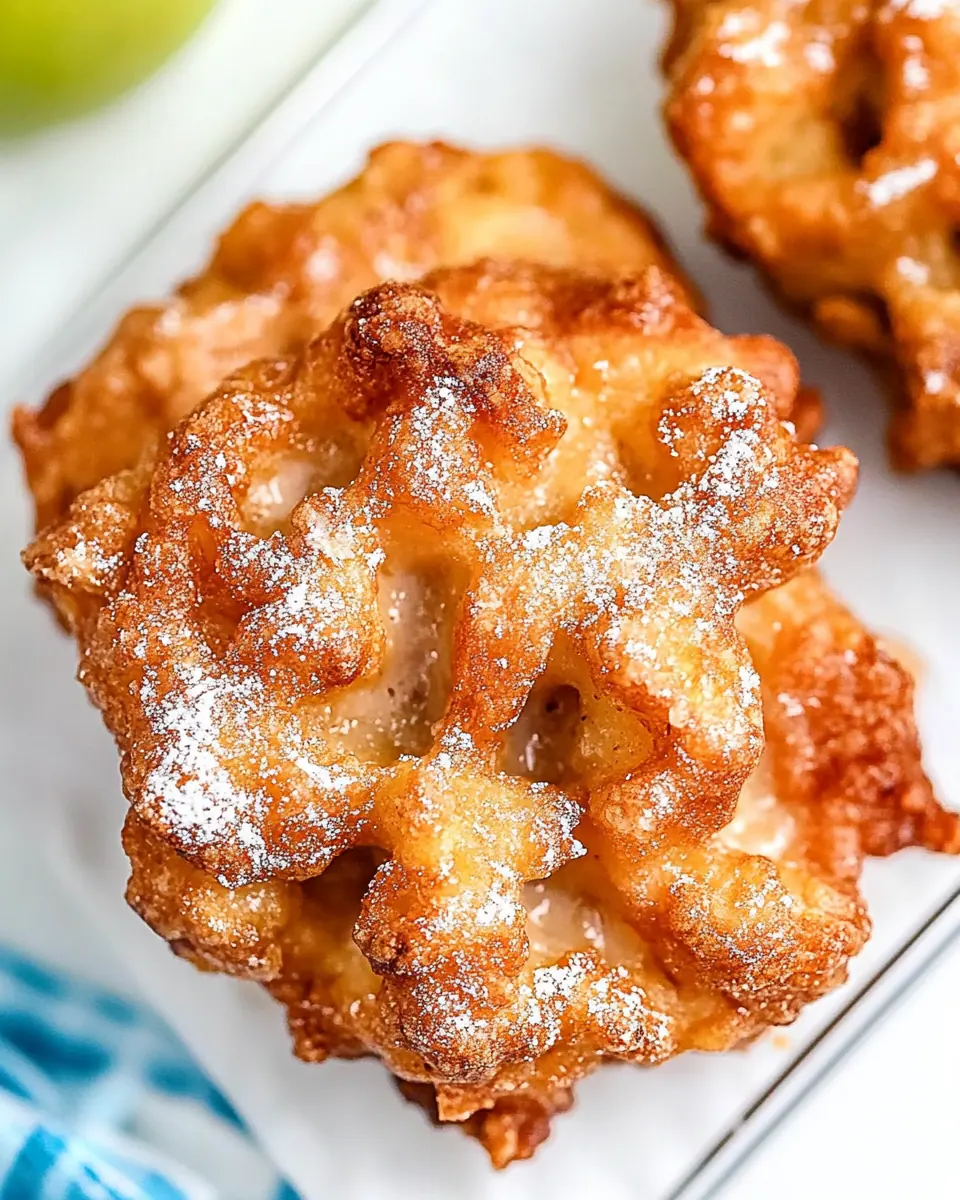
Remove each fritter as it is golden brown all over. The second side will likely take less time than the first. Transfer to a plate lined with paper towels or a baking rack over a cookie sheet.: When you lift a fritter from the oil, it should feel crisp and display an even golden hue. The aroma will be rich and inviting, with notes of cooked apple and warm cinnamon . Placing fritters on a rack preserves crispness by allowing air to circulate underneath, whereas paper towels will absorb excess oil but can steam the bottom if piled. If you notice soggy bottoms, move them to a rack and give them a minute to breathe. Avoid stacking while they are hot as trapped steam softens the exterior.
Prepare the glaze by whisking together powdered sugar, vanilla, and milk. Dip or drizzle glaze over each apple fritter then allow to cool slightly prior to serving.: The glaze should be smooth and glossy, falling in a silky ribbon from your whisk. As you coat the warm fritters, the glaze will set into a delicate shell that crackles slightly when bitten. The vanilla adds aromatic depth that complements the apple and cinnamon . If the glaze is too thick, add a teaspoon of milk to reach drizzling consistency; if it is too thin, add a touch more powdered sugar. A frequent problem is glazing while the fritters are too hot, which can make the glaze run off; let them cool just enough so the glaze clings.