Apple Fritters
Apple Fritters are one of those treats that take me right back to a chilly autumn morning at my grandmother’s kitchen table, where the air smelled of cinnamon and frying oil and we traded secrets over a steaming mug. I still remember the way the first fritter crackled as we bit into it, the glaze pooling on our fingers, and how a simple combination of flour, apples, and a few pantry staples could make everyone gather. That memory is what prompts me to make Apple Fritters anytime the leaves turn and I want a little warmth in my hands.
Another time I made these for a neighborhood bake sale, I learned that fritters are a forgiving project. They let you be a bit loose with measurements, and the result still sings when the apples are juicy and the batter is light. Over the years, I have played with apple varieties and oil temperatures, and through trial and error I’ve honed a method that gives reliably crisp exteriors and tender, apple studded centers. For me, serving Apple Fritters is as much about the ritual as the taste, the rhythm of scooping batter and frying batches while friends linger and chat nearby.
Recipe Snapshot
30 mins
15 mins
15 mins
Easy
250 kcal
American
Gluten-Free, Low FODMAP
Desserts
Large pot, Thermometer, Mixing bowls, Whisk, Slotted spoon or spider, Baking rack
What You’ll Enjoy About This Apple Fritters
They bring nostalgic comfort
I always find that Apple Fritters carry a nostalgic pull. When I bite into one, the blend of warm cinnamon and slightly tart apples evokes childhood mornings. That emotional tie makes them perfect for family gatherings and mornings when you want a small, joyful luxury.
Textural contrast is the star
One reason I love these fritters is the contrast between the crisp, golden exterior and the soft, chewy interior studded with pieces of apple. The right oil temperature gives you a shattering bite that reveals a tender crumb, and that interplay of textures keeps every mouthful interesting.
Simple ingredients, big flavor
With straightforward pantry items like flour, sugar, and a touch of cinnamon, plus fresh apples, you get a flavor profile that is layered and balanced. I appreciate that these fritters let the fruit shine while the glaze adds a creamy sweet finish that ties the whole thing together.
Flexible and forgiving technique
I find the recipe forgiving, which makes it approachable. You can vary apple types for different sweetness and texture, and the batter tolerates slight changes in liquid. If a batch needs a touch more milk to loosen it, that is fine. This flexibility gives me confidence when I make them for guests.
Great for sharing
Finally, Apple Fritters are inherently shareable. They come out in batches and invite people to gather around the fryer or platter, making them ideal for casual brunches and autumn celebrations. They are an easy way to create a warm, communal moment.
Apple Fritters Ingredients
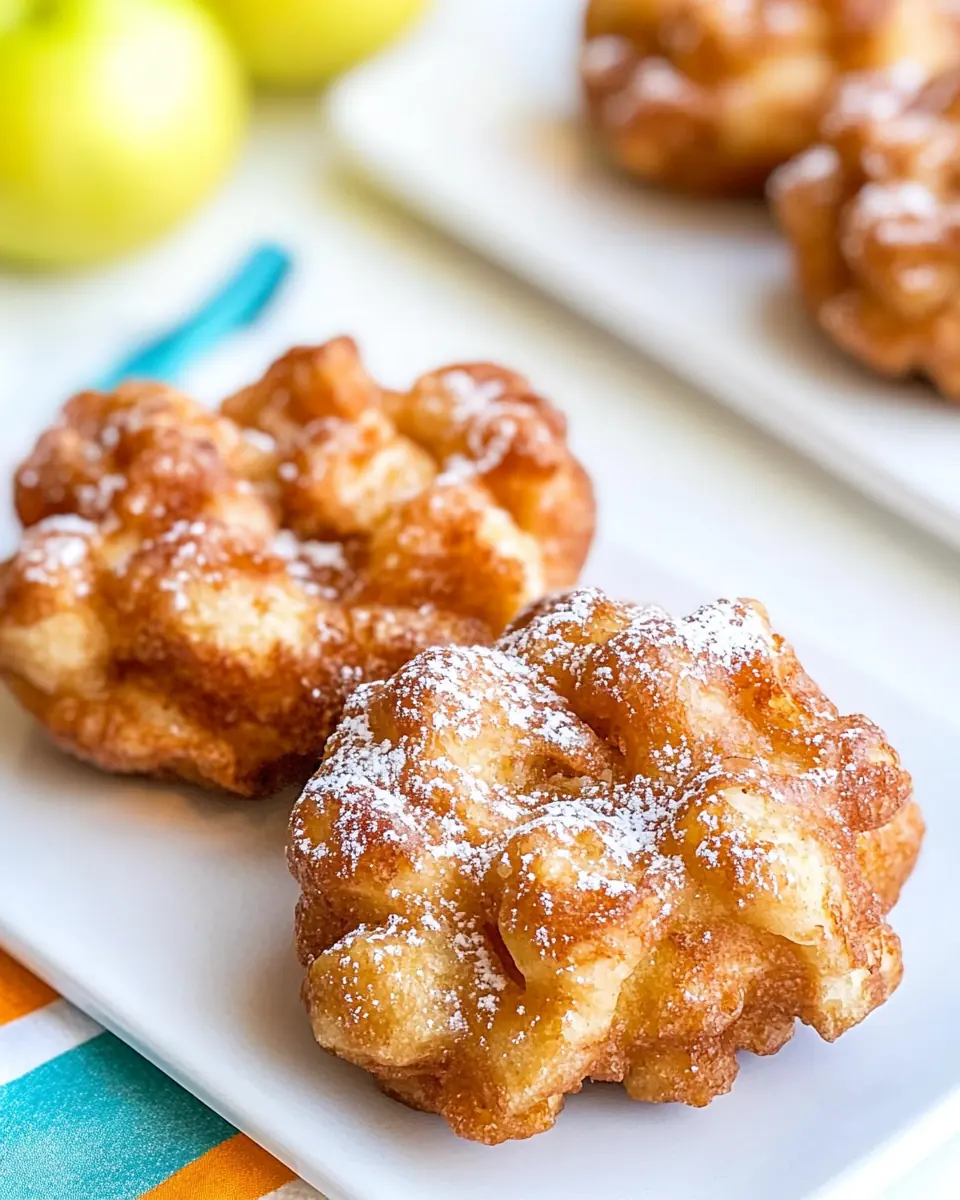
These ingredients are straightforward, and they work together to balance structure, flavor, and texture. The flour and leavening agents provide a light, cakey interior, while the apples add bursts of juiciness. Fat from frying gives the exterior its crispness, and the glaze wraps everything in a sweet, smooth finish. The key players are the fruit, the batter base, and the oil, each performing a distinct job to create the fritter experience.
- 1 cup all purpose flour: Provide structure and bulk to the batter, forming the gluten framework that holds fritters together; measure accurately for proper texture and avoid overmixing to prevent toughness.
- 3 tbsp granulated sugar: Add sweetness and aid in browning during frying, contributing to overall flavor balance; dissolve evenly into the dry ingredients for consistent taste.
- 2 tsp baking powder: Act as a leavening agent that creates lift and lightness in the fritters by releasing gas when heated; ensure even distribution with the flour to avoid dense pockets.
- 1 tsp ground cinnamon: Contribute warm, aromatic spice that complements the apples and enhances overall flavor; stir into the dry mix to distribute the spice evenly throughout the batter.
- 1/4 tsp salt: Enhance overall taste by balancing sweetness and activating leavening; incorporate with the dry ingredients so it dissolves uniformly in the batter.
- 2 large eggs: Provide richness, moisture, and binding to unite wet and dry components; beat lightly before mixing to ensure even incorporation and a tender crumb.
- 1/3 cup milk: Thin the batter to the desired consistency and add moisture for a lighter interior; use the specified amount and adjust slightly if batter is too thick.
- 2 3 Granny Smith apples, peeled, cored and diced into 1/4" size pieces approximately 2-3 cups: Provide tartness, texture, and moisture; peel, core, and dice into uniform pieces so they cook evenly and distribute fruit flavor throughout each fritter.
- 3 4 cups canola oil: Serve as the frying medium to produce a crisp, golden exterior while fully cooking the interior; maintain proper oil temperature and use enough oil for safe shallow or deep frying.
- 1 1/2 cups powdered sugar: Create a sweet glaze or dusting that adds finishing sweetness and a smooth, powdered texture; sift before mixing with liquid for a lump-free topping.
- 1 tsp vanilla extract: Add a fragrant, sweet flavor note to the glaze or batter and enhance overall aroma; mix with powdered sugar and milk to create a balanced glaze.
- 3 tbsp milk: Adjust glaze consistency to a smooth, pourable texture; add gradually until the powdered sugar reaches the desired thickness for coating fritters.
Step by Step Instructions for Apple Fritters
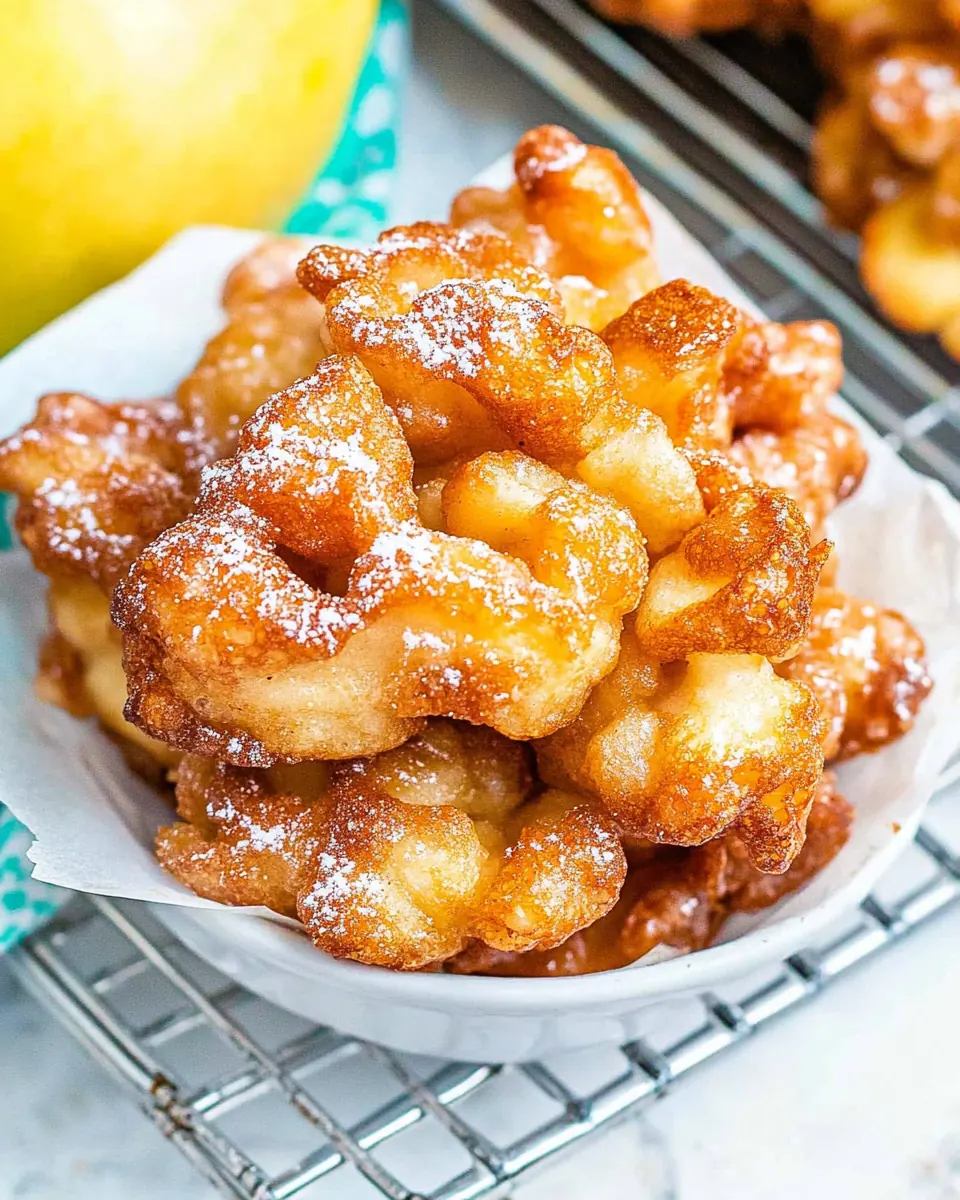
These instructions guide you through mixing, frying, and glazing with an emphasis on sensory cues and small checks to ensure success. I find that paying attention to texture and temperature is where most wins are earned, so take your time and savor the process.
- Whisk together flour, sugar, baking powder, cinnamon, and salt in a large bowl. Set aside.: You'll smell the warm aroma of cinnamon as you combine the dry ingredients, and the mixture should look even and pale with tiny specks of spice. This step creates an even distribution of leavening so pockets of rising agents do not form. Avoid vigorous mixing, which can make the final fritters tough. If you see clumps of flour or cinnamon , press them through a fine sieve or break them up gently with the whisk to ensure smooth batter later. A common mistake is skipping this dry mix, which can leave gritty or unevenly risen fritters; taking an extra minute here prevents that.
- In a separate bowl, gently beat the eggs and milk together. Pour this into the dry mixture and stir until just combined. Fold in diced apples.: The sound here is quiet, a gentle whisking that blends the glossy eggs and milk . When you pour the wet into the dry, you should fold just until you no longer see streaks of flour . The batter will be slightly lumpy, studded with diced apple pieces that glint with fresh juice. This restrained mixing preserves tenderness; overmixing activates gluten and creates dense fritters. If the batter appears too dry and resists coming together, add a teaspoon of milk at a time until it loosens. Conversely, overly loose batter will spread too thinly when frying. A typical error is vigorous stirring that yields chewy fritters, so stop as soon as the dry ingredients are incorporated.
- Heat the oil in a large pot to 375 degrees. Take care to monitor the temperature closely, if it's hotter, the outside of the fritters will cook too quickly, leaving the insides doughy. Carefully drop the batter by heaping spoonfuls into the hot oil. Do not overcrowd the pan, it's better to work in batches than to try and make these all at once. Depending on the thickness of your batter, you may want to flatten it out a little, so the fritter is not too thick. Cook to golden brown, approximately 2 minutes, then flip to cook the second side.: The oil should shimmer but not smoke, and when you test a small drop of batter it should sizzle steadily and float. As fritters fry, you will hear a gentle crackle and see the edges set, progressing to a deep golden brown. That color signals caramelization of sugars and Maillard reactions that build flavor. Watch for bubbling at the surface to slow, which indicates the center is cooking. Overcrowding reduces oil temperature, causing greasy, undercooked centers, so fry in small batches and adjust heat between rounds to maintain 375 degrees. A mistake I often see is frying at too low a temperature, which yields oil soaked fritters rather than crisp, light ones.
- Remove each fritter as it is golden brown all over. The second side will likely take less time than the first. Transfer to a plate lined with paper towels or a baking rack over a cookie sheet.: When you lift a fritter from the oil, it should feel crisp and display an even golden hue. The aroma will be rich and inviting, with notes of cooked apple and warm cinnamon . Placing fritters on a rack preserves crispness by allowing air to circulate underneath, whereas paper towels will absorb excess oil but can steam the bottom if piled. If you notice soggy bottoms, move them to a rack and give them a minute to breathe. Avoid stacking while they are hot as trapped steam softens the exterior.
- Prepare the glaze by whisking together powdered sugar, vanilla, and milk. Dip or drizzle glaze over each apple fritter then allow to cool slightly prior to serving.: The glaze should be smooth and glossy, falling in a silky ribbon from your whisk. As you coat the warm fritters, the glaze will set into a delicate shell that crackles slightly when bitten. The vanilla adds aromatic depth that complements the apple and cinnamon . If the glaze is too thick, add a teaspoon of milk to reach drizzling consistency; if it is too thin, add a touch more powdered sugar. A frequent problem is glazing while the fritters are too hot, which can make the glaze run off; let them cool just enough so the glaze clings.
Ways to Customize
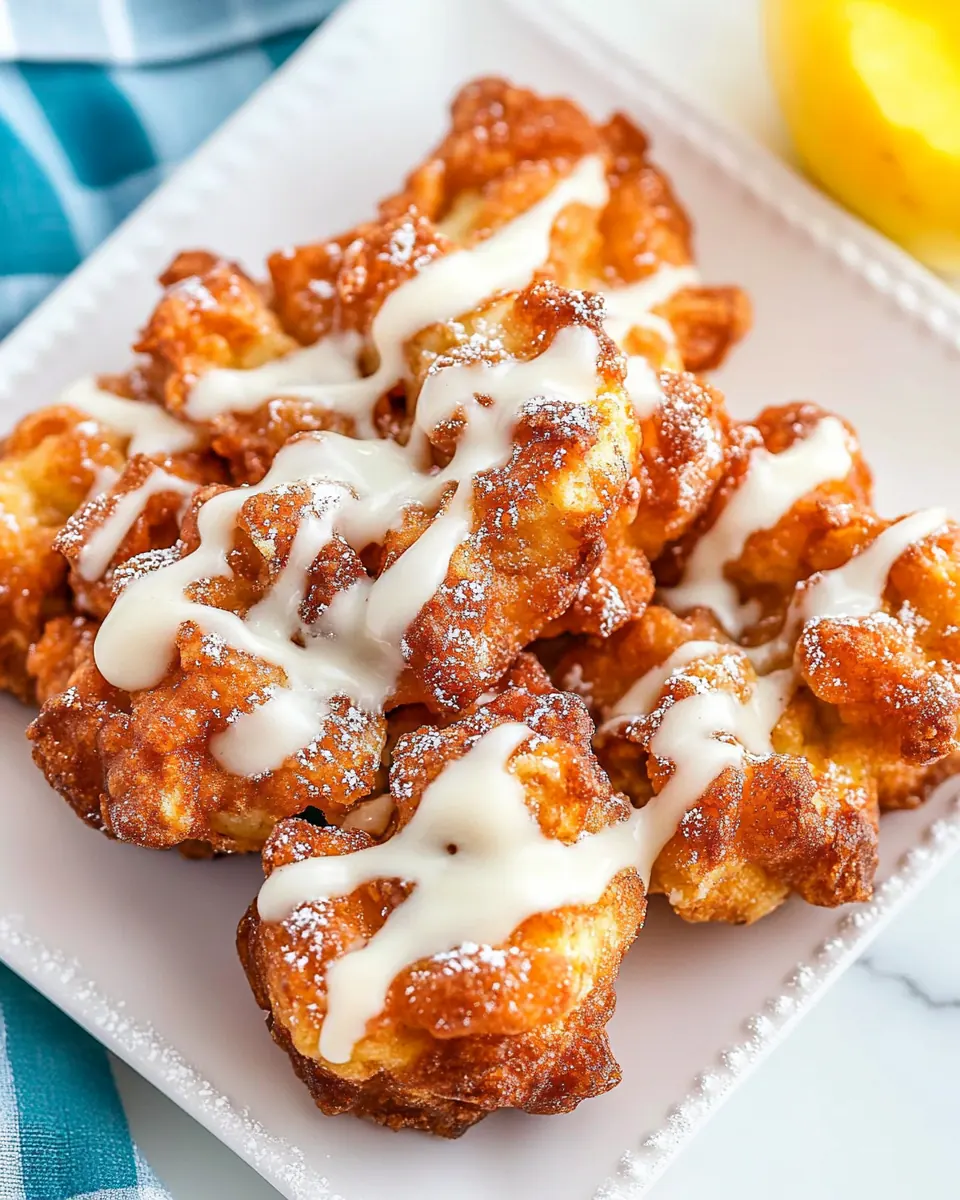
These customization ideas let you play with flavor and texture while staying true to what makes Apple Fritters so beloved. Use them as starting points rather than strict rules, and remember that small adjustments can yield deliciously different results.
- Try different apple varieties. Swap Granny Smith for Braeburn or Honeycrisp to vary sweetness and texture, adjusting sugar slightly if you choose a very sweet apple.
- Adjust the cinnamon level. Increase or decrease the cinnamon to suit your palate, or add a pinch of nutmeg for a warmer spice profile if you like.
- Make a thicker glaze. Use less milk when whisking with the powdered sugar to create a denser coat that holds on the fritter surface longer.
- Serve with a dipping sauce. Offer warmed apple butter or a light caramel drizzle for guests to dip, enhancing the fruit flavors without overpowering them.
- Control oil amount. Use enough canola oil to let fritters float, but strain and reuse oil carefully for another frying session if desired.
Accompaniments for Apple Fritters
These serving ideas help you plan how to present Apple Fritters whether for a cozy brunch or a festive fall gathering. Think about contrasts in temperature and texture, and choose accompaniments that complement the fritter’s warmth and sweetness.
- Serve warm with coffee or tea. A hot beverage contrasts the sweet fritter and enhances the spice notes, making mornings feel special.
- Pair with a fruit compote. A small spoonful of lightly spiced apple or pear compote adds freshness and works well for sharing at brunch.
- Offer chilled cream or yogurt on the side. A dollop of plain yogurt or lightly sweetened cream balances the fried richness with tang and coolness.
- Present on a platter for gatherings. Place fritters on a baking rack over a sheet and garnish with a light dusting of powdered sugar to keep them crisp and attractive for guests.
- Storage tips. Keep leftovers in an airtight container at room temperature for up to two days, refrigerate for up to seven days, or freeze for up to two months, reheating gently to revive crispness.
- Occasion pairing. These fritters are perfect for weekend brunches, fall festivals, school bake sales, or anytime you want a comforting sweet snack.
FAQ
Conclusion
Apple Fritters shine because they combine crisp, golden exteriors with tender, cinnamon spiced centers studded with real apple pieces. Give them a try on a cool morning or at your next brunch, and you will see why they become a quick favorite. The recipe is approachable, forgiving, and rewarding, offering both nostalgic comfort and a shareable treat that brings people together.
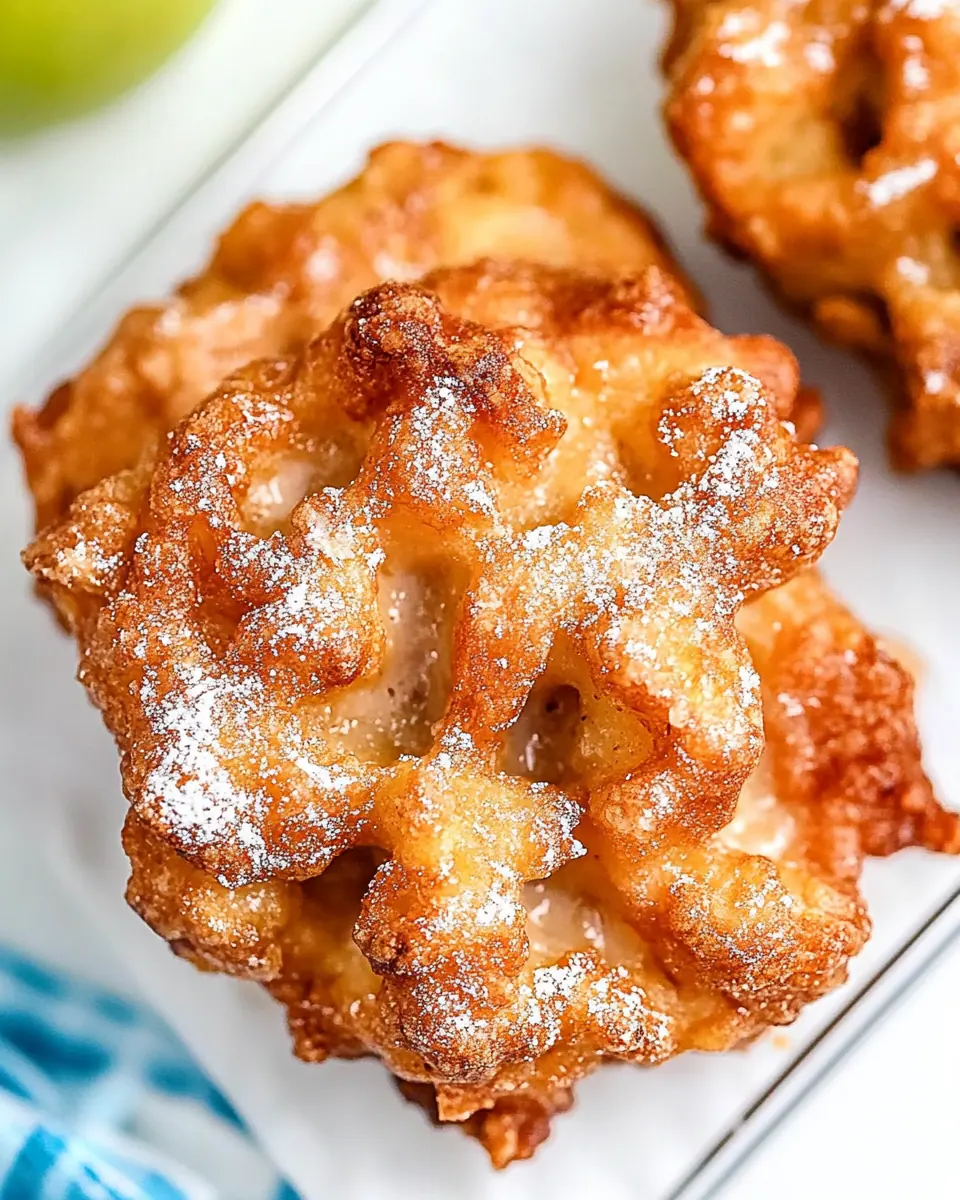
Apple Fritters
Ingredients
Equipment
Method
- Whisk together flour, sugar, baking powder, cinnamon, and salt in a large bowl. Set aside.: You'll smell the warm aroma of cinnamon as you combine the dry ingredients, and the mixture should look even and pale with tiny specks of spice. This step creates an even distribution of leavening so pockets of rising agents do not form. Avoid vigorous mixing, which can make the final fritters tough. If you see clumps of flour or cinnamon , press them through a fine sieve or break them up gently with the whisk to ensure smooth batter later. A common mistake is skipping this dry mix, which can leave gritty or unevenly risen fritters; taking an extra minute here prevents that.
- In a separate bowl, gently beat the eggs and milk together. Pour this into the dry mixture and stir until just combined. Fold in diced apples.: The sound here is quiet, a gentle whisking that blends the glossy eggs and milk . When you pour the wet into the dry, you should fold just until you no longer see streaks of flour . The batter will be slightly lumpy, studded with diced apple pieces that glint with fresh juice. This restrained mixing preserves tenderness; overmixing activates gluten and creates dense fritters. If the batter appears too dry and resists coming together, add a teaspoon of milk at a time until it loosens. Conversely, overly loose batter will spread too thinly when frying. A typical error is vigorous stirring that yields chewy fritters, so stop as soon as the dry ingredients are incorporated.
- Heat the oil in a large pot to 375 degrees. Take care to monitor the temperature closely, if it's hotter, the outside of the fritters will cook too quickly, leaving the insides doughy. Carefully drop the batter by heaping spoonfuls into the hot oil. Do not overcrowd the pan, it's better to work in batches than to try and make these all at once. Depending on the thickness of your batter, you may want to flatten it out a little, so the fritter is not too thick. Cook to golden brown, approximately 2 minutes, then flip to cook the second side.: The oil should shimmer but not smoke, and when you test a small drop of batter it should sizzle steadily and float. As fritters fry, you will hear a gentle crackle and see the edges set, progressing to a deep golden brown. That color signals caramelization of sugars and Maillard reactions that build flavor. Watch for bubbling at the surface to slow, which indicates the center is cooking. Overcrowding reduces oil temperature, causing greasy, undercooked centers, so fry in small batches and adjust heat between rounds to maintain 375 degrees. A mistake I often see is frying at too low a temperature, which yields oil soaked fritters rather than crisp, light ones.
- Remove each fritter as it is golden brown all over. The second side will likely take less time than the first. Transfer to a plate lined with paper towels or a baking rack over a cookie sheet.: When you lift a fritter from the oil, it should feel crisp and display an even golden hue. The aroma will be rich and inviting, with notes of cooked apple and warm cinnamon . Placing fritters on a rack preserves crispness by allowing air to circulate underneath, whereas paper towels will absorb excess oil but can steam the bottom if piled. If you notice soggy bottoms, move them to a rack and give them a minute to breathe. Avoid stacking while they are hot as trapped steam softens the exterior.
- Prepare the glaze by whisking together powdered sugar, vanilla, and milk. Dip or drizzle glaze over each apple fritter then allow to cool slightly prior to serving.: The glaze should be smooth and glossy, falling in a silky ribbon from your whisk. As you coat the warm fritters, the glaze will set into a delicate shell that crackles slightly when bitten. The vanilla adds aromatic depth that complements the apple and cinnamon . If the glaze is too thick, add a teaspoon of milk to reach drizzling consistency; if it is too thin, add a touch more powdered sugar. A frequent problem is glazing while the fritters are too hot, which can make the glaze run off; let them cool just enough so the glaze clings.
Notes
- Try different apple varieties. Swap Granny Smith for Braeburn or Honeycrisp to vary sweetness and texture, adjusting sugar slightly if you choose a very sweet apple.
- Adjust the cinnamon level. Increase or decrease the cinnamon to suit your palate, or add a pinch of nutmeg for a warmer spice profile if you like.
- Make a thicker glaze. Use less milk when whisking with the powdered sugar to create a denser coat that holds on the fritter surface longer.
- Serve with a dipping sauce. Offer warmed apple butter or a light caramel drizzle for guests to dip, enhancing the fruit flavors without overpowering them.
- Control oil amount. Use enough canola oil to let fritters float, but strain and reuse oil carefully for another frying session if desired.