Spray a 9 x 13-inch baking pan with cooking spray. Tear French bread into chunks, or cut into cubes, and evenly place in the pan.: As you prepare the pan, notice the faint metallic shine of the surface, and be sure the entire base and sides are evenly coated so the baked custard releases cleanly. This step prevents sticking, which can ruin the neat edges when you slice. A common mistake is skimping on coverage, so take a moment to spray the corners and use a pastry brush for extra peace of mind.
In a large bowl, mix together eggs, eggnog, sugar, vanilla extract, and nutmeg. Pour evenly over bread. Cover pan with saran wrap and store in the refrigerator for several hours or overnight.: The texture here matters, aim for bite sized pieces about one to two inches so the custard can soak through but still leave some structure. You should feel a mix of soft and slightly firm pieces as you press them into the pan, which helps the final bake hold together. Avoid pieces that are too small, they will collapse into a mushy texture instead of retaining the desirable custard pockets.
In a separate bowl, mix together flour, brown sugar, cinnamon, nutmeg, and salt. Add butter pieces and cut into the dry mixture using a fork or your hands. Combine until the mixture resembles sand with a few pea sized chunks. Cover and store mixture in the refrigerator.: As you whisk, the mixture will thicken and become glossy, releasing a warm, spiced aroma. Whisk until the yolks and whites are fully combined, about one to two minutes by hand. This creates a smooth custard that will evenly penetrate the bread; an unevenly mixed custard risks pockets of raw egg that throw off the texture.
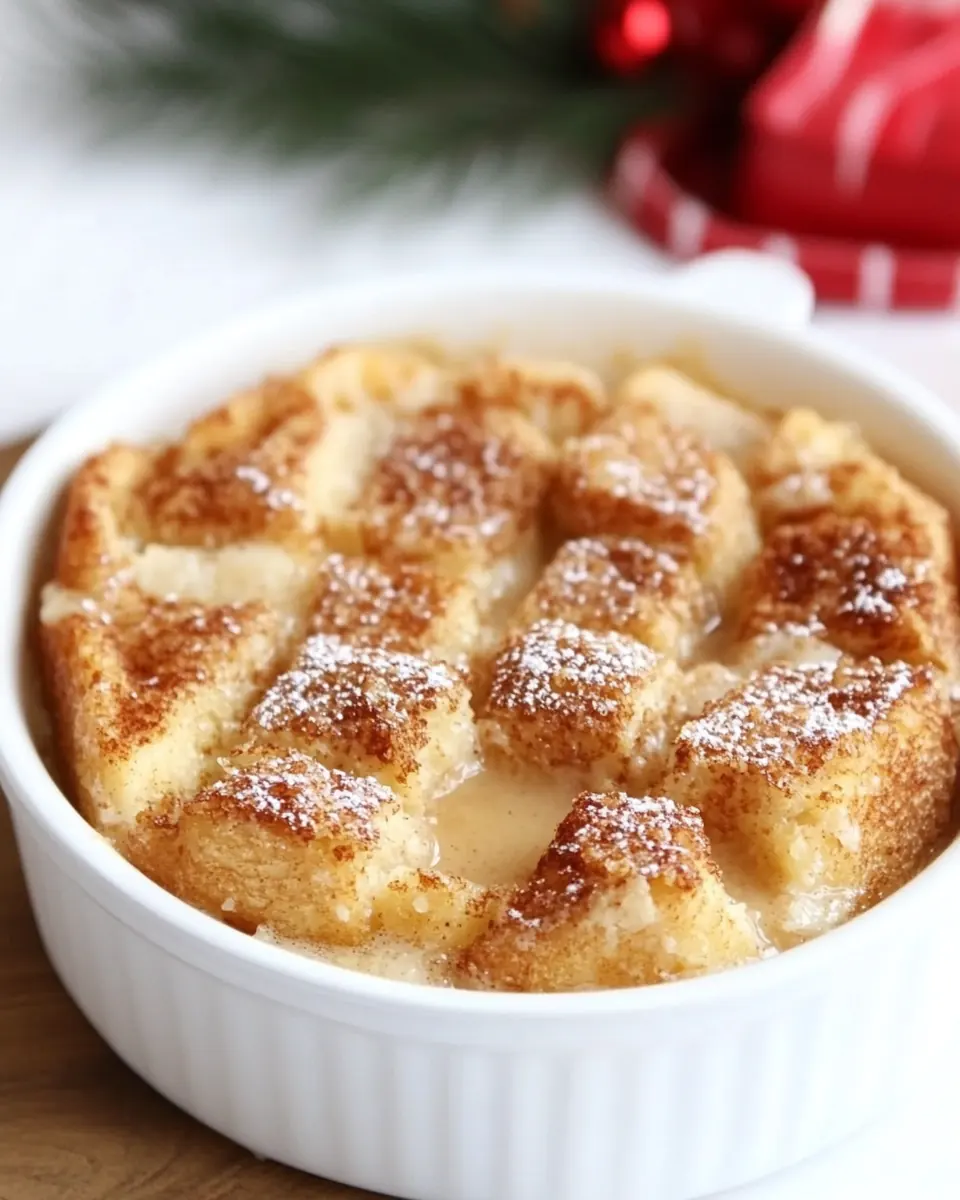
When you’re ready to bake the French toast, preheat oven to 350 degrees F. Remove French toast from refrigerator and sprinkle crumb mixture over the top. Bake for 45-55 minutes, or until the French toast is set and golden brown.: Pour slowly, moving around the pan so every piece gets coated; you should hear a soft splashing as the liquid settles and see the bread darken as it soaks. After pouring, press down gently with a spatula to encourage absorption. If you pour too quickly in one spot, the custard may pool and leave other areas under soaked.
Serve warm with maple syrup, if desired.: Chilling allows the custard to fully penetrate the bread, producing an evenly set center when baked. You will notice the bread become denser and the surface slightly glossy after refrigeration. Resist the urge to skip this; rushing to bake immediately often yields a center that is not fully set.
In a separate bowl, mix together flour, brown sugar, cinnamon, nutmeg, and salt: Combine until the dry ingredients are homogenous and you smell a sweet spice blend. This creates the base for a crumb topping that will crisp and brown in the oven. A common slip is under mixing, which can leave pockets of unmixed brown sugar that melt unevenly during baking.
Add butter pieces and cut into the dry mixture using a fork or your hands: Work quickly while the butter is cold so you form pea sized lumps; the contrast between small crumbs and tiny butter pockets is what becomes flaky, crunchy topping. The mixture should resemble coarse sand with a few pea sized bits. Warming the butter will make the crumbs greasy instead of flaky, so keep your hands cool or chill the bowl briefly if needed.
Combine until the mixture resembles sand with a few pea sized chunks: Test the texture by rubbing a bit between your fingers, you should feel coarse grains and small lumps that will bake into crisp pockets. This tactile check is important because the difference between gritty and sandy textures will change how the topping browns. Over working the mixture will dissolve butter pockets, leading to a flat, dense topping.
Cover and store mixture in the refrigerator: Chilling firms the butter and preserves the crumb structure until you are ready to bake; you will see the pieces hold their shape and feel cool to the touch. This pause is useful if you prepared the custard earlier, keeping the crumbs fresh. Leaving the crumbs at room temperature too long may soften the butter and reduce the crunch after baking.
When you’re ready to bake the French toast, preheat oven to 350 degrees F: Allowing the oven to fully reach temperature ensures even baking and proper browning. The preheat time gives the center the steady environment it needs to set without overcooking the edges. An oven that is not fully preheated can lengthen bake time and produce uneven texture.
Remove French toast from refrigerator and sprinkle crumb mixture over the top: As you spread the crumbs, press lightly so some adhere to the custard surface; you should hear a soft pat and see the topping cover the dish in an even layer. The crumbs will melt and brown into a golden crust, so uniform coverage helps with even caramelization. Piling crumbs in one spot risks soggy patches while other areas stay under crusted.
Bake for 45 to 55 minutes, or until the French toast is set and golden brown: During baking, watch for a deep golden color and slight bubbling at the edges as cues that the custard is set. The aroma will grow sweeter and spicier, filling the kitchen. If the top browns too quickly, tent with foil to avoid burning; conversely, if the center still jiggles after the time window, continue baking and check every five to seven minutes to avoid drying out.
Serve warm with maple syrup, if desired: Serving warm brings out the custard's creaminess and the crumb's buttery crunch; drizzle syrup just before serving so it soaks in without making the topping soggy. The contrast between hot interior and sticky syrup is delightful. A common error is stacking slices immediately, which traps steam and softens the crust, so give portions a moment to rest if you need to stack them for serving.