Baked Eggnog French Toast
Baked Eggnog French Toast was the kind of weekend treat that made my kitchen smell like the holidays before any decorations went up. I remember the first time I baked this for a sleepy Sunday brunch; the house felt cozy, the windows fogged, and I kept sneaking back to the oven to peek at that bubbling, golden top. The recipe felt nostalgic, like a warm memory on a plate, and it quickly became my go to when I wanted to make company feel instantly welcome.
Over the years I have tweaked small details, but the heart of the dish stays the same: thick slices of bread soaked in a creamy, spiced custard, topped with a buttery crumb and baked until deeply fragrant. Friends who normally say they do not eat breakfast have been known to swoop in for seconds. I love how the texture shifts from pillowy bread inside to a crisp, caramelized crust on top.
Recipe Snapshot
1 hr 15 mins
20 mins
55 mins
Medium
300 kcal
American
Gluten-Free, Low FODMAP
Breakfast
9 x 13 inch baking pan, Mixing bowls, Whisk, Fork or pastry cutter
Why This Baked Eggnog French Toast Hits Different
Comforting holiday flavors
I adore how Baked Eggnog French Toast captures the spices and sweetness of seasonal drinks, yet transforms them into something you can slice and serve. The nutmeg and eggnog combine to create a creamy, festive aroma that makes people pause and smile. When I serve this, the room fills with a scent that feels celebratory without being fussy.
Hands off prep, big payoff
One reason I love this recipe is the make ahead magic. You can soak the bread, refrigerate, and then just bake when guests arrive. That pause in the process lets me focus on company, not last minute scrambling. It is predictable and forgiving, which is a rare win in holiday cooking.
Textural contrast
The crumb topping brings an irresistible crunch that plays against the soft, custardy interior. I appreciate that contrast—it keeps each bite interesting and prevents the dish from feeling heavy. That little crunchy layer also browns beautifully, giving a caramelized note that lifts the other flavors.
Flexible and friendly
While I stick to the core ingredients, this recipe adapts to what I have on hand. It works with day old bread, and you can scale it up for a crowd. I often make it for festive brunches, and it handles well if you need to hold it warm for a short while before serving.
Perfect for sharing
There is something communal about serving a casserole that everyone can dig into. Baked Eggnog French Toast invites conversation, seconds, and that cozy contentment that follows a shared meal. It has become my reliable centerpiece when friends ask me to bring something special.
Ingredients Overview for Baked Eggnog French Toast
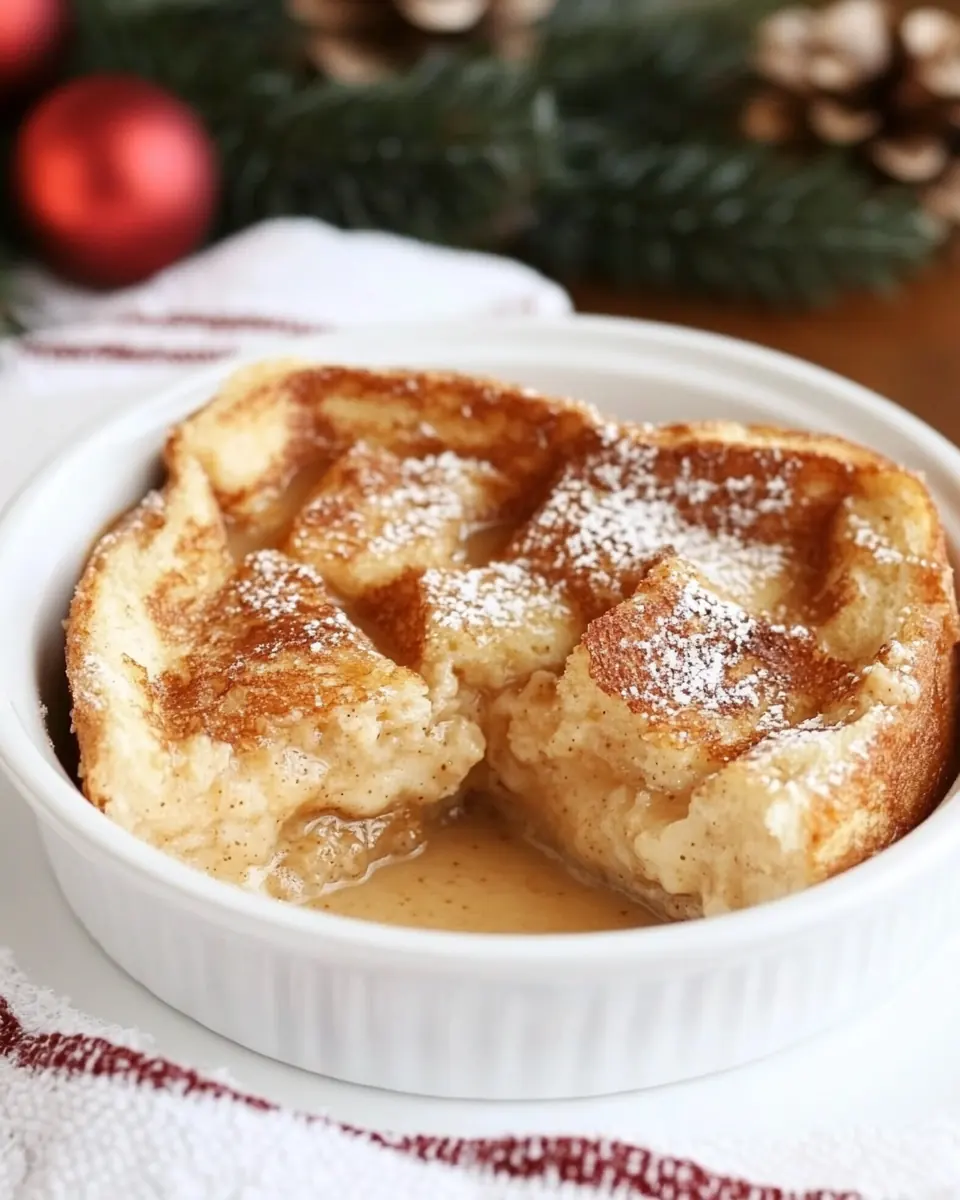
These ingredients form a simple but effective cast that produces a rich, spiced custard and a crunchy topping. The key players are the bread for structure, the eggs and eggnog for custard richness, and the crumb mixture for that toasty, buttery finish. Each item has a clear role, and together they create the balance of creamy interior and crisp topping I aim for.
- 1 loaf French Bread: Sliced and slightly stale to absorb custard; provides the main structure and rustic texture for the baked French toast overnight or during the soak to become tender yet hold its shape when baked.
- 6 large eggs: Whisked thoroughly to create a rich, protein-rich custard base; binds the liquid components and helps set the custard during baking for a custardy interior with a light, airy crumb.
- 2 1/2 cups eggnog: Poured into the egg mixture to infuse dairy richness and holiday flavor; contributes sweetness, creaminess, and an aromatic spiced note that elevates the custard and keeps the bread moist.
- 3/4 cups granulated sugar: Dissolved into the custard to add sweetness and help caramelize the bread edges; balances the richness of the eggs and dairy while promoting a golden, slightly crisp surface when baked.
- 2 tablespoons vanilla extract: Stirred into the custard to provide aromatic depth and enhance vanilla flavor; adds warm, familiar notes that complement the eggnog and balance the sweetness of the sugars.
- 1/2 teaspoon ground nutmeg: Sprinkled into the custard for warm, nutty spice; reinforces the seasonal flavor profile and pairs with cinnamon to create an inviting aroma and subtle spice on each bite.
- 1/2 cup all-purpose flour: Whisked with the dry sugar for a light coating option or used to thicken the custard slightly; helps create a tender crumb and can assist with a light crisping when combined with butter and sugars on top.
- 1/2 cup brown sugar: Layered or mixed into the topping to create a caramelized, chewy finish; offers deeper molasses flavor and helps form a pleasant brown sugar crust when baked with butter over the bread.
- 1 teaspoon cinnamon: Mixed into the topping or custard to provide warm, aromatic spice; complements nutmeg and enhances overall holiday flavors while contributing to the sweet-savory balance.
- 1/4 teaspoon ground nutmeg: Added in a smaller amount to the dish for a subtler nutmeg touch; refines the spiced profile and layers flavor without overpowering the custard’s creamy base.
- 1/4 teaspoons salt: Sprinkled sparingly into either the custard or topping to enhance overall flavor; helps balance sweetness and bring out other spices while supporting the dish’s flavor harmony.
- 1/2 cup cold butter cut into pieces: Cut into pieces and dotted over the assembled dish to melt into the topping; contributes richness, promotes browning, and helps create a glossy, buttery finish and tender crumb when baked.
- Maple syrup – for serving (optional): Served alongside the finished dish to add syrupy sweetness and moisture; pairs with the caramelized sugars and spices for pouring over individual portions if desired.
Cooking Instructions for Baked Eggnog French Toast
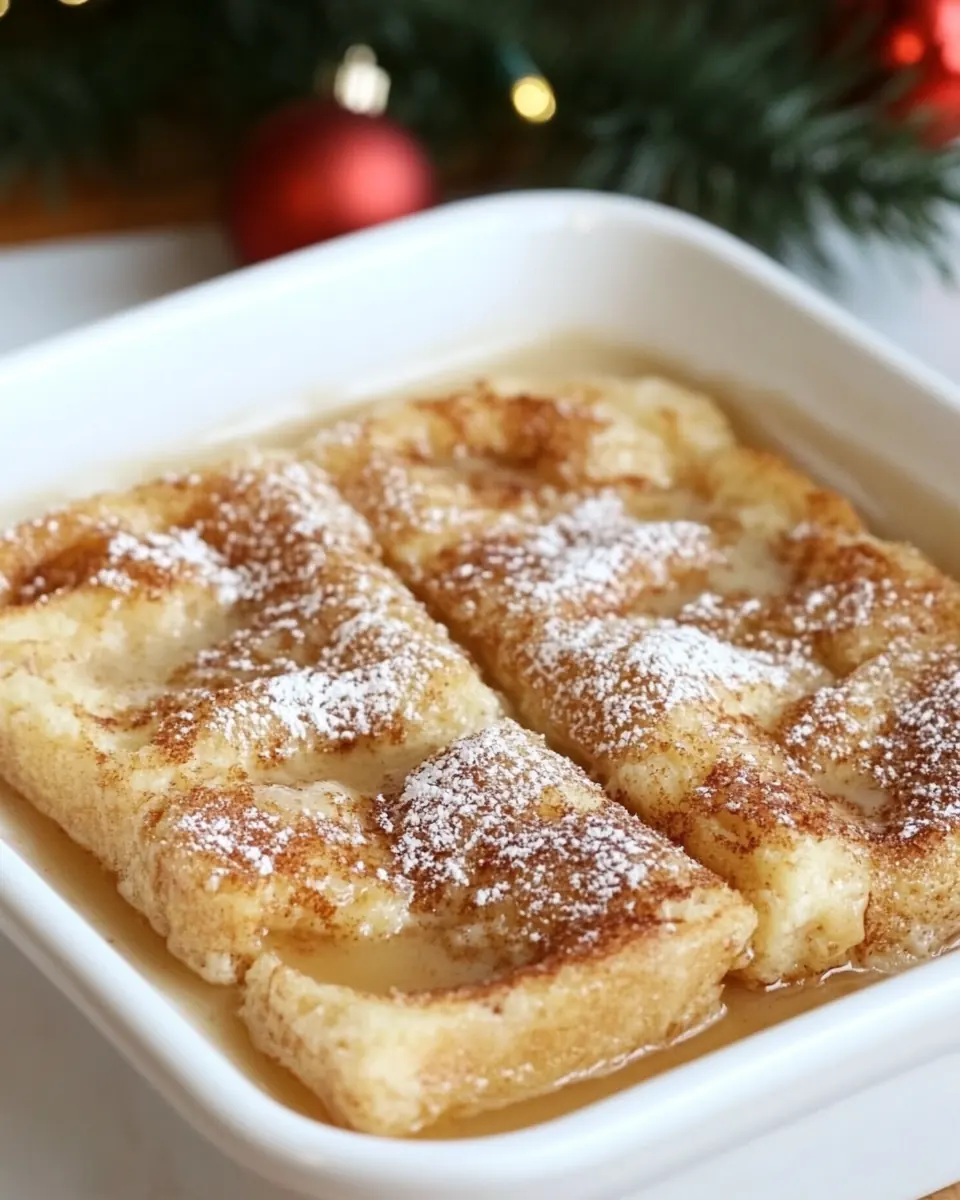
I love the simple ritual of assembling this dish, and then letting time do the work, while the oven turns everything into a golden, aromatic bake. Below I expand each direction into detailed, sensory rich guidance so you know exactly what to watch for at every stage.
- Spray a 9 x 13-inch baking pan with cooking spray. Tear French bread into chunks, or cut into cubes, and evenly place in the pan.: As you prepare the pan, notice the faint metallic shine of the surface, and be sure the entire base and sides are evenly coated so the baked custard releases cleanly. This step prevents sticking, which can ruin the neat edges when you slice. A common mistake is skimping on coverage, so take a moment to spray the corners and use a pastry brush for extra peace of mind.
- In a large bowl, mix together eggs, eggnog, sugar, vanilla extract, and nutmeg. Pour evenly over bread. Cover pan with saran wrap and store in the refrigerator for several hours or overnight.: The texture here matters, aim for bite sized pieces about one to two inches so the custard can soak through but still leave some structure. You should feel a mix of soft and slightly firm pieces as you press them into the pan, which helps the final bake hold together. Avoid pieces that are too small, they will collapse into a mushy texture instead of retaining the desirable custard pockets.
- In a separate bowl, mix together flour, brown sugar, cinnamon, nutmeg, and salt. Add butter pieces and cut into the dry mixture using a fork or your hands. Combine until the mixture resembles sand with a few pea sized chunks. Cover and store mixture in the refrigerator.: As you whisk, the mixture will thicken and become glossy, releasing a warm, spiced aroma. Whisk until the yolks and whites are fully combined, about one to two minutes by hand. This creates a smooth custard that will evenly penetrate the bread; an unevenly mixed custard risks pockets of raw egg that throw off the texture.
- When you’re ready to bake the French toast, preheat oven to 350 degrees F. Remove French toast from refrigerator and sprinkle crumb mixture over the top. Bake for 45-55 minutes, or until the French toast is set and golden brown.: Pour slowly, moving around the pan so every piece gets coated; you should hear a soft splashing as the liquid settles and see the bread darken as it soaks. After pouring, press down gently with a spatula to encourage absorption. If you pour too quickly in one spot, the custard may pool and leave other areas under soaked.
- Serve warm with maple syrup, if desired.: Chilling allows the custard to fully penetrate the bread, producing an evenly set center when baked. You will notice the bread become denser and the surface slightly glossy after refrigeration. Resist the urge to skip this; rushing to bake immediately often yields a center that is not fully set.
- In a separate bowl, mix together flour, brown sugar, cinnamon, nutmeg, and salt: Combine until the dry ingredients are homogenous and you smell a sweet spice blend. This creates the base for a crumb topping that will crisp and brown in the oven. A common slip is under mixing, which can leave pockets of unmixed brown sugar that melt unevenly during baking.
- Add butter pieces and cut into the dry mixture using a fork or your hands: Work quickly while the butter is cold so you form pea sized lumps; the contrast between small crumbs and tiny butter pockets is what becomes flaky, crunchy topping. The mixture should resemble coarse sand with a few pea sized bits. Warming the butter will make the crumbs greasy instead of flaky, so keep your hands cool or chill the bowl briefly if needed.
- Combine until the mixture resembles sand with a few pea sized chunks: Test the texture by rubbing a bit between your fingers, you should feel coarse grains and small lumps that will bake into crisp pockets. This tactile check is important because the difference between gritty and sandy textures will change how the topping browns. Over working the mixture will dissolve butter pockets, leading to a flat, dense topping.
- Cover and store mixture in the refrigerator: Chilling firms the butter and preserves the crumb structure until you are ready to bake; you will see the pieces hold their shape and feel cool to the touch. This pause is useful if you prepared the custard earlier, keeping the crumbs fresh. Leaving the crumbs at room temperature too long may soften the butter and reduce the crunch after baking.
- When you’re ready to bake the French toast, preheat oven to 350 degrees F: Allowing the oven to fully reach temperature ensures even baking and proper browning. The preheat time gives the center the steady environment it needs to set without overcooking the edges. An oven that is not fully preheated can lengthen bake time and produce uneven texture.
- Remove French toast from refrigerator and sprinkle crumb mixture over the top: As you spread the crumbs, press lightly so some adhere to the custard surface; you should hear a soft pat and see the topping cover the dish in an even layer. The crumbs will melt and brown into a golden crust, so uniform coverage helps with even caramelization. Piling crumbs in one spot risks soggy patches while other areas stay under crusted.
- Bake for 45 to 55 minutes, or until the French toast is set and golden brown: During baking, watch for a deep golden color and slight bubbling at the edges as cues that the custard is set. The aroma will grow sweeter and spicier, filling the kitchen. If the top browns too quickly, tent with foil to avoid burning; conversely, if the center still jiggles after the time window, continue baking and check every five to seven minutes to avoid drying out.
- Serve warm with maple syrup, if desired: Serving warm brings out the custard's creaminess and the crumb's buttery crunch; drizzle syrup just before serving so it soaks in without making the topping soggy. The contrast between hot interior and sticky syrup is delightful. A common error is stacking slices immediately, which traps steam and softens the crust, so give portions a moment to rest if you need to stack them for serving.
Recipe Notes about Baked Eggnog French Toast
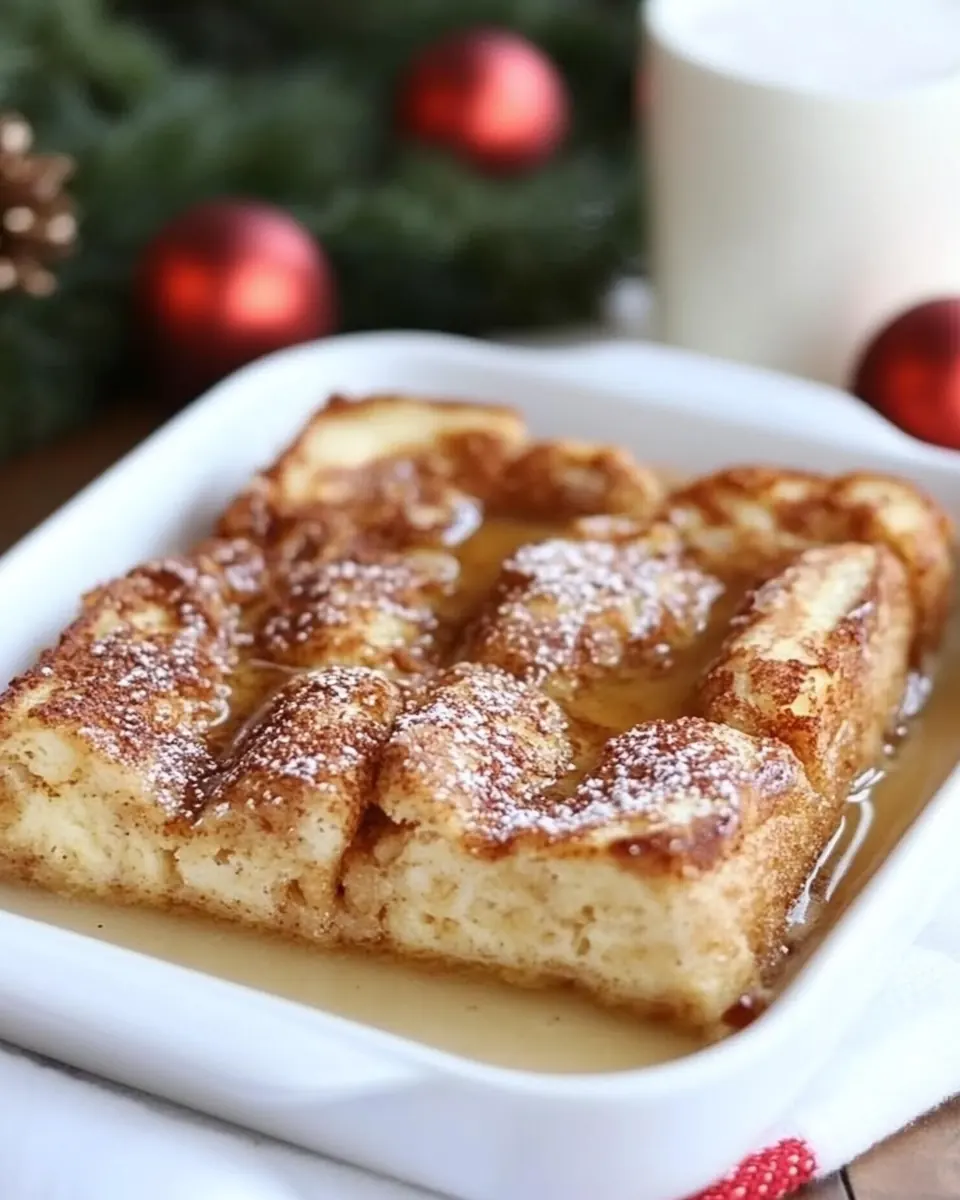
This recipe responds well to simple handling and a few reliable habits. Below I expand tips that I consistently use to get dependable texture and flavor, whether I am cooking for two or a dozen.
- Choose your bread wisely, I prefer a dense French Bread that can hold up to soaking; if your loaf is too soft, toast cubes slightly first so they do not disintegrate.
- Soak time matters, refrigerating the assembled pan for several hours or overnight develops a custard interior that is evenly set and flavorful, do not rush this step for best results.
- Cold butter for the crumb, keeping the butter cold when cutting into the dry mix yields a crisp topping, use a pastry cutter or fork and avoid overworking it.
- Even crumb distribution, spread the crumble in an even layer and press gently so it makes contact with the custard, this encourages uniform browning and flavor.
- Watch the oven toward the end, bake until a toothpick in the center comes out clean and the top is golden brown, cover with foil if browning too quickly to protect the interior.
Perfect Matches for Baked Eggnog French Toast
This dish is a natural centerpiece for relaxed holiday mornings and celebratory brunches. Below are serving ideas, pairings, and storage strategies that help you present it beautifully and keep leftovers tasting fresh.
- Serve with warm maple syrup to bring sweetness and shine, drizzle sparingly so the crumb stays crisp and each bite has a balance of sweet and spiced custard.
- Offer fresh fruit on the side such as sliced apples or citrus segments to cut through richness and add bright acidity that complements the eggnog spices.
- Perfect for holiday brunch when you want a make ahead main that looks impressive, pair with simple beverages and let guests help themselves.
- Short term storage, cool completely then cover and refrigerate for up to three days, reheat gently in a low oven to restore crispness to the topping.
- Freezing tip, portion into airtight containers and freeze for up to one month, thaw overnight and reheat slowly to avoid drying the custard.
- Occasion fit, ideal for winter gatherings and Christmas mornings when seasonal spices make an immediate festive impression.
FAQ
Conclusion
Baked Eggnog French Toast stands out for its cozy holiday flavors and the delightful contrast between a creamy center and a buttery, crunchy topping. It is forgiving to assemble ahead, scales well for company, and reliably evokes that warm seasonal feeling. I hope this encourages you to give it a try, whether for a festive brunch or a relaxed weekend breakfast. Try it once for the aroma alone, and you will likely find it becomes a cherished recipe for winter mornings and celebrations.
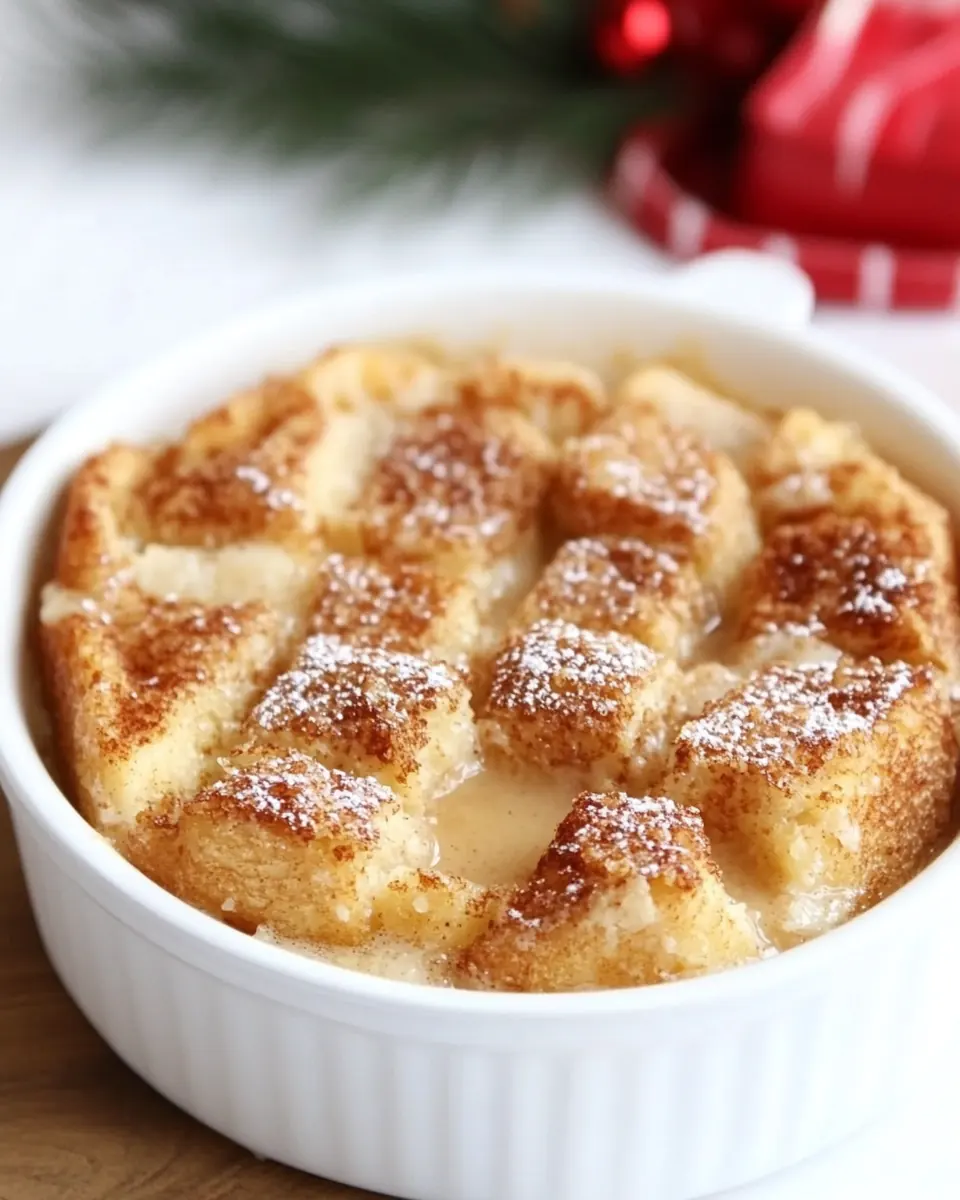
Baked Eggnog French Toast
Ingredients
Equipment
Method
- Spray a 9 x 13-inch baking pan with cooking spray. Tear French bread into chunks, or cut into cubes, and evenly place in the pan.: As you prepare the pan, notice the faint metallic shine of the surface, and be sure the entire base and sides are evenly coated so the baked custard releases cleanly. This step prevents sticking, which can ruin the neat edges when you slice. A common mistake is skimping on coverage, so take a moment to spray the corners and use a pastry brush for extra peace of mind.
- In a large bowl, mix together eggs, eggnog, sugar, vanilla extract, and nutmeg. Pour evenly over bread. Cover pan with saran wrap and store in the refrigerator for several hours or overnight.: The texture here matters, aim for bite sized pieces about one to two inches so the custard can soak through but still leave some structure. You should feel a mix of soft and slightly firm pieces as you press them into the pan, which helps the final bake hold together. Avoid pieces that are too small, they will collapse into a mushy texture instead of retaining the desirable custard pockets.
- In a separate bowl, mix together flour, brown sugar, cinnamon, nutmeg, and salt. Add butter pieces and cut into the dry mixture using a fork or your hands. Combine until the mixture resembles sand with a few pea sized chunks. Cover and store mixture in the refrigerator.: As you whisk, the mixture will thicken and become glossy, releasing a warm, spiced aroma. Whisk until the yolks and whites are fully combined, about one to two minutes by hand. This creates a smooth custard that will evenly penetrate the bread; an unevenly mixed custard risks pockets of raw egg that throw off the texture.
- When you’re ready to bake the French toast, preheat oven to 350 degrees F. Remove French toast from refrigerator and sprinkle crumb mixture over the top. Bake for 45-55 minutes, or until the French toast is set and golden brown.: Pour slowly, moving around the pan so every piece gets coated; you should hear a soft splashing as the liquid settles and see the bread darken as it soaks. After pouring, press down gently with a spatula to encourage absorption. If you pour too quickly in one spot, the custard may pool and leave other areas under soaked.
- Serve warm with maple syrup, if desired.: Chilling allows the custard to fully penetrate the bread, producing an evenly set center when baked. You will notice the bread become denser and the surface slightly glossy after refrigeration. Resist the urge to skip this; rushing to bake immediately often yields a center that is not fully set.
- In a separate bowl, mix together flour, brown sugar, cinnamon, nutmeg, and salt: Combine until the dry ingredients are homogenous and you smell a sweet spice blend. This creates the base for a crumb topping that will crisp and brown in the oven. A common slip is under mixing, which can leave pockets of unmixed brown sugar that melt unevenly during baking.
- Add butter pieces and cut into the dry mixture using a fork or your hands: Work quickly while the butter is cold so you form pea sized lumps; the contrast between small crumbs and tiny butter pockets is what becomes flaky, crunchy topping. The mixture should resemble coarse sand with a few pea sized bits. Warming the butter will make the crumbs greasy instead of flaky, so keep your hands cool or chill the bowl briefly if needed.
- Combine until the mixture resembles sand with a few pea sized chunks: Test the texture by rubbing a bit between your fingers, you should feel coarse grains and small lumps that will bake into crisp pockets. This tactile check is important because the difference between gritty and sandy textures will change how the topping browns. Over working the mixture will dissolve butter pockets, leading to a flat, dense topping.
- Cover and store mixture in the refrigerator: Chilling firms the butter and preserves the crumb structure until you are ready to bake; you will see the pieces hold their shape and feel cool to the touch. This pause is useful if you prepared the custard earlier, keeping the crumbs fresh. Leaving the crumbs at room temperature too long may soften the butter and reduce the crunch after baking.
- When you’re ready to bake the French toast, preheat oven to 350 degrees F: Allowing the oven to fully reach temperature ensures even baking and proper browning. The preheat time gives the center the steady environment it needs to set without overcooking the edges. An oven that is not fully preheated can lengthen bake time and produce uneven texture.
- Remove French toast from refrigerator and sprinkle crumb mixture over the top: As you spread the crumbs, press lightly so some adhere to the custard surface; you should hear a soft pat and see the topping cover the dish in an even layer. The crumbs will melt and brown into a golden crust, so uniform coverage helps with even caramelization. Piling crumbs in one spot risks soggy patches while other areas stay under crusted.
- Bake for 45 to 55 minutes, or until the French toast is set and golden brown: During baking, watch for a deep golden color and slight bubbling at the edges as cues that the custard is set. The aroma will grow sweeter and spicier, filling the kitchen. If the top browns too quickly, tent with foil to avoid burning; conversely, if the center still jiggles after the time window, continue baking and check every five to seven minutes to avoid drying out.
- Serve warm with maple syrup, if desired: Serving warm brings out the custard's creaminess and the crumb's buttery crunch; drizzle syrup just before serving so it soaks in without making the topping soggy. The contrast between hot interior and sticky syrup is delightful. A common error is stacking slices immediately, which traps steam and softens the crust, so give portions a moment to rest if you need to stack them for serving.
Notes
- Choose your bread wisely, I prefer a dense French Bread that can hold up to soaking; if your loaf is too soft, toast cubes slightly first so they do not disintegrate.
- Soak time matters, refrigerating the assembled pan for several hours or overnight develops a custard interior that is evenly set and flavorful, do not rush this step for best results.
- Cold butter for the crumb, keeping the butter cold when cutting into the dry mix yields a crisp topping, use a pastry cutter or fork and avoid overworking it.
- Even crumb distribution, spread the crumble in an even layer and press gently so it makes contact with the custard, this encourages uniform browning and flavor.
- Watch the oven toward the end, bake until a toothpick in the center comes out clean and the top is golden brown, cover with foil if browning too quickly to protect the interior.