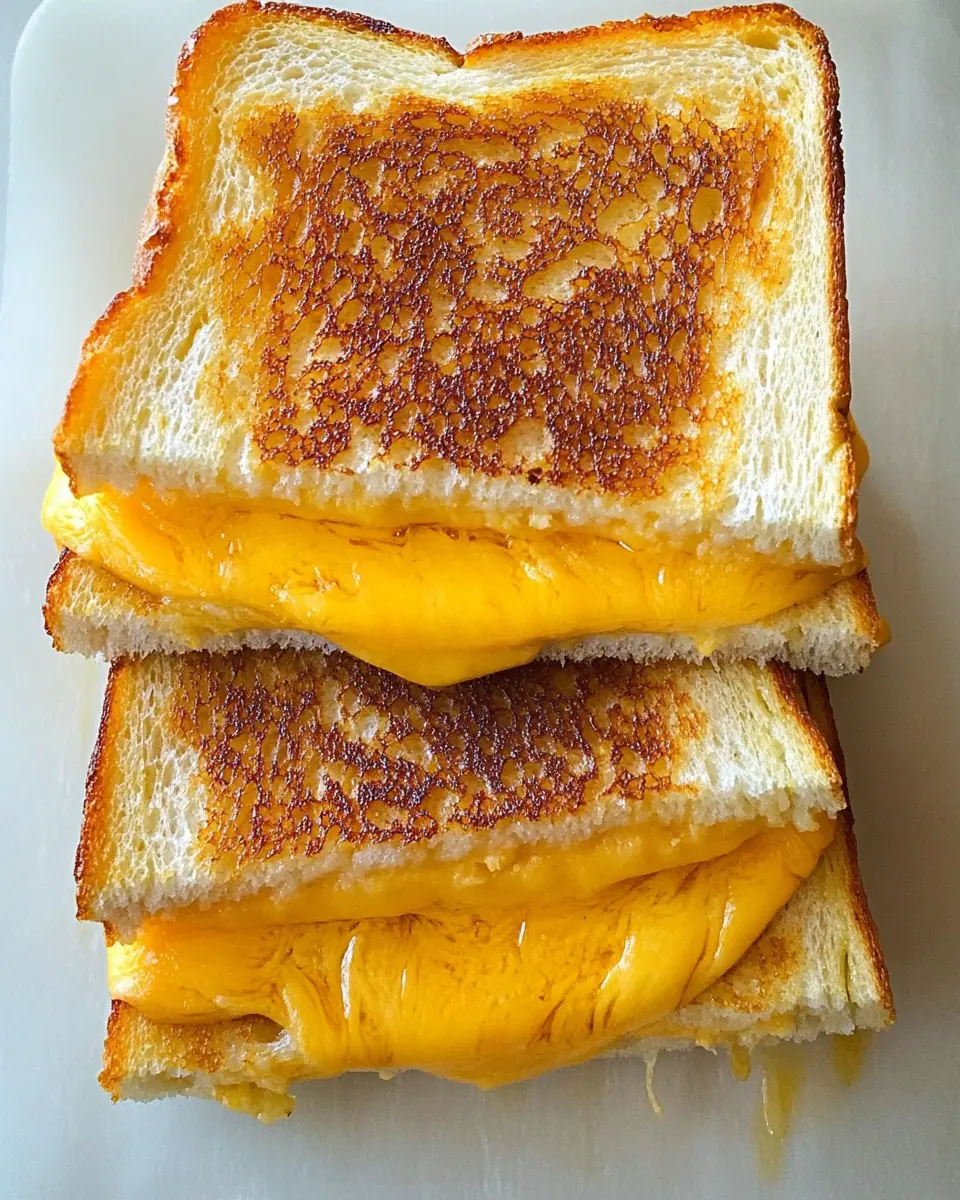
Spread butter – Preheat the oven to 400°F. Spread the softened butter over one side of half your bread slices (about 1 teaspoon of butter per slice) and place them butter side down on a rimmed baking sheet.: The oven will greet the sandwich with a warm, toasty scent as the butter browns, and you should hear a faint sizzling when the slices first hit the hot sheet. Soft butter spreads evenly across the surface, which is why room temperature is key; if the butter is too cold it will tear the bread , and if it is too melted it will pool on the pan. When spreading, take a moment to evenly coat the entire face so the crust crisps uniformly. A common mistake is applying too much butter, which leads to greasy patches, so aim for about 1 teaspoon per slice as a visual guide. The reason this step matters is that the butter promotes Maillard browning and separates the bread from direct heat, producing that coveted golden crunch.
Top each slice of bread with a slice of cheddar, a slice of mozzarella, and another slice of cheddar. Spread the remaining butter over the remaining slices of bread and place the slices on top of the cheese, butter side up.: As you layer the cheeses, you will notice the colors and textures changing, with the pale mozzarella nestled between the deeper orange of cheddar . The cheeses should sit flat, leaving a small border to prevent overflow. Expect a gentle milky aroma from the mozzarella and a sharper tang from the cheddar , which together form a balanced flavor profile. Press lightly to compact the layers so the cheeses heat through evenly, and avoid overstuffing since excess filling can ooze during baking. The purpose of this layering is to combine meltability and flavor while keeping structural integrity so the sandwich slices don t separate when flipped.
Bake for 10 minutes, flipping about halfway through, until both sides are golden brown.: When you add the top slice, you will feel a slight resistance as the buttered side becomes the exterior that will brown. The buttered exterior should glisten but not drip; this sheen helps the crust brown to a uniform shade while contributing a crisp snap when you bite in. Keep movement minimal after assembling so the cheese layers stay aligned. One mistake is assembling too early and letting moisture from the cheddar or mozzarella soften the bread before baking, so assemble just before the oven to maintain crispness. This step ensures both surfaces brown and the interior heats evenly rather than creating a single hot spot.
Bake for 10 minutes flipping about halfway through until both sides are golden brown: As the tray goes into the oven at 400°F, you will immediately notice a warm, toasty smell that intensifies as the butter browns and the cheese melts. The edges should begin to take on a rich golden color within the first few minutes; this is your visual cue. When you flip the sandwiches halfway through, listen for a light crackle as the crust makes contact with the hot sheet, and glance for bubbling cheese along seams which indicates interior melt. Avoid leaving them too long, which can make the cheese separate and the bread overly dark; flip gently to prevent contents from spilling. This timing matters because it achieves a balance between a deeply browned exterior and a luxuriously melted center, delivering both texture and flavor in one cohesive bite.