Preheat the oven to 400 degrees F. Spray a regular muffin tin with non-stick cooking spray or line with muffin liners.: You should notice a warm, dry heat beginning to fill the oven, which primes the interior for an initial burst of lift. This intense heat helps set the muffin edges quickly so they can rise without collapsing, creating a domed top. A common mistake is not allowing the oven to fully preheat, which can leave muffins dense and underbaked. Also take care when positioning the rack in the center so heat circulates evenly.
In a large bowl, beat the egg, brown sugar, yogurt, milk, applesauce, honey, and vanilla and mix until well combined.: The tin will feel slightly warm to the touch after preheating, but spraying or lining ensures the muffins release cleanly. The surface of the tin should appear evenly coated or the liners should sit flat, which prevents sticking and tearing. Skipping this step often causes muffins to cling and break apart when removed, so be generous with the coating or use liners for foolproof removal.
Mash the bananas until no chunks remain. Add to mixture.: As you whisk, the mixture should look smooth and uniform, with the sugar partially dissolved and faint bubbles forming around the edge. This emulsification distributes moisture and sweetness evenly throughout the batter, which supports consistent crumb and flavor. Overworking the mixture is less of a concern here, but under-mixing can leave pockets of undissolved sugar or unevenly dispersed wet ingredients, so stir until homogenous.
In a separate bowl combine the dry ingredients: flour, baking soda, baking powder, salt, cinnamon, and oats.: The texture should be almost creamy with tiny flecks, and the aroma will become noticeably sweet and fruity. Smoothly mashed banana ensures even moisture distribution and prevents large pockets that could cause uneven baking. A common error is leaving large chunks, which create wet spots and uneven texture; use a fork or potato masher to achieve a consistent mash.
Add the flour mixture to the wet ingredients and stir just until combined. (Don't over-mix!): Once combined with the wet bowl, you'll notice the batter take on a more uniform scent and thinner consistency. This step allows the mashed banana to meld with the tangy yogurt and sweeteners, which creates a cohesive flavor profile. If the batter seems unusually thick, a splash of the measured milk will smooth the texture; conversely, if it feels too loose, check that dry ingredients were measured correctly.
Spoon the mixture evenly into the muffin tins, filling each cup all the way to the top.: flour, baking soda, baking powder, salt, cinnamon, and oats : The dry mix will appear uniform in color and texture, with the oats visible among the flour. Sifting or whisking these together evens out the leaveners and prevents clumping, which is crucial for even rise. Failing to mix the dry ingredients well can create pockets of leavening or salt that lead to bitter or unevenly risen muffins.
Bake at 400 degrees F for about 5 minutes and then reduce heat to 350 degrees and cook for another 12-14 minutes or until a toothpick inserted in the center comes out clean.: The batter should show streaks of flour disappearing as you fold, ultimately becoming slightly lumpy but uniform without dry pockets. The reason for gentle mixing is to avoid developing too much gluten from the whole wheat flour , which would make the muffins tough. Overmixing is the most common misstep here, leading to dense, rubbery muffins, so stop when the last traces of flour vanish.
Spoon the mixture evenly into the muffin tins, filling each cup all the way to the top: You will see a thick batter that holds shape when scooped, and filling to the top encourages a tall rise and a golden top. Filling unevenly causes inconsistent baking times and varied dome heights, so I use an ice cream scoop or a measuring cup to portion batter uniformly. Avoid underfilling, which yields small, flat muffins, and overfilling, which can cause overflow and sticky oven messes.
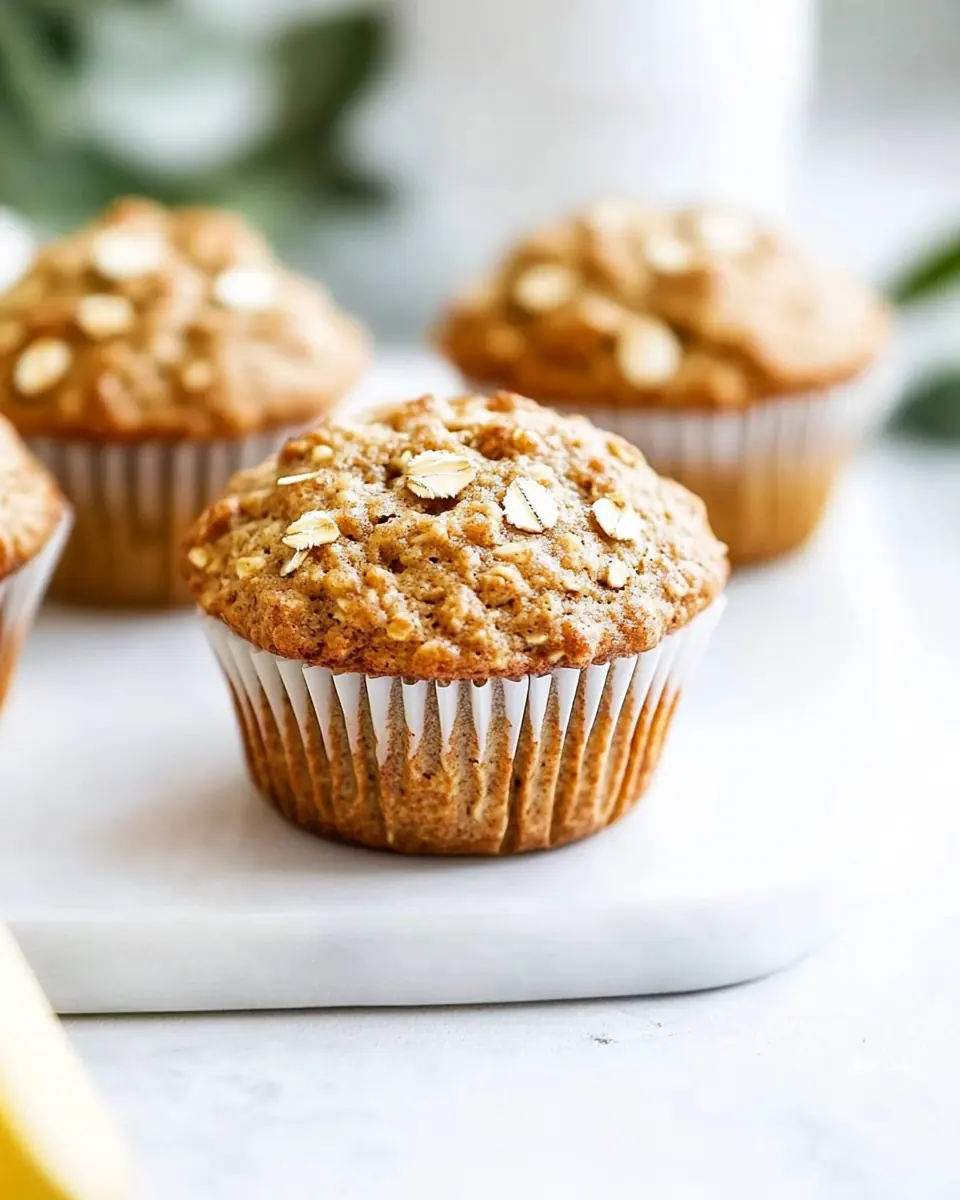
Bake at 400 degrees F for about 5 minutes and then reduce heat to 350 degrees and cook for another 12 to 14 minutes or until a toothpick inserted in the center comes out clean: You will notice a rapid lift in the first few minutes, followed by steady browning as the temperature lowers. The initial high heat encourages a domed top, and the reduced temperature finishes baking without overbrowning. If the tops brown too quickly, tent them with foil; if they remain pale and the centers seem unset, bake a few minutes longer. Checking with a toothpick is the best signal of doneness; it should come out with a few moist crumbs but not raw batter.