Banana Oat Muffins
Banana Oat Muffins have been my go to when I need something that feels like a warm hug and eats like breakfast and a snack all at once. The first time I made these I was juggling a sleepy weekend morning and a very ripe bunch of bananas, and the smell of oats and cinnamon pulled everyone into the kitchen before the timer even went off.
I remember standing at the counter, stirring the batter while the morning light warmed the countertop, thinking how a handful of pantry staples can yield something satisfying and honest. There is a simplicity to Banana Oat Muffins that I appreciate, they are forgiving, forgiving in texture and flavor, and perfect for customizing later on.
These muffins have saved more than one rushed weekday breakfast for me. I love making a batch on Sunday and tucking them into a container for busy mornings. When I pull one out, steam rises and the aroma of banana and cinnamon makes the kitchen feel like a tiny bakery. They travel well, they freeze well, and they always disappear fast.
What keeps me coming back is how the texture strikes the balance between tender and substantial. Every bite of Banana Oat Muffins has a touch of chew from the oats and a gentle sweetness from the banana and honey. I like to savor the crusty top while it is still warm, and later, the muffin becomes a comforting midday nibble. These moments are why I keep the recipe handwritten in my notebook and why I hope you enjoy the simple ritual of making them as much as I do.
Recipe Snapshot
25 mins
10 mins
15 mins
Medium
180 kcal
American
Gluten-Free, Vegan
Breakfast
Muffin Tin
Why We Love This Banana Oat Muffins
They are reliably simple
I adore how Banana Oat Muffins come together with minimal fuss. You can whisk the wet ingredients in one bowl and mix the dry in another, which keeps cleanup quick and the process relaxed. For busy mornings, that low stress matters more than fancy technique.
Comforting flavor with wholesome texture
These muffins pair the creamy sweetness of ripe banana with the rustic chew of oats. The result is a mouthfeel that is both tender and hearty, comforting but not heavy, so they work for breakfast or a snack.
Flexible and forgiving
I find the recipe forgiving when measurements are a bit loose. Whether your banana is extra ripe or only moderately soft, the muffins adapt. That makes them perfect for bakers who want reliable success without strict precision.
Great for batch cooking and freezing
Because these muffins freeze beautifully, they become a practical recipe I reach for when I want prepared breakfasts. Freeze extras and you can microwave a muffin for seconds when you need a quick warm bite.
Nutritious without feeling preachy
With whole wheat flour and oats front and center, these muffins deliver fiber and substance while still tasting like an everyday treat. I appreciate that they sit comfortably in both the indulgent and the sensible camp.
What Goes Into Banana Oat Muffins
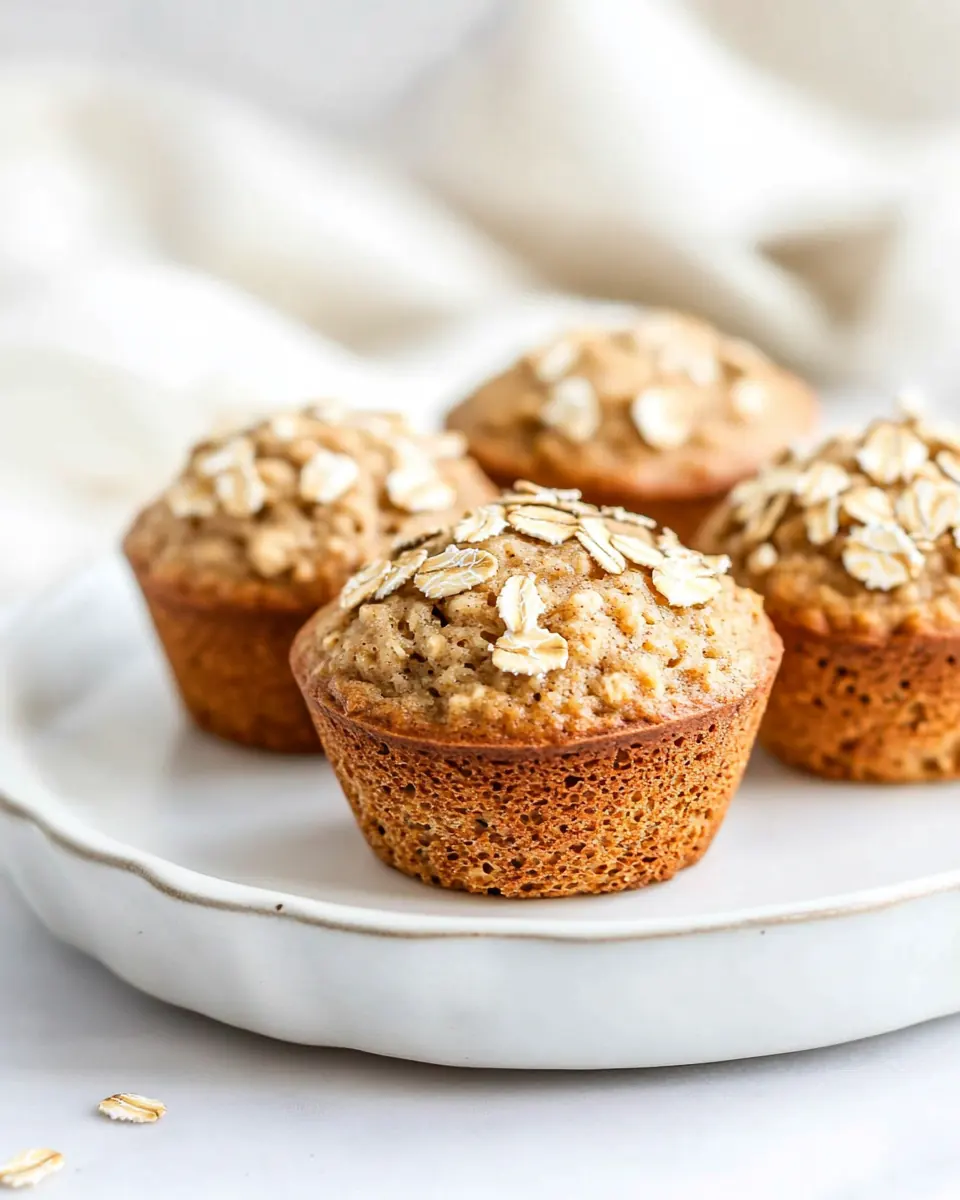
I like to think of the ingredient list as a small team where each player has a clear role. The mashed banana provides moisture and natural sweetness, the whole wheat flour and oats contribute structure and chew, and the combination of yogurt and applesauce keeps the crumb tender without adding too much oil. Together they make a muffin that feels substantial yet soft.
- 1 large egg: Beaten lightly to provide structure and bind ingredients together, contributing to the muffin's lift and tender crumb. Adds moisture and helps emulsify fats and liquids for even texture and browning.
- 1/2 cup light brown sugar (110 g): Measured and creamed or stirred to add sweetness and a subtle molasses note, helping to tenderize the crumb. Contributes to moisture retention and enhances overall flavor depth in the batter.
- 1/2 cup plain Greek yogurt (123 g): Added to lend creaminess and tang, improving moisture and creating a tender, cakey texture. Supplies protein that helps with structure while balancing sweetness and acidity in the batter.
- 1/3 cup milk (80 mL), or dairy-free milk: Poured in to thin the batter for proper consistency and provide additional moisture; can be swapped for dairy–free milk for lactose-free versions. Affects final crumb softness and helps hydrate the flour and oats.
- 1/2 cup unsweetened applesauce (120 g): Spoon-measured to replace some fat and sugar while keeping muffins moist, adding natural fruit sweetness. Enhances tenderness and yields a lower-fat option that still produces soft muffins.
- 2 tablespoons honey (43 g): Stirred in to boost sweetness and add a floral or distinctive honey flavor, helping with browning and moisture. Acts as a humectant, retaining softness in the baked muffins.
- 1 1/2 teaspoons vanilla extract (7.5 mL): Added for aromatic flavor that enhances other ingredients, providing a warm vanilla note that rounds out sweetness. Small amount intensifies overall taste without altering texture.
- 1 cup mashed banana (240 g), about 2 large bananas: Mashed thoroughly to supply natural sweetness, moisture, and flavor, contributing to tender crumb and banana character. Provides bulk and helps bind ingredients while reducing need for added fats.
- 1 1/2 cups whole wheat flour (173 g): Sifted or measured to provide whole-grain structure and nuttier flavor, contributing fiber and denser crumb than white flour. Works with leaveners to create rise while keeping muffins hearty and nutritious.
- 1 teaspoon baking soda (5 g): Sprinkled in to react with acidic components and produce carbon dioxide, aiding initial rise and lightness in the crumb. Helps neutralize some acidity from yogurt and banana for balanced flavor.
- 2 teaspoons baking powder (10 g): Added to offer additional leavening power for lift and a light, airy texture, complementing baking soda for proper rise. Ensures muffins reach desired height and tender crumb during baking.
- 1/2 teaspoon salt (3 g): Measured to enhance flavor balance and control sweetness, also helping strengthen gluten for structure. Small amount prevents flat or overly sweet results and supports proper leavening action.
- 1 teaspoon ground cinnamon (2.6 g): Sprinkled in to contribute warm, aromatic spice that complements banana and oats, enhancing perceived sweetness. Adds subtle complexity and depth to the muffin's flavor profile.
- 1 cup quick oats (90 g): Folded in to provide chewiness, texture, and whole-grain flavor while absorbing moisture for structure. Contributes fiber and helps create a satisfying, hearty mouthfeel in each muffin.
Cooking Method for Banana Oat Muffins
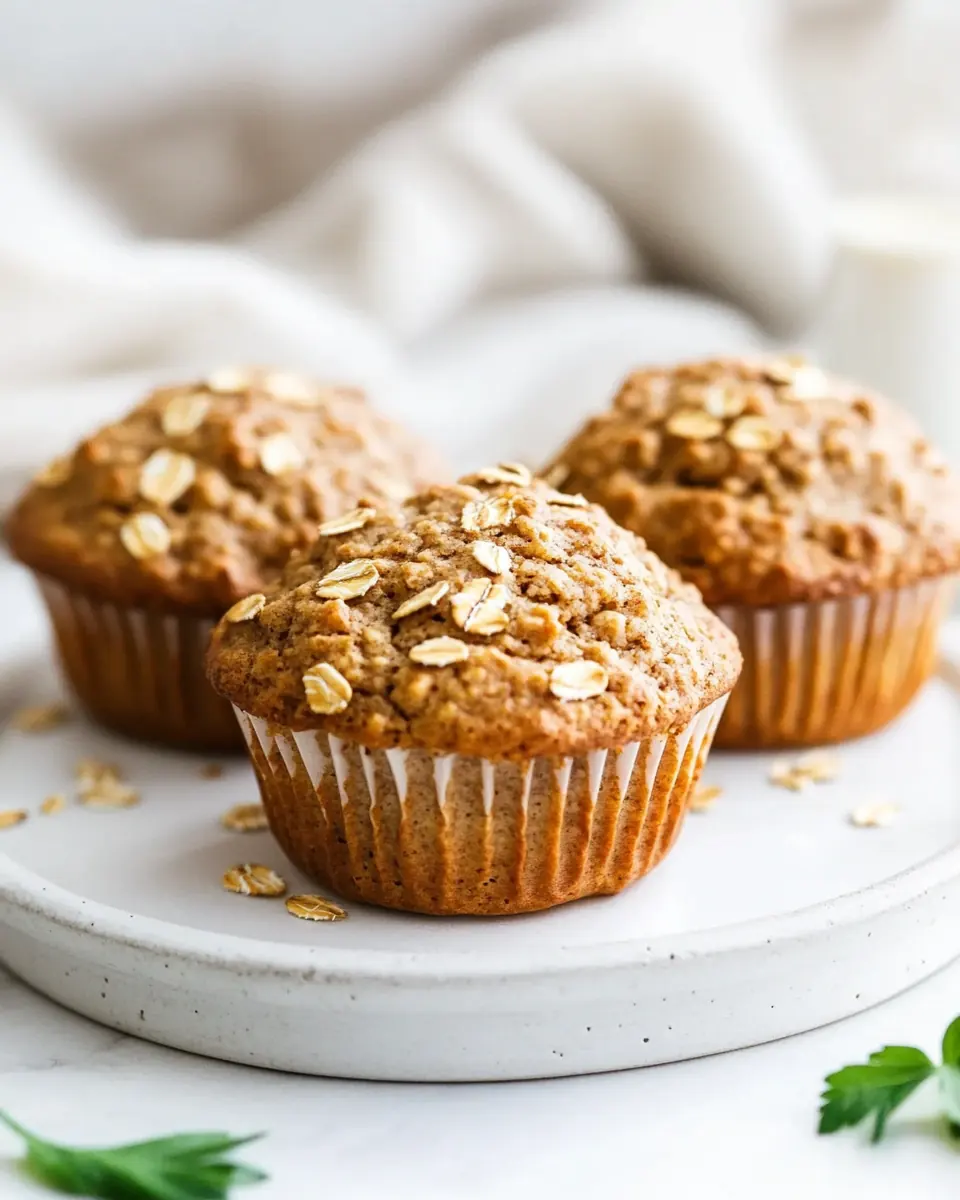
This method is straightforward, and the sequence matters for texture and rise. I like to prep my tins and preheat first so the batter goes straight into an environment that encourages lift. Follow each step and use the sensory cues I describe to know you are on track.
- Preheat the oven to 400 degrees F. Spray a regular muffin tin with non-stick cooking spray or line with muffin liners.: You should notice a warm, dry heat beginning to fill the oven, which primes the interior for an initial burst of lift. This intense heat helps set the muffin edges quickly so they can rise without collapsing, creating a domed top. A common mistake is not allowing the oven to fully preheat, which can leave muffins dense and underbaked. Also take care when positioning the rack in the center so heat circulates evenly.
- In a large bowl, beat the egg, brown sugar, yogurt, milk, applesauce, honey, and vanilla and mix until well combined.: The tin will feel slightly warm to the touch after preheating, but spraying or lining ensures the muffins release cleanly. The surface of the tin should appear evenly coated or the liners should sit flat, which prevents sticking and tearing. Skipping this step often causes muffins to cling and break apart when removed, so be generous with the coating or use liners for foolproof removal.
- Mash the bananas until no chunks remain. Add to mixture.: As you whisk, the mixture should look smooth and uniform, with the sugar partially dissolved and faint bubbles forming around the edge. This emulsification distributes moisture and sweetness evenly throughout the batter, which supports consistent crumb and flavor. Overworking the mixture is less of a concern here, but under-mixing can leave pockets of undissolved sugar or unevenly dispersed wet ingredients, so stir until homogenous.
- In a separate bowl combine the dry ingredients: flour, baking soda, baking powder, salt, cinnamon, and oats.: The texture should be almost creamy with tiny flecks, and the aroma will become noticeably sweet and fruity. Smoothly mashed banana ensures even moisture distribution and prevents large pockets that could cause uneven baking. A common error is leaving large chunks, which create wet spots and uneven texture; use a fork or potato masher to achieve a consistent mash.
- Add the flour mixture to the wet ingredients and stir just until combined. (Don't over-mix!): Once combined with the wet bowl, you'll notice the batter take on a more uniform scent and thinner consistency. This step allows the mashed banana to meld with the tangy yogurt and sweeteners, which creates a cohesive flavor profile. If the batter seems unusually thick, a splash of the measured milk will smooth the texture; conversely, if it feels too loose, check that dry ingredients were measured correctly.
- Spoon the mixture evenly into the muffin tins, filling each cup all the way to the top.: flour, baking soda, baking powder, salt, cinnamon, and oats : The dry mix will appear uniform in color and texture, with the oats visible among the flour. Sifting or whisking these together evens out the leaveners and prevents clumping, which is crucial for even rise. Failing to mix the dry ingredients well can create pockets of leavening or salt that lead to bitter or unevenly risen muffins.
- Bake at 400 degrees F for about 5 minutes and then reduce heat to 350 degrees and cook for another 12-14 minutes or until a toothpick inserted in the center comes out clean.: The batter should show streaks of flour disappearing as you fold, ultimately becoming slightly lumpy but uniform without dry pockets. The reason for gentle mixing is to avoid developing too much gluten from the whole wheat flour , which would make the muffins tough. Overmixing is the most common misstep here, leading to dense, rubbery muffins, so stop when the last traces of flour vanish.
- Spoon the mixture evenly into the muffin tins, filling each cup all the way to the top: You will see a thick batter that holds shape when scooped, and filling to the top encourages a tall rise and a golden top. Filling unevenly causes inconsistent baking times and varied dome heights, so I use an ice cream scoop or a measuring cup to portion batter uniformly. Avoid underfilling, which yields small, flat muffins, and overfilling, which can cause overflow and sticky oven messes.
- Bake at 400 degrees F for about 5 minutes and then reduce heat to 350 degrees and cook for another 12 to 14 minutes or until a toothpick inserted in the center comes out clean: You will notice a rapid lift in the first few minutes, followed by steady browning as the temperature lowers. The initial high heat encourages a domed top, and the reduced temperature finishes baking without overbrowning. If the tops brown too quickly, tent them with foil; if they remain pale and the centers seem unset, bake a few minutes longer. Checking with a toothpick is the best signal of doneness; it should come out with a few moist crumbs but not raw batter.
Helpful Notes about Banana Oat Muffins
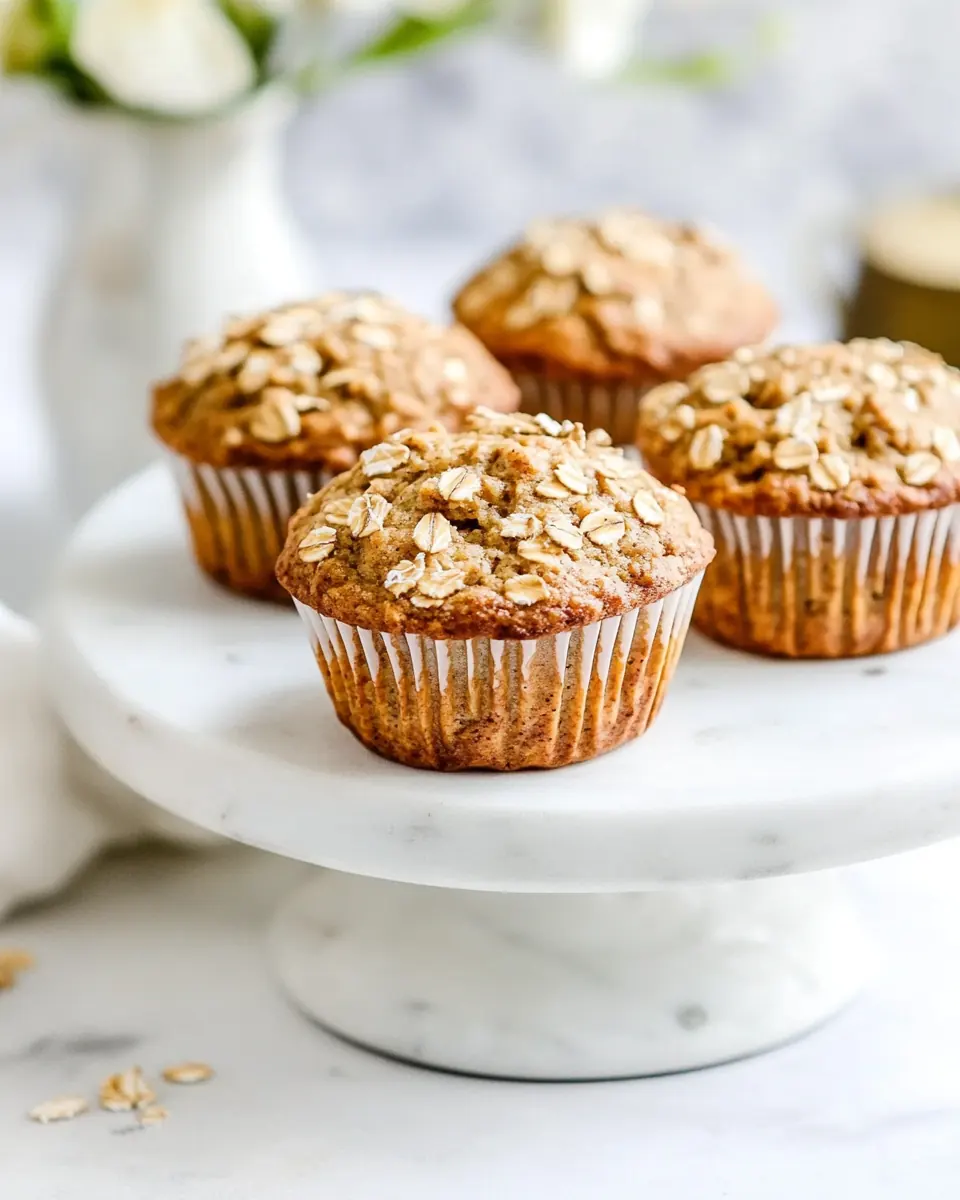
These tips expand the small notes in the recipe and help you feel confident the first time you make Banana Oat Muffins. I include storage and freezing guidance so you can batch bake with ease and enjoy fresh tasting muffins on demand.
- Freezing storage: Allow muffins to cool completely, then place them in a freezer ziplock bag and freeze for up to three months. To thaw, bring to room temperature or warm briefly in the microwave for 15 to 20 seconds for a fresh baked feel.
- Even scooping: Use an ice cream scoop or a 1 4 cup measure to portion batter evenly, ensuring consistent bake times and uniform tops across the batch.
- Ripeness matters: For best flavor, choose bananas with dark speckles or spots; they add natural sweetness and depth that lighter colored bananas lack.
- Texture tweaks: If you prefer a lighter crumb, swap the quick oats for rolled oats and pulse briefly in a food processor to break them down slightly, then proceed as written.
- Make ahead: Store cooled muffins in an airtight container at room temperature for two to three days, or refrigerate for up to five days to extend freshness.
What Complements This Banana Oat Muffins
Banana Oat Muffins pair well with morning routines, casual brunches, and packed lunches. Their wholesome profile makes them a versatile choice for many occasions and they travel well for picnics or workday snacks. Below are ways I like to serve them and context where they shine.
- Quick breakfast: Serve warm with a smear of nut butter or a dollop of yogurt for a balanced morning that combines carbohydrates, protein, and a touch of fat.
- Brunch platter: Arrange muffins with fresh fruit and a simple cheese board for a relaxed brunch; the muffins add a sweet and wholesome contrast to savory bites.
- Snack pack: Pack one or two muffins in a lunchbox alongside fruit and a bottle of water for a portable, filling snack that keeps energy steady.
- Freezer prep for busy weeks: Batch bake and freeze extras; pop them in a bag for school lunches, road trips, or to reheat on hectic mornings.
- Occasions: These muffins are great for casual gatherings, coffee with friends, and any event where you want a comforting, approachable baked good without fuss.
- Seasonal pairings: In cooler months, pair with warm tea or coffee to complement the cinnamon notes; in warmer weather they are pleasant with a chilled yogurt drink.
- Storage tips: Keep at room temperature for two to three days in an airtight container, refrigerate up to five days, or freeze up to three months for long term convenience.
FAQ
Conclusion
What makes this recipe special is its ability to feel both nourishing and indulgent at the same time. These muffins use simple, honest ingredients to deliver warm aromas, a tender crumb, and a satisfying chew from oats. I hope you give them a try, whether you bake a single batch for the week or freeze extras for busy mornings. They are approachable, comforting, and a reliable choice when you want something homemade without fuss.
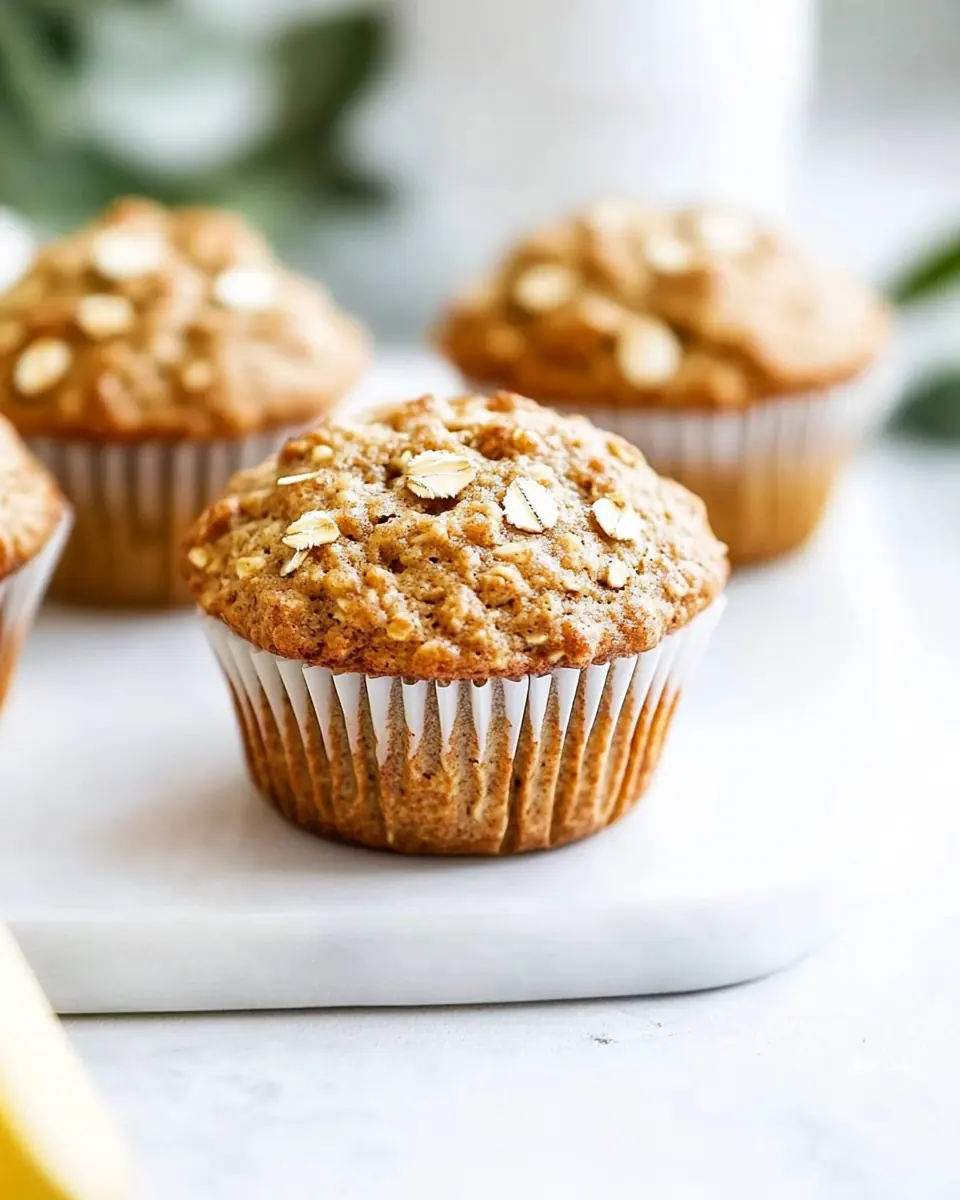
Banana Oat Muffins
Ingredients
Equipment
Method
- Preheat the oven to 400 degrees F. Spray a regular muffin tin with non-stick cooking spray or line with muffin liners.: You should notice a warm, dry heat beginning to fill the oven, which primes the interior for an initial burst of lift. This intense heat helps set the muffin edges quickly so they can rise without collapsing, creating a domed top. A common mistake is not allowing the oven to fully preheat, which can leave muffins dense and underbaked. Also take care when positioning the rack in the center so heat circulates evenly.
- In a large bowl, beat the egg, brown sugar, yogurt, milk, applesauce, honey, and vanilla and mix until well combined.: The tin will feel slightly warm to the touch after preheating, but spraying or lining ensures the muffins release cleanly. The surface of the tin should appear evenly coated or the liners should sit flat, which prevents sticking and tearing. Skipping this step often causes muffins to cling and break apart when removed, so be generous with the coating or use liners for foolproof removal.
- Mash the bananas until no chunks remain. Add to mixture.: As you whisk, the mixture should look smooth and uniform, with the sugar partially dissolved and faint bubbles forming around the edge. This emulsification distributes moisture and sweetness evenly throughout the batter, which supports consistent crumb and flavor. Overworking the mixture is less of a concern here, but under-mixing can leave pockets of undissolved sugar or unevenly dispersed wet ingredients, so stir until homogenous.
- In a separate bowl combine the dry ingredients: flour, baking soda, baking powder, salt, cinnamon, and oats.: The texture should be almost creamy with tiny flecks, and the aroma will become noticeably sweet and fruity. Smoothly mashed banana ensures even moisture distribution and prevents large pockets that could cause uneven baking. A common error is leaving large chunks, which create wet spots and uneven texture; use a fork or potato masher to achieve a consistent mash.
- Add the flour mixture to the wet ingredients and stir just until combined. (Don't over-mix!): Once combined with the wet bowl, you'll notice the batter take on a more uniform scent and thinner consistency. This step allows the mashed banana to meld with the tangy yogurt and sweeteners, which creates a cohesive flavor profile. If the batter seems unusually thick, a splash of the measured milk will smooth the texture; conversely, if it feels too loose, check that dry ingredients were measured correctly.
- Spoon the mixture evenly into the muffin tins, filling each cup all the way to the top.: flour, baking soda, baking powder, salt, cinnamon, and oats : The dry mix will appear uniform in color and texture, with the oats visible among the flour. Sifting or whisking these together evens out the leaveners and prevents clumping, which is crucial for even rise. Failing to mix the dry ingredients well can create pockets of leavening or salt that lead to bitter or unevenly risen muffins.
- Bake at 400 degrees F for about 5 minutes and then reduce heat to 350 degrees and cook for another 12-14 minutes or until a toothpick inserted in the center comes out clean.: The batter should show streaks of flour disappearing as you fold, ultimately becoming slightly lumpy but uniform without dry pockets. The reason for gentle mixing is to avoid developing too much gluten from the whole wheat flour , which would make the muffins tough. Overmixing is the most common misstep here, leading to dense, rubbery muffins, so stop when the last traces of flour vanish.
- Spoon the mixture evenly into the muffin tins, filling each cup all the way to the top: You will see a thick batter that holds shape when scooped, and filling to the top encourages a tall rise and a golden top. Filling unevenly causes inconsistent baking times and varied dome heights, so I use an ice cream scoop or a measuring cup to portion batter uniformly. Avoid underfilling, which yields small, flat muffins, and overfilling, which can cause overflow and sticky oven messes.
- Bake at 400 degrees F for about 5 minutes and then reduce heat to 350 degrees and cook for another 12 to 14 minutes or until a toothpick inserted in the center comes out clean: You will notice a rapid lift in the first few minutes, followed by steady browning as the temperature lowers. The initial high heat encourages a domed top, and the reduced temperature finishes baking without overbrowning. If the tops brown too quickly, tent them with foil; if they remain pale and the centers seem unset, bake a few minutes longer. Checking with a toothpick is the best signal of doneness; it should come out with a few moist crumbs but not raw batter.
Notes
- Freezing storage: Allow muffins to cool completely, then place them in a freezer ziplock bag and freeze for up to three months. To thaw, bring to room temperature or warm briefly in the microwave for 15 to 20 seconds for a fresh baked feel.
- Even scooping: Use an ice cream scoop or a 1 4 cup measure to portion batter evenly, ensuring consistent bake times and uniform tops across the batch.
- Ripeness matters: For best flavor, choose bananas with dark speckles or spots; they add natural sweetness and depth that lighter colored bananas lack.
- Texture tweaks: If you prefer a lighter crumb, swap the quick oats for rolled oats and pulse briefly in a food processor to break them down slightly, then proceed as written.
- Make ahead: Store cooled muffins in an airtight container at room temperature for two to three days, or refrigerate for up to five days to extend freshness.