Preheat oven to 350 degrees.: When the oven warms up, you will feel the kitchen temperature shift and soon smell a faint dry heat, which primes the pan for even cooking. Preheating ensures the loaf begins cooking right away, forming a stable exterior that helps retain juices. A common mistake is placing a cold pan in a cold oven, which can lengthen the cooking time and produce uneven texture. Ensure the rack is centered so the heat circulates evenly around the loaf, and avoid opening the oven door frequently since that causes temperature fluctuations.
Mix together all ingredients except tomato sauce and sugar.: As you combine ground beef chuck , minced onions , garlic salt , drained diced tomatoes , breadcrumbs , and egg , press gently with your hands until the mixture is cohesive but not overworked. You should notice a tacky, uniform texture that holds shape without feeling gummy. The scent will be quietly savory and slightly sweet from the tomatoes. Overmixing crushes the meat fibers, making the loaf dense, so mix with a light touch. If the mixture seems too wet, chilling for fifteen minutes can help firm it up for shaping.
Place the mixture in a lightly greased loaf pan.: Smooth the top with dampened hands so the loaf has an even surface for glazing. The contact with the pan will produce a browned base and edges that contrast with the tender interior. You may hear a faint squeak as you smooth the surface, and the loaf should hold a clean outline when lifted gently. Avoid packing the meat too tightly since compressed meat cooks less evenly, resulting in a heavier texture.
Bake at 350 degrees for 45 minutes.: During this first bake, the oven will begin to coax out juices, and you may smell roasted meat aromas rising in the kitchen. The exterior will start to firm and brown, which helps trap moisture inside. After forty five minutes, the center will be nearly set but still needs finishing. A typical error is underbaking at this stage, which leaves the interior too soft for glazing; use tactile cues and timing to judge readiness rather than relying solely on color.
Remove the meatloaf from the oven and drain excess grease from the pan.: Carefully lift the loaf pan and tilt slightly to pour off rendered fat, or use a baster to draw it away, being mindful of hot steam. This step prevents the loaf from sitting in excess grease which can make the bottom soggy. You will notice a small puddle of golden liquid; removing it results in a cleaner, less oily slice. Avoid draining too aggressively in a way that destabilizes the loaf, and do not discard a little fat entirely if you like richer flavor.
Mix tomato sauce and sugar together and pour it over the meatloaf.: Combine the tomato sauce with sugar until smooth, then spoon or pour a thin, even layer atop the loaf. You will see the sauce glisten and settle into the slight grooves on the surface, promising a glossy finish after the final bake. The aroma shifts toward sweet tang as the sauce warms against the hot loaf. Be careful not to use a watery sauce, which can run off and pool in the pan, preventing even caramelization.
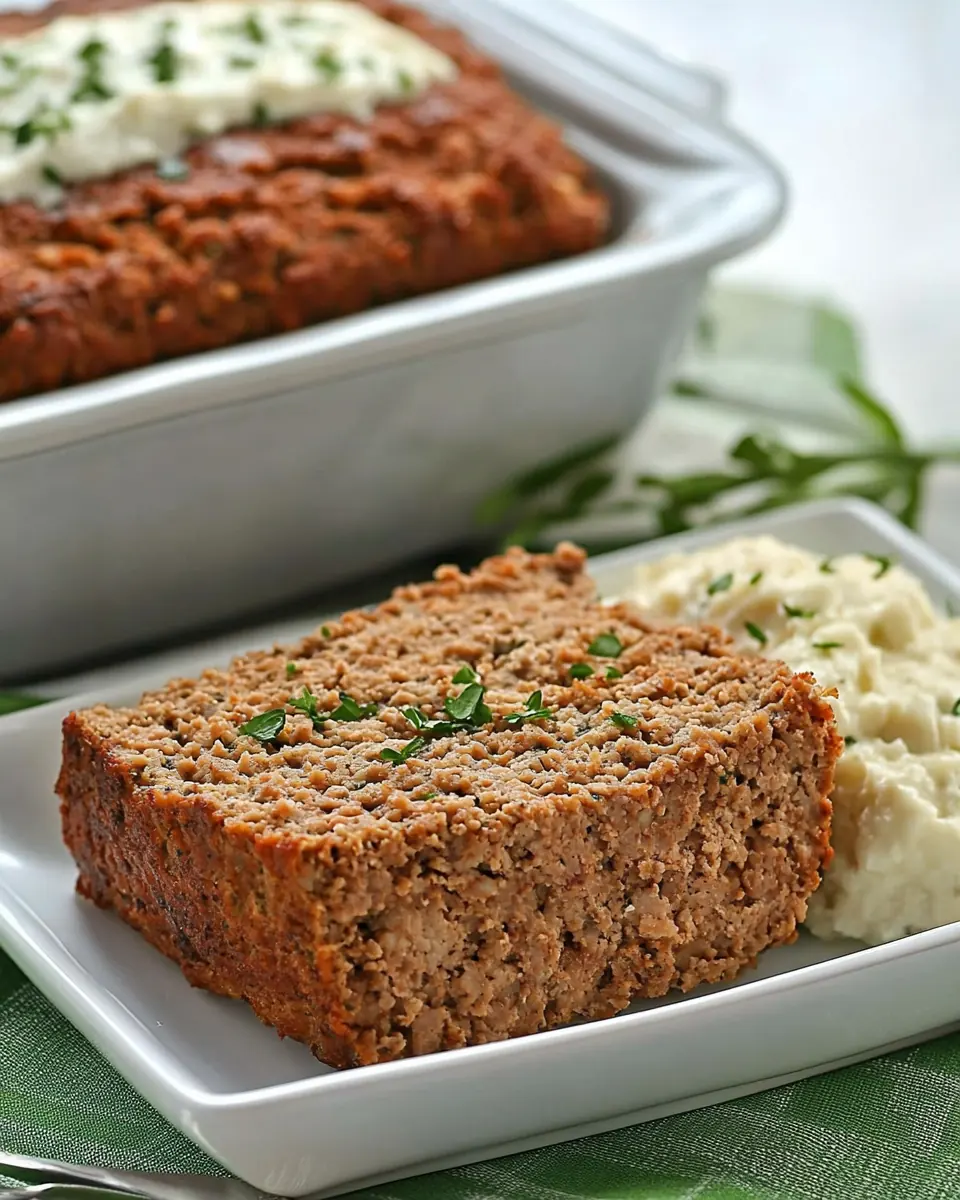
Place the meatloaf back in the oven to finish baking until done, about 30 minutes depending on the oven.: During this final bake, the glaze will thicken and become shiny, and the whole kitchen will fill with a warm, sweet tomato scent. The loaf should register a safe internal temperature and the edges will look set and slightly caramelized. If your oven runs hot or cool, the final time may vary, so check with a thermometer if unsure. A common pitfall is removing the loaf too early which results in undercooked center, so allow the described time frame and confirm doneness by touch and temperature if available.