Preheat oven to 425º. Place a 10-inch cast iron skillet into the oven to heat.: The oven should be very hot before you bake, which helps the biscuits rise quickly and form a golden crust. When the oven reaches temperature you will feel warmth and smell a faint dry heat, signaling readiness. The hot environment causes the trapped moisture in the dough to steam rapidly, which lifts the layers, so do not skip preheating. A common mistake is placing the biscuits into an oven that is still warming, this results in flatter, denser biscuits.
Sift flour, baking powder, and salt into a medium bowl. Add butter and goat cheese and with fingers, pinch and break apart pieces till the mixture has the consistency of coarse cornmeal.: Heating a heavy skillet creates an immediate sear on the biscuit bottoms, producing a rich brown, slightly crisp texture. You may notice the skillet radiating heat when you carefully test at the oven window, and the metal will sound dull if tapped gently. The skillet holds heat well and ensures even browning. Avoid placing the dough into a cold pan because the bottoms will lack that satisfying crust and may bake unevenly.
Add buttermilk and gently mix to form the dough. You may add an extra tablespoon of buttermilk if needed.: Sifting aerates the mix and helps distribute the leavening evenly, resulting in an even rise and tender crumb. You will see a fluffier, more uniform dry mix after sifting, which reduces lumps and prevents pockets of baking powder. Take care not to compact the flour when measuring, as the extra density will change the texture. A common misstep is skipping sifting and then finding uneven pockets of flavor or rise.
Remove the hot skillet from the oven. Add 1 tablespoon of butter and swirl to coat the bottom of the pan.: When you pinch the cold butter and small pieces of goat cheese into the dry mix, aim for pea to coarse cornmeal sized pieces. You should see bits of pale fat dotted throughout the dry flour , and the mixture will feel cool to the touch. Those bits melt in the oven creating flaky layers and creamy pockets. Overworking here will warm the butter and produce a tougher biscuit, so work quickly and keep your hands cool.
Remove dough from the bowl onto a floured surface. Knead a few times till the dough comes together, then pat it into a rectangle about 1 1/2 inches in height.: The buttermilk hydrates the dough and brings tenderness with its acidity. Stir gently until the liquid just comes together; the dough should be slightly shaggy and soft rather than sticky or wet. You might need an extra tablespoon of buttermilk if the flour looks dry but add it cautiously to avoid a too wet dough. A classic error is to overmix, which develops gluten and leads to chewier biscuits rather than tender layers.
Using a 2 1/2-inch biscuit cutter, press straight down to cut out rounds. Place into skillet. Brush with additional melted butter.: Carefully take the skillet out with oven mitts, feeling the intense heat through the mitts and noticing the wave of warmth as you open the oven. The skillet should be sizzling with retained heat, which is exactly what we want for rapid bottom browning. Place it on a heat safe surface and proceed quickly so it stays hot. Avoid leaving the skillet out long enough to cool, because that reduces its effectiveness in creating a crisp base.
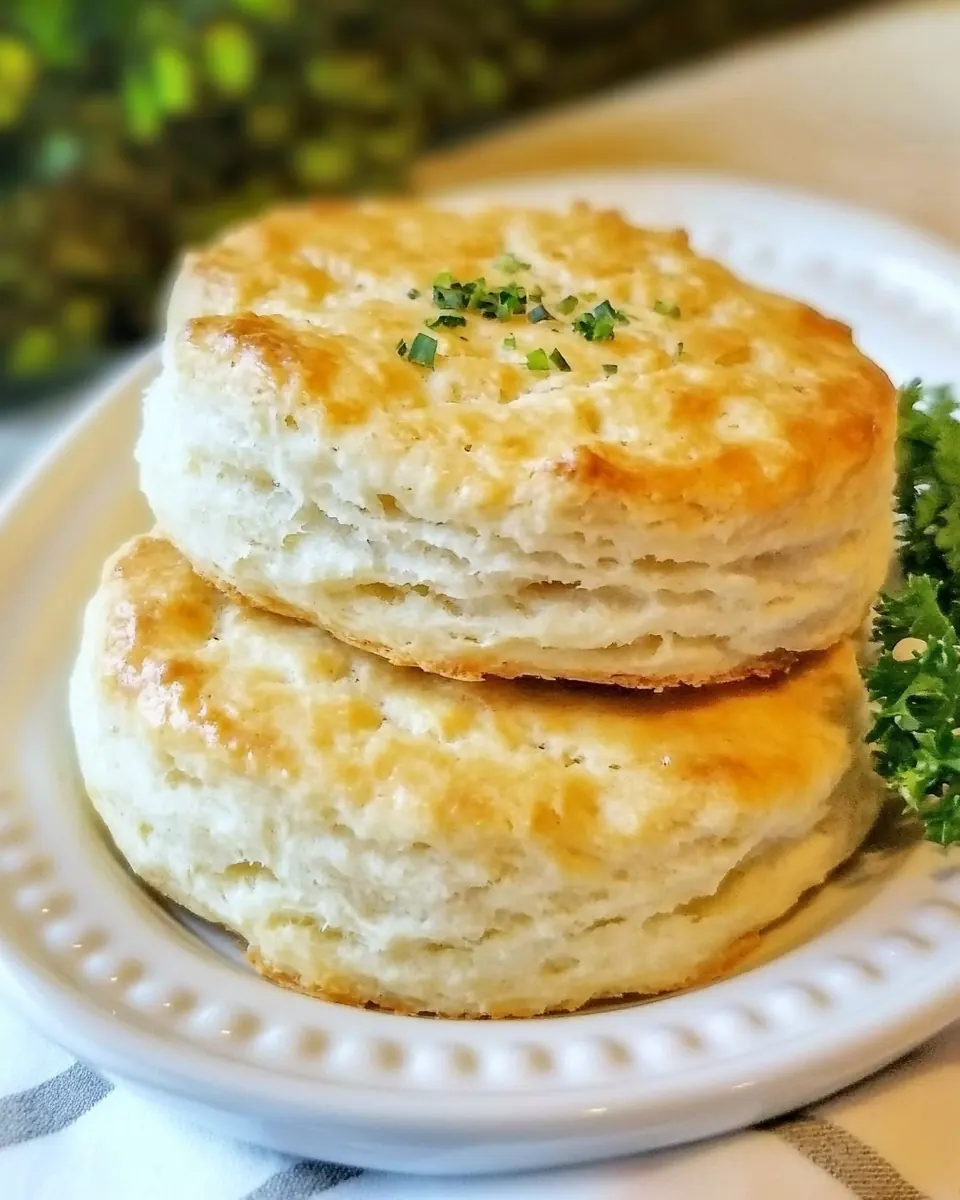
Bake for 14-16 minutes, till lightly browned. Sprinkle hot muffins with Parmesan and serve warm.: The butter will melt instantly on contact, giving a fragrant, nutty aroma and creating a slick surface for the biscuits to sit on. Swirl to ensure the bottom is evenly coated, watching the butter foam and darken slightly, which brings a toasty scent. This step also prevents sticking and helps develop that golden crust. If you skip coating the pan, biscuits may stick or have less flavorful bottoms.
Remove dough from the bowl onto a floured surface: Turn the dough out gently, feeling the cool, slightly tacky mass under your palms. A lightly floured surface prevents sticking without drying the dough, preserving moisture for tender crumb. Knead a few times just to bring it together; you will feel the dough relax and become cohesive. The danger here is over kneading, which will tighten the dough and reduce flakiness, so keep movements minimal.
Knead a few times till the dough comes together, then pat it into a rectangle about 1 1/2 inches in height: Patting rather than rolling helps keep the butter distributed and maintains the layered texture. As you pat, the surface will smooth and you can feel the temperature of the dough; it should remain cool. The 1 1/2 inch height is key to achieving a tall biscuit, and you should see a consistent thickness across the rectangle. If you press too thin, the biscuits will lack height and flakiness.
Using a 2 1/2-inch biscuit cutter, press straight down to cut out rounds: Pressing straight down helps the layers stay intact rather than twisting and sealing edges. You will hear a soft thud as the cutter meets the surface, and the rounds should separate easily if the cutter is sharp and the surface is lightly floured. Place the rounds into the hot skillet with room between them for slight expansion. Twisting the cutter seals the edges and prevents proper lift, which is a common mistake.
Place into skillet: Arrange the rounds so they sit slightly close but not crowded, which encourages even rising and attractive sides. You will notice the immediate warmth on the bottom of the dough and perhaps a faint hiss as residual flour meets the hot butter. The biscuits will begin to set even before they go in the oven because of the hot pan, giving you confidence that they will brown well. Crowding the skillet will slow circulation and produce uneven baking.
Brush with additional melted butter: Brushing the tops provides color and a buttery finish. As the butter melts into the tops, it creates a glossy sheen and a toasty aroma when baked. This small step enhances flavor and appearance. If you omit this brushing, tops can look pale and less inviting.
Bake for 14 to 16 minutes, till lightly browned: The oven will transform the dough into golden biscuits, and you should watch for the tops to take on a warm tan and the edges to color. You may hear a soft crackle as surfaces crisp and a faint, rich scent of baked butter and cheese will fill the kitchen. Use visual cues rather than strictly timing if your oven runs hot or cool. Underbaking yields doughy centers, while overbaking dries them out.
Sprinkle hot muffins with Parmesan and serve warm: The warm tops welcome the Parmesan , which melts slightly and adds a savory finish. When you sprinkle, the aroma of the cheese brightens the experience and invites immediate tasting. Serve them straight away to enjoy the contrast between crisp exterior and tender interior. If you let them sit too long, the crispness will soften and you lose the ideal textural contrast.