Buttermilk Goat Cheese Biscuits
Buttermilk Goat Cheese Biscuits came into my life on a chilly morning when I wanted something comforting yet a little unexpected.
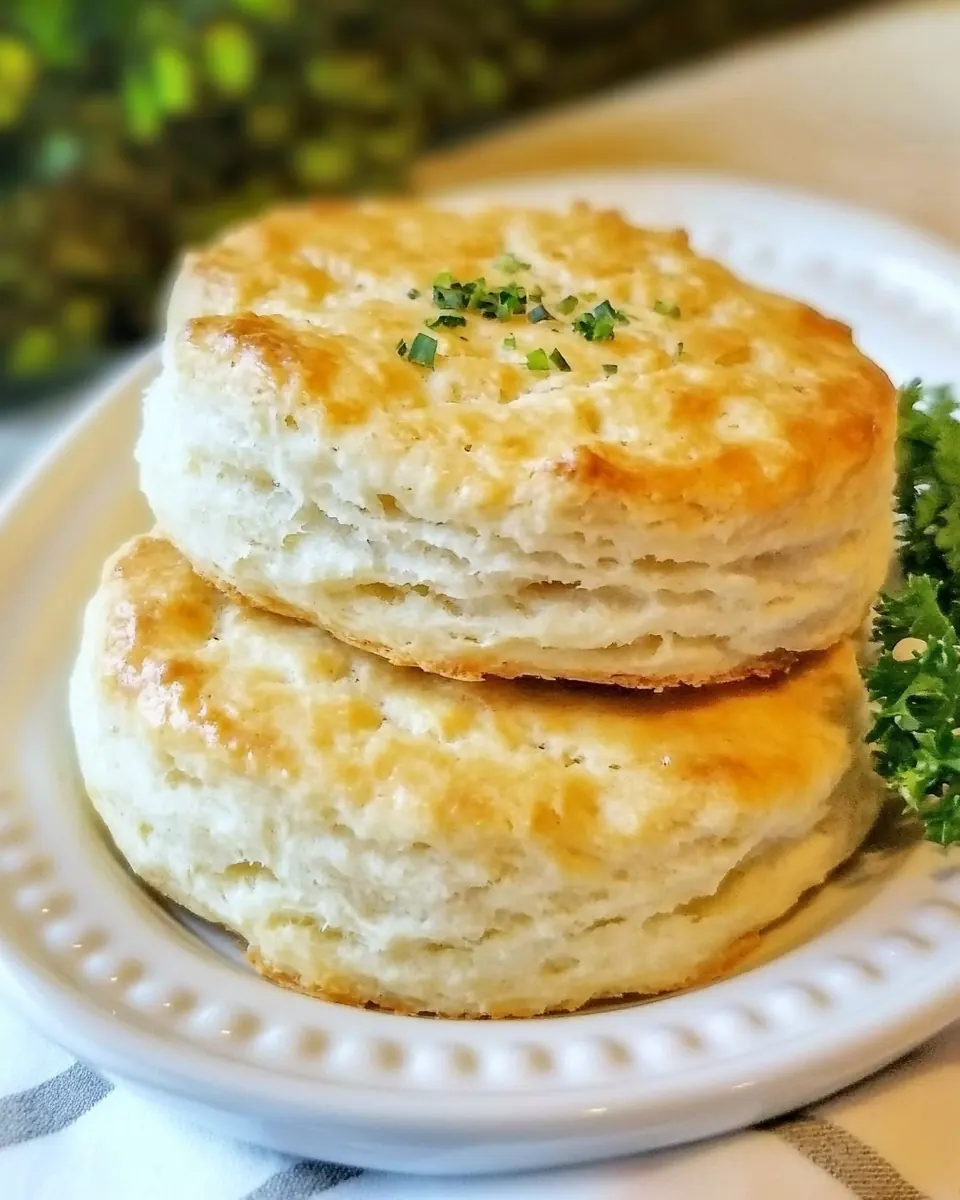
I remember pulling a warm skillet from the oven and feeling that steam lift, carrying the tang of buttermilk and the mellow, tangy notes of goat cheese. I had been experimenting with biscuits for years, chasing the perfect balance between flaky layers and tender interior, and these biscuits surprised me with how simply they reached that balance. The combination of flaky butter pockets and creamy goat cheese creates a texture that feels both rustic and elegant, and it quickly became my go to when I wanted something special without fuss.
There is a small ritual to making these that I adore. I like to chill my butter, grate my Parmesan fresh, and keep my buttermilk just cool enough that it hugs the flour instead of melting the fats. The hot skillet gives the bottoms a lovely crust, while the interior stays pillowy. Every time I serve them, friends lean in and remark on the scent first, then the texture, and finally the surprise of finding little ribbons of goat cheese that melt into the crumb.
Recipe Snapshot
31 mins
15 mins
16 mins
Medium
200 kcal
American
Gluten-Free, Low FODMAP
Side Dishes
10 inch cast iron skillet, bowl, biscuit cutter 2 1/2 inch, measuring cups, measuring spoons
Why Try This Buttermilk Goat Cheese Biscuits
Unexpected Tang
I love how Buttermilk Goat Cheese Biscuits bring a bright, tangy lift from the goat cheese that distinguishes them from ordinary biscuits. That little acidity balances the richness of the butter, giving each bite more complexity. I find that this contrast makes the biscuits pair well with both sweet and savory accompaniments.
Super Simple Technique
These biscuits rely on a straightforward method, and I appreciate how forgiving it is. With a quick sift of the dry ingredients and a gentle mix in of the buttermilk, the dough comes together fast. Because the technique is simple, I can focus on texture, keeping the butter cold so pockets remain, which produces tender layers every time.
Skillet Magic
Heating the skillet first is such a small step with a big payoff. When I place the rounds into the hot pan, they begin to set immediately, which encourages a golden, crisp base. The visual cue of a browned bottom tells me the heat is right and the interior will be perfectly baked through.
Versatile and Crowd Friendly
I make these when friends drop by or for a cozy family breakfast. They hold up well when warmed and are easy to double, so feeding a group is painless. I often recommend them for weekend brunches because they feel indulgent without demanding a lot of hands on time.
Textural Delight
The interplay of flaky butter layers, soft dough, and pockets of melted goat cheese creates a satisfying textural experience. I always tell people that the secret is not overworking the dough, and once you taste that tender crumb with crisp edges, you will understand why I keep coming back to this recipe.
Main Ingredients for Buttermilk Goat Cheese Biscuits
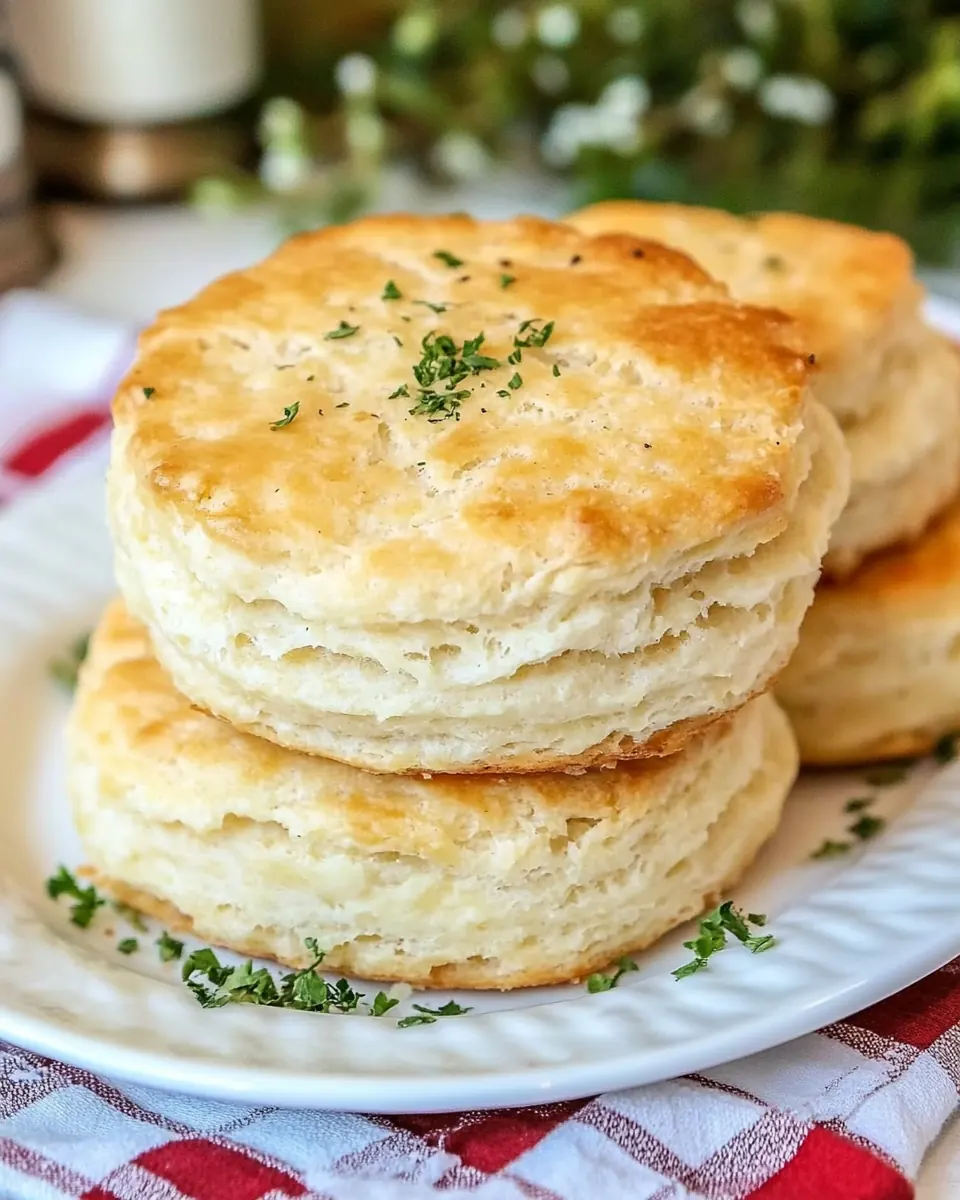
These ingredients are the backbone of the recipe, each playing a clear role in texture and flavor. The dry components build structure, the butter brings flakiness and richness, the goat cheese offers tang and creamy pockets, and the buttermilk tenderizes while adding subtle acidity. Together they create a biscuit that is both flaky and soft.
- 2 cup s flour: Sift and aerate to create a light, uniform flour base that provides structure to the biscuits; measure accurately for consistent texture and avoid overworking the dough to keep biscuits tender.
- 2 1/2 teaspoon s baking powder: Activate leavening and lighten the dough by evenly combining with the flour; ensure even distribution to produce consistent rise and tender crumb during baking.
- 1 1/4 teaspoon salt: Season and balance flavors while strengthening gluten slightly to aid structure; dissolve into the dry ingredients for even seasoning throughout the biscuits.
- 4 tablespoon s cold butter, cut into small pieces: Cut cold butter into the dry mixture to create flaky layers and tender pockets; keep pieces small and chilled so steam creates lift and a buttery texture when baked.
- 4 tablespoon s (2 ounces) good quality goat cheese, cut into small pieces: Fold in small pieces to add creamy, tangy pockets and rich flavor; maintain cold pieces so they contribute to flakiness while melting into luscious goat cheese pockets during baking.
- 1 cup buttermilk: Provide acidity and hydration to activate the baking powder and bind the dough while contributing tangy moisture; pour cold buttermilk in gradually and mix gently to avoid tough biscuits.
- 2 tablespoon s butter, divided, to grease the pan and top the biscuits: Melt and use some to grease the pan and brush over the tops to encourage browning and a glossy finish; reserve portions for even greasing and finishing after baking for added richness.
- 1/4 cup freshly grated Parmesan cheese: Sprinkle over or fold into the tops to add savory, salty umami and a crisp browned finish; grate freshly for best melting and aromatic results during baking.
How to Assemble Buttermilk Goat Cheese Biscuits
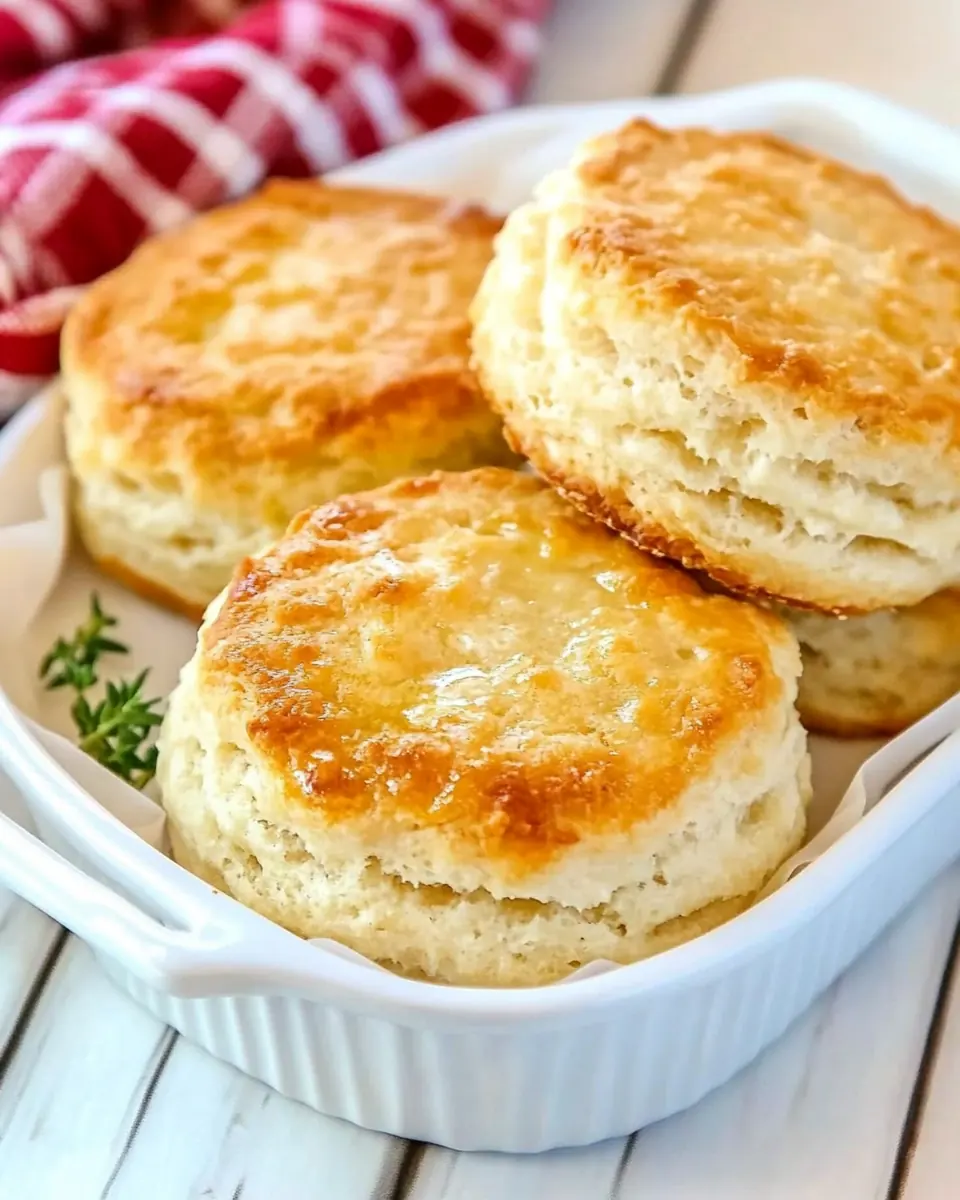
Assembling these biscuits is straightforward, but I like to approach each step with intention. The texture depends on cold fat, quick handling, and a hot pan. Below you’ll find detailed, sensory rich guidance to ensure the best results, with notes on what to listen for and what to avoid.
- Preheat oven to 425º. Place a 10-inch cast iron skillet into the oven to heat.: The oven should be very hot before you bake, which helps the biscuits rise quickly and form a golden crust. When the oven reaches temperature you will feel warmth and smell a faint dry heat, signaling readiness. The hot environment causes the trapped moisture in the dough to steam rapidly, which lifts the layers, so do not skip preheating. A common mistake is placing the biscuits into an oven that is still warming, this results in flatter, denser biscuits.
- Sift flour, baking powder, and salt into a medium bowl. Add butter and goat cheese and with fingers, pinch and break apart pieces till the mixture has the consistency of coarse cornmeal.: Heating a heavy skillet creates an immediate sear on the biscuit bottoms, producing a rich brown, slightly crisp texture. You may notice the skillet radiating heat when you carefully test at the oven window, and the metal will sound dull if tapped gently. The skillet holds heat well and ensures even browning. Avoid placing the dough into a cold pan because the bottoms will lack that satisfying crust and may bake unevenly.
- Add buttermilk and gently mix to form the dough. You may add an extra tablespoon of buttermilk if needed.: Sifting aerates the mix and helps distribute the leavening evenly, resulting in an even rise and tender crumb. You will see a fluffier, more uniform dry mix after sifting, which reduces lumps and prevents pockets of baking powder. Take care not to compact the flour when measuring, as the extra density will change the texture. A common misstep is skipping sifting and then finding uneven pockets of flavor or rise.
- Remove the hot skillet from the oven. Add 1 tablespoon of butter and swirl to coat the bottom of the pan.: When you pinch the cold butter and small pieces of goat cheese into the dry mix, aim for pea to coarse cornmeal sized pieces. You should see bits of pale fat dotted throughout the dry flour , and the mixture will feel cool to the touch. Those bits melt in the oven creating flaky layers and creamy pockets. Overworking here will warm the butter and produce a tougher biscuit, so work quickly and keep your hands cool.
- Remove dough from the bowl onto a floured surface. Knead a few times till the dough comes together, then pat it into a rectangle about 1 1/2 inches in height.: The buttermilk hydrates the dough and brings tenderness with its acidity. Stir gently until the liquid just comes together; the dough should be slightly shaggy and soft rather than sticky or wet. You might need an extra tablespoon of buttermilk if the flour looks dry but add it cautiously to avoid a too wet dough. A classic error is to overmix, which develops gluten and leads to chewier biscuits rather than tender layers.
- Using a 2 1/2-inch biscuit cutter, press straight down to cut out rounds. Place into skillet. Brush with additional melted butter.: Carefully take the skillet out with oven mitts, feeling the intense heat through the mitts and noticing the wave of warmth as you open the oven. The skillet should be sizzling with retained heat, which is exactly what we want for rapid bottom browning. Place it on a heat safe surface and proceed quickly so it stays hot. Avoid leaving the skillet out long enough to cool, because that reduces its effectiveness in creating a crisp base.
- Bake for 14-16 minutes, till lightly browned. Sprinkle hot muffins with Parmesan and serve warm.: The butter will melt instantly on contact, giving a fragrant, nutty aroma and creating a slick surface for the biscuits to sit on. Swirl to ensure the bottom is evenly coated, watching the butter foam and darken slightly, which brings a toasty scent. This step also prevents sticking and helps develop that golden crust. If you skip coating the pan, biscuits may stick or have less flavorful bottoms.
- Remove dough from the bowl onto a floured surface: Turn the dough out gently, feeling the cool, slightly tacky mass under your palms. A lightly floured surface prevents sticking without drying the dough, preserving moisture for tender crumb. Knead a few times just to bring it together; you will feel the dough relax and become cohesive. The danger here is over kneading, which will tighten the dough and reduce flakiness, so keep movements minimal.
- Knead a few times till the dough comes together, then pat it into a rectangle about 1 1/2 inches in height: Patting rather than rolling helps keep the butter distributed and maintains the layered texture. As you pat, the surface will smooth and you can feel the temperature of the dough; it should remain cool. The 1 1/2 inch height is key to achieving a tall biscuit, and you should see a consistent thickness across the rectangle. If you press too thin, the biscuits will lack height and flakiness.
- Using a 2 1/2-inch biscuit cutter, press straight down to cut out rounds: Pressing straight down helps the layers stay intact rather than twisting and sealing edges. You will hear a soft thud as the cutter meets the surface, and the rounds should separate easily if the cutter is sharp and the surface is lightly floured. Place the rounds into the hot skillet with room between them for slight expansion. Twisting the cutter seals the edges and prevents proper lift, which is a common mistake.
- Place into skillet: Arrange the rounds so they sit slightly close but not crowded, which encourages even rising and attractive sides. You will notice the immediate warmth on the bottom of the dough and perhaps a faint hiss as residual flour meets the hot butter. The biscuits will begin to set even before they go in the oven because of the hot pan, giving you confidence that they will brown well. Crowding the skillet will slow circulation and produce uneven baking.
- Brush with additional melted butter: Brushing the tops provides color and a buttery finish. As the butter melts into the tops, it creates a glossy sheen and a toasty aroma when baked. This small step enhances flavor and appearance. If you omit this brushing, tops can look pale and less inviting.
- Bake for 14 to 16 minutes, till lightly browned: The oven will transform the dough into golden biscuits, and you should watch for the tops to take on a warm tan and the edges to color. You may hear a soft crackle as surfaces crisp and a faint, rich scent of baked butter and cheese will fill the kitchen. Use visual cues rather than strictly timing if your oven runs hot or cool. Underbaking yields doughy centers, while overbaking dries them out.
- Sprinkle hot muffins with Parmesan and serve warm: The warm tops welcome the Parmesan , which melts slightly and adds a savory finish. When you sprinkle, the aroma of the cheese brightens the experience and invites immediate tasting. Serve them straight away to enjoy the contrast between crisp exterior and tender interior. If you let them sit too long, the crispness will soften and you lose the ideal textural contrast.
Tips and Variations
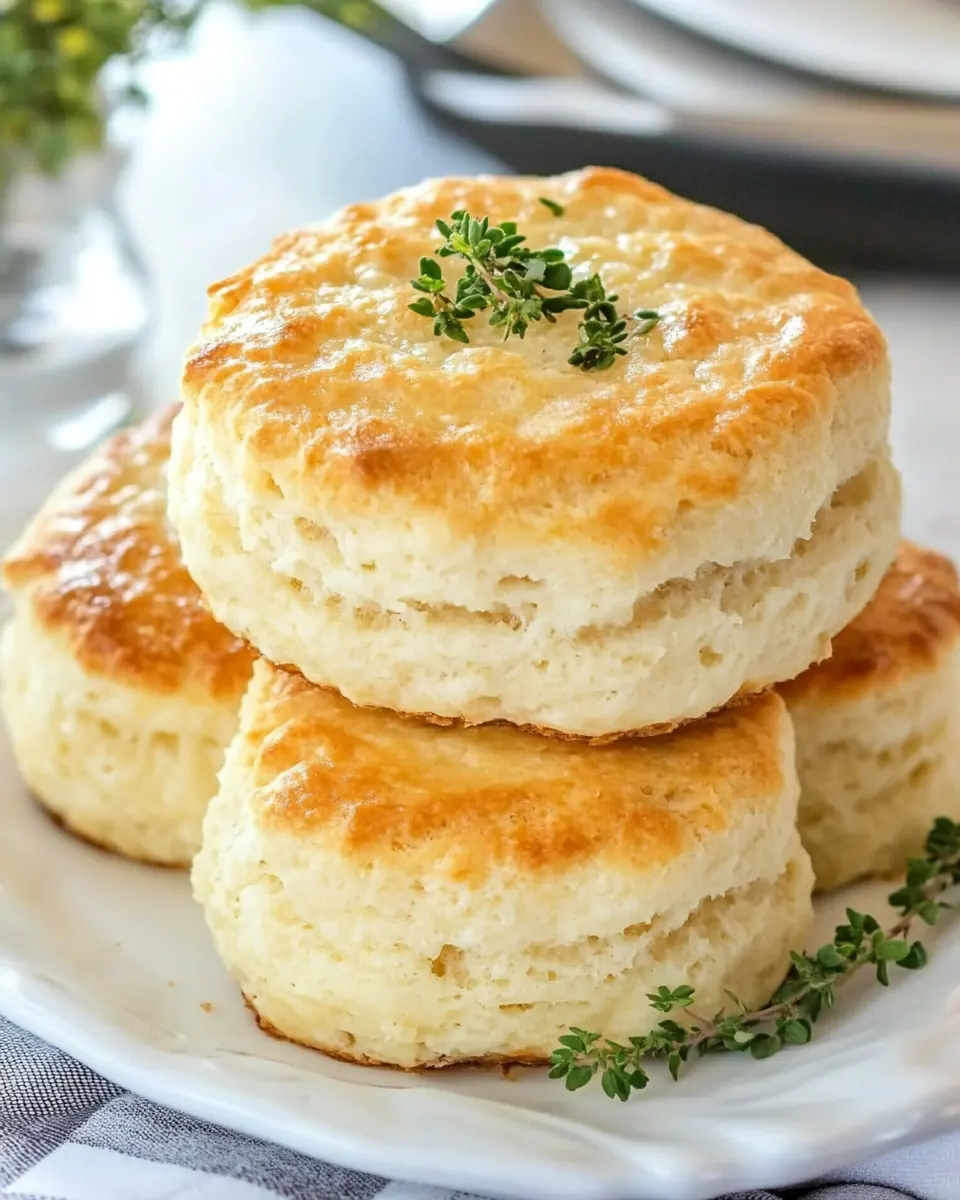
These tips will help you refine the technique and experiment without losing the recipe’s integrity. I include small variations that emphasize texture and flavor while keeping the core profile intact.
- Chill your butter: Keeping the butter cold until cutting it into the dry ingredients ensures distinct pockets of fat that produce flaky layers when baked.
- Grate the Parmesan fresh: Freshly grated Parmesan delivers a brighter, nuttier finish than pre grated varieties, and it melts beautifully on the hot biscuits.
- Handle dough gently: Less kneading equals a more tender biscuit, so combine until just cohesive to avoid developing gluten that makes the crumb tough.
- Use a hot skillet: A preheated 10 inch cast iron skillet gives a crisp, golden bottom, and the retained heat promotes immediate oven spring for taller biscuits.
- Adjust buttermilk as needed: Add an extra tablespoon of buttermilk if the dough seems dry, but be cautious because too much will create a wetter dough that is harder to cut cleanly.
- Brush with butter: Brushing melted butter on tops before baking enhances both color and flavor, creating an appealing, slightly glossy finish.
What to Serve Alongside Buttermilk Goat Cheese Biscuits
These biscuits are versatile and can accompany many meals. I like to pair them with simple or elevated sides depending on the occasion. Below are ideas organized so you can pick what fits the meal, whether a casual brunch or a cozy dinner.
- Breakfast Plate: Serve with scrambled eggs and a light salad for a hearty morning meal, letting the biscuits soak up yolk and add richness.
- Brunch Spread: Include fresh fruit, a mild jam, and soft cheeses so guests can choose savory or sweet combinations with the biscuits.
- Soup Companion: These work well beside a bowl of creamy vegetable soup, where the biscuits provide texture contrast and a vehicle for sopping up broth.
- Light Dinner: Pair with a simple green salad dressed in a bright vinaigrette to balance the richness of the biscuits for an easy weeknight meal.
- Entertaining Tip: Warm the skillet just before serving and keep biscuits tented with foil so they stay warm for guests while you finish other dishes.
- Storage Advice: Store leftovers in an airtight container and reheat in a warm oven to revive crisp edges and a soft interior within minutes.
- Seasonal Pairings: In spring and summer serve with fresh herbs or a light herb butter, while autumn calls for roasted vegetables and heartier mains alongside the biscuits.
FAQ
Conclusion
These Buttermilk Goat Cheese Biscuits stand out because they pair simple technique with bold flavor, producing flaky, tangy biscuits that feel both rustic and special. Give them a try when you want something comforting with a bright twist, and don’t be surprised if they become your new weekend staple. Enjoy the ritual of heating the skillet, working quickly with the cold butter, and savoring the scent of warm goat cheese and butter as the biscuits come out of the oven warm and golden.
Buttermilk Goat Cheese Biscuits
Ingredients
Equipment
Method
- Preheat oven to 425º. Place a 10-inch cast iron skillet into the oven to heat.: The oven should be very hot before you bake, which helps the biscuits rise quickly and form a golden crust. When the oven reaches temperature you will feel warmth and smell a faint dry heat, signaling readiness. The hot environment causes the trapped moisture in the dough to steam rapidly, which lifts the layers, so do not skip preheating. A common mistake is placing the biscuits into an oven that is still warming, this results in flatter, denser biscuits.
- Sift flour, baking powder, and salt into a medium bowl. Add butter and goat cheese and with fingers, pinch and break apart pieces till the mixture has the consistency of coarse cornmeal.: Heating a heavy skillet creates an immediate sear on the biscuit bottoms, producing a rich brown, slightly crisp texture. You may notice the skillet radiating heat when you carefully test at the oven window, and the metal will sound dull if tapped gently. The skillet holds heat well and ensures even browning. Avoid placing the dough into a cold pan because the bottoms will lack that satisfying crust and may bake unevenly.
- Add buttermilk and gently mix to form the dough. You may add an extra tablespoon of buttermilk if needed.: Sifting aerates the mix and helps distribute the leavening evenly, resulting in an even rise and tender crumb. You will see a fluffier, more uniform dry mix after sifting, which reduces lumps and prevents pockets of baking powder. Take care not to compact the flour when measuring, as the extra density will change the texture. A common misstep is skipping sifting and then finding uneven pockets of flavor or rise.
- Remove the hot skillet from the oven. Add 1 tablespoon of butter and swirl to coat the bottom of the pan.: When you pinch the cold butter and small pieces of goat cheese into the dry mix, aim for pea to coarse cornmeal sized pieces. You should see bits of pale fat dotted throughout the dry flour , and the mixture will feel cool to the touch. Those bits melt in the oven creating flaky layers and creamy pockets. Overworking here will warm the butter and produce a tougher biscuit, so work quickly and keep your hands cool.
- Remove dough from the bowl onto a floured surface. Knead a few times till the dough comes together, then pat it into a rectangle about 1 1/2 inches in height.: The buttermilk hydrates the dough and brings tenderness with its acidity. Stir gently until the liquid just comes together; the dough should be slightly shaggy and soft rather than sticky or wet. You might need an extra tablespoon of buttermilk if the flour looks dry but add it cautiously to avoid a too wet dough. A classic error is to overmix, which develops gluten and leads to chewier biscuits rather than tender layers.
- Using a 2 1/2-inch biscuit cutter, press straight down to cut out rounds. Place into skillet. Brush with additional melted butter.: Carefully take the skillet out with oven mitts, feeling the intense heat through the mitts and noticing the wave of warmth as you open the oven. The skillet should be sizzling with retained heat, which is exactly what we want for rapid bottom browning. Place it on a heat safe surface and proceed quickly so it stays hot. Avoid leaving the skillet out long enough to cool, because that reduces its effectiveness in creating a crisp base.
- Bake for 14-16 minutes, till lightly browned. Sprinkle hot muffins with Parmesan and serve warm.: The butter will melt instantly on contact, giving a fragrant, nutty aroma and creating a slick surface for the biscuits to sit on. Swirl to ensure the bottom is evenly coated, watching the butter foam and darken slightly, which brings a toasty scent. This step also prevents sticking and helps develop that golden crust. If you skip coating the pan, biscuits may stick or have less flavorful bottoms.
- Remove dough from the bowl onto a floured surface: Turn the dough out gently, feeling the cool, slightly tacky mass under your palms. A lightly floured surface prevents sticking without drying the dough, preserving moisture for tender crumb. Knead a few times just to bring it together; you will feel the dough relax and become cohesive. The danger here is over kneading, which will tighten the dough and reduce flakiness, so keep movements minimal.
- Knead a few times till the dough comes together, then pat it into a rectangle about 1 1/2 inches in height: Patting rather than rolling helps keep the butter distributed and maintains the layered texture. As you pat, the surface will smooth and you can feel the temperature of the dough; it should remain cool. The 1 1/2 inch height is key to achieving a tall biscuit, and you should see a consistent thickness across the rectangle. If you press too thin, the biscuits will lack height and flakiness.
- Using a 2 1/2-inch biscuit cutter, press straight down to cut out rounds: Pressing straight down helps the layers stay intact rather than twisting and sealing edges. You will hear a soft thud as the cutter meets the surface, and the rounds should separate easily if the cutter is sharp and the surface is lightly floured. Place the rounds into the hot skillet with room between them for slight expansion. Twisting the cutter seals the edges and prevents proper lift, which is a common mistake.
- Place into skillet: Arrange the rounds so they sit slightly close but not crowded, which encourages even rising and attractive sides. You will notice the immediate warmth on the bottom of the dough and perhaps a faint hiss as residual flour meets the hot butter. The biscuits will begin to set even before they go in the oven because of the hot pan, giving you confidence that they will brown well. Crowding the skillet will slow circulation and produce uneven baking.
- Brush with additional melted butter: Brushing the tops provides color and a buttery finish. As the butter melts into the tops, it creates a glossy sheen and a toasty aroma when baked. This small step enhances flavor and appearance. If you omit this brushing, tops can look pale and less inviting.
- Bake for 14 to 16 minutes, till lightly browned: The oven will transform the dough into golden biscuits, and you should watch for the tops to take on a warm tan and the edges to color. You may hear a soft crackle as surfaces crisp and a faint, rich scent of baked butter and cheese will fill the kitchen. Use visual cues rather than strictly timing if your oven runs hot or cool. Underbaking yields doughy centers, while overbaking dries them out.
- Sprinkle hot muffins with Parmesan and serve warm: The warm tops welcome the Parmesan , which melts slightly and adds a savory finish. When you sprinkle, the aroma of the cheese brightens the experience and invites immediate tasting. Serve them straight away to enjoy the contrast between crisp exterior and tender interior. If you let them sit too long, the crispness will soften and you lose the ideal textural contrast.
Notes
- Chill your butter: Keeping the butter cold until cutting it into the dry ingredients ensures distinct pockets of fat that produce flaky layers when baked.
- Grate the Parmesan fresh: Freshly grated Parmesan delivers a brighter, nuttier finish than pre grated varieties, and it melts beautifully on the hot biscuits.
- Handle dough gently: Less kneading equals a more tender biscuit, so combine until just cohesive to avoid developing gluten that makes the crumb tough.
- Use a hot skillet: A preheated 10 inch cast iron skillet gives a crisp, golden bottom, and the retained heat promotes immediate oven spring for taller biscuits.
- Adjust buttermilk as needed: Add an extra tablespoon of buttermilk if the dough seems dry, but be cautious because too much will create a wetter dough that is harder to cut cleanly.
- Brush with butter: Brushing melted butter on tops before baking enhances both color and flavor, creating an appealing, slightly glossy finish.