Place potatoes in a pot and cover with water. Add a teaspoon of salt. Bring to a boil and boil 15 to 20 minutes or until soft. Drain well.: You should notice the water first go from still to lively bubbles as it approaches boil, and then the steam will smell faintly starchy, a clear sign the potatoes are releasing their moisture. When pierced with a fork, the chunks should offer no resistance and collapse slightly, which means the centers are tender. Proper doneness matters because undercooked pieces will leave lumps, while overcooked, waterlogged potatoes can make the mash gluey. A common mistake is starting with very hot tap water which can cause uneven cooking; begin with cold water so the pieces heat through uniformly. After draining, let the potatoes sit briefly to shed excess moisture, and give them a gentle shake in the pot to rough up the edges, which helps them accept butter and dairy.
Place butter and milk in a small saucepan and heat over low heat until warm.: As the butter melts and the milk warms, you will see a glossy sheen form and a faint toasty aroma from the butter, signaling they are ready to marry with the potatoes . Warming prevents temperature shock which might make the mash seize or become grainy. Stir gently so the dairy and fat homogenize without simmering, because bringing it to a boil can change texture and taste. A frequent oversight is overheating; keep the flame low and remove the pan as soon as the mixture is warm to the touch. This step matters because warm dairy absorbs into the potatoes more readily, creating a silkier mouthfeel.
Press potatoes through a potato ricer into a large bowl.: As you press, you will hear a soft squeak and see cloudlike ribbons of potato fall into the bowl, which is exactly what you want. The ricer creates a light, airy structure because it separates cells rather than crushing them, reducing glue. This texture is crucial for a tender, pillowy finish. Avoid forcing lumps through or mashing too roughly before this step, which could make the ricer clog and produce uneven texture. One common error is using a food processor here; that will overwork the starch and give an undesirable gummy bite. If you do not have a ricer, use a hand masher but stop when small fluffy pieces remain rather than relentlessly pulverizing the mass.
Add butter/milk mixture and stir.: When you incorporate the warm butter and milk , you will notice the mash glisten and instantly become silkier, and a faint buttered aroma will lift from the bowl. The visual change is dramatic, signaling proper emulsification. This matters because fat coats starch, creating a smooth mouthfeel and richer flavor. Stir gently and evenly so pockets of cold or fat do not remain, which could make the texture inconsistent. A common mistake is dumping all liquid at once; adding gradually helps you control consistency and prevents the mash from becoming too loose.
Add buttermilk, salt, and pepper and stir to mix well.: The first spoonful after adding buttermilk should register an immediate lift in brightness, a subtle tang that balances the rich butter . Stir until the color evens and small waves form across the surface, which indicate a cohesive mixture. The seasoning step is critical because salt enhances overall flavors, and pepper adds a faint warmth. Taste and adjust; sometimes the sprightly buttermilk makes you need less salt than expected. Avoid oversalting in one go; add gradually and taste between additions to prevent an overly salty result.
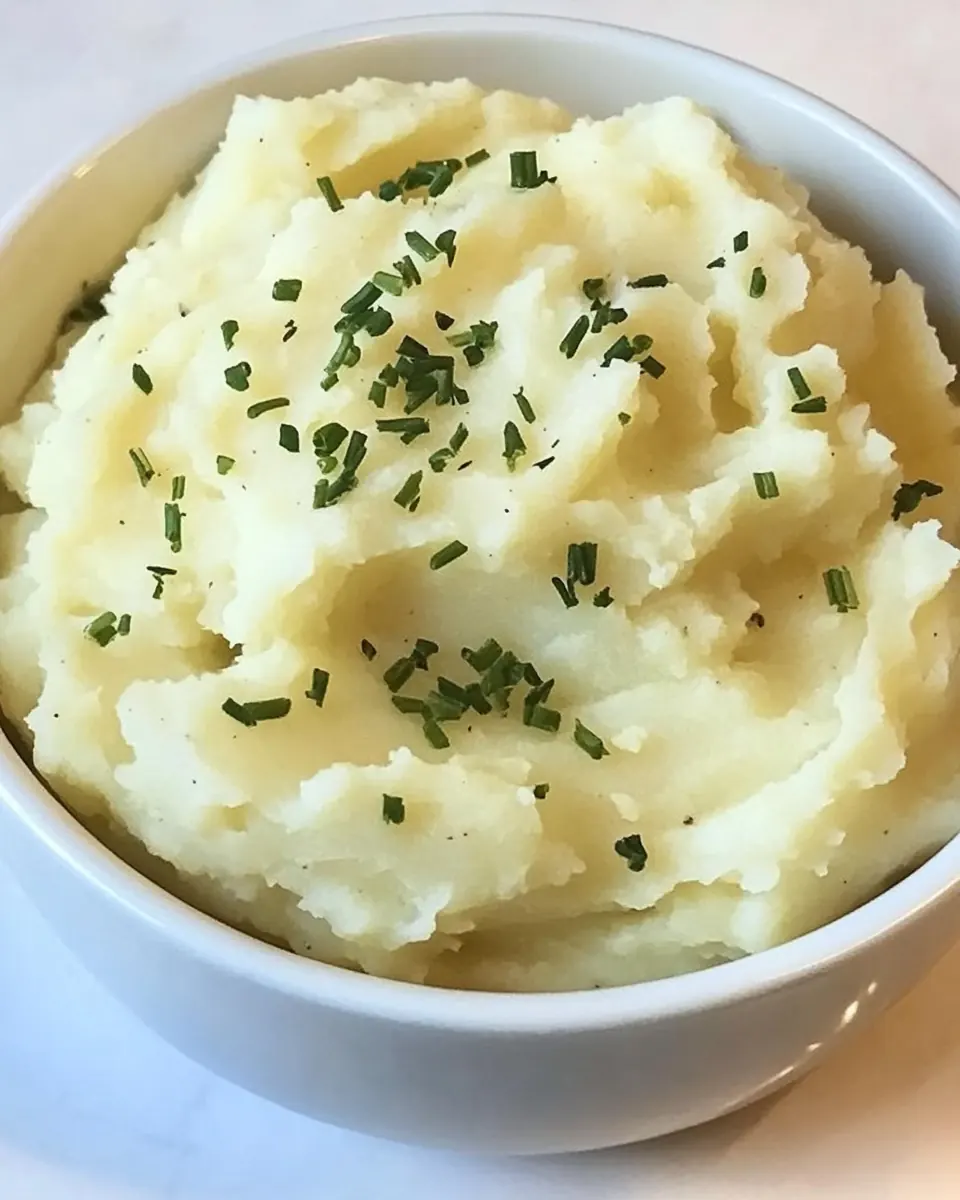
If desired, garnish with chopped chives.: Fresh chives bring a cool green note and a soft onion scent that contrasts with the warm, creamy mash. Scatter them just before serving so their color and freshness remain vivid. The sound is subtle, but the visual cue of green against creamy white signals readiness and care. A common misstep is adding herbs too early, which can wilt them and dull their flavor. Garnish at the last moment, and serve while the mash is still steamy for the best texture and aroma.