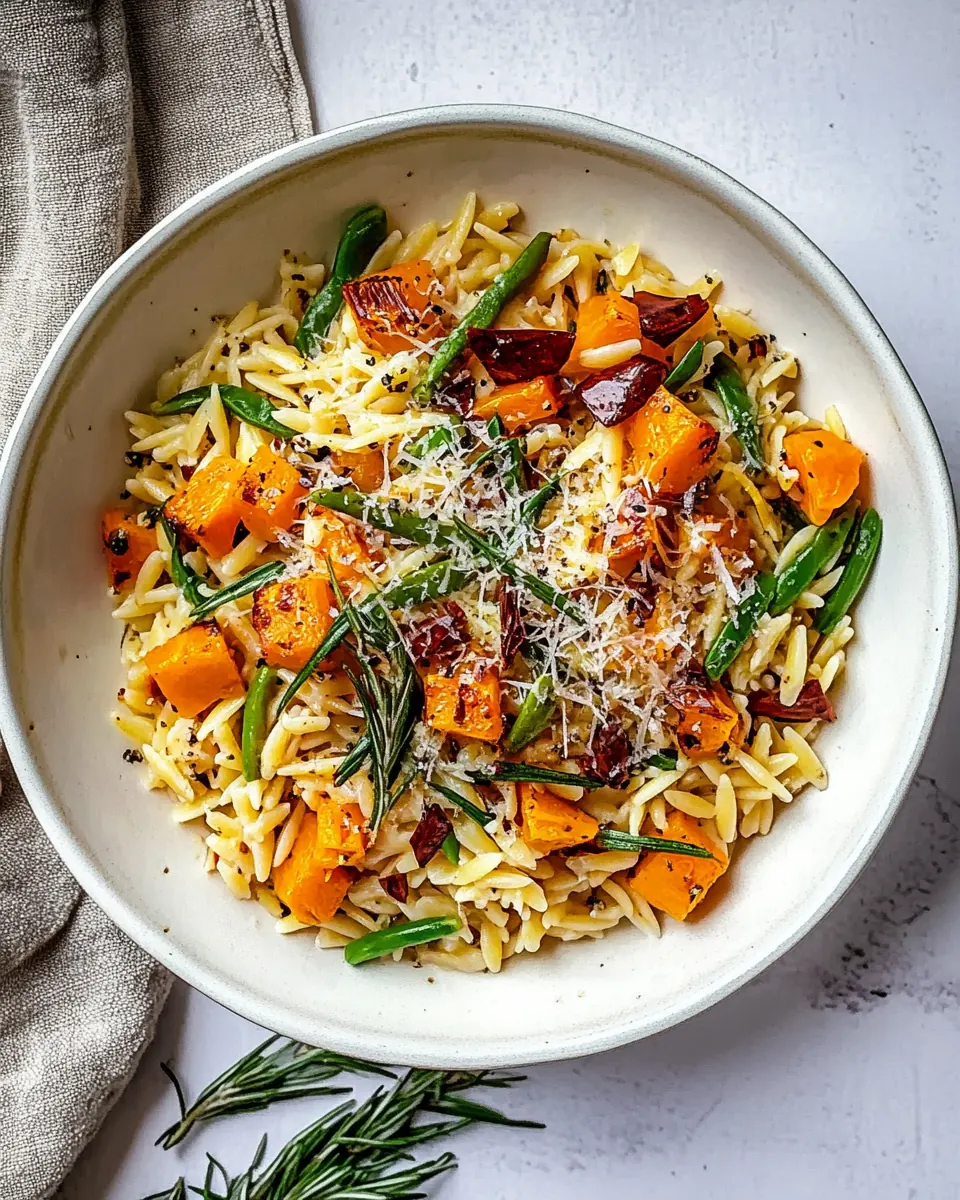
Preheat oven to 400 degrees F. Place the squash on a large baking sheet and drizzle with the olive oil. Toss until well coated. Season with salt and pepper. Arrange the squash in one layer and roast for 25 to 30 minutes, until the squash is tender, turning once with a spatula.: Warmth and charring are the clues you want here, the edges should show golden brown caramelization while the centers remain tender enough to yield easily to a fork. The scent will shift from raw vegetal to sweet and nutty, and you should hear almost no sound, just a gentle oven hush. This roasting step concentrates sugars, which is crucial to the finished flavor, so resist the urge to under roast. A common mistake is overcrowding the pan, which causes steaming and prevents browning. If pieces are varying dramatically in size, cut them so they finish at the same time. Use a spatula to turn them once midway so multiple faces get caramelized.
While the squash is roasting, make the toasted rosemary garlic pecans. In a small skillet, melt the butter over medium heat. Add the pecans, garlic, and rosemary. Cook until the pecans are toasted, about 3 to 5 minutes, stirring often. Transfer to a cutting board. Sprinkle with salt. Roughly chop and set aside.: The moment you start toasting the nuts you will smell a warm, toasty aroma combined with the herbal lift of rosemary and the faint sweet savory note of garlic. The nuts will turn a deeper mahogany and develop a satisfying snap when gently pressed. Stirring constantly keeps the garlic from sticking and burning, which is important because scorched garlic becomes acrid. If the butter starts foaming heavily or the pan gives off a bitter smell, lower the heat immediately. After toasting, let the nuts cool briefly on the board so they crisp up before chopping; chopping while too hot can make them gummy.
Melt the butter in a large pot over medium-high heat. Add the shallot and sauté for 3 to 5 minutes or until softened.: You should see the shallot pieces turn translucent and begin to release a soft, sweet aroma, not brown. The pan will make a gentle sizzling sound as the moisture evaporates. This step builds the flavor base, turning raw sharpness into mellow sweetness that supports the whole dish. Avoid high heat which can cause the shallot to color too fast and introduce burnt flavors. If it starts to brown, lower the heat and stir more frequently.
Stir in the garlic, rosemary, thyme, and uncooked orzo and reduce the heat to medium low. Cook for 2 to 3 minutes, stirring frequently until some pieces are slightly toasted and brown.: As the orzo toasts, the pan will emit a warm, nutty aroma and you may notice tiny pops as moisture in the pasta releases. Toasting briefly adds depth and prevents the final dish from tasting one dimensional. The herbs will bloom in the fat and infuse the grains. Be careful not to let the garlic scorch during this period; if the pan becomes too lively, move it off heat briefly. If the orzo starts to turn very dark in spots, that is a sign you pushed the heat too high.
Pour in 3 cups of broth and bring to a boil. Reduce to a simmer and cook for 10 to 12 minutes, stirring often to make sure the orzo doesn’t stick to the bottom of the pan. The orzo is done when it is al dente and most of the broth has been absorbed. If you need to add an extra 1/2 of broth, you can.: You will hear a gentle simmer and see steam lifting from the pot as the orzo swells. Stirring keeps the grains from clumping and ensures even cooking; the surface should look creamy as the starches release. Al dente means there is a slight bite without being chalky in the center, and most liquid should be clinging to the grains rather than pooling. If the mixture seems dry before the orzo is tender, add the optional extra 1/2 cup of vegetable broth . A common error is walking away and letting the bottom scorch, which creates bitter notes, so stay attentive and stir with a wooden spoon.
Stir in the roasted butternut squash, kale, heavy cream, and parmesan cheese. Stir until the kale is wilted and the orzo is creamy. Season with salt and pepper, to taste.: Once you add the roasted butternut squash and chopped kale , you will see the colors come alive, the orange and deep green contrasting against the pale orzo . The cream should gently warm and sheath each grain, producing a silky, glossy finish, while the Parmesan cheese melts in and contributes savory umami. Wilted kale is the indicator you are at the right temperature; it should be tender but still bright. Taste and adjust seasoning since the Parmesan cheese and broth already contain salt. Adding seasoning earlier can lead to over salting at the end.
Garnish with the toasted pecans, crushed red pepper flakes, and extra Parmesan cheese, if desired. Serve warm.: The final garnishes bring texture, a faint kick, and an extra layer of savory brightness. Sprinkle the chopped toasted pecans so each serving gets both crunch and herbaceousness; you will hear the contrast in the bite. Crushed red pepper adds a slow warming heat that balances the creaminess. Serve while warm, as orzo tends to firm up as it cools. A mistake people make is letting it sit too long before serving, which causes the sauce to thicken and lose that luxurious mouthfeel.