Place a rack in the center of the oven and preheat the oven to 400°F. Line a large rimmed baking sheet with parchment paper.: You will notice the oven heating and a faint hum as it reaches temperature, which ensures even roasting for the vegetables. Preheating is essential so the butternut squash and onion begin caramelizing right away, rather than steaming and coming out pale. A common mistake is to skip preheating, which leads to longer roast times and uneven browning.
Cut the very top off a bulb of garlic so that the top of the cloves are exposed (see Roasted Garlic for even more prep tips). Place a square of aluminum foil large enough to wrap around it completely on top of the prepared baking sheet, set the garlic bulb in its center, then drizzle the garlic with 1 tablespoon of the oil. Wrap the foil up and around the garlic so the garlic is completely enclosed. Scoot it to one corner of the baking sheet.: As the garlic roasts, it will soften and take on a nutty, sweet scent; the foil traps steam so the cloves turn tender rather than dry. You should hear nothing, but when you unwrap the foil the aroma will be rich and mellow. Avoid overroasting which can char the cloves and introduce a bitter edge.
With the tines of a fork, lightly prick the butternut squash skin all over. Trim off its stem end and a little bit off of its bottom end so it can stand up flat. Stand the squash up on its bottom end, then with a very sharp knife, slice it in half lengthwise from top to bottom. Scoop out and discard the seeds and stringy bit. Place it cut sides-up on the baking sheet.: Pricking the skin lets steam escape and helps the squash cook evenly, while cutting it in half exposes the flesh so it roasts and caramelizes. You will hear a faint resistance when slicing through the raw squash, and when it roasts the cut surface will brush with a lightly bronzed color. Be careful with the knife as a common error is slipping; stabilize the squash so your cuts are safe and controlled.
Trim off the stem ends of the onion and halve it lengthwise through the stem. Peel each half (discard the peels) and then place the halves cut-sides up on the baking sheet beside the squash.: The exposed cut side of the onion will concentrate sugars while roasting, turning sweet and tender. You will see the layers soften and the edges caramelize slightly, creating deeper savory notes. Avoid leaving papery peels on the baking sheet as they can burn and add off flavors to the pan.
Drizzle the squash and onion with the remaining 2 tablespoons oil. With your fingers, rub the squash and onion lightly so the cut sides are evenly coated with oil. Sprinkle the onion and squash with 1 teaspoon salt (it will look like a lot). Roast until the squash is fork tender, about 40 to 50 minutes. Remove and let cool for 20 minutes.: As the vegetables roast the kitchen fills with a toasty, sweet aroma and the cut surfaces will turn glossy and golden. The salt helps draw out moisture and concentrate flavor, producing gentle caramelization. If you pull them too early you will find the texture still firm and difficult to blend, so be patient and look for a soft, yielding flesh.
While the squash cools, fill a large pot three-fourths of the way with water and bring to a boil. Salt the water well, then add the pasta. Cook until al-dente according to package instructions. Reserve 1 cup of the pasta water (DO NOT FORGET), then drain the pasta and quickly rinse it with cool water. Shake out as much water as you can, then set aside to drain further.: The bubbling pot and the starchy scent are normal; salting the water seasons the pasta from the inside out. Reserving pasta water is crucial because its starch helps the sauce cling to the noodles, creating a cohesive final dish. A common oversight is dumping the pasta water, which makes it harder to adjust the sauce consistency later.
Once the squash is cool enough to handle, tear away the skin and place the flesh into a high-powered blender or food processor in chunks. Discard any dark, burned outer onion layers and then add the remaining onion to the blender. Unwrap the garlic and squeeze the cooked garlic cloves out of their skin. Transfer to the blender.: You will feel the warm, silky butternut squash flesh yield under your spoon and smell the caramelized layers of onion and garlic . Working in chunks helps the blender process evenly. If you add too much hot vegetable at once your blender may struggle, so scoop in manageable amounts to avoid overheating the motor.
Add 1/2 cup of the milk and blend until smooth and creamy, adding more milk as needed so that the sauce will blend. The mixture will be thick. Stop to scrape down the blender as needed.: The blender will produce a velvety, aromatic purée that smells sweet and roasted. Scraping down the sides ensures no unmixed pockets remain and gives a consistently smooth texture. If the mixture seems grainy, add liquid incrementally and blend longer, because insufficient blending can leave a slightly fibrous mouthfeel.
In the now-empty pasta pot, add the butter and sage. Cook on medium-low heat until butter starts to turn amber brown, stirring constantly and scraping up any brown bits that form on the bottom of the pot (this will take 2 to 4 minutes). Immediately add the blended squash mixture and the gouda. Cook over medium heat, stirring frequently, until the cheese is melted.: As the butter browns you will smell a toasty, nutty aroma that deepens the dish and the sage will become perfumed, lifting the sauce. Stirring constantly prevents burning and encourages the gouda to melt into the sauce evenly. If you allow the pan to get too hot, the dairy can separate or scorch, so keep the heat moderate and patient stirring.
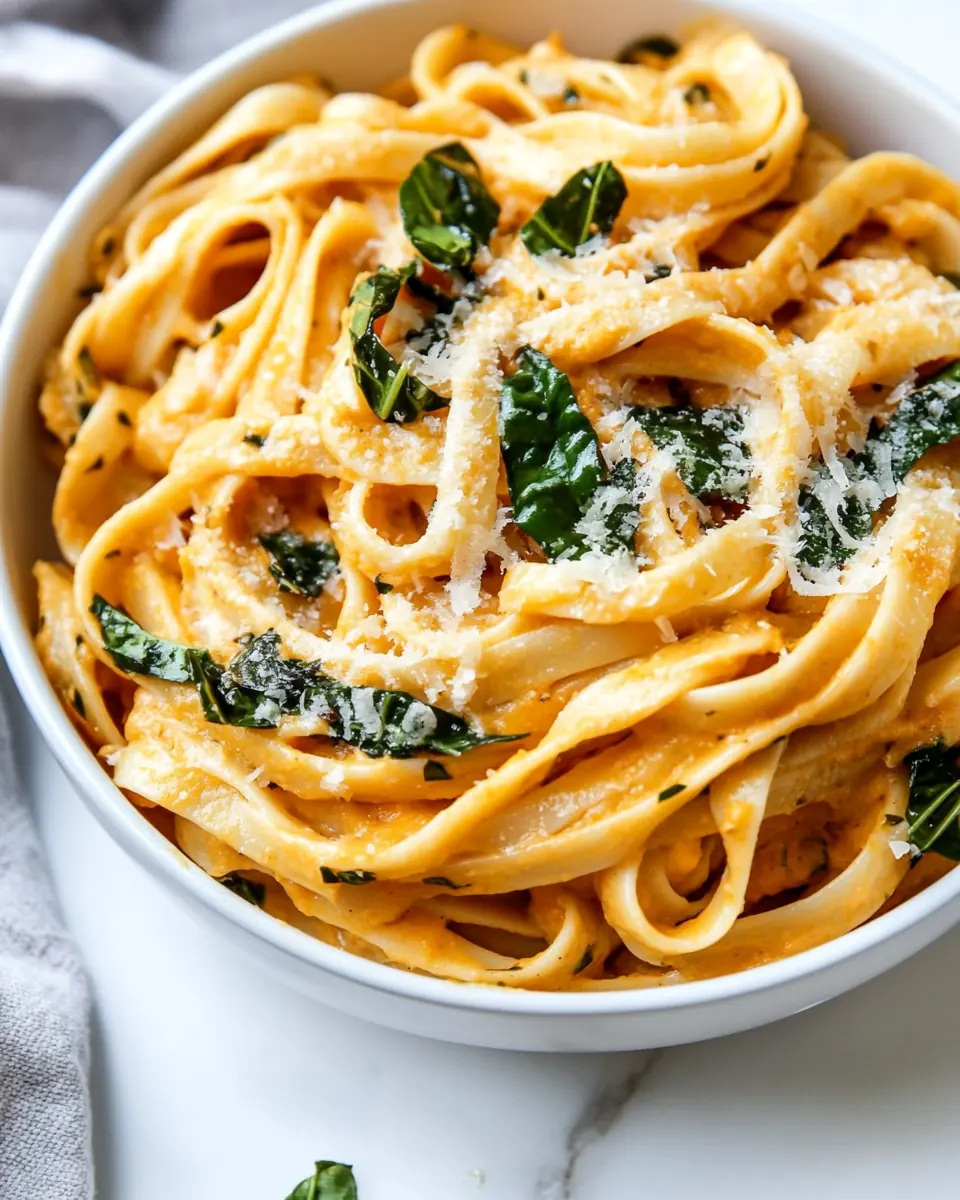
Shake the pasta one more time to remove any lingering water, then add to the pot. Add the red pepper flakes. Stir to combine, adding the reserved pasta water (or more milk) to loosen it as needed. Taste and adjust the salt to your liking. Serve immediately, with a sprinkle of Parmesan cheese and additional fresh sage.: When you add the pasta to the sauce the aroma will lift and steam will rise, signaling the final marriage of flavors. The reserved pasta water acts like glue, smoothing and thinning the sauce to the right cling and sheen. If you skip tasting for seasoning at the end, the dish can feel flat, so always sample and adjust salt before serving.