Butternut Squash Pasta
Butternut Squash Pasta has been one of those cozy, autumnal recipes I reach for when the evenings start to feel shorter and I want something comforting but not fussy. The first time I made it I remember the kitchen filling with a warm, slightly sweet aroma that made me slow down and actually enjoy the process of cooking instead of rushing through it. I loved how the butternut squash turned silky and lush, and how the roasted garlic melted into the sauce to create that gentle, savory backbone.
Over the years I have tweaked little things, and each time I serve Butternut Squash Pasta it sparks the same reaction around the table. Friends comment on the creamy texture, without any heaviness, and they always want to know my trick for getting the sauce so smooth. I usually tell them it is part technique, part patience, and part choosing the right handful of ingredients that actually sing together. The roasted onion and a hint of sage are subtle notes that make the dish feel elevated even though it is family friendly.
What I appreciate most about this recipe is how forgiving it is. You can roast the vegetables ahead of time, blend the sauce while you do other tasks, and finish everything in one pot so dinner comes together without stress. When I bring out a steaming bowl of Butternut Squash Pasta, people know they are in for something warm and nourishing. It has become my go to for uncomplicated weeknight dinners and impromptu gatherings, because it looks and tastes like effort, but it really rewards simple steps done with attention.
Recipe Snapshot
60 mins
20 mins
40 mins
Medium
450 kcal
American
Gluten-Free, Vegan
Dinner
Oven, Baking sheet, Parchment paper, Foil, Large pot, High powered blender or food processor
Why This Butternut Squash Pasta Stands Out
Rich but Light Comfort
I love how Butternut Squash Pasta manages to be luxuriously creamy without feeling heavy. The roasted butternut squash purees into a sauce that coats each strand or twist of pasta, giving you a lush mouthfeel that still lets the dish feel bright and approachable. When I want comfort food that does not weigh me down, this recipe is my first call.
Roasted Flavors That Deepen
Roasting the butternut squash, whole bulb of garlic, and onion concentrates the sweet notes and adds a gentle caramelized edge. I find that those roasted flavors create a more layered sauce than using boiled vegetables. Each bite brings a hint of nutty sweetness undercut by the savory garlic, and that complexity keeps people coming back for seconds.
Simple Pantry Friendly Ingredients
I appreciate recipes that don’t require specialty shopping, and this one leans on staples you likely have: olive oil, a splash of milk, a knob of butter, and a handful of cheese. Because the ingredient list is straightforward, it is easy to make variations while keeping the heart of the recipe intact. That versatility makes it a reliable weeknight winner in my kitchen.
Techniques That Reward Attention
I adore how small technique choices, like browning the butter until it smells toasty and nutty, or reserving pasta water to loosen the sauce, make a big difference. These are tiny actions that elevate the dish from good to memorable. I always tell friends, if you give these little details your attention, the end result will taste like you spent twice as long making it.
Family Friendly and Make Ahead
Finally, this dish scales and stores well, which matters in real life. I often roast extra vegetables ahead of time and blend the sauce later when I need a fast dinner. It reheats beautifully on the stovetop with a splash of milk, and the flavors often deepen overnight. That convenience is why I keep this recipe in heavy rotation.
Recipe Ingredients for Butternut Squash Pasta
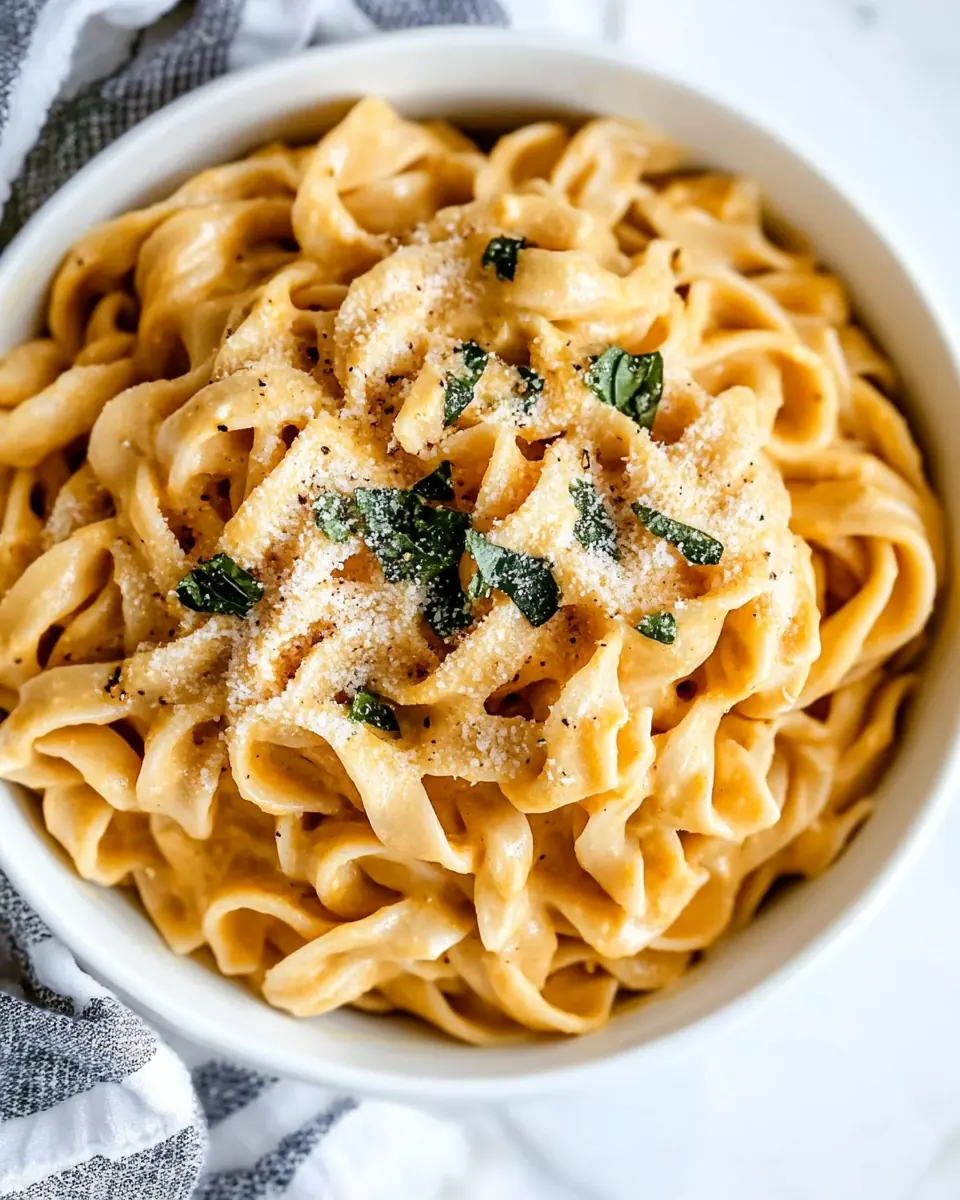
The ingredient list for Butternut Squash Pasta is intentionally focused and pantry friendly. Each item plays a clear role: the roasted vegetables provide sweet and savory body, the milk and cheeses add creaminess, and the pasta gives structure. Together they create a balanced bowl that is silky, aromatic, and satisfying.
- 1 large head garlic: Roast to mellow sharpness and bring out sweetness; used whole to infuse sauce with a deep, caramelized garlic flavor when mashed or blended.
- 1 medium butternut squash 2 pound to 2 1/2 pounds: Peel and cube to provide the base of the sauce; roasted or simmered until tender to create a creamy, naturally sweet butternut puree.
- 1 small onion: Sauté to build savory depth and aromatic foundation; chopped finely and cooked until translucent to complement the squash and garlic.
- 3 tablespoon extra-virgin olive oil divided: Dress and cook vegetables with a fruity, peppery oil; divided usage allows for sautéing aromatics first and finishing the dish with a glossy finish.
- 1 teaspoon kosher salt plus extra for cooking the pasta: Season to enhance and balance flavors throughout cooking; dissolved in cooking water or added to the sauce to bring out natural sweetness and reduce bitterness.
- 1/2 cup low-fat milk (I used 1%), plus additional as needed: Thin and enrich the sauce while adding mild creaminess; stirred in gradually to adjust texture and create a smooth, pourable consistency.
- 1 pound whole wheat rotini pasta or similar short, twisty, tubular pasta such as cavatappi, penne, or fusilli: Boil to provide the starchy base that carries the sauce; cooked to al dente to maintain bite and hold the sauce on each spiral or tube.
- 2 tablespoons unsalted butter: Enrich and add silkiness to the sauce; melted with the puree to create a richer mouthfeel and slightly glossy finish.
- 1 tablespoon finely chopped fresh sage plus additional for serving: Infuse herbaceous, slightly peppery notes; finely chopped and cooked briefly to release oils that brighten the squash and cheese.
- 4 ounces gouda cheese shredded (about 1 cup): Melt for smoky, creamy richness and nutty sweetness; stirred into the warm sauce to add body and a luscious, gooey texture.
- 1/4 teaspoon crushed red pepper flakes: Add heat and subtle warmth; sprinkled sparingly to lift the dish with a gentle, lingering spice.
- 1/4 cup finely grated Parmesan cheese about 1 ounce (optional): Garnish and contribute sharp, salty umami if desired; finely grated over the finished pasta to add complexity and a nutty finish.
How to Cook Butternut Squash Pasta
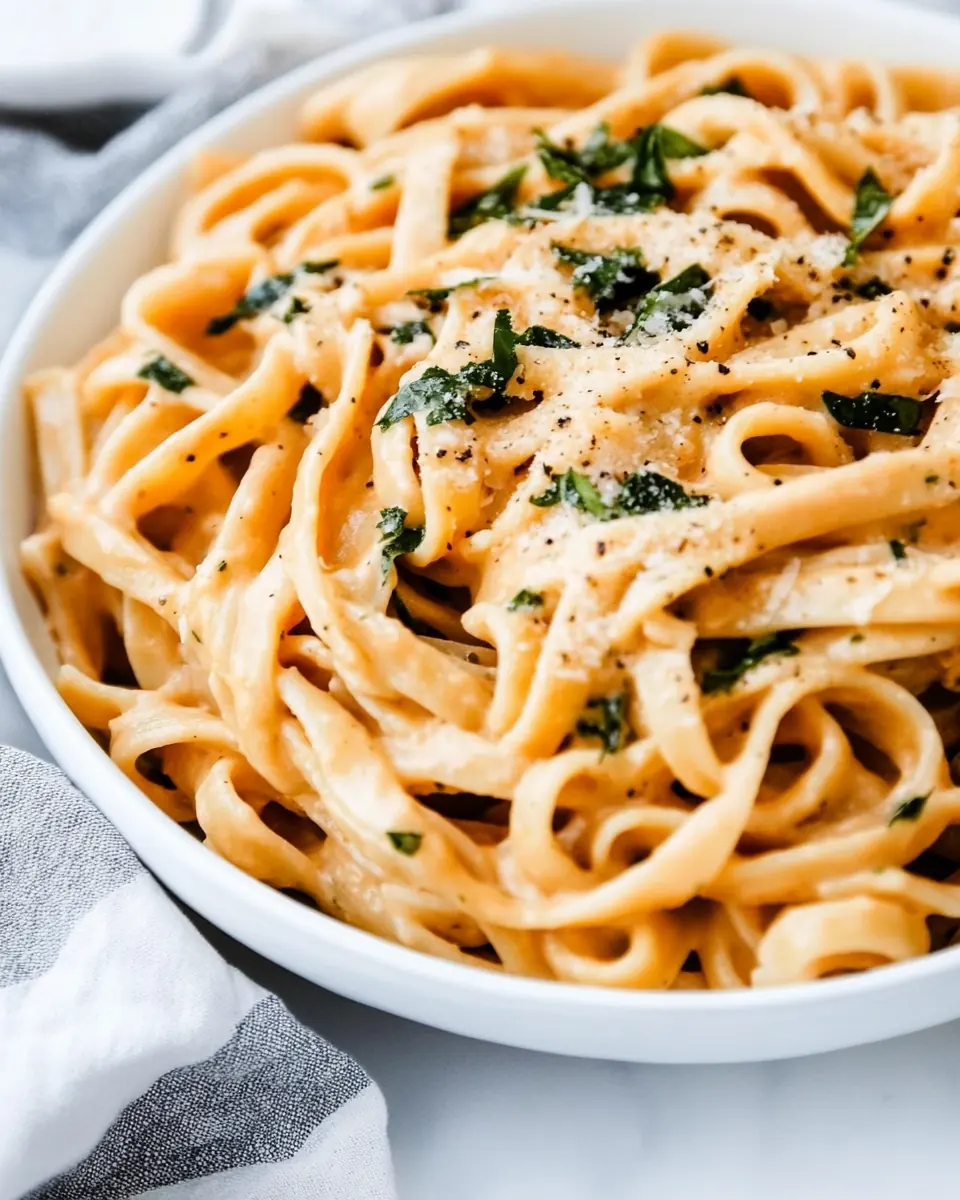
These instructions take you step by step from roasting to the final toss. The method leans on careful roasting and blending, followed by finishing the sauce on the stovetop so it is silky and perfectly seasoned. Read each step so you recognize the visual cues and avoid common pitfalls.
- Place a rack in the center of the oven and preheat the oven to 400°F. Line a large rimmed baking sheet with parchment paper.: You will notice the oven heating and a faint hum as it reaches temperature, which ensures even roasting for the vegetables. Preheating is essential so the butternut squash and onion begin caramelizing right away, rather than steaming and coming out pale. A common mistake is to skip preheating, which leads to longer roast times and uneven browning.
- Cut the very top off a bulb of garlic so that the top of the cloves are exposed (see Roasted Garlic for even more prep tips). Place a square of aluminum foil large enough to wrap around it completely on top of the prepared baking sheet, set the garlic bulb in its center, then drizzle the garlic with 1 tablespoon of the oil. Wrap the foil up and around the garlic so the garlic is completely enclosed. Scoot it to one corner of the baking sheet.: As the garlic roasts, it will soften and take on a nutty, sweet scent; the foil traps steam so the cloves turn tender rather than dry. You should hear nothing, but when you unwrap the foil the aroma will be rich and mellow. Avoid overroasting which can char the cloves and introduce a bitter edge.
- With the tines of a fork, lightly prick the butternut squash skin all over. Trim off its stem end and a little bit off of its bottom end so it can stand up flat. Stand the squash up on its bottom end, then with a very sharp knife, slice it in half lengthwise from top to bottom. Scoop out and discard the seeds and stringy bit. Place it cut sides-up on the baking sheet.: Pricking the skin lets steam escape and helps the squash cook evenly, while cutting it in half exposes the flesh so it roasts and caramelizes. You will hear a faint resistance when slicing through the raw squash, and when it roasts the cut surface will brush with a lightly bronzed color. Be careful with the knife as a common error is slipping; stabilize the squash so your cuts are safe and controlled.
- Trim off the stem ends of the onion and halve it lengthwise through the stem. Peel each half (discard the peels) and then place the halves cut-sides up on the baking sheet beside the squash.: The exposed cut side of the onion will concentrate sugars while roasting, turning sweet and tender. You will see the layers soften and the edges caramelize slightly, creating deeper savory notes. Avoid leaving papery peels on the baking sheet as they can burn and add off flavors to the pan.
- Drizzle the squash and onion with the remaining 2 tablespoons oil. With your fingers, rub the squash and onion lightly so the cut sides are evenly coated with oil. Sprinkle the onion and squash with 1 teaspoon salt (it will look like a lot). Roast until the squash is fork tender, about 40 to 50 minutes. Remove and let cool for 20 minutes.: As the vegetables roast the kitchen fills with a toasty, sweet aroma and the cut surfaces will turn glossy and golden. The salt helps draw out moisture and concentrate flavor, producing gentle caramelization. If you pull them too early you will find the texture still firm and difficult to blend, so be patient and look for a soft, yielding flesh.
- While the squash cools, fill a large pot three-fourths of the way with water and bring to a boil. Salt the water well, then add the pasta. Cook until al-dente according to package instructions. Reserve 1 cup of the pasta water (DO NOT FORGET), then drain the pasta and quickly rinse it with cool water. Shake out as much water as you can, then set aside to drain further.: The bubbling pot and the starchy scent are normal; salting the water seasons the pasta from the inside out. Reserving pasta water is crucial because its starch helps the sauce cling to the noodles, creating a cohesive final dish. A common oversight is dumping the pasta water, which makes it harder to adjust the sauce consistency later.
- Once the squash is cool enough to handle, tear away the skin and place the flesh into a high-powered blender or food processor in chunks. Discard any dark, burned outer onion layers and then add the remaining onion to the blender. Unwrap the garlic and squeeze the cooked garlic cloves out of their skin. Transfer to the blender.: You will feel the warm, silky butternut squash flesh yield under your spoon and smell the caramelized layers of onion and garlic . Working in chunks helps the blender process evenly. If you add too much hot vegetable at once your blender may struggle, so scoop in manageable amounts to avoid overheating the motor.
- Add 1/2 cup of the milk and blend until smooth and creamy, adding more milk as needed so that the sauce will blend. The mixture will be thick. Stop to scrape down the blender as needed.: The blender will produce a velvety, aromatic purée that smells sweet and roasted. Scraping down the sides ensures no unmixed pockets remain and gives a consistently smooth texture. If the mixture seems grainy, add liquid incrementally and blend longer, because insufficient blending can leave a slightly fibrous mouthfeel.
- In the now-empty pasta pot, add the butter and sage. Cook on medium-low heat until butter starts to turn amber brown, stirring constantly and scraping up any brown bits that form on the bottom of the pot (this will take 2 to 4 minutes). Immediately add the blended squash mixture and the gouda. Cook over medium heat, stirring frequently, until the cheese is melted.: As the butter browns you will smell a toasty, nutty aroma that deepens the dish and the sage will become perfumed, lifting the sauce. Stirring constantly prevents burning and encourages the gouda to melt into the sauce evenly. If you allow the pan to get too hot, the dairy can separate or scorch, so keep the heat moderate and patient stirring.
- Shake the pasta one more time to remove any lingering water, then add to the pot. Add the red pepper flakes. Stir to combine, adding the reserved pasta water (or more milk) to loosen it as needed. Taste and adjust the salt to your liking. Serve immediately, with a sprinkle of Parmesan cheese and additional fresh sage.: When you add the pasta to the sauce the aroma will lift and steam will rise, signaling the final marriage of flavors. The reserved pasta water acts like glue, smoothing and thinning the sauce to the right cling and sheen. If you skip tasting for seasoning at the end, the dish can feel flat, so always sample and adjust salt before serving.
Make It Your Own
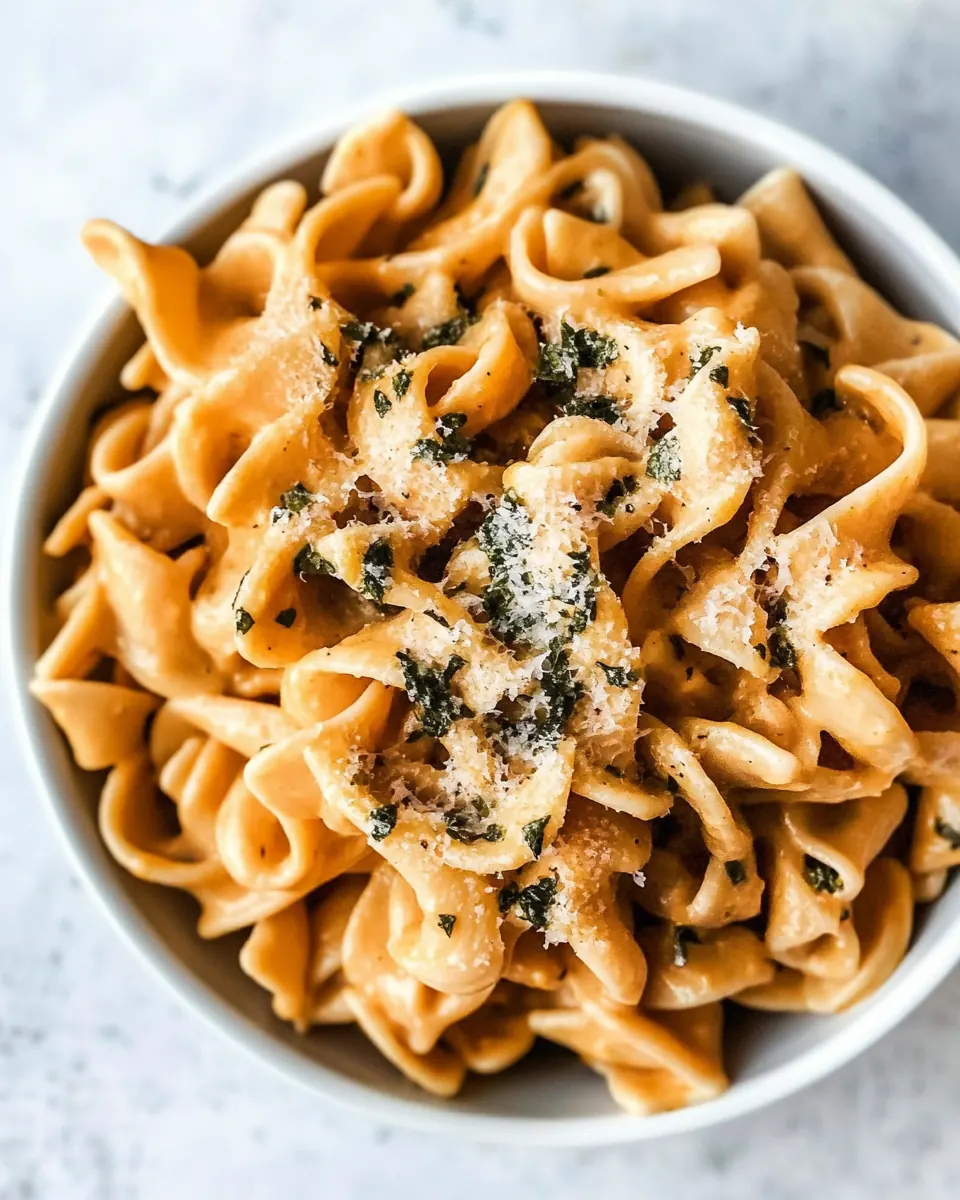
This recipe is flexible and forgiving, so small changes can personalize the final bowl without losing what makes it special. Below are detailed tips and notes that expand on the recipe notes you already have, each starting with a clear phrase to guide you.
- Storage: Refrigerate pasta in an airtight storage container for up to 4 days, making sure it is cooled to room temperature before sealing to avoid sogginess. When storing, place a piece of parchment between layers if you have multiple servings so they don’t stick together.
- Reheating: Rewarm leftovers in a pot on the stovetop over medium low heat, adding a splash of milk as needed to revive creaminess. Stir frequently and keep the heat low to prevent the sauce from separating, and cover briefly to maintain moisture.
- Freezing: Freeze pasta in an airtight freezer safe storage container for up to 3 months; label with the date and portion size for easy thawing. Thaw overnight in the refrigerator before reheating to preserve texture and avoid overcooking when warming.
- Adjusting consistency: Use reserved pasta water to loosen the sauce if it becomes too thick; a couple of tablespoons usually does the trick. Add liquid gradually, stirring between additions until you reach the desired gloss and cling.
- Serving temperature: Serve immediately after tossing so the cheeses are warm and melty, and garnish with extra Parmesan and fresh sage for contrast. A last minute sprinkle of crushed red pepper can provide a lively counterpoint to the mellow sauce.
Perfect Matches for Butternut Squash Pasta
This dish pairs well with simple sides and suits a variety of occasions. Below I outline serving ideas, storage notes, and occasions where it shines most, using clear phrases to highlight practical suggestions.
- Casual weeknight dinners: Serve bowls of Butternut Squash Pasta with a light green salad tossed in a bright vinaigrette to cut through the creaminess and keep the meal balanced.
- Comforting weekend meals: Bring it out for a slow Sunday supper, paired with crusty bread for sopping up any remaining sauce and extra grated Parmesan on the table for guests to help themselves.
- Holiday side option: For fall gatherings, this recipe complements roasted proteins and autumnal sides; present it in a warm dish so it stays glossy while guests serve themselves.
- Make ahead for ease: Roast the vegetables a day ahead and store them refrigerated, then blend and finish the sauce the next day for a quick assembly when you need dinner fast.
- Storage tips: Cool completely before refrigerating to keep the texture stable, and reheat gently on low with a splash of milk to restore creaminess without splitting.
- Seasonal pairing: This is a natural fit for fall menus, when butternut squash is at its best, and it pairs beautifully with baked apples or roasted root vegetables as complementary sides.
FAQ
Conclusion
Butternut Squash Pasta shines because it transforms simple, seasonal ingredients into a silky, comforting meal that feels both homey and elevated. The combination of roasted butternut squash, mellow roasted garlic, and melted gouda creates a luscious sauce that clings to twisty pasta for deeply satisfying bites. Give it a try on a cool evening when you want something warm, nourishing, and pleasantly uncomplicated; it rewards small attentions and fits beautifully into weeknight rotation or casual gatherings.
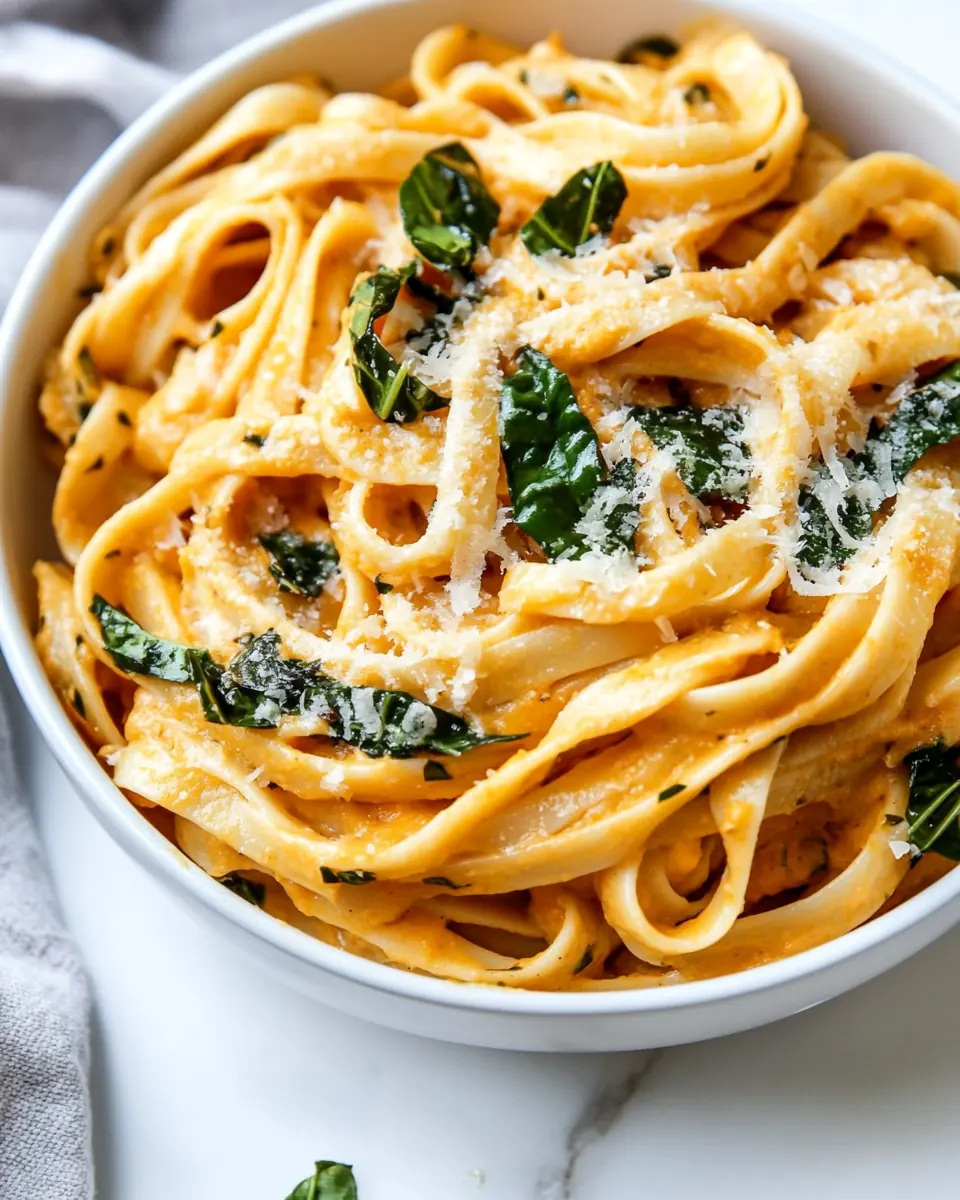
Butternut Squash Pasta
Ingredients
Equipment
Method
- Place a rack in the center of the oven and preheat the oven to 400°F. Line a large rimmed baking sheet with parchment paper.: You will notice the oven heating and a faint hum as it reaches temperature, which ensures even roasting for the vegetables. Preheating is essential so the butternut squash and onion begin caramelizing right away, rather than steaming and coming out pale. A common mistake is to skip preheating, which leads to longer roast times and uneven browning.
- Cut the very top off a bulb of garlic so that the top of the cloves are exposed (see Roasted Garlic for even more prep tips). Place a square of aluminum foil large enough to wrap around it completely on top of the prepared baking sheet, set the garlic bulb in its center, then drizzle the garlic with 1 tablespoon of the oil. Wrap the foil up and around the garlic so the garlic is completely enclosed. Scoot it to one corner of the baking sheet.: As the garlic roasts, it will soften and take on a nutty, sweet scent; the foil traps steam so the cloves turn tender rather than dry. You should hear nothing, but when you unwrap the foil the aroma will be rich and mellow. Avoid overroasting which can char the cloves and introduce a bitter edge.
- With the tines of a fork, lightly prick the butternut squash skin all over. Trim off its stem end and a little bit off of its bottom end so it can stand up flat. Stand the squash up on its bottom end, then with a very sharp knife, slice it in half lengthwise from top to bottom. Scoop out and discard the seeds and stringy bit. Place it cut sides-up on the baking sheet.: Pricking the skin lets steam escape and helps the squash cook evenly, while cutting it in half exposes the flesh so it roasts and caramelizes. You will hear a faint resistance when slicing through the raw squash, and when it roasts the cut surface will brush with a lightly bronzed color. Be careful with the knife as a common error is slipping; stabilize the squash so your cuts are safe and controlled.
- Trim off the stem ends of the onion and halve it lengthwise through the stem. Peel each half (discard the peels) and then place the halves cut-sides up on the baking sheet beside the squash.: The exposed cut side of the onion will concentrate sugars while roasting, turning sweet and tender. You will see the layers soften and the edges caramelize slightly, creating deeper savory notes. Avoid leaving papery peels on the baking sheet as they can burn and add off flavors to the pan.
- Drizzle the squash and onion with the remaining 2 tablespoons oil. With your fingers, rub the squash and onion lightly so the cut sides are evenly coated with oil. Sprinkle the onion and squash with 1 teaspoon salt (it will look like a lot). Roast until the squash is fork tender, about 40 to 50 minutes. Remove and let cool for 20 minutes.: As the vegetables roast the kitchen fills with a toasty, sweet aroma and the cut surfaces will turn glossy and golden. The salt helps draw out moisture and concentrate flavor, producing gentle caramelization. If you pull them too early you will find the texture still firm and difficult to blend, so be patient and look for a soft, yielding flesh.
- While the squash cools, fill a large pot three-fourths of the way with water and bring to a boil. Salt the water well, then add the pasta. Cook until al-dente according to package instructions. Reserve 1 cup of the pasta water (DO NOT FORGET), then drain the pasta and quickly rinse it with cool water. Shake out as much water as you can, then set aside to drain further.: The bubbling pot and the starchy scent are normal; salting the water seasons the pasta from the inside out. Reserving pasta water is crucial because its starch helps the sauce cling to the noodles, creating a cohesive final dish. A common oversight is dumping the pasta water, which makes it harder to adjust the sauce consistency later.
- Once the squash is cool enough to handle, tear away the skin and place the flesh into a high-powered blender or food processor in chunks. Discard any dark, burned outer onion layers and then add the remaining onion to the blender. Unwrap the garlic and squeeze the cooked garlic cloves out of their skin. Transfer to the blender.: You will feel the warm, silky butternut squash flesh yield under your spoon and smell the caramelized layers of onion and garlic . Working in chunks helps the blender process evenly. If you add too much hot vegetable at once your blender may struggle, so scoop in manageable amounts to avoid overheating the motor.
- Add 1/2 cup of the milk and blend until smooth and creamy, adding more milk as needed so that the sauce will blend. The mixture will be thick. Stop to scrape down the blender as needed.: The blender will produce a velvety, aromatic purée that smells sweet and roasted. Scraping down the sides ensures no unmixed pockets remain and gives a consistently smooth texture. If the mixture seems grainy, add liquid incrementally and blend longer, because insufficient blending can leave a slightly fibrous mouthfeel.
- In the now-empty pasta pot, add the butter and sage. Cook on medium-low heat until butter starts to turn amber brown, stirring constantly and scraping up any brown bits that form on the bottom of the pot (this will take 2 to 4 minutes). Immediately add the blended squash mixture and the gouda. Cook over medium heat, stirring frequently, until the cheese is melted.: As the butter browns you will smell a toasty, nutty aroma that deepens the dish and the sage will become perfumed, lifting the sauce. Stirring constantly prevents burning and encourages the gouda to melt into the sauce evenly. If you allow the pan to get too hot, the dairy can separate or scorch, so keep the heat moderate and patient stirring.
- Shake the pasta one more time to remove any lingering water, then add to the pot. Add the red pepper flakes. Stir to combine, adding the reserved pasta water (or more milk) to loosen it as needed. Taste and adjust the salt to your liking. Serve immediately, with a sprinkle of Parmesan cheese and additional fresh sage.: When you add the pasta to the sauce the aroma will lift and steam will rise, signaling the final marriage of flavors. The reserved pasta water acts like glue, smoothing and thinning the sauce to the right cling and sheen. If you skip tasting for seasoning at the end, the dish can feel flat, so always sample and adjust salt before serving.
Notes
- Storage: Refrigerate pasta in an airtight storage container for up to 4 days, making sure it is cooled to room temperature before sealing to avoid sogginess. When storing, place a piece of parchment between layers if you have multiple servings so they don’t stick together.
- Reheating: Rewarm leftovers in a pot on the stovetop over medium low heat, adding a splash of milk as needed to revive creaminess. Stir frequently and keep the heat low to prevent the sauce from separating, and cover briefly to maintain moisture.
- Freezing: Freeze pasta in an airtight freezer safe storage container for up to 3 months; label with the date and portion size for easy thawing. Thaw overnight in the refrigerator before reheating to preserve texture and avoid overcooking when warming.
- Adjusting consistency: Use reserved pasta water to loosen the sauce if it becomes too thick; a couple of tablespoons usually does the trick. Add liquid gradually, stirring between additions until you reach the desired gloss and cling.
- Serving temperature: Serve immediately after tossing so the cheeses are warm and melty, and garnish with extra Parmesan and fresh sage for contrast. A last minute sprinkle of crushed red pepper can provide a lively counterpoint to the mellow sauce.