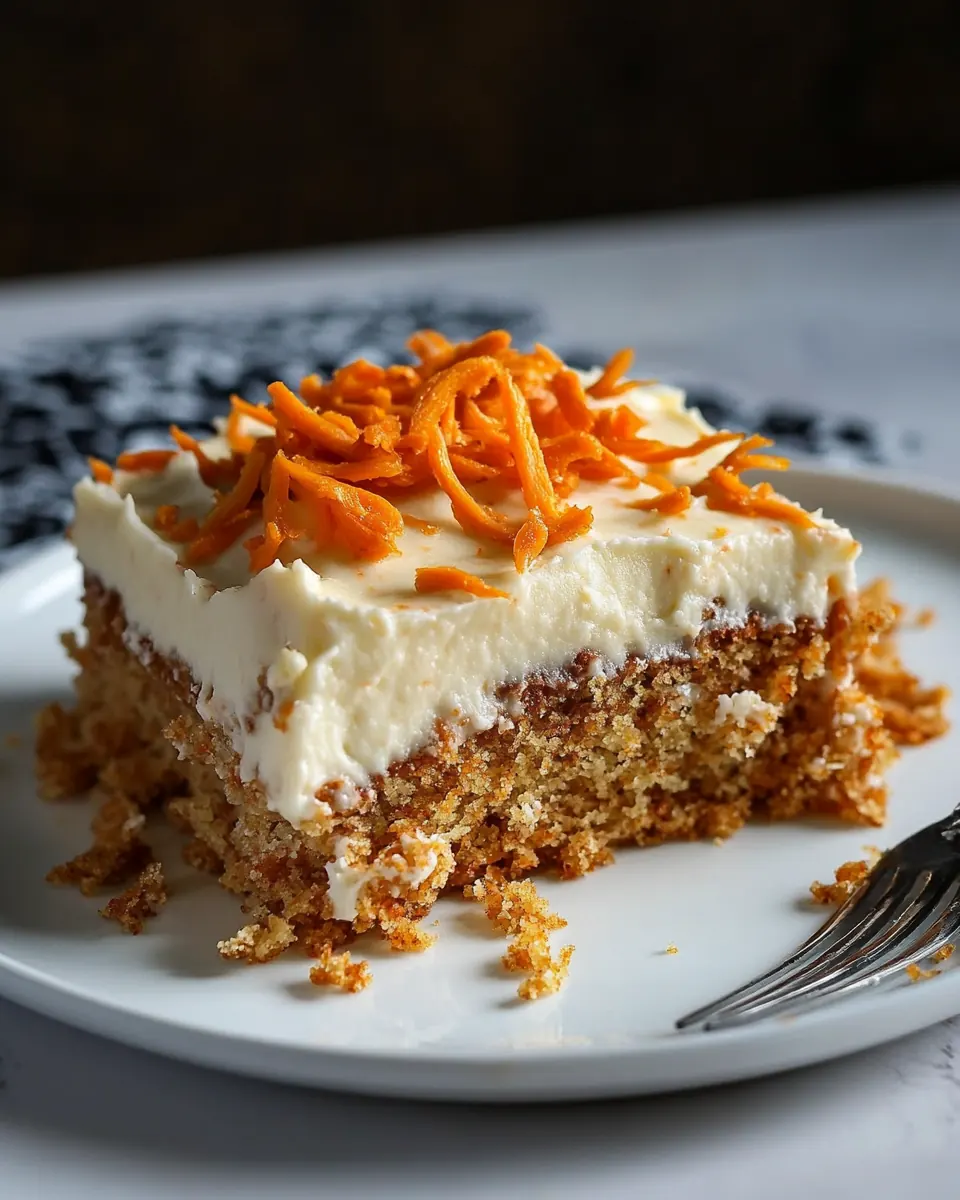
FOR THE CAKE:: : The oven will announce itself with warmth and a faint sweet baking scent as it comes to temperature, creating an even environment for rise and color development. Pay attention to the set of the oven rack so heat circulates around the pan, ensuring the top browns without burning. A common mistake is placing the pan too close to the top element which causes uneven doming. If your oven runs hot, rotate the pan halfway through the bake to promote even coloring; you should smell cinnamon and a toasty sweetness emergin during the last third of baking.
Preheat the oven to 350 F, grease a 9 x 13 inch pan with butter and dust with flour. Do not skip this step! You can alternatively use three 9 inch pans.: As the oven warms, prepare the pan carefully so the cake releases cleanly when cool. Greasing and flouring creates a thin barrier between batter and pan, promoting even edges and a smooth base. If you skip flouring, the edges may stick and tear when inverted. I press a thin layer of butter across the base and sides, then tap in a spoonful of flour and shake to coat; this also reduces uneven browning at the margins.
In a small bowl, stir together the dry ingredients (flour, baking powder, baking soda, salt, cinnamon, nutmeg and allspice) and set aside.: As you whisk, inhale the warm spice aroma that will form the cake's character. Combining these dry elements beforehand ensures even distribution of leaveners and spices, preventing pockets of baking soda or salt. Sift or whisk until uniform, and break up any clumps of powdered spices. A common error is adding wet ingredients too soon, which can lead to uneven rise; reserve this bowl until you are ready to fold.
In another bowl, toss the carrots with the lemon juice and set aside.: The acid brightens the carrots and prevents discoloration while adding subtle lift to the flavor. Tossing also distributes moisture so the shreds integrate smoothly into the batter. If the carrots are overly wet, gently press a handful in a towel to remove excess liquid, since too much moisture can lengthen baking time. You should see glossy orange shreds that smell fresh and citrus edged.
In a large bowl, blend the sugar, oil, vanilla and eggs until smooth.: When these are combined, the mixture should look glossy and slightly thickened, with a sweet, neutral aroma from the oil and a warm vanilla scent. This emulsification step traps air, which contributes to rise, and dissolves sugar for tenderness. A frequent misstep is using cold eggs, which can prevent proper emulsion; bring them to room temperature for a silkier batter.
Add the flour mixture, stirring just to combine.: As you fold, stop when streaks of flour disappear to avoid gluten overdevelopment, which would make the cake tough. You will notice the batter shift from loose to slightly thicker, with a pale, speckled appearance from the spices. If it feels gummy, you likely overmixed, which flattens the texture; be gentle and patient when incorporating.
Fold in the carrot mixture and nuts. The nuts are optional, but I highly recommend adding them!: Gentle folding preserves air and ensures the shredded carrots remain suspended rather than sinking. The batter should look flecked with orange and nutty pieces, and you should smell the citrus and warm spices together. A common problem is pressing the carrots too firmly into the batter creating clumps; use a rubber spatula and use enveloping motions until distributed.
Pour the mixture into the prepared pan and bake for 45-60 minutes (if baking multiple layers, the baking time will need to be adjusted accordingly), or until a toothpick inserted comes out clean. Cool completely before frosting.: The oven will transform the batter into a golden, spiced loaf, with a domed, lightly crackled top. Insert a toothpick to check for moist crumbs which indicates doneness. Underbaking yields a dense, wet center, while overbaking leads to dryness. Let the cake cool fully so the crumb sets; frosting too soon will cause sliding and a runny finish.
TO MAKE THE FROSTING:: : The frosting comes together quickly, and sensory signs like glossy texture and a tangy aroma guide you. Mix at medium speed and watch for the mixture to thicken without becoming soupy. Overbeating can make it too loose, while underbeating leaves it grainy.
To make the frosting, blend together the butter, cream cheese, vanilla and lemon juice.: At this stage the room should smell bright and buttery, with the faint tartness from lemon. Blend until smooth and homogenous, taking care not to let the bowl warm excessively which can cause the frosting to be too soft. A common slip is using cold cream cheese which yields lumps; ensure both butter and cream cheese are room temperature.
Gradually add in the powdered sugar and beat until smooth and fluffy. The frosting should hold a soft peak when you lift up the whisk/beater.: Adding powdered sugar slowly prevents a cloud of dust and lets you control consistency. The frosting should feel silky and just thick enough to spread, with a clean lemon perfume. If it becomes too thin, chill briefly; if too stiff, beat in a teaspoon of lemon juice or a touch of milk. Do not add all the sugar at once which can make mixing difficult and create lumps.
I like to garnish the cake with some cinnamon and chopped nuts, but this is totally optional.: Garnishing adds visual texture and a final flavor note, with toasted nuts giving a crunchy contrast to the soft frosting. Sprinkle thoughtfully so each slice gets a bit of crunch. Toasting nuts too long is the main danger, which makes them bitter; aim for a light golden color and fragrant aroma.