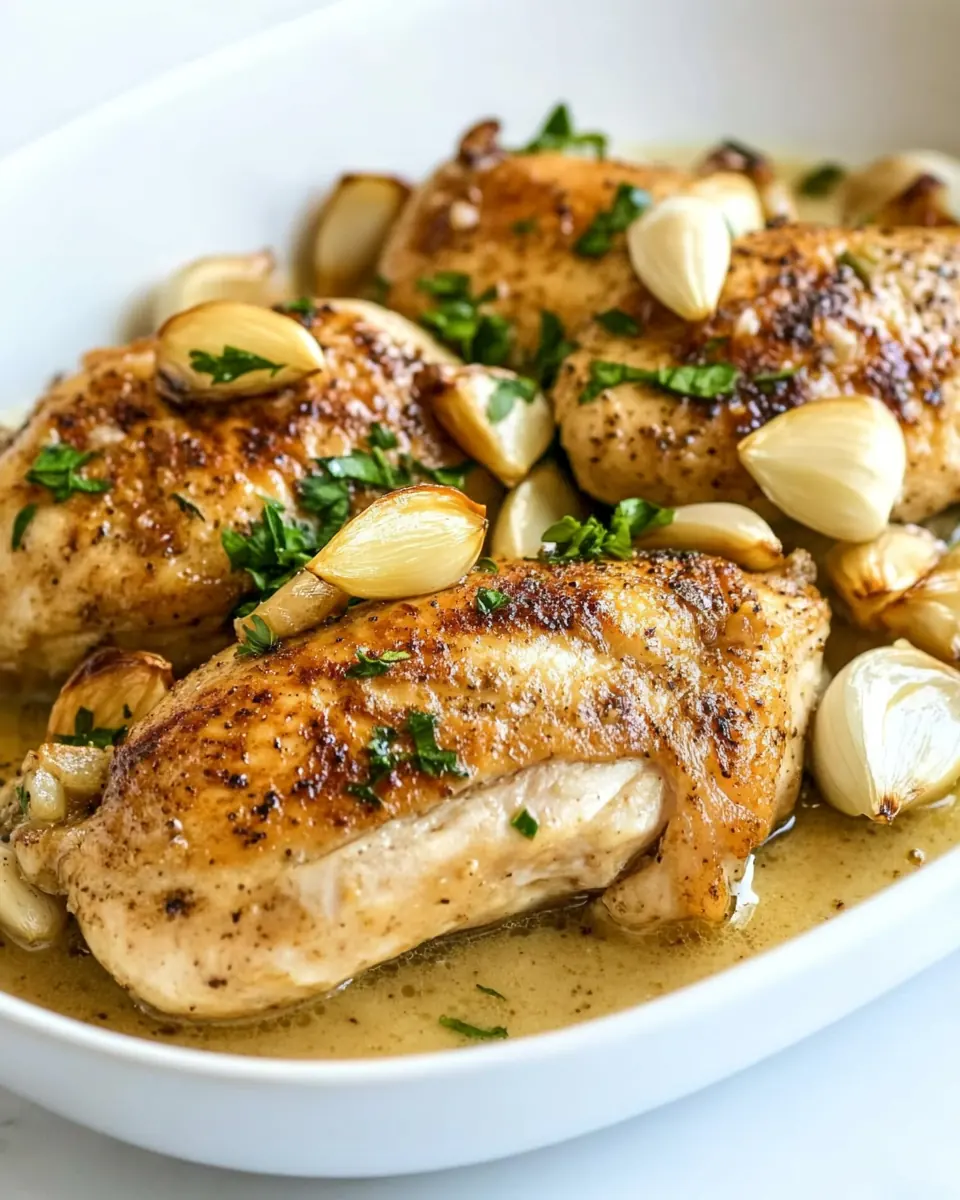
Season chicken thighs with salt and pepper.: As you prepare, smell the pepper and feel the texture of the seasoning rubbing into the skin, it should cling without being clumped. This step flavors the meat from the outside in, helping to form a tasty crust during searing. A key sign you did this well is even, uniform coverage on each piece. Common error, skimping on seasoning will leave the final dish flat.
Heat 1 tablespoon of butter and 1 tablespoon of oil in a large skillet.: You will hear gentle sizzling as the fat heats, and the surface should shimmer without smoking. This blend raises the browning threshold while keeping buttery flavor. The reason this matters is to achieve golden skin without burning the butter. If the fat smokes quickly, lower the heat to avoid bitter notes.
Add half of the chicken thighs to the hot pan skin side down.: As the pieces hit the pan you should hear a steady, satisfying sizzle and see the edges begin to color. Placing them skin side down first ensures the fat renders and the skin crisps, which leads to that delectable texture contrast. A common slip is moving the pieces too soon, which prevents proper crust formation.
Sear both sides until golden brown, about 2-3 minutes per side, set aside.: Watch for a deep golden tone and slightly crisp skin, that is your cue to flip. The sound will quiet a little when the crust has formed. This sear locks juices inside the chicken , crucial for moist meat after braising. Avoid overcooking here, as you will finish the thighs in the braise and want them underdone rather than dry.
Add the remaining tablespoon of butter and add the remaining chicken thighs and repeat, set aside.: Repeat the same sensory signs, golden color and steady sizzle, so every piece gets an even crust. Using the remaining butter refreshes the pan flavor and helps sear the next batch. Mistake to avoid, crowding the pan causes steaming and pale skin.
Add garlic to the skillet and cook until golden brown, stirring frequently, about 3-4 minutes.: The aroma will transform, shifting from raw sharpness to a warm, sweet scent as the cloves take on color. The sound is quieter now, mostly gentle oil movement, and the visual cue is uniform light golden edges on the cloves. This step builds the sauce base; watch closely because garlic can quickly jump from golden to bitter if left unattended.
Stir in chicken broth and bring to a boil.: When the stock hits the pan it will lift the browned bits and deglaze the pan, releasing deep savory flavors. You should see small bubbles and a gentle rolling boil, and the smell will deepen into a roasted, meaty note. This liquid turns those caramelized bits into the backbone of the sauce. Avoid adding cold stock straight from the fridge without bringing the pan back up to heat, which can stall cooking.
Add chicken back to the pan and cover.: Nestle the browned pieces into the fragrant broth so they sit partially submerged, then cover to trap steam. You will notice the aroma intensify, and a few gentle bubbles should form around the edges, indicating a steady simmer. Covering helps cook the chicken evenly and allows the garlic flavors to infuse. A common misstep is sealing too tightly on a high flame, which can over tenderize the skin.
Simmer until the chicken is cooked through about 25-30 minutes.: During the simmer you will hear a soft bubbling and smell the garlic deepen into a mellow, roasted perfume. The internal temperature should reach a safe mark and the meat will be tender to the touch. This slow finish ensures juicy meat and melded flavors. Pitfall to avoid, raising the heat will toughen the meat and reduce sauce development.
When the chicken is cooked remove from the pan. (Leave the juices in the skillet): As you lift each piece out, notice the glossy sheen of the braising liquid clinging to the skin; this is a sign of a well developed sauce. Set the pieces aside to rest briefly so juices redistribute. Leaving the chicken in the pan while reducing the sauce can overcook it, so removing it is the safer route.
In a small bowl combine the flour and milk and add to the juices in the skillet.: The mixture should be smooth and lump free before you add it. When it hits the hot liquid you will hear quiet bubbling as it begins to thicken, and the sauce will change texture to a silkier body. This step rounds the sauce and helps it coat the chicken later. Common mistake, adding flour dry will create lumps that are difficult to break up.
Whisk until thickened, about 1-2 minutes.: Whisking brings the sauce to a velvety consistency, and you will see it cling to the whisk as it becomes glossy. Taste a small spoonful to check seasoning and thickness; the sauce should coat the back of a spoon. This quick finish is essential for a balanced mouthfeel. Over reducing can make the sauce gluey, so stop when it feels rich yet pourable.
Season with salt and pepper to taste and serve immediately with the sauce.: The final seasoning should brighten the flavors and balance the sauce richness. Serve while warm, and note how the roasted garlic cloves will be soft and almost spreadable against the juicy chicken . Avoid sitting too long before serving, as the sauce will thicken and the skin can lose crispness.