Preheat the oven to 325°F (160°C), or 140°C for a fan oven. Spray your baking pan generously with baking spray (I used the Nordicware Frozen Snowflake Cakelet Pan; a mini bundt or a muffin pan can also be used). Make sure that the spray reaches all the creases; you can use a pastry brush for that.: Warmth fills the kitchen as the oven comes up to temperature, and that first scent of rising heat signals readiness. It ensures the batter meets an environment where it can spring gently and set the crumb before drying out, which is essential for even texture. A common mistake is skipping preheating, which can lead to uneven rise and dense spots. Make sure to also spray your pan generously with baking spray; thorough coverage prevents sticking in the pan creases.
In a bowl, combine the dry ingredients: flour, cocoa powder, baking powder, baking soda, and salt. Set aside.: The pan surface should feel slick but not pooling with oil, which helps the cakes release cleanly when inverted. You will hear a subtle whisper as spray coats the creases, and using a pastry brush to reach into details ensures a flawless unmolding. Overlooking small crevices can cause mini cakes to cling, so take care to cover every nook for the prettiest results.
Whisk together the eggs, oil, sugar, vanilla extract, and peppermint extract in a separate bowl until well combined.: flour, cocoa powder, baking powder, baking soda, and salt : When you whisk these elements together the cocoa diffuses into the flour and you can see the mixture become uniformly dark, which promises even chocolate flavor in each bite. This step prevents concentrated pockets of leavening or cocoa that would otherwise create flavor or texture inconsistencies. A usual pitfall is not sifting or whisking well, leading to clumps, so take the extra minute to blend them thoroughly.
Add the dry and wet ingredients and whisk again until combined.: The quiet pause after mixing gives you space to prepare the wet ingredients so everything combines quickly once joined. Letting the dry mixture rest prevents it from picking up moisture from the air, and it keeps the sequence organized. A mistake here is rushing and mixing directly into wet bowls, which can result in overworking the batter later on.
Add the milk and stir well until combined and the batter is loose. Do not overmix.: As you whisk the sugar dissolves and the mixture lightens slightly, releasing a warm, sweet aroma with a cool peppermint edge. The union of eggs and oil forms the base that will emulsify with the dry ingredients for a smooth batter. Overbeating can introduce too much air and change the crumb, so whisk until the sugar feels incorporated and the mixture is uniform.
Pour the batter into the pan, filling 3/4 full. Gently tap the pan on the counter a couple of times to remove any bubbles.: At this point the batter begins to thicken and develop a silky sheen, with dark threads of cocoa weaving through. Proper combining ensures the structure is even, which produces consistent mini cakes. One common error is vigorous mixing, which will tighten gluten and cause a tougher texture, so fold or whisk just until streaks disappear.
Bake in the preheated oven for 20 minutes or until a toothpick inserted in the center of the cake comes out clean.: The milk loosens the batter and you will notice it becoming more fluid and glossy, which helps with filling the tiny molds evenly. It also contributes moisture that keeps the mini cakes tender after baking. Beware of overmixing once the milk is added, since that can activate too much gluten. Stir until the batter flows smoothly but still holds a little body.
Allow the cakes to cool in the pan for 5 minutes. They will pull away from the sides. Then, invert on a cooling rack to cool completely.: Leaving small lumps is preferable to overstretching the gluten, and the final cakes will be moister and softer for it. You can feel the batter’s viscosity by lifting your spoon and watching how it falls back into the bowl. A dense, elastic batter signals overwork, while a slightly billowy, flowing batter indicates the balance you want.
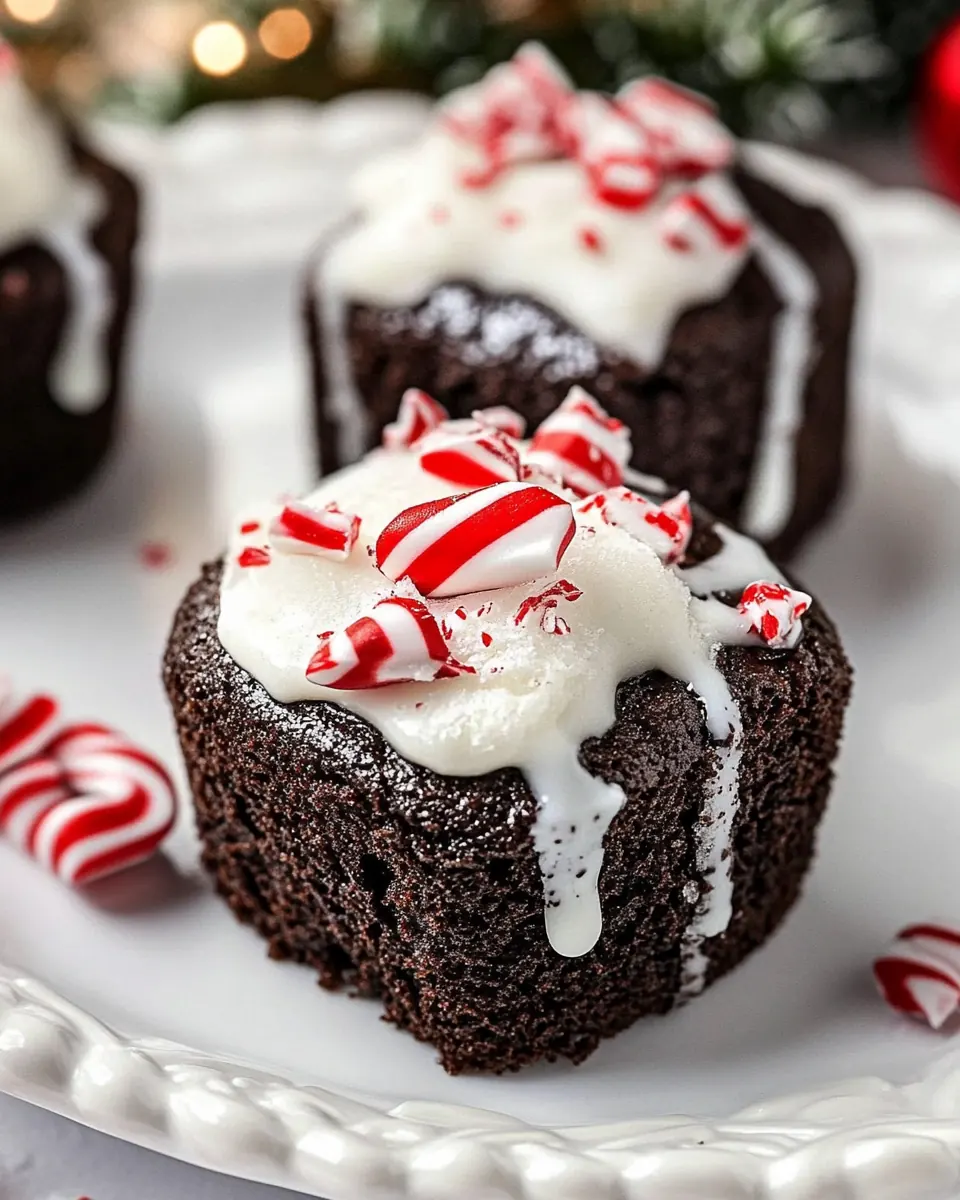
Optional: Prepare 1/4 a recipe of white chocolate buttercream, then pipe it onto each cake and sprinkle with crushed candy cane or sprinkles. Or dust with powdered sugar before serving.: As you pour, the batter should glide and settle into each cavity, leaving a uniform surface. Filling to three quarters allows room for rise without spilling or creating domed tops that crack. Filling too high can create overflow and uneven baking, so watch the level and spread the batter with a small spatula if needed to keep things tidy.
Gently tap the pan on the counter a couple of times to remove any bubbles: The small taps coax trapped air to the surface, which yields a finer crumb and fewer holes in the finished cakes. You may hear faint plinks as bubbles release and the batter settles into the pan, and this quiet ritual improves texture noticeably. Skipping it can mean air pockets remain, leading to pitted tops or uneven centers.
Bake in the preheated oven for 20 minutes or until a toothpick inserted in the center of the cake comes out clean: As they bake the aroma of chocolate and peppermint becomes more pronounced and the tops set to a satiny finish. Visual cues like edges pulling away slightly and a springy center tell you they are nearly done. A toothpick test confirms doneness; avoid opening the oven too often, because sudden temperature changes can cause collapse. Underbaking leaves gummy centers, while overbaking will dry the small cakes quickly.
Allow the cakes to cool in the pan for 5 minutes: In this brief window the cakes contract slightly and pull away from the pan sides, making unmolding easier. The steam that rises contains concentrated chocolate scent, and the warmth softens the crumb just enough for gentle handling. Trying to remove them while piping hot risks breakage, so patience here prevents tears and preserves the cake shape.
They will pull away from the sides: This little separation is your cue that the structure has set and the mini cakes are ready for inversion. It indicates internal steam evaporation is sufficient, and you can expect cleaner edges when you turn them out. Forcibly removing warm cakes often leads to stuck centers, so wait for that natural release.
Then, invert on a cooling rack to cool completely: When you flip the pan and the cakes release, the underside will reveal a smooth finish and the cakes will begin to cool through. Cooling on a rack allows air to circulate and prevents moisture buildup on the bottom. Frosting warm cakes will cause the buttercream to melt and slide, so cooling completely is essential for neat decoration.
Optional: Prepare 1/4 a recipe of white chocolate buttercream, then pipe it onto each cake and sprinkle with crushed candy cane or sprinkles : The buttercream adds creamy richness and the white chocolate flavor complements the peppermint. When piping you should feel a slight resistance and see smooth peaks form, and the contrast of glossy frosting with a crunchy candy cane topping is delightful. A common misstep is applying frosting while cakes are still warm, which causes slipping and a greasy appearance.
Or dust with powdered sugar before serving: A light dusting creates an elegant, snowy finish and enhances visual appeal without adding too much sweetness. It is a forgiving finish if your piping skills are minimal, and it complements the chocolate without overwhelming the peppermint. Overdoing the sugar can mask the chocolate’s depth, so keep it delicate for balance.