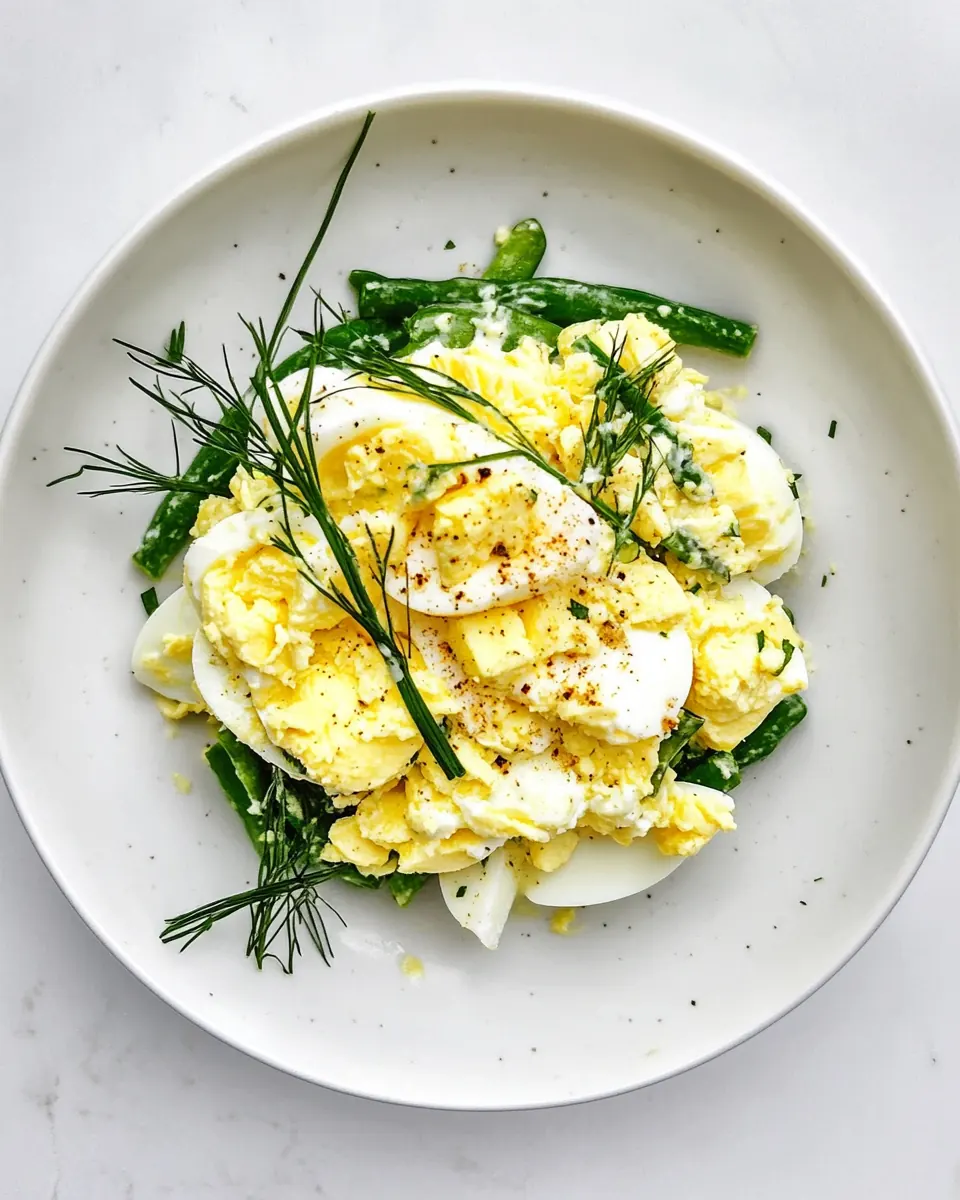
Fill a medium saucepan with water and bring to a boil. While the water heats up, fill a bowl with water and plenty of ice cubes and set aside. Use a spider or slotted spoon to slowly drop the cold eggs into the boiling water. Cook the eggs at a rolling boil for 14 minutes. Drain the eggs and transfer them to the ice water bath. Chill them for 5 minutes then transfer to a towel to dry. Peel the eggs by tapping them on the countertop, then gently roll the egg between the palm of your hand and the countertop to crack the shell all the way around. Peel the eggs under running water.: The water should be enough to fully cover the eggs , which ensures even cooking, and you will hear a steady rolling sound as it reaches a full boil. Using a medium saucepan gives the eggs room to circulate, preventing bumping and cracking. A common mistake is crowding the pan, which leads to unevenly cooked yolks, so leave space. You want the water to shimmer and move, not a frantic churn, which signals an overly violent boil that can crack shells. The reason a vigorous boil matters here is it sets the temperature quickly so the whites firm up evenly while the yolks cook through.
In a bowl, use a fork to finely mash the eggs. Add the mayonnaise, mustard, and salt, and mash to combine.: This ice bath provides an immediate shock that stops the cooking process, preserving a tender, not chalky yolk texture. The tactile sensation of adding ice is crisp, and the water should be visibly cold with small ice clinks. People sometimes skip this step and end up with overcooked yolks that have a dry or chalky mouthfeel, so don’t shortchange the chill. The why is simple, abrupt cooling prevents carryover heat from turning the yolk grainy.
If making a sandwich, toast the bread and butter on one side of each slice. Slather a little mayonnaise on one of the buttered bread slices then top it with a layer of lettuce. Top the lettuce with half of the egg salad then the remaining bread slice. Cut in half, and serve.: Lowering the eggs in carefully helps prevent shell cracks and keeps their shape intact, and you will hear the faint plop as each egg hits the water. Using a spoon also reduces the risk of scalding and makes the routine feel controlled. Many people rush this and crack shells on impact, which leads to leaked whites and a mess. Taking the time to lower them gently ensures neat, intact eggs and predictable results.
Cook the eggs at a rolling boil for 14 minutes: A measured boil time produces a fully set yolk that is still creamy enough to mash smoothly, and you may hear the water bubbling with a steady cadence. Fourteen minutes is long enough for a consistent hard boiled texture for average sized eggs . Overcooking is the main pitfall, which causes discoloration and a dry yolk texture, so watch your timer. This timing lets the yolks firm fully without getting powdery.
Drain the eggs and transfer them to the ice water bath: The instant temperature drop creates a crisp separation between membrane and shell, which makes peeling far easier, and you will notice steam stop rising as the eggs cool. Leaving them in the ice bath for the recommended time is the secret to a tidy peel. The common error I see is skipping the bath or not cooling long enough, resulting in tearing and stubborn shells. The quick cooling locks in moisture while relaxing the inner membrane from the shell.
Chill them for 5 minutes then transfer to a towel to dry: Five minutes in the ice bath is usually sufficient for medium size eggs , and when you move them to a towel they feel cool and slightly damp. Drying them makes handling and peeling easier and reduces slipping when you tap and roll. If they remain wet, you can end up with slip prone shells and messy peels, so blot carefully but gently. The reason for the brief air dry is practical, it reduces water dilution when mixing the salad.
Peel the eggs by tapping them on the countertop, then gently roll the egg between the palm of your hand and the countertop to crack the shell all the way around: This technique creates many small fissures for easy removal and you will feel the shell give under a soft pressure. The tactile feedback is satisfying, and rolling helps to loosen the membrane uniformly. Rushing this step often leads to ragged pieces of shell stuck to the white. Peeling under running water is another tip that helps wash away any tiny fragments and ensures a clean surface for mashing.
Peel the eggs under running water: Running water eases the shells away and you will see tiny flakes wash off, leaving smooth, clean whites that are ready to be mashed. The sound of the water is subtle, but it tells you the shells are coming off cleanly. A mistake here is peeling in a bowl where shells can cling to the surface, so fresh running water is preferable. The practical why is shell fragments are removed immediately, preventing an unappealing crunch in the salad.
In a bowl, use a fork to finely mash the eggs: The fork creates a slightly chunky texture, and as you mash you will smell the gentle aroma of warm eggs transitioning into a creamy base. The pace of mashing determines the mouthfeel, so aim for small, tender curds rather than a puréed paste. Overworking them with a blender or food processor can make the mixture gummy, which is a frequent mistake. Using a fork gives control and creates the characteristic bite that makes egg salad enjoyable.
Add the mayonnaise, mustard, and salt, and mash to combine: These ingredients bring creaminess and a bright note, and when incorporated you will see a smooth, cohesive mixture coat the fork. Taste as you go, adjusting salt and mustard to your preference. A common misstep is adding too much mayo at once, which can drown the delicate egg flavor, so add gradually. The why here is balance, the right ratio highlights the eggs while giving a pleasant spreadable consistency.
If making a sandwich, toast the bread and butter on one side of each slice: Toasting gives a warm golden edge and a faint crunch that contrasts beautifully with the creamy filling, and the butter creates a slight sheen on the surface as it warms. Listen for the faint sizzling as the bread hits the pan or toaster, which signals the Maillard flavors developing. Under toasting will yield a limp sandwich, while overtoasting can distract from the filling, so aim for a light golden tone. That gentle toast helps the sandwich hold up and adds a pleasant toasty aroma.
Slather a little mayonnaise on one of the buttered bread slices then top it with a layer of lettuce: The additional mayonnaise acts as a protective barrier, keeping the bread from becoming soggy, and the lettuce adds a crisp, fresh contrast. The lettuce crackles softly under pressure and provides a bright textural lift. A usual error is skipping the barrier, leading to a soggy bottom slice after a short time. This small assembly move keeps the sandwich fresh and appealing for longer.
Top the lettuce with half of the egg salad then the remaining bread slice. Cut in half, and serve: Seeing the creamy filling peek out gives a satisfying visual cue, and the sandwich yields a soft, creamy center with a slight crunch from the toast. Cutting cleanly is easier if you press lightly first, and use a sharp knife to avoid crushing the sandwich. Many people slice with a dull blade and end up with a smashed presentation. Serve immediately for the best contrast between warm toast and cool filling.