Classic Egg Salad
Classic Egg Salad has been my go to when I need something honest, quick, and satisfying for a midday bite. The very first time I made it for friends, I remember the bright pop of mustard against the creamy eggs and the small argument over whether mayo or Miracle Whip was the correct choice. I still laugh about that afternoon, because a simple sandwich turned into a memory we still reference years later.
I learned to tune into tiny details while making this Classic Egg Salad, like how the texture changes when you mash the eggs just a little more or less, and how to coax out a clean peel for neat little chunks. There is something comforting about the ritual of boiling, chilling, peeling, and mashing. Over time, I developed a few habits that make the end result reliably creamy and not gluey, and I enjoy sharing those with anyone who will listen.
What I love about sharing this Classic Egg Salad is how it adapts to moods. It can be dressed up for a picnic, or kept simple for a solo lunch on a busy day. When I bring it to gatherings, people always come back for a second taste, which tells me I am doing something right. It is humble food, but done well it feels like a warm, familiar hug.
Recipe Snapshot
20 mins
10 mins
10 mins
Easy
250 kcal
American
Gluten-Free, Low FODMAP
Salads
Medium saucepan, Spider or slotted spoon, Bowl for ice bath, Fork, Toaster or skillet
Why This Classic Egg Salad Shines
Simple ingredients, big payoff
I adore how few components are needed for this Classic Egg Salad, yet each one plays a clear role. The eggs provide body and richness, the mayonnaise smooths the texture, and the mustard adds a bright lift. You get maximum comfort for minimal effort, and that is a rare win in the kitchen.
Perfect for rushed afternoons
We all have those days when time is tight, and this recipe answers that call. From stove to plate in under a half hour, it is dependable and forgiving. I often make a batch and keep it chilled for quick sandwiches, because it feels like a little luxury when time is short.
Textural play
What makes me keep returning to this Classic Egg Salad is the contrast between creamy and soft. The way I mash the eggs matters a lot, and achieving that slightly chunky, spreadable texture transforms every bite. It is a lesson in subtle technique yielding a clear upgrade in mouthfeel.
Comfort food that impresses
When I bring this to a casual brunch, people assume it took more effort than it did. There is a satisfying nostalgia to egg salad, and when you master the simple details, it becomes something you are proud to serve. I love hearing the comments when someone says, I could eat this every week.
Flexible and approachable
I like that this recipe is both a starting point and an end point. You can leave it exactly as written, and it will sing, or tweak it slightly to match your pantry. For me, this makes the Classic Egg Salad invaluable for weeknight feeds and last minute guests alike.
What’s In This Classic Egg Salad
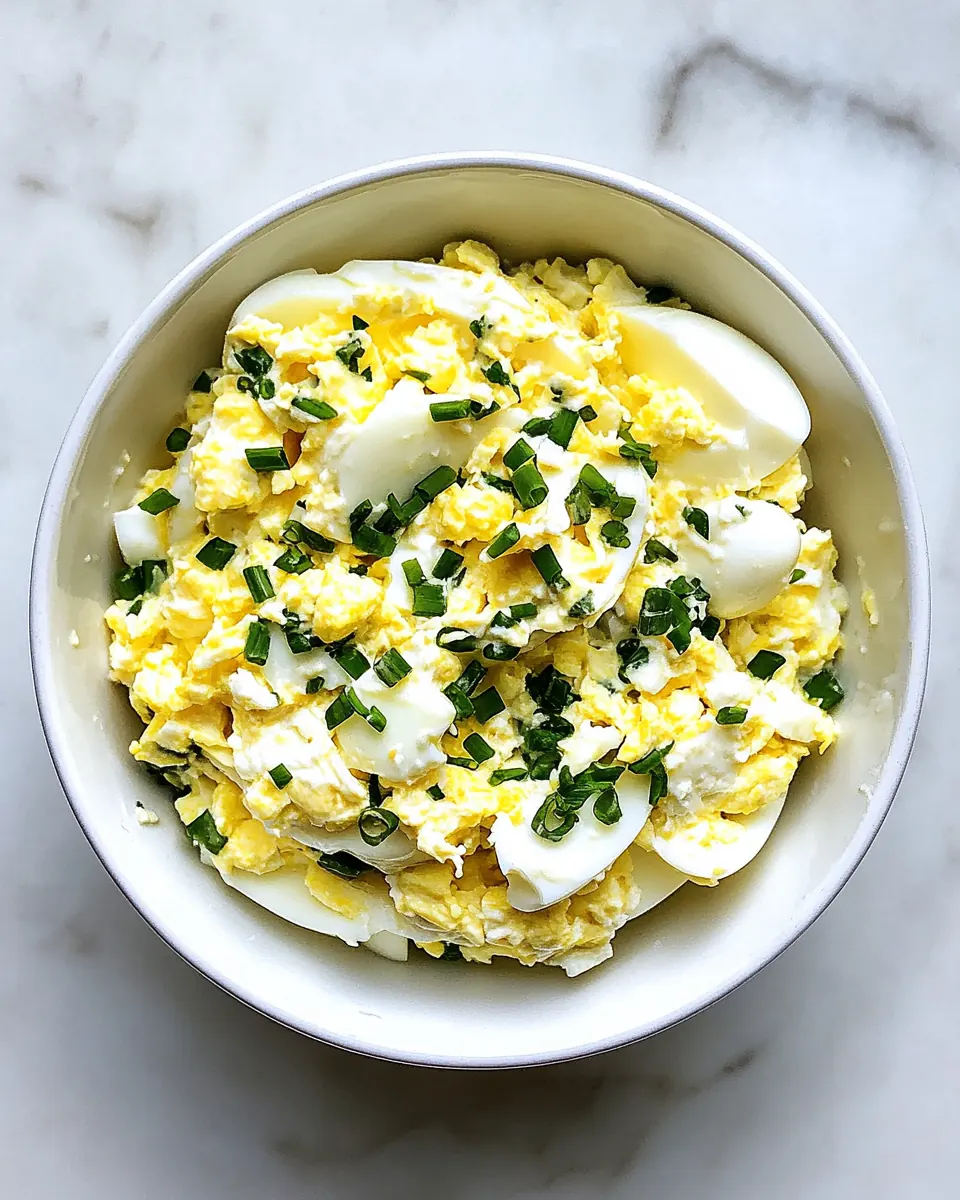
These ingredients are the backbone of a timeless spread. I think of them as the key players that balance texture and flavor. The technique is straightforward, and each item exists to support the main star, the eggs, keeping the final result creamy, bright, and perfectly sandwich ready.
- 4 eggs: Boil until hard-cooked then cool and chop; provides the creamy, protein-rich base for the salad and contributes texture and substance when mashed with dressing. Handle gently to avoid over-mashing and ensure even-sized pieces for a pleasant mouthfeel.
- 2 tablespoons mayonnaise (or Miracle Whip if you prefer): Bind the mixture and add creaminess; use to achieve a smooth, rich consistency that coats the eggs and balances the tang of mustard. Adjust quantity to reach desired moisture and flavor without making the salad too loose.
- 1 teaspoon yellow mustard: Add sharpness and tang to brighten the flavor; whisk into the dressing to cut richness and provide a subtle acidic counterpoint. Use measured amounts to complement mayonnaise without overpowering the delicate egg flavor.
- kosher salt: Season to taste to enhance and balance flavors; sprinkle sparingly and taste as you go since salt level from other components can vary. Use fine grains to distribute seasoning evenly throughout the salad.
- 4 slices white bread: Serve as a hearty vehicle for the salad; toast or use fresh slices to create sandwiches that showcase the egg mixture between soft, neutral bread. Trim crusts or cut as desired to suit presentation and portion size.
- 1 tablespoon butter: Spread on bread to add buttery richness and prevent sogginess; melt or soften before applying for easy spreading and improved mouthfeel. Use moderately so the butter complements rather than overwhelms the sandwich.
Instructions for Classic Egg Salad
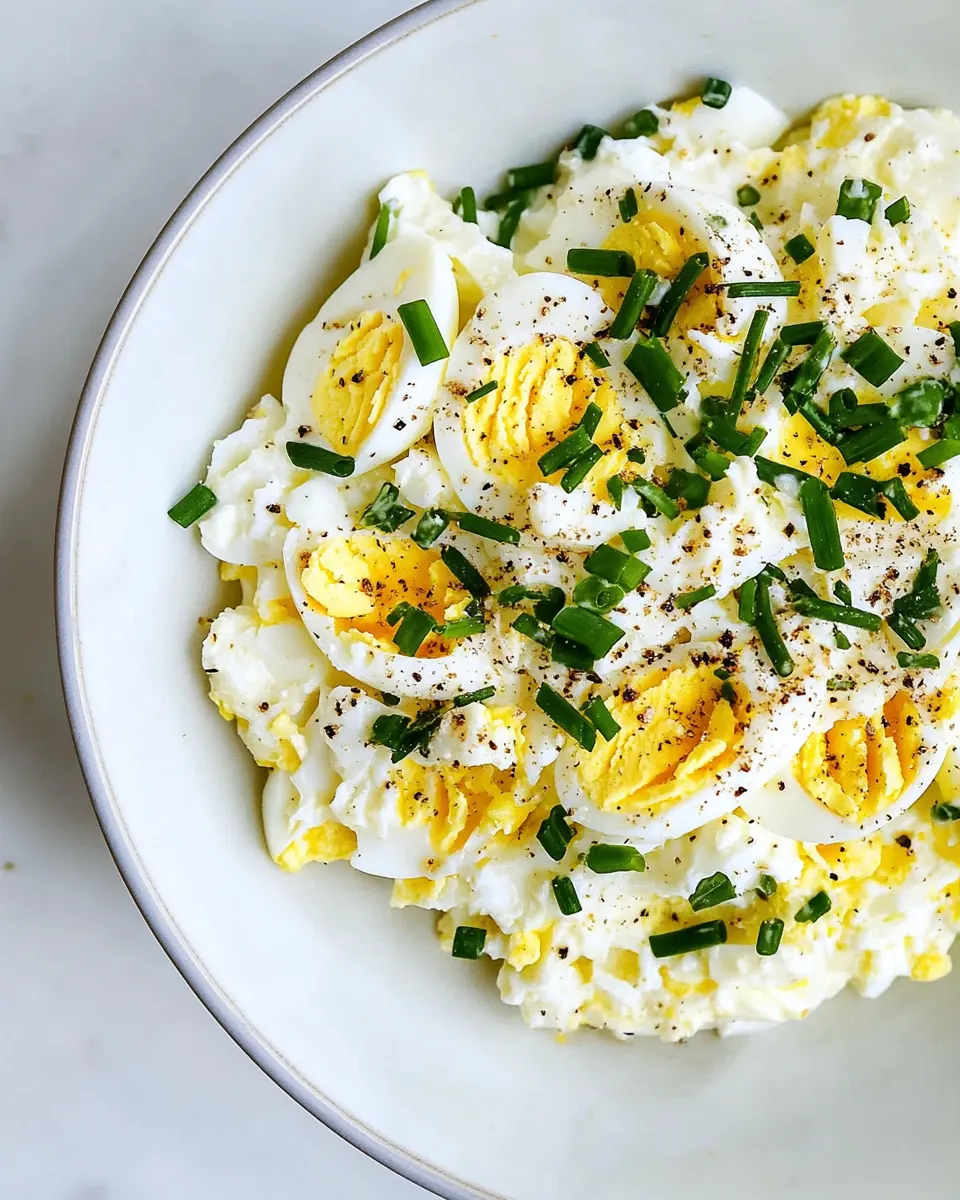
These instructions guide you from boiling to sandwich assembly, and I describe exactly how I approach each step so you can replicate the texture I aim for. The process is simple but there are a few small moves that make a big difference in the finished salad.
- Fill a medium saucepan with water and bring to a boil. While the water heats up, fill a bowl with water and plenty of ice cubes and set aside. Use a spider or slotted spoon to slowly drop the cold eggs into the boiling water. Cook the eggs at a rolling boil for 14 minutes. Drain the eggs and transfer them to the ice water bath. Chill them for 5 minutes then transfer to a towel to dry. Peel the eggs by tapping them on the countertop, then gently roll the egg between the palm of your hand and the countertop to crack the shell all the way around. Peel the eggs under running water.: The water should be enough to fully cover the eggs , which ensures even cooking, and you will hear a steady rolling sound as it reaches a full boil. Using a medium saucepan gives the eggs room to circulate, preventing bumping and cracking. A common mistake is crowding the pan, which leads to unevenly cooked yolks, so leave space. You want the water to shimmer and move, not a frantic churn, which signals an overly violent boil that can crack shells. The reason a vigorous boil matters here is it sets the temperature quickly so the whites firm up evenly while the yolks cook through.
- In a bowl, use a fork to finely mash the eggs. Add the mayonnaise, mustard, and salt, and mash to combine.: This ice bath provides an immediate shock that stops the cooking process, preserving a tender, not chalky yolk texture. The tactile sensation of adding ice is crisp, and the water should be visibly cold with small ice clinks. People sometimes skip this step and end up with overcooked yolks that have a dry or chalky mouthfeel, so don’t shortchange the chill. The why is simple, abrupt cooling prevents carryover heat from turning the yolk grainy.
- If making a sandwich, toast the bread and butter on one side of each slice. Slather a little mayonnaise on one of the buttered bread slices then top it with a layer of lettuce. Top the lettuce with half of the egg salad then the remaining bread slice. Cut in half, and serve.: Lowering the eggs in carefully helps prevent shell cracks and keeps their shape intact, and you will hear the faint plop as each egg hits the water. Using a spoon also reduces the risk of scalding and makes the routine feel controlled. Many people rush this and crack shells on impact, which leads to leaked whites and a mess. Taking the time to lower them gently ensures neat, intact eggs and predictable results.
- Cook the eggs at a rolling boil for 14 minutes: A measured boil time produces a fully set yolk that is still creamy enough to mash smoothly, and you may hear the water bubbling with a steady cadence. Fourteen minutes is long enough for a consistent hard boiled texture for average sized eggs . Overcooking is the main pitfall, which causes discoloration and a dry yolk texture, so watch your timer. This timing lets the yolks firm fully without getting powdery.
- Drain the eggs and transfer them to the ice water bath: The instant temperature drop creates a crisp separation between membrane and shell, which makes peeling far easier, and you will notice steam stop rising as the eggs cool. Leaving them in the ice bath for the recommended time is the secret to a tidy peel. The common error I see is skipping the bath or not cooling long enough, resulting in tearing and stubborn shells. The quick cooling locks in moisture while relaxing the inner membrane from the shell.
- Chill them for 5 minutes then transfer to a towel to dry: Five minutes in the ice bath is usually sufficient for medium size eggs , and when you move them to a towel they feel cool and slightly damp. Drying them makes handling and peeling easier and reduces slipping when you tap and roll. If they remain wet, you can end up with slip prone shells and messy peels, so blot carefully but gently. The reason for the brief air dry is practical, it reduces water dilution when mixing the salad.
- Peel the eggs by tapping them on the countertop, then gently roll the egg between the palm of your hand and the countertop to crack the shell all the way around: This technique creates many small fissures for easy removal and you will feel the shell give under a soft pressure. The tactile feedback is satisfying, and rolling helps to loosen the membrane uniformly. Rushing this step often leads to ragged pieces of shell stuck to the white. Peeling under running water is another tip that helps wash away any tiny fragments and ensures a clean surface for mashing.
- Peel the eggs under running water: Running water eases the shells away and you will see tiny flakes wash off, leaving smooth, clean whites that are ready to be mashed. The sound of the water is subtle, but it tells you the shells are coming off cleanly. A mistake here is peeling in a bowl where shells can cling to the surface, so fresh running water is preferable. The practical why is shell fragments are removed immediately, preventing an unappealing crunch in the salad.
- In a bowl, use a fork to finely mash the eggs: The fork creates a slightly chunky texture, and as you mash you will smell the gentle aroma of warm eggs transitioning into a creamy base. The pace of mashing determines the mouthfeel, so aim for small, tender curds rather than a puréed paste. Overworking them with a blender or food processor can make the mixture gummy, which is a frequent mistake. Using a fork gives control and creates the characteristic bite that makes egg salad enjoyable.
- Add the mayonnaise, mustard, and salt, and mash to combine: These ingredients bring creaminess and a bright note, and when incorporated you will see a smooth, cohesive mixture coat the fork. Taste as you go, adjusting salt and mustard to your preference. A common misstep is adding too much mayo at once, which can drown the delicate egg flavor, so add gradually. The why here is balance, the right ratio highlights the eggs while giving a pleasant spreadable consistency.
- If making a sandwich, toast the bread and butter on one side of each slice: Toasting gives a warm golden edge and a faint crunch that contrasts beautifully with the creamy filling, and the butter creates a slight sheen on the surface as it warms. Listen for the faint sizzling as the bread hits the pan or toaster, which signals the Maillard flavors developing. Under toasting will yield a limp sandwich, while overtoasting can distract from the filling, so aim for a light golden tone. That gentle toast helps the sandwich hold up and adds a pleasant toasty aroma.
- Slather a little mayonnaise on one of the buttered bread slices then top it with a layer of lettuce: The additional mayonnaise acts as a protective barrier, keeping the bread from becoming soggy, and the lettuce adds a crisp, fresh contrast. The lettuce crackles softly under pressure and provides a bright textural lift. A usual error is skipping the barrier, leading to a soggy bottom slice after a short time. This small assembly move keeps the sandwich fresh and appealing for longer.
- Top the lettuce with half of the egg salad then the remaining bread slice. Cut in half, and serve: Seeing the creamy filling peek out gives a satisfying visual cue, and the sandwich yields a soft, creamy center with a slight crunch from the toast. Cutting cleanly is easier if you press lightly first, and use a sharp knife to avoid crushing the sandwich. Many people slice with a dull blade and end up with a smashed presentation. Serve immediately for the best contrast between warm toast and cool filling.
Variations to Try
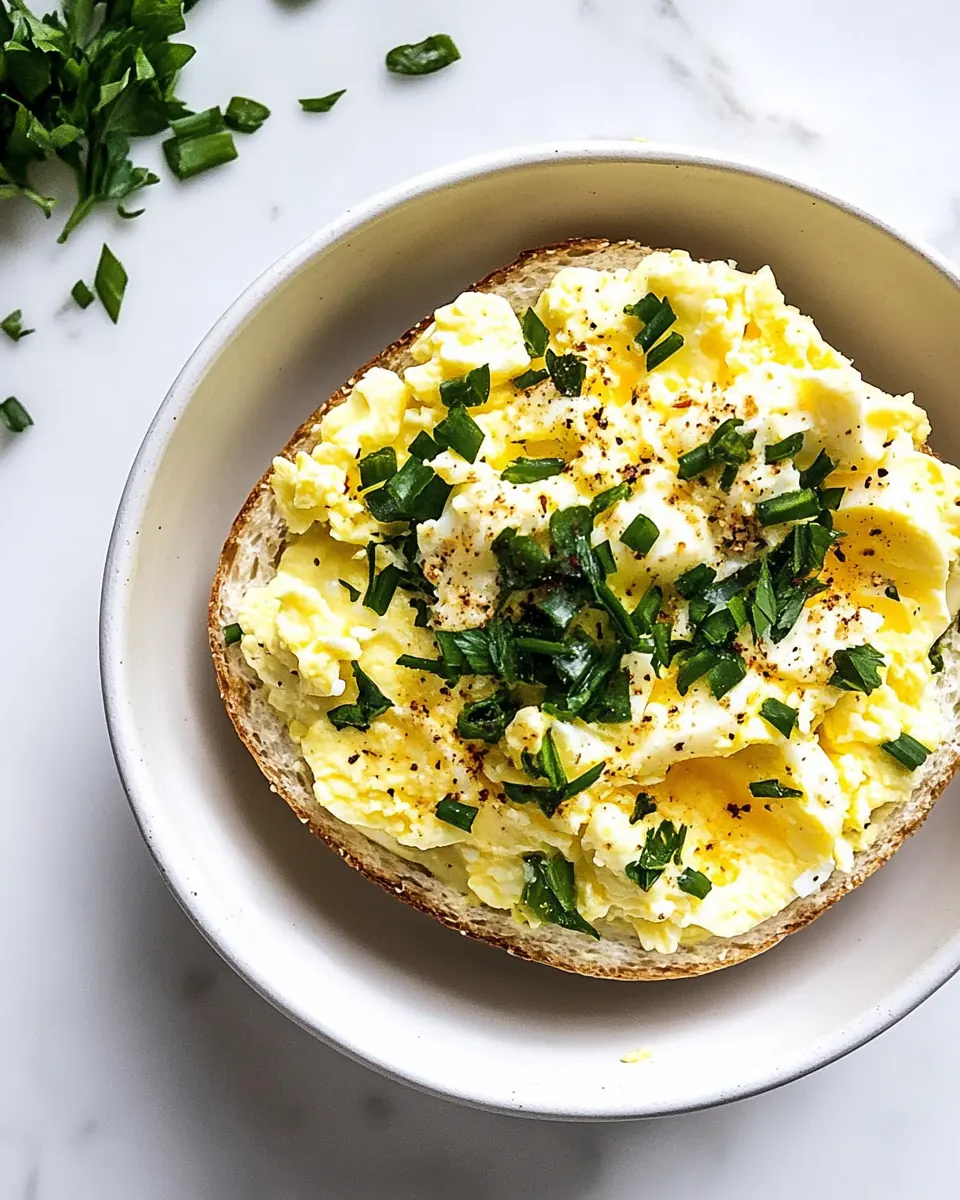
These variations help you adapt the Classic Egg Salad for different moods and occasions. I like to experiment, and each small change shifts the personality of the salad while staying true to the original spirit.
- Simple swap: Use Miracle Whip instead of mayonnaise for a sweeter, tangier profile that some people prefer.
- Extra tang: Add a touch more mustard for brightness, but increase gradually so the balance remains delicate.
- Toast technique: Toast only one side of each slice with butter to keep the interior soft while adding a toasted edge for contrast.
- Firmness control: Mash the eggs to your desired texture, aiming for small curds for the classic mouthfeel rather than a completely smooth paste.
- Make ahead: Prepare the salad a day in advance and refrigerate, but keep in mind it is at its peak texture within the first 48 hours.
How to Serve Classic Egg Salad
This section outlines serving ideas and contexts where the Classic Egg Salad shines. I enjoy recommending concrete pairings so you can picture how it will fit into meals or events.
- On sandwiches: Spread on toasted white bread with a layer of lettuce for a classic, nostalgic sandwich experience.
- Casual lunch: Serve with a simple side of crisp vegetables or chips for a relaxed midday meal that is light and satisfying.
- Picnic fare: Pack the salad in a sealed container and bring along slices of bread or crackers for an easy outdoor meal.
- Brunch table: Offer the salad alongside other small plates, letting guests build their own sandwiches, which makes it social and approachable.
- Storage tips: Keep the salad refrigerated in an airtight container for up to three to five days, and always use a clean utensil to avoid contamination.
- Occasion fit: Works well for simple family dinners, leisurely weekend lunches, or as a practical option during busy weeks when you need a reliable, tasty meal.
FAQ
Conclusion
This Classic Egg Salad stands out because it turns a handful of humble ingredients into something consistently comforting and satisfying. I encourage you to give it a try, because with just a few mindful steps you can make a creamy, bright egg salad that feels both familiar and special. It is a useful recipe to have in your repertoire for quick lunches, casual gatherings, or whenever you crave something simple yet gratifying.
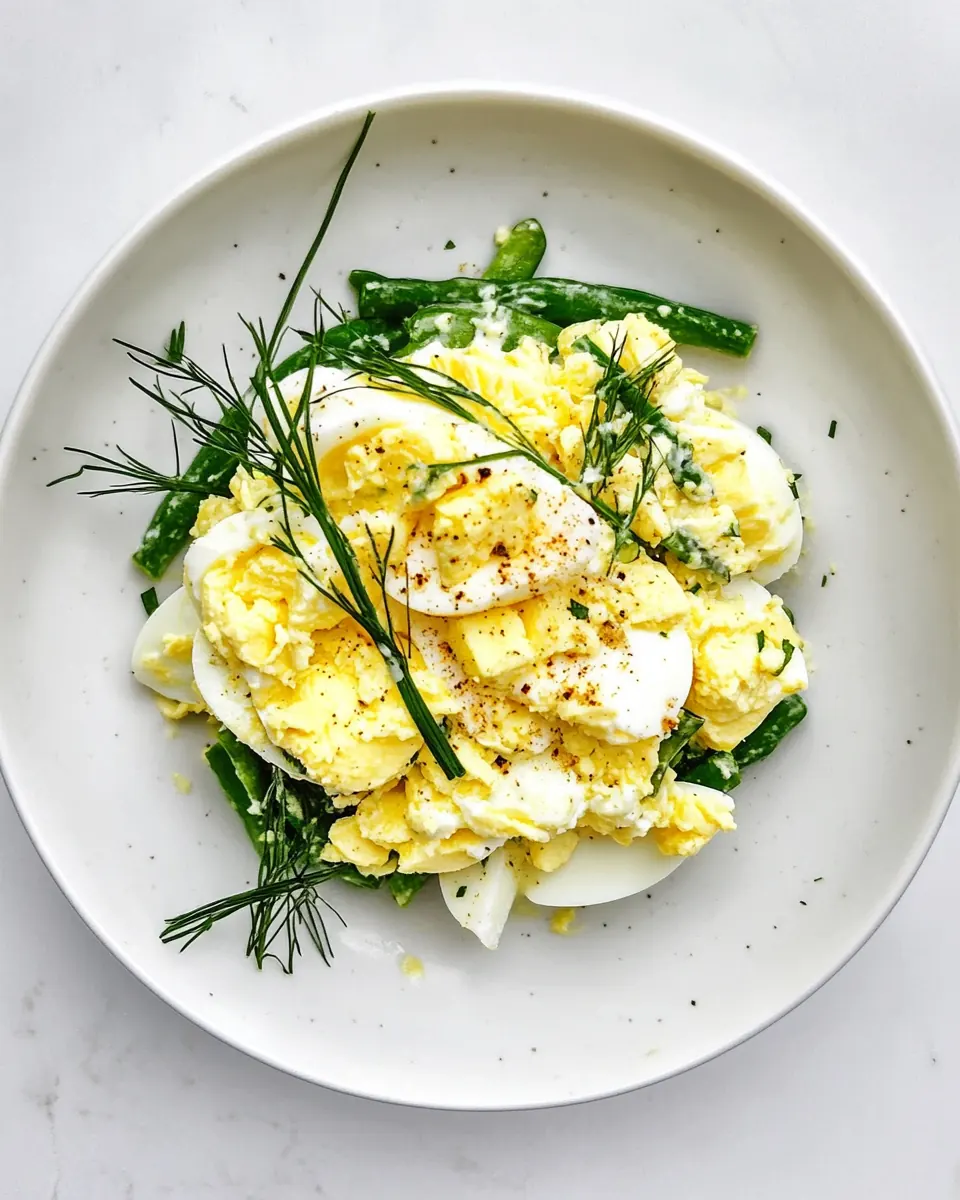
Classic Egg Salad
Ingredients
Equipment
Method
- Fill a medium saucepan with water and bring to a boil. While the water heats up, fill a bowl with water and plenty of ice cubes and set aside. Use a spider or slotted spoon to slowly drop the cold eggs into the boiling water. Cook the eggs at a rolling boil for 14 minutes. Drain the eggs and transfer them to the ice water bath. Chill them for 5 minutes then transfer to a towel to dry. Peel the eggs by tapping them on the countertop, then gently roll the egg between the palm of your hand and the countertop to crack the shell all the way around. Peel the eggs under running water.: The water should be enough to fully cover the eggs , which ensures even cooking, and you will hear a steady rolling sound as it reaches a full boil. Using a medium saucepan gives the eggs room to circulate, preventing bumping and cracking. A common mistake is crowding the pan, which leads to unevenly cooked yolks, so leave space. You want the water to shimmer and move, not a frantic churn, which signals an overly violent boil that can crack shells. The reason a vigorous boil matters here is it sets the temperature quickly so the whites firm up evenly while the yolks cook through.
- In a bowl, use a fork to finely mash the eggs. Add the mayonnaise, mustard, and salt, and mash to combine.: This ice bath provides an immediate shock that stops the cooking process, preserving a tender, not chalky yolk texture. The tactile sensation of adding ice is crisp, and the water should be visibly cold with small ice clinks. People sometimes skip this step and end up with overcooked yolks that have a dry or chalky mouthfeel, so don’t shortchange the chill. The why is simple, abrupt cooling prevents carryover heat from turning the yolk grainy.
- If making a sandwich, toast the bread and butter on one side of each slice. Slather a little mayonnaise on one of the buttered bread slices then top it with a layer of lettuce. Top the lettuce with half of the egg salad then the remaining bread slice. Cut in half, and serve.: Lowering the eggs in carefully helps prevent shell cracks and keeps their shape intact, and you will hear the faint plop as each egg hits the water. Using a spoon also reduces the risk of scalding and makes the routine feel controlled. Many people rush this and crack shells on impact, which leads to leaked whites and a mess. Taking the time to lower them gently ensures neat, intact eggs and predictable results.
- Cook the eggs at a rolling boil for 14 minutes: A measured boil time produces a fully set yolk that is still creamy enough to mash smoothly, and you may hear the water bubbling with a steady cadence. Fourteen minutes is long enough for a consistent hard boiled texture for average sized eggs . Overcooking is the main pitfall, which causes discoloration and a dry yolk texture, so watch your timer. This timing lets the yolks firm fully without getting powdery.
- Drain the eggs and transfer them to the ice water bath: The instant temperature drop creates a crisp separation between membrane and shell, which makes peeling far easier, and you will notice steam stop rising as the eggs cool. Leaving them in the ice bath for the recommended time is the secret to a tidy peel. The common error I see is skipping the bath or not cooling long enough, resulting in tearing and stubborn shells. The quick cooling locks in moisture while relaxing the inner membrane from the shell.
- Chill them for 5 minutes then transfer to a towel to dry: Five minutes in the ice bath is usually sufficient for medium size eggs , and when you move them to a towel they feel cool and slightly damp. Drying them makes handling and peeling easier and reduces slipping when you tap and roll. If they remain wet, you can end up with slip prone shells and messy peels, so blot carefully but gently. The reason for the brief air dry is practical, it reduces water dilution when mixing the salad.
- Peel the eggs by tapping them on the countertop, then gently roll the egg between the palm of your hand and the countertop to crack the shell all the way around: This technique creates many small fissures for easy removal and you will feel the shell give under a soft pressure. The tactile feedback is satisfying, and rolling helps to loosen the membrane uniformly. Rushing this step often leads to ragged pieces of shell stuck to the white. Peeling under running water is another tip that helps wash away any tiny fragments and ensures a clean surface for mashing.
- Peel the eggs under running water: Running water eases the shells away and you will see tiny flakes wash off, leaving smooth, clean whites that are ready to be mashed. The sound of the water is subtle, but it tells you the shells are coming off cleanly. A mistake here is peeling in a bowl where shells can cling to the surface, so fresh running water is preferable. The practical why is shell fragments are removed immediately, preventing an unappealing crunch in the salad.
- In a bowl, use a fork to finely mash the eggs: The fork creates a slightly chunky texture, and as you mash you will smell the gentle aroma of warm eggs transitioning into a creamy base. The pace of mashing determines the mouthfeel, so aim for small, tender curds rather than a puréed paste. Overworking them with a blender or food processor can make the mixture gummy, which is a frequent mistake. Using a fork gives control and creates the characteristic bite that makes egg salad enjoyable.
- Add the mayonnaise, mustard, and salt, and mash to combine: These ingredients bring creaminess and a bright note, and when incorporated you will see a smooth, cohesive mixture coat the fork. Taste as you go, adjusting salt and mustard to your preference. A common misstep is adding too much mayo at once, which can drown the delicate egg flavor, so add gradually. The why here is balance, the right ratio highlights the eggs while giving a pleasant spreadable consistency.
- If making a sandwich, toast the bread and butter on one side of each slice: Toasting gives a warm golden edge and a faint crunch that contrasts beautifully with the creamy filling, and the butter creates a slight sheen on the surface as it warms. Listen for the faint sizzling as the bread hits the pan or toaster, which signals the Maillard flavors developing. Under toasting will yield a limp sandwich, while overtoasting can distract from the filling, so aim for a light golden tone. That gentle toast helps the sandwich hold up and adds a pleasant toasty aroma.
- Slather a little mayonnaise on one of the buttered bread slices then top it with a layer of lettuce: The additional mayonnaise acts as a protective barrier, keeping the bread from becoming soggy, and the lettuce adds a crisp, fresh contrast. The lettuce crackles softly under pressure and provides a bright textural lift. A usual error is skipping the barrier, leading to a soggy bottom slice after a short time. This small assembly move keeps the sandwich fresh and appealing for longer.
- Top the lettuce with half of the egg salad then the remaining bread slice. Cut in half, and serve: Seeing the creamy filling peek out gives a satisfying visual cue, and the sandwich yields a soft, creamy center with a slight crunch from the toast. Cutting cleanly is easier if you press lightly first, and use a sharp knife to avoid crushing the sandwich. Many people slice with a dull blade and end up with a smashed presentation. Serve immediately for the best contrast between warm toast and cool filling.
Notes
- Simple swap: Use Miracle Whip instead of mayonnaise for a sweeter, tangier profile that some people prefer.
- Extra tang: Add a touch more mustard for brightness, but increase gradually so the balance remains delicate.
- Toast technique: Toast only one side of each slice with butter to keep the interior soft while adding a toasted edge for contrast.
- Firmness control: Mash the eggs to your desired texture, aiming for small curds for the classic mouthfeel rather than a completely smooth paste.
- Make ahead: Prepare the salad a day in advance and refrigerate, but keep in mind it is at its peak texture within the first 48 hours.