Preheat the oven to 350℉ (175℃). Grease a 2-quart, 8 x 8-inch, or 11 x 7-inch baking dish with butter and set aside.: When you open the oven later, the faint warm smell of baking should already feel inviting, and the air inside will be evenly heated so the casserole bakes uniformly. Preheating ensures the top begins to set as the center comes up to temperature, which helps prevent an undercooked middle. A common mistake is placing the dish into a not fully preheated oven, which can lengthen baking time and affect texture. If your oven runs hot or cold, use an oven thermometer to confirm accuracy.
In a small saucepan over low heat, melt 1/2 cup unsalted butter. Remove from the heat and set aside to cool slightly while combining the dry ingredients. Alternatively, melt the butter in a heat-safe bowl in the microwave.: Greasing the pan adds flavor and creates an easy release, letting the edges brown and crisp slightly against the buttered surface. As the casserole bakes, that contact point will deepen in color and provide a contrast in texture. Forgetting to grease can lead to sticking and tearing when you serve. I often run a small pad of butter around the corners to ensure nothing clings.
In a medium mixing bowl, mix together 1/2 cup all-purpose flour, 1/2 cup fine stone ground yellow cornmeal, 3/4 teaspoon table salt, 1/2 teaspoon baking soda, and 2 tablespoons granulated sugar.: The aroma of the butter softening in the pan is warm and comforting, and cooling it a bit prevents the eggs from scrambling when combined. Warm melted butter blends smoothly with the sour cream and canned corn , creating a glossy batter that bakes into a tender texture. A common error is adding piping hot butter to eggs, which can cause curdling. If you do not want to use the stovetop, the microwave in short bursts works fine but stir between bursts to prevent hot spots.
In a large mixing bowl, add 1 cup sour cream, 2 large eggs, 1 (15 oz) can creamed corn, and 1 (15 oz) can whole corn kernels (drained), and the melted butter. Mix until well combined.: As you whisk these dry ingredients, the cornmeal scatters like tiny gold granules, and incorporating the baking soda evenly prevents uneven rising. This mixture brings the structural and flavor foundations together, so take a moment to break up any clumps. A common misstep is skimping on thorough mixing, which can leave pockets of dry flour or baking soda, causing uneven texture or a soapy bite.
Add the flour mixture to the wet ingredients and gently fold together, using a wooden spoon or spatula, until everything is JUST combined. Don't overmix.: When I stir these wet ingredients, the batter becomes a glossy, pale yellow, and the creamed corn lends a silky body while the whole corn kernels bob like little golden islands. The smell is sweet and slightly tangy from the sour cream . That glossy sheen indicates proper incorporation, and if it looks curdled or separated, you can whisk gently to bring it back together. A frequent mistake is vigorous mixing which will toughen the final texture, so go gentle and steady.
Pour the mixture into the prepared baking dish and bake for 45-50 minutes, or until the center is fully set and the casserole is lightly browned.: As you fold, you should see streaks of dry mixture vanish into the batter, and the final mix will be cohesive but not overworked. Folding preserves tenderness, because aggressive stirring can develop gluten in the flour , making the casserole dense. If the batter seems unusually thick, a splash of milk could loosen it slightly, but it should hold shape when poured. Avoid overmixing, which is the most common reason the finished dish becomes heavy rather than airy.
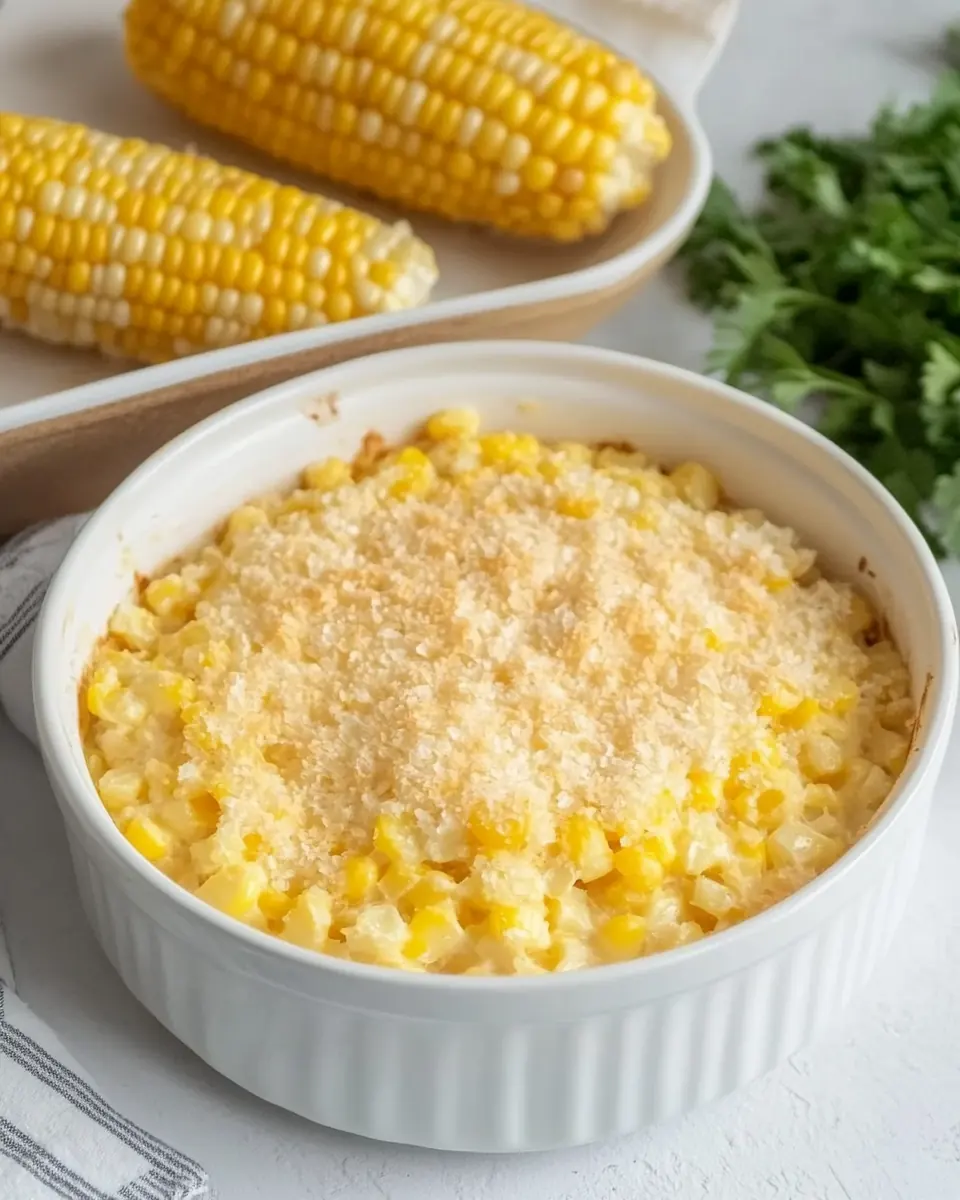
Pour the mixture into the prepared baking dish and bake for 45 to 50 minutes or until the center is fully set and the casserole is lightly browned: As the casserole bakes, you will notice comforting aromas of sweet corn and butter, and the top will take on a pale golden hue that deepens at the edges. To test doneness, the center should no longer jiggle and a thin knife inserted into the middle should come out mostly clean with a few moist crumbs. Overbaking can dry the casserole out, so watch the visual cues rather than only the timer. If the top browns too quickly before the center sets, tent a sheet of foil loosely over the dish to protect the surface while the interior finishes cooking.