Corn Casserole
Corn Casserole has been a comfort-food mainstay in my kitchen for years, the kind of dish I reach for when I want something that feels like a warm hug from the oven. The first time I made it, I remember the house filling with a subtle, sweet corn aroma that pulled everyone into the kitchen. I was juggling a busy evening, a stack of homework to supervise, and a need for something forgiving, and this recipe showed up like a reliable friend, forgiving of little mistakes and generous in return.
Over time, I’ve adjusted tiny things, learned how the texture shifts when you stir too much, and realized that a golden top tells you more than a timer ever will. I like how this version stays moist without being soggy, and how the pockets of whole corn add a pop of sweetness against the tender, slightly crumbly base. When I serve it, people often ask for seconds, and that always makes me smile because it feels like a quiet validation of those small adjustments I made the very first week I started cooking for a crowd.
Recipe Snapshot
55 mins
5 mins
50 mins
Medium
250 kcal
American
Gluten-Free, Low FODMAP
Side Dishes
2 Quart Casserole Dish
Why This Corn Casserole Is a Winner
Comforting Texture with Minimal Fuss
I love this recipe because it delivers a creamy yet slightly crumbly texture that comforts without being heavy. When I scoop into the dish, the center gives gently and then springs back, showing the right balance of moisture. That textural harmony is why I reach for Corn Casserole on busy nights and for gathering tables alike, it fills plates and bellies easily.
Simple Pantry-Friendly Ingredients
One of the reasons I keep making this is how few and familiar the ingredients are. With staples like all purpose flour, cornmeal, sour cream, and canned corn, there’s rarely a last minute grocery run. I appreciate recipes that work with what I already have, and this one consistently performs when time is short.
Versatile for Holidays and Weeknights
I’ve served this at an intimate weekday dinner and at a boisterous holiday table, and it fits both effortlessly. On Thanksgiving it blends with richer mains and on quieter evenings it stands on its own. That versatility is a big reason I recommend Corn Casserole to both new cooks and seasoned hosts.
Reliable Results Every Time
My favorite feature is reliability. I can tweak the dish slightly for crowd size, and the outcome remains rewarding. The baking time and visual cues, like a lightly browned top and a set center, tell me when it is done, and those sensory cues let cooks trust their instincts more than a strict timer.
Kid Friendly, Crowd Approved
Finally, this casserole tends to win over picky eaters with its mild, sweet flavor and approachable texture. I find that its simple flavors complement stronger dishes, and it often becomes the unexpected star when everyone reaches for seconds.
Everything You Need for Corn Casserole
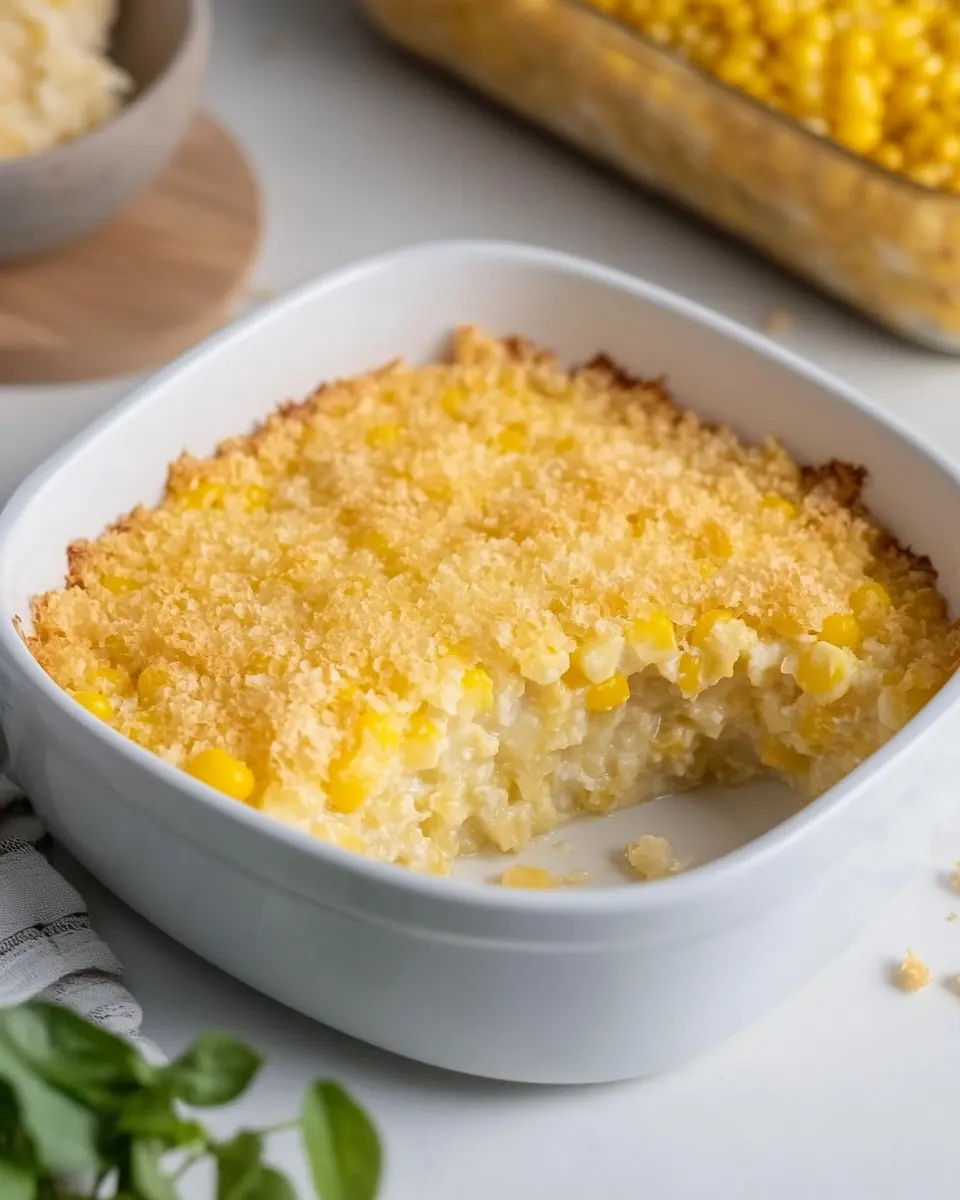
These ingredients are straightforward and work together on texture and taste. The cornmeal gives a tender crumb and subtle corn flavor, the all purpose flour helps structure, and the combination of creamed corn with whole corn kernels creates pockets of sweetness amid a custard like base. The dairy and eggs bind and add richness, while little leavening helps the casserole rise and set nicely.
- 1/2 cup unsalted butter, plus additional butter for greasing pan: Melted and used to provide richness, moisture, and a tender crumb while also preventing the casserole from sticking when greasing the pan; can be browned slightly for a nuttier flavor and incorporated into the batter to yield a smooth, cohesive texture.
- 1/2 cup all-purpose flour: Sifted or whisked into the dry mix to create structure and body in the casserole, helping to bind the ingredients and give a light but stable crumb; also absorbs liquids and works with leaveners to produce a uniform rise.
- 1/2 cup fine stone ground yellow cornmeal: Added to contribute a slightly gritty texture and pronounced corn flavor, lending authenticity and a hearty graininess to the dish; helps absorb moisture and balances the batter’s tenderness so the casserole holds its shape.
- 3/4 teaspoon table salt: Sprinkled into the dry ingredients to season and enhance the overall flavor profile, ensuring the casserole is properly salted; its quantity is calibrated to complement sweetness and other savory elements without overpowering them.
- 1/2 teaspoon baking soda: Mixed with the dry ingredients to react with acidic components and produce lift, creating a subtle but necessary rise and airy texture; also helps counteract potential density from the cornmeal and sour cream.
- 2 tablespoons granulated sugar: Stirred into the batter to provide a hint of sweetness that balances savory and acidic flavors, encouraging a more rounded overall taste; helps with browning and contributes to the casserole’s pleasant flavor complexity.
- 1 cup sour cream: Folded into the mixture to add creaminess, tang, and moisture, contributing to a tender, custard-like interior while enhancing richness and mouthfeel; its acidity also activates the baking soda for leavening.
- 2 large eggs: Beaten and incorporated to bind ingredients, add richness, and help set the casserole’s structure as it bakes; eggs also contribute moisture, a glossy surface, and additional leavening through trapped air.
- 1 (15 oz) can creamed corn: Poured in to supply a smooth, concentrated corn flavor and extra moisture, creating a creamy matrix that contrasts with whole kernels; helps keep the casserole moist while amplifying corn taste and texture.
- 1 (15 oz) can whole corn kernels, well drained: Folded in after draining to provide bursts of whole-kernel texture and fresh corn flavor, balancing creamy elements with chew and visual appeal; contributes juice and sweetness without overly thinning the batter.
Corn Casserole Instructions

I like to walk through the steps with a conversational rhythm so you can feel confident in the oven. This recipe is forgiving but has moments where small choices matter, like the temperature of melted butter and the tenderness of the final set. Listen for visual and textural cues rather than relying solely on the clock.
- Preheat the oven to 350℉ (175℃). Grease a 2-quart, 8 x 8-inch, or 11 x 7-inch baking dish with butter and set aside.: When you open the oven later, the faint warm smell of baking should already feel inviting, and the air inside will be evenly heated so the casserole bakes uniformly. Preheating ensures the top begins to set as the center comes up to temperature, which helps prevent an undercooked middle. A common mistake is placing the dish into a not fully preheated oven, which can lengthen baking time and affect texture. If your oven runs hot or cold, use an oven thermometer to confirm accuracy.
- In a small saucepan over low heat, melt 1/2 cup unsalted butter. Remove from the heat and set aside to cool slightly while combining the dry ingredients. Alternatively, melt the butter in a heat-safe bowl in the microwave.: Greasing the pan adds flavor and creates an easy release, letting the edges brown and crisp slightly against the buttered surface. As the casserole bakes, that contact point will deepen in color and provide a contrast in texture. Forgetting to grease can lead to sticking and tearing when you serve. I often run a small pad of butter around the corners to ensure nothing clings.
- In a medium mixing bowl, mix together 1/2 cup all-purpose flour, 1/2 cup fine stone ground yellow cornmeal, 3/4 teaspoon table salt, 1/2 teaspoon baking soda, and 2 tablespoons granulated sugar.: The aroma of the butter softening in the pan is warm and comforting, and cooling it a bit prevents the eggs from scrambling when combined. Warm melted butter blends smoothly with the sour cream and canned corn , creating a glossy batter that bakes into a tender texture. A common error is adding piping hot butter to eggs, which can cause curdling. If you do not want to use the stovetop, the microwave in short bursts works fine but stir between bursts to prevent hot spots.
- In a large mixing bowl, add 1 cup sour cream, 2 large eggs, 1 (15 oz) can creamed corn, and 1 (15 oz) can whole corn kernels (drained), and the melted butter. Mix until well combined.: As you whisk these dry ingredients, the cornmeal scatters like tiny gold granules, and incorporating the baking soda evenly prevents uneven rising. This mixture brings the structural and flavor foundations together, so take a moment to break up any clumps. A common misstep is skimping on thorough mixing, which can leave pockets of dry flour or baking soda, causing uneven texture or a soapy bite.
- Add the flour mixture to the wet ingredients and gently fold together, using a wooden spoon or spatula, until everything is JUST combined. Don't overmix.: When I stir these wet ingredients, the batter becomes a glossy, pale yellow, and the creamed corn lends a silky body while the whole corn kernels bob like little golden islands. The smell is sweet and slightly tangy from the sour cream . That glossy sheen indicates proper incorporation, and if it looks curdled or separated, you can whisk gently to bring it back together. A frequent mistake is vigorous mixing which will toughen the final texture, so go gentle and steady.
- Pour the mixture into the prepared baking dish and bake for 45-50 minutes, or until the center is fully set and the casserole is lightly browned.: As you fold, you should see streaks of dry mixture vanish into the batter, and the final mix will be cohesive but not overworked. Folding preserves tenderness, because aggressive stirring can develop gluten in the flour , making the casserole dense. If the batter seems unusually thick, a splash of milk could loosen it slightly, but it should hold shape when poured. Avoid overmixing, which is the most common reason the finished dish becomes heavy rather than airy.
- Pour the mixture into the prepared baking dish and bake for 45 to 50 minutes or until the center is fully set and the casserole is lightly browned: As the casserole bakes, you will notice comforting aromas of sweet corn and butter, and the top will take on a pale golden hue that deepens at the edges. To test doneness, the center should no longer jiggle and a thin knife inserted into the middle should come out mostly clean with a few moist crumbs. Overbaking can dry the casserole out, so watch the visual cues rather than only the timer. If the top browns too quickly before the center sets, tent a sheet of foil loosely over the dish to protect the surface while the interior finishes cooking.
Recipe Tips about Corn Casserole
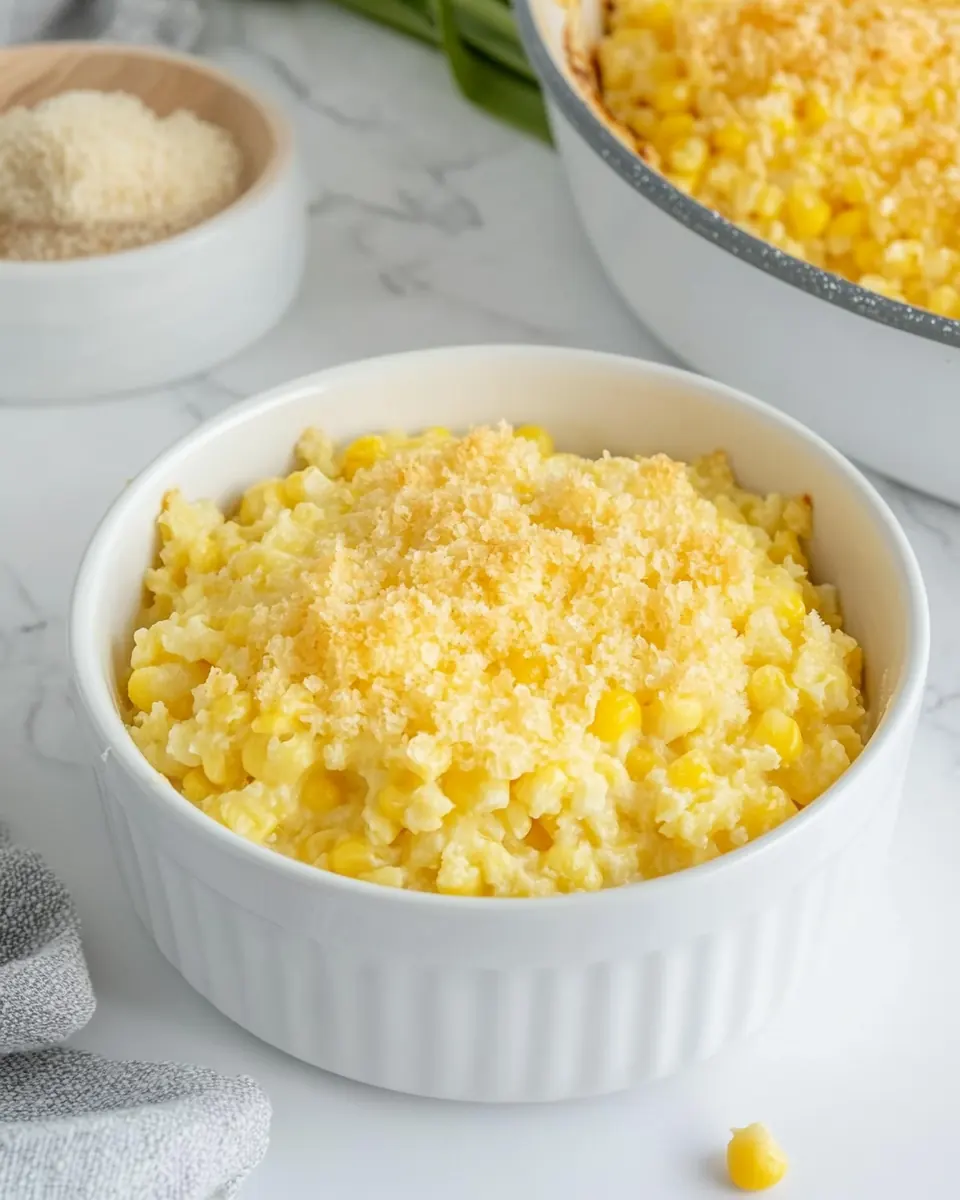
I like to share tips that save time and improve texture without changing the essence of the dish. These suggestions highlight small technique tweaks, ingredient guidance, and practical storage ideas to keep your results consistent.
- Choose the right cornmeal Fine stone ground cornmeal gives a smooth texture and authentic flavor, while coarser meals will produce a heartier bite. I prefer the finer grind for a more classic casserole feel. If you only have coarse, expect a chewier crumb and consider pulsing briefly in a food processor to soften the texture.
- Use full or low fat sour cream Full fat delivers the creamiest mouthfeel, but low fat will still work for a slightly lighter result. I avoid fat free versions because they can make the casserole dry and less satisfying. If substituting, adjust expectations on richness accordingly.
- Let the butter cool Too hot butter can cook the eggs and change the batter. After melting, allow the butter to sit for a few minutes until warm to the touch before adding to the wet ingredients. This keeps the mixture smooth and prevents curdling while mixing.
- Drain whole corn completely Excess liquid from canned corn can thin the batter and lead to a soggy center, so use a fine mesh strainer and press lightly to remove extra moisture. The creamed corn is intentionally wetter and provides body, so treat the two differently when preparing.
- Watch for visual doneness cues The top should be lightly golden and the center should feel set with minimal jiggle, use a thin knife to check for moist crumbs rather than raw batter. If the edges brown too fast, tent with foil to allow the interior to finish without burning the surface.
- Scale carefully for larger pans When doubling for a 9 x 13 inch pan, expect the bake time to increase by about 5 to 10 minutes, check the center with a knife both early and late in that window to prevent overbaking. Even heating and correct pan depth matter for consistent results.
Best Served With
This casserole fits many meal contexts, from casual family dinners to holiday spreads. Its sweet corn notes pair well with richer mains, and simple sides can round out the plate without competing. Serve warm for the best texture and enjoy leftovers chilled or reheated for convenience.
- Holiday dinners Pair Corn Casserole with roasted mains for a comforting side that complements heavier flavors, the sweet corn adds balance on a Thanksgiving table.
- Weeknight meals Serve alongside a roasted protein and a crisp green salad for an easy weeknight combination that satisfies without fuss.
- Potlucks and gatherings This dish travels well and holds up on a buffet, bring it warm in an insulated carrier and it will be gently browned on top and creamy inside.
- Storage tips Store in an airtight container in the refrigerator for up to three days, reheat in a 350 degrees oven until warmed through to revive the texture and avoid microwave sogginess.
- Seasonal pairing In fall, serve with roasted squash and leafy greens, in warmer months keep sides lighter with a citrusy slaw to balance the casserole’s richness.
FAQ
Conclusion
This Corn Casserole stands out for its ease, comforting texture, and ability to please a crowd. It balances creamy custardy interior with pockets of sweet corn, making it both reliable on weeknights and fitting for holiday spreads. Give it a try when you want a simple, satisfying side that travels well from oven to table. I hope it becomes one of your dependable recipes too, the kind you reach for when you want warmth and familiarity without fuss.
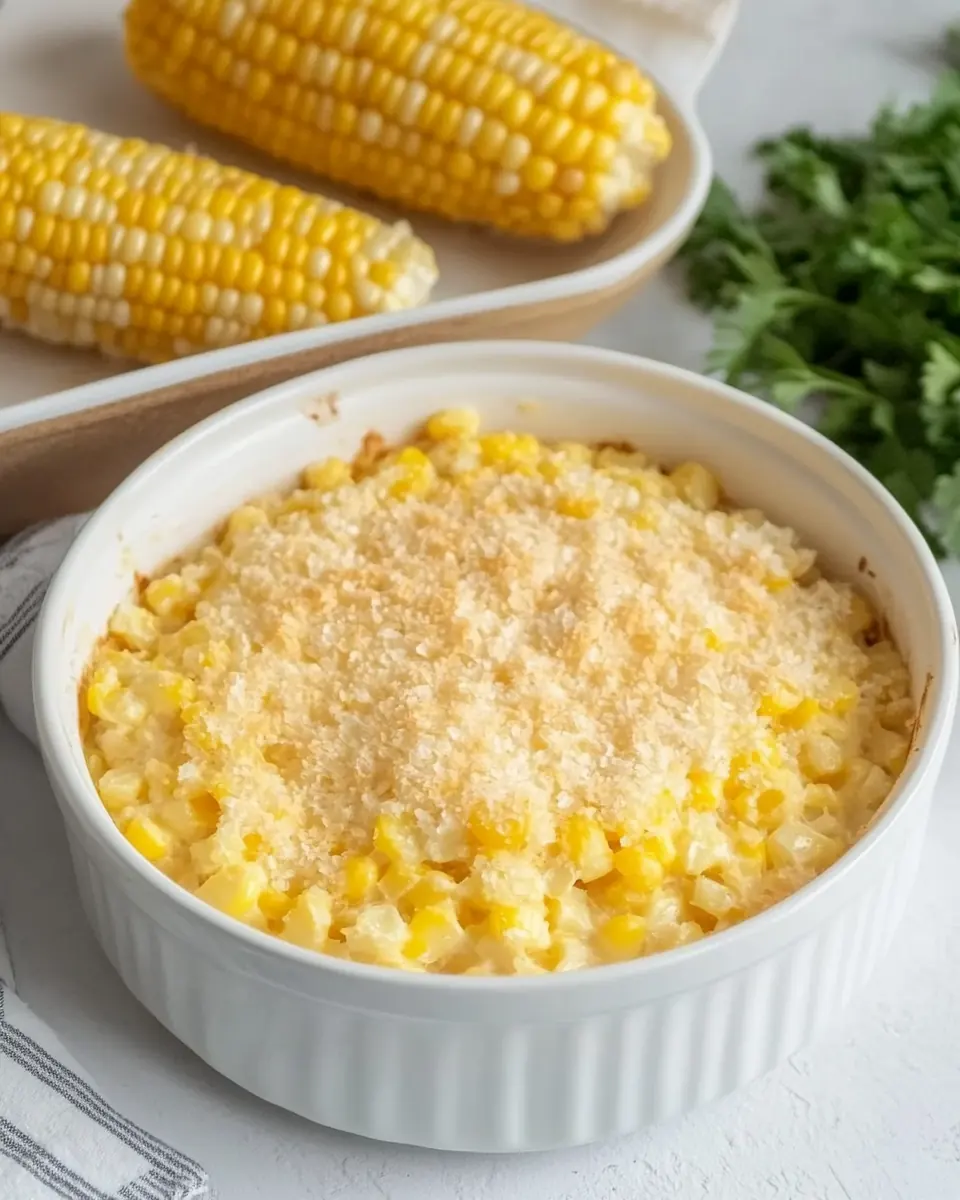
Corn Casserole
Ingredients
Equipment
Method
- Preheat the oven to 350℉ (175℃). Grease a 2-quart, 8 x 8-inch, or 11 x 7-inch baking dish with butter and set aside.: When you open the oven later, the faint warm smell of baking should already feel inviting, and the air inside will be evenly heated so the casserole bakes uniformly. Preheating ensures the top begins to set as the center comes up to temperature, which helps prevent an undercooked middle. A common mistake is placing the dish into a not fully preheated oven, which can lengthen baking time and affect texture. If your oven runs hot or cold, use an oven thermometer to confirm accuracy.
- In a small saucepan over low heat, melt 1/2 cup unsalted butter. Remove from the heat and set aside to cool slightly while combining the dry ingredients. Alternatively, melt the butter in a heat-safe bowl in the microwave.: Greasing the pan adds flavor and creates an easy release, letting the edges brown and crisp slightly against the buttered surface. As the casserole bakes, that contact point will deepen in color and provide a contrast in texture. Forgetting to grease can lead to sticking and tearing when you serve. I often run a small pad of butter around the corners to ensure nothing clings.
- In a medium mixing bowl, mix together 1/2 cup all-purpose flour, 1/2 cup fine stone ground yellow cornmeal, 3/4 teaspoon table salt, 1/2 teaspoon baking soda, and 2 tablespoons granulated sugar.: The aroma of the butter softening in the pan is warm and comforting, and cooling it a bit prevents the eggs from scrambling when combined. Warm melted butter blends smoothly with the sour cream and canned corn , creating a glossy batter that bakes into a tender texture. A common error is adding piping hot butter to eggs, which can cause curdling. If you do not want to use the stovetop, the microwave in short bursts works fine but stir between bursts to prevent hot spots.
- In a large mixing bowl, add 1 cup sour cream, 2 large eggs, 1 (15 oz) can creamed corn, and 1 (15 oz) can whole corn kernels (drained), and the melted butter. Mix until well combined.: As you whisk these dry ingredients, the cornmeal scatters like tiny gold granules, and incorporating the baking soda evenly prevents uneven rising. This mixture brings the structural and flavor foundations together, so take a moment to break up any clumps. A common misstep is skimping on thorough mixing, which can leave pockets of dry flour or baking soda, causing uneven texture or a soapy bite.
- Add the flour mixture to the wet ingredients and gently fold together, using a wooden spoon or spatula, until everything is JUST combined. Don't overmix.: When I stir these wet ingredients, the batter becomes a glossy, pale yellow, and the creamed corn lends a silky body while the whole corn kernels bob like little golden islands. The smell is sweet and slightly tangy from the sour cream . That glossy sheen indicates proper incorporation, and if it looks curdled or separated, you can whisk gently to bring it back together. A frequent mistake is vigorous mixing which will toughen the final texture, so go gentle and steady.
- Pour the mixture into the prepared baking dish and bake for 45-50 minutes, or until the center is fully set and the casserole is lightly browned.: As you fold, you should see streaks of dry mixture vanish into the batter, and the final mix will be cohesive but not overworked. Folding preserves tenderness, because aggressive stirring can develop gluten in the flour , making the casserole dense. If the batter seems unusually thick, a splash of milk could loosen it slightly, but it should hold shape when poured. Avoid overmixing, which is the most common reason the finished dish becomes heavy rather than airy.
- Pour the mixture into the prepared baking dish and bake for 45 to 50 minutes or until the center is fully set and the casserole is lightly browned: As the casserole bakes, you will notice comforting aromas of sweet corn and butter, and the top will take on a pale golden hue that deepens at the edges. To test doneness, the center should no longer jiggle and a thin knife inserted into the middle should come out mostly clean with a few moist crumbs. Overbaking can dry the casserole out, so watch the visual cues rather than only the timer. If the top browns too quickly before the center sets, tent a sheet of foil loosely over the dish to protect the surface while the interior finishes cooking.
Notes
- Choose the right cornmeal Fine stone ground cornmeal gives a smooth texture and authentic flavor, while coarser meals will produce a heartier bite. I prefer the finer grind for a more classic casserole feel. If you only have coarse, expect a chewier crumb and consider pulsing briefly in a food processor to soften the texture.
- Use full or low fat sour cream Full fat delivers the creamiest mouthfeel, but low fat will still work for a slightly lighter result. I avoid fat free versions because they can make the casserole dry and less satisfying. If substituting, adjust expectations on richness accordingly.
- Let the butter cool Too hot butter can cook the eggs and change the batter. After melting, allow the butter to sit for a few minutes until warm to the touch before adding to the wet ingredients. This keeps the mixture smooth and prevents curdling while mixing.
- Drain whole corn completely Excess liquid from canned corn can thin the batter and lead to a soggy center, so use a fine mesh strainer and press lightly to remove extra moisture. The creamed corn is intentionally wetter and provides body, so treat the two differently when preparing.
- Watch for visual doneness cues The top should be lightly golden and the center should feel set with minimal jiggle, use a thin knife to check for moist crumbs rather than raw batter. If the edges brown too fast, tent with foil to allow the interior to finish without burning the surface.
- Scale carefully for larger pans When doubling for a 9 x 13 inch pan, expect the bake time to increase by about 5 to 10 minutes, check the center with a knife both early and late in that window to prevent overbaking. Even heating and correct pan depth matter for consistent results.