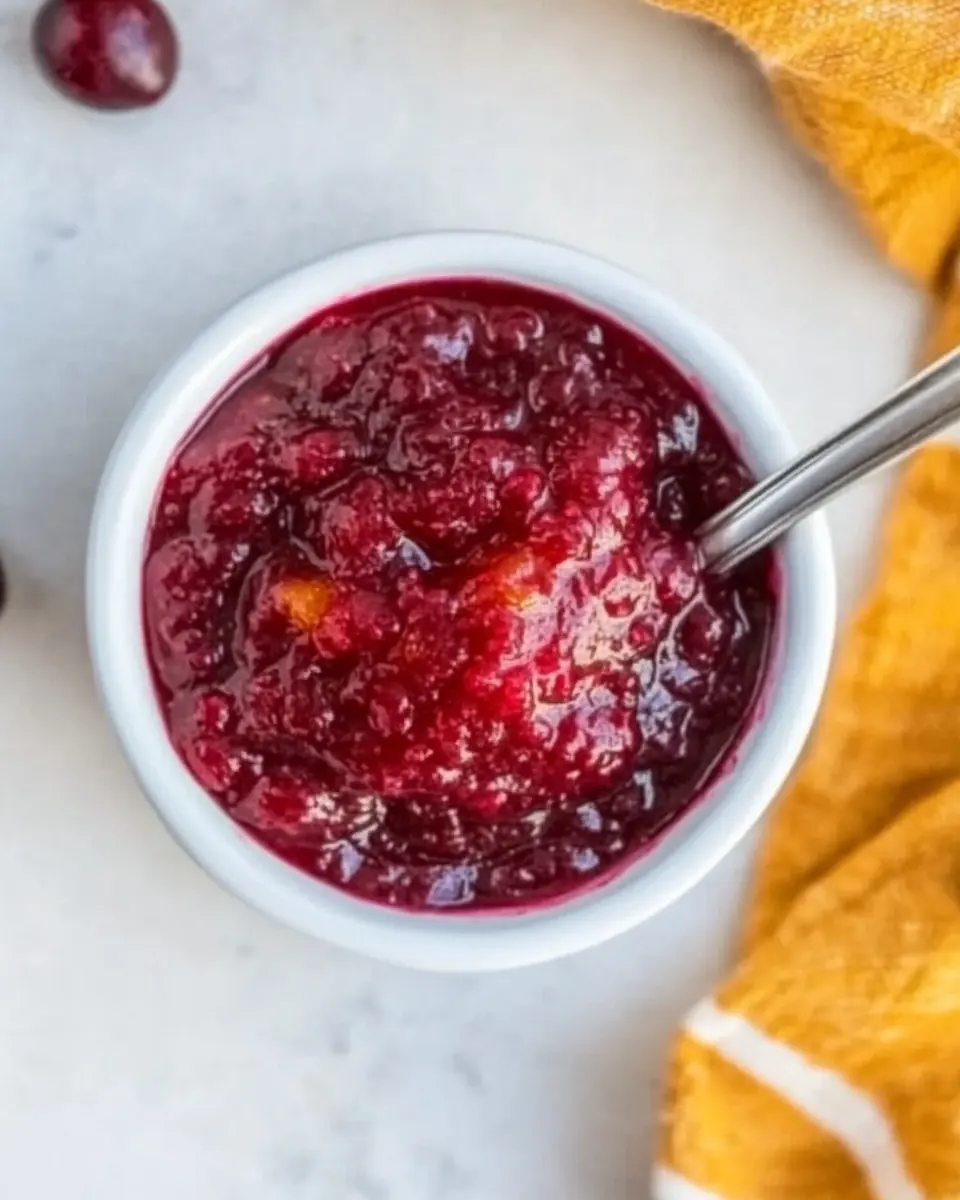
In a medium heavy-bottomed saucepan, combine 1 pound cranberries, 1 teaspoon orange zest, 1/2 cup orange juice concentrate, 1 teaspoon ground cinnamon, 1/2 teaspoon grated nutmeg, and 2 tablespoons maple syrup.: As the ingredients meet in the saucepan , you will notice the bright scent of the orange zest and the earthy warmth from the cinnamon . The concentrate has a syrupy sheen that helps coat the cranberries , which look matte and taut before cooking. Stir gently to distribute the spices so the flavors infuse evenly. A common mistake here is crowding the pan or using a thin pan which can cause uneven heating, so choose a heavy-bottomed vessel for steady heat distribution.
Bring the mixture to a boil over medium-high heat. Once bubbling, immediately reduce the heat to low. Simmer, stirring often, for 20-30 minutes until the cranberries have begun to pop and burst open and the juices begin to thicken. Be sure to watch the sauce closely as it simmers, so that the sauce does not burn. If you notice too much liquid evaporating, add 1/4 cup of water or orange juice as needed. And keep in mind that your sauce will thicken as it cools.: You will hear a faint bubbling as the mixture comes up to temperature, and steam will carry the citrus aroma through the kitchen. The initial boil helps the cranberries loosen their skins so they can burst and release pectin. Avoid turning the heat too high, because an aggressive boil can cause splattering and uneven cooking.
Cool to room temperature and then transfer to an airtight container and refrigerate for at least 12 hours before serving.: Lowering the heat tames the vigorous boil into a gentle simmer, which promotes even popping of the cranberries without scorching. At this stage, the sound becomes a steady, soft bubbling and the mixture shifts from bright red to a deeper jewel tone. If you leave it too hot, the sugars and juices can stick and burn, so regulate the flame carefully.
Simmer, stirring often, for 20 to 30 minutes until the cranberries have begun to pop and burst open and the juices begin to thicken: During this gentle simmer you will witness the berries soften, split, and swell into glossy kernels suspended in syrup. Stirring helps prevent sticking and distributes heat so the thickening is uniform. The aroma will change from sharp citrus to a rich, warm fruit perfume. A typical pitfall is walking away for long stretches, which can lead to over reduction; frequent stirring and watching the texture will prevent this.
Be sure to watch the sauce closely as it simmers, so that the sauce does not burn: Close attention prevents the sauce from clinging to the pan and developing bitter notes. Visually, look for a syrupy sheen and for the bubbles to slow and thicken. If the bottom of the pan shows darker specks or you smell a toasty scent, reduce heat and stir immediately. Using too high a heat here is the most common source of burnt flavor.
If you notice too much liquid evaporating, add 1/4 cup of water or orange juice as needed: Adding a splash restores the right balance and keeps the sauce from becoming overly dense. The added liquid lowers viscosity, and you will see the sauce loosen and regain a glossy movement. Add small amounts incrementally, because excess liquid will prolong cooking time and alter the final texture.
And keep in mind that your sauce will thicken as it cools: Off heat, the sauce will set further because the pectin in the cranberries firms up during cooling. You will notice the movement slow and the color deepen. If it seems very loose while warm, give it time before deciding to reduce further. A mistake I see often is overcooking to force thickness, which can concentrate flavors too much and make the sauce overly tart or chewy.
Cool to room temperature and then transfer to an airtight container and refrigerate for at least 12 hours before serving: As it cools, the aroma becomes gentler and the texture steadier. Refrigeration allows flavors to meld and reduces acidity from the cranberries . Use a clean, sealed jar to avoid picking up fridge odors. Many people rush to serve warm, but patience here rewards you with a more integrated, rounded sauce.