Cranberry Orange Sauce
Cranberry Orange Sauce is one of those simple, bright recipes I reach for when I want something that tastes like the holidays without fuss. The first time I made this, I was juggling a chaotic weeknight dinner and a bag of frozen cranberries I bought on sale, and the citrus lift from the orange turned those tart little berries into something unexpectedly festive. I remember stirring the pot and feeling soothed by the steady, rhythmic pop of the cranberries, like tiny celebratory fireworks in a glossy, ruby bath.
Over the years, I have tweaked this sauce at different tables, and each time it brings the same reaction: eyebrows raise, smiles appear, and people ask for the jar to go home. I tend to make a double batch when guests are coming, because it disappears faster than I expect. There is comfort in the way the citrus aroma fills the kitchen while the sauce reduces, and I always find myself stealing a spoonful as it cools.
Recipe Snapshot
32 mins
2 mins
30 mins
Easy
120 kcal
American
Paleo, Vegan
Side Dishes
Saucepan, Zester, Spoon, Airtight container
What You’ll Enjoy About This Cranberry Orange Sauce
Bright, Balanced Flavor
I love how Cranberry Orange Sauce combines tart cranberries with sweet, citrus notes from the orange and the maple. The contrast is lively but balanced, which means this sauce can cut through rich mains while still feeling fresh.
Minimal Ingredients, Maximum Impact
There are only a handful of pantry-friendly items here, and I appreciate that. With basic spices like cinnamon and optional nutmeg, the flavor profile feels layered without being complicated. This keeps the prep approachable for any cook.
Flexible and Make Ahead Friendly
I often prepare Cranberry Orange Sauce a day or two ahead, which makes entertaining easier. The flavors mellow and knit together in the fridge, so the sauce actually improves with time. That reliability is priceless on a busy holiday table.
Great Texture Play
The popping cranberries create a mix of whole fruit and jammy strands, giving a delightful mouthfeel. You can simmer it a bit longer for a thicker jam or pull it earlier for a looser relish, so it adapts to how you like to serve cranberry condiments.
Versatile Use
I use this sauce on roast dinners, spooned over yogurt for breakfast, or even as a bright spread on sandwiches. That utility means one batch can enhance several different meals, which is why I always make a little extra.
Shopping List for Cranberry Orange Sauce
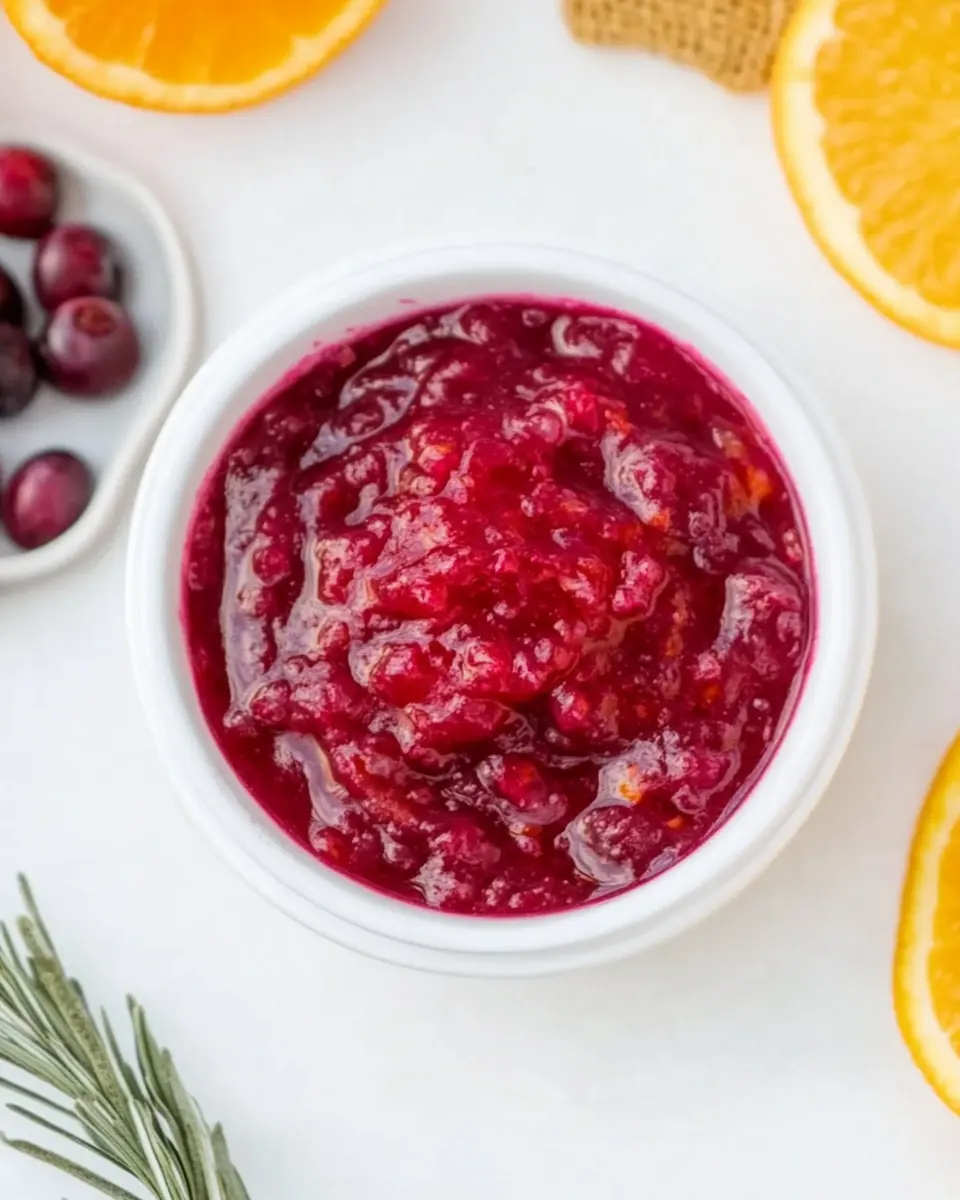
These ingredients work in harmony to create a sauce that is both bright and warmly spiced. The cranberries provide the tart base, the orange brings citrus sweetness and aroma, and the maple syrup tames the edges while adding complexity. Spices like cinnamon and optional nutmeg round out the profile, giving depth without overwhelming the fruit. Simple, focused components let the fruit shine.
- 1 pound cranberries, fresh or frozen: Provide bright tartness and body to the sauce, delivering the characteristic cranberry flavor and a balance to sweeteners; cook until berries burst to create a naturally thickened texture. Fresh or frozen berries both work, with frozen berries saving prep time while still yielding vibrant color and acidity.
- 1 teaspoon orange zest, from 1 navel orange: Add fragrant citrus oils and a zesty aroma, intensifying the overall fruitiness and lifting the sauce’s flavor profile; finely grate to avoid bitter pith and stir in near the end for maximum brightness. Zest contributes subtle floral notes that complement both the cranberries and sweeteners.
- 1/2 cup orange juice concentrate, thawed: Contribute concentrated orange flavor and pure sweetness while enhancing sauce body, providing an intense citrus punch without added liquid; thaw before using to incorporate smoothly. Orange juice concentrate helps meld flavors and adds natural sugars that reduce cooking time.
- 1 teaspoon ground cinnamon: Introduce warm spice and aromatic depth, supporting the fruit flavors with a subtle woody-sweet note; sprinkle in moderation so it enhances without overwhelming. Ground cinnamon blends easily into hot sauces and helps round the tartness of the cranberries.
- 1/2 teaspoon grated nutmeg (optional): Impart warm, nutty aroma and a hint of earthy complexity when used sparingly; grate fresh for the most vibrant flavor and add optionally according to taste. Nutmeg pairs well with cinnamon to create a cozy spice profile in fruit-based sauces.
- 2 tablespoons maple syrup, + more as desired: Provide rich sweetness and a touch of caramel-like complexity, allowing for easy adjustment of sugar levels to taste; stir in during or after cooking and add more if desired for preferred sweetness. Maple syrup adds depth and a complementary mellow flavor to balance the cranberries’ tartness.
Making This Cranberry Orange Sauce
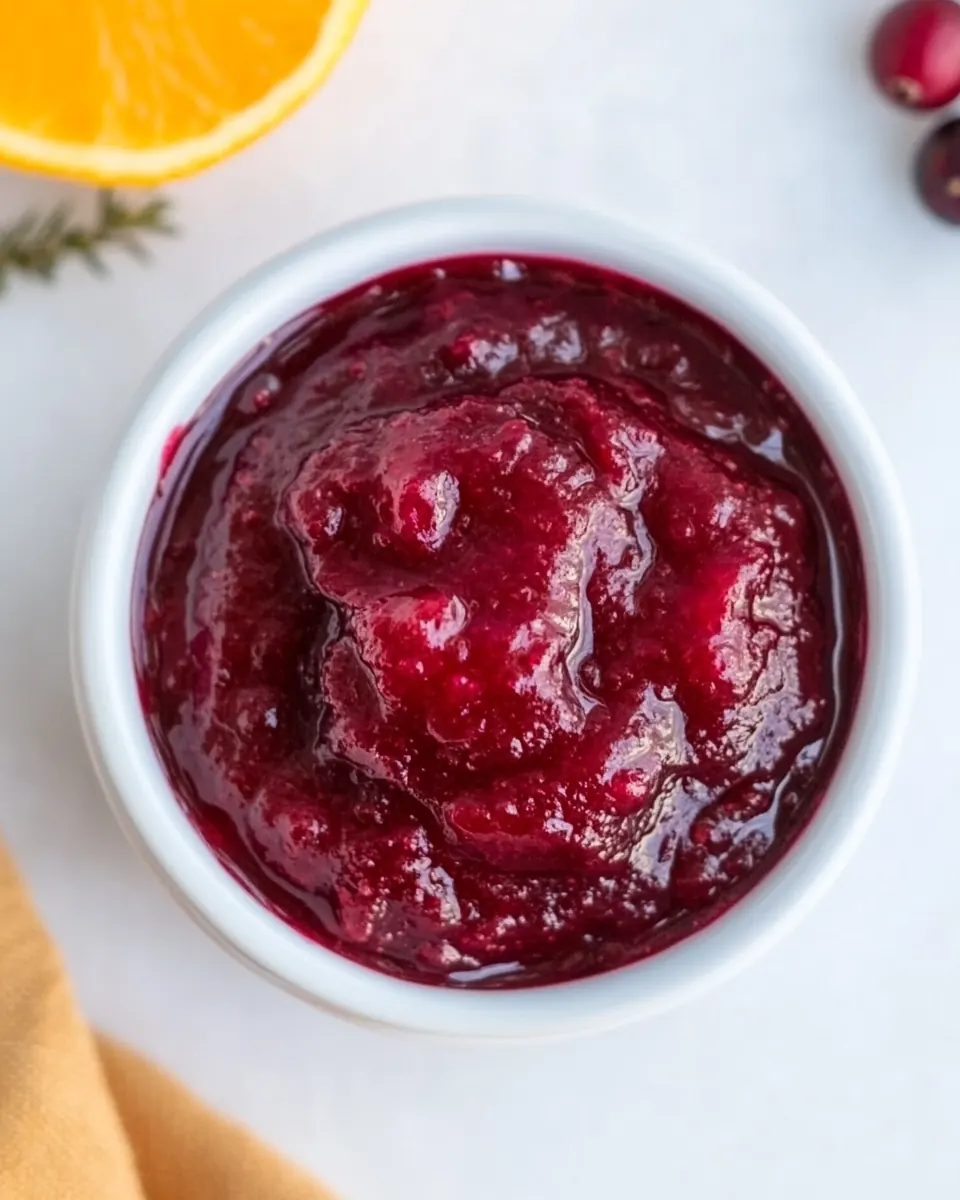
These directions are straightforward, but the nuance comes from watching the sauce as it changes texture and aroma. I like to stay nearby while it simmers so I can tune the consistency and sweetness. Below I expand each step into sensory-rich guidance so you know exactly what to look for.
- In a medium heavy-bottomed saucepan, combine 1 pound cranberries, 1 teaspoon orange zest, 1/2 cup orange juice concentrate, 1 teaspoon ground cinnamon, 1/2 teaspoon grated nutmeg, and 2 tablespoons maple syrup.: As the ingredients meet in the saucepan , you will notice the bright scent of the orange zest and the earthy warmth from the cinnamon . The concentrate has a syrupy sheen that helps coat the cranberries , which look matte and taut before cooking. Stir gently to distribute the spices so the flavors infuse evenly. A common mistake here is crowding the pan or using a thin pan which can cause uneven heating, so choose a heavy-bottomed vessel for steady heat distribution.
- Bring the mixture to a boil over medium-high heat. Once bubbling, immediately reduce the heat to low. Simmer, stirring often, for 20-30 minutes until the cranberries have begun to pop and burst open and the juices begin to thicken. Be sure to watch the sauce closely as it simmers, so that the sauce does not burn. If you notice too much liquid evaporating, add 1/4 cup of water or orange juice as needed. And keep in mind that your sauce will thicken as it cools.: You will hear a faint bubbling as the mixture comes up to temperature, and steam will carry the citrus aroma through the kitchen. The initial boil helps the cranberries loosen their skins so they can burst and release pectin. Avoid turning the heat too high, because an aggressive boil can cause splattering and uneven cooking.
- Cool to room temperature and then transfer to an airtight container and refrigerate for at least 12 hours before serving.: Lowering the heat tames the vigorous boil into a gentle simmer, which promotes even popping of the cranberries without scorching. At this stage, the sound becomes a steady, soft bubbling and the mixture shifts from bright red to a deeper jewel tone. If you leave it too hot, the sugars and juices can stick and burn, so regulate the flame carefully.
- Simmer, stirring often, for 20 to 30 minutes until the cranberries have begun to pop and burst open and the juices begin to thicken: During this gentle simmer you will witness the berries soften, split, and swell into glossy kernels suspended in syrup. Stirring helps prevent sticking and distributes heat so the thickening is uniform. The aroma will change from sharp citrus to a rich, warm fruit perfume. A typical pitfall is walking away for long stretches, which can lead to over reduction; frequent stirring and watching the texture will prevent this.
- Be sure to watch the sauce closely as it simmers, so that the sauce does not burn: Close attention prevents the sauce from clinging to the pan and developing bitter notes. Visually, look for a syrupy sheen and for the bubbles to slow and thicken. If the bottom of the pan shows darker specks or you smell a toasty scent, reduce heat and stir immediately. Using too high a heat here is the most common source of burnt flavor.
- If you notice too much liquid evaporating, add 1/4 cup of water or orange juice as needed: Adding a splash restores the right balance and keeps the sauce from becoming overly dense. The added liquid lowers viscosity, and you will see the sauce loosen and regain a glossy movement. Add small amounts incrementally, because excess liquid will prolong cooking time and alter the final texture.
- And keep in mind that your sauce will thicken as it cools: Off heat, the sauce will set further because the pectin in the cranberries firms up during cooling. You will notice the movement slow and the color deepen. If it seems very loose while warm, give it time before deciding to reduce further. A mistake I see often is overcooking to force thickness, which can concentrate flavors too much and make the sauce overly tart or chewy.
- Cool to room temperature and then transfer to an airtight container and refrigerate for at least 12 hours before serving: As it cools, the aroma becomes gentler and the texture steadier. Refrigeration allows flavors to meld and reduces acidity from the cranberries . Use a clean, sealed jar to avoid picking up fridge odors. Many people rush to serve warm, but patience here rewards you with a more integrated, rounded sauce.
Helpful Hints
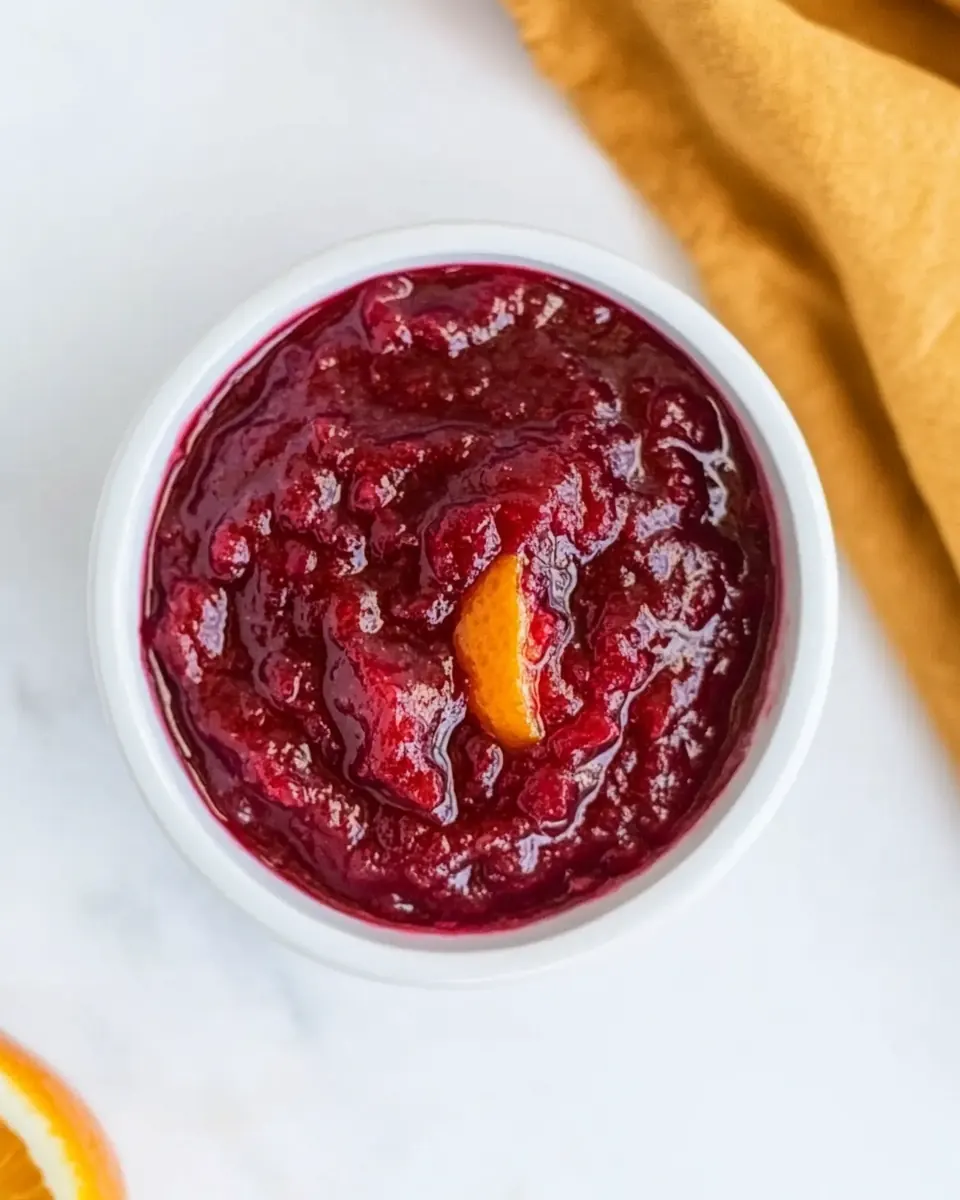
I like to collect small tips that make the process feel effortless. Below are my detailed pointers to help you get consistent results with your Cranberry Orange Sauce, organized so you can skim for quick wins or read deeply for technique.
- Choose fresh or good quality frozen cranberries – Fresh cranberries give you the best texture and brightest flavor, while frozen are perfectly convenient. Avoid berries with freezer burn, and rinse if they look dusty.
- Toast spices gently beforehand for extra depth – If you want a warmer spice note, gently toast the cinnamon and grated nutmeg in the pan for a few seconds before adding liquids, being careful not to burn them.
- Control sweetness after chilling – Sauce can taste tarter warm, so wait until it cools to adjust sweetness with more maple syrup so you do not over sweeten.
- Use a zester for bright citrus oils – Zesting directly into the pan releases aromatic oils that elevate the sauce beyond just fruit juice.
- Store properly – Keep in an airtight container in the fridge for up to five days, or freeze with headspace for up to one month.
Perfect Matches for Cranberry Orange Sauce
This sauce is versatile and pairs well with many preparations. Think about contrasting textures and richer mains when planning a meal, and use the list below for pairing ideas, occasions, and storage tips that help you get the most from a batch.
- Roast dinners – Serve spooned alongside roasted vegetables and mains to cut through richness and add bright fruit notes.
- Holiday feasts – Ideal for Thanksgiving or fall gatherings, this sauce brings a seasonal touch and colorful presence to the table.
- Breakfast pairings – Spoon a little over yogurt or pancakes to introduce a tart sweet contrast that lifts morning dishes.
- Sandwich spread – Use as a fruity condiment on sandwiches to swap mayonnaise or mustard for a seasonal twist.
- Make ahead and storage – Prepare up to five days ahead for best flavor melding, or freeze in jars with headspace for up to one month. Thaw overnight in the refrigerator.
FAQ
Conclusion
This Cranberry Orange Sauce is special because it balances bright citrus, tart berries, and warm spice in a simple, make ahead condiment that enhances many meals. Give it a try the next time you want a colorful, flavorful complement to roast dinners, holiday spreads, or even breakfast dishes. It is forgiving, adaptable, and reliably delicious, so once you make it you will find lots of ways to enjoy the jar all week long.
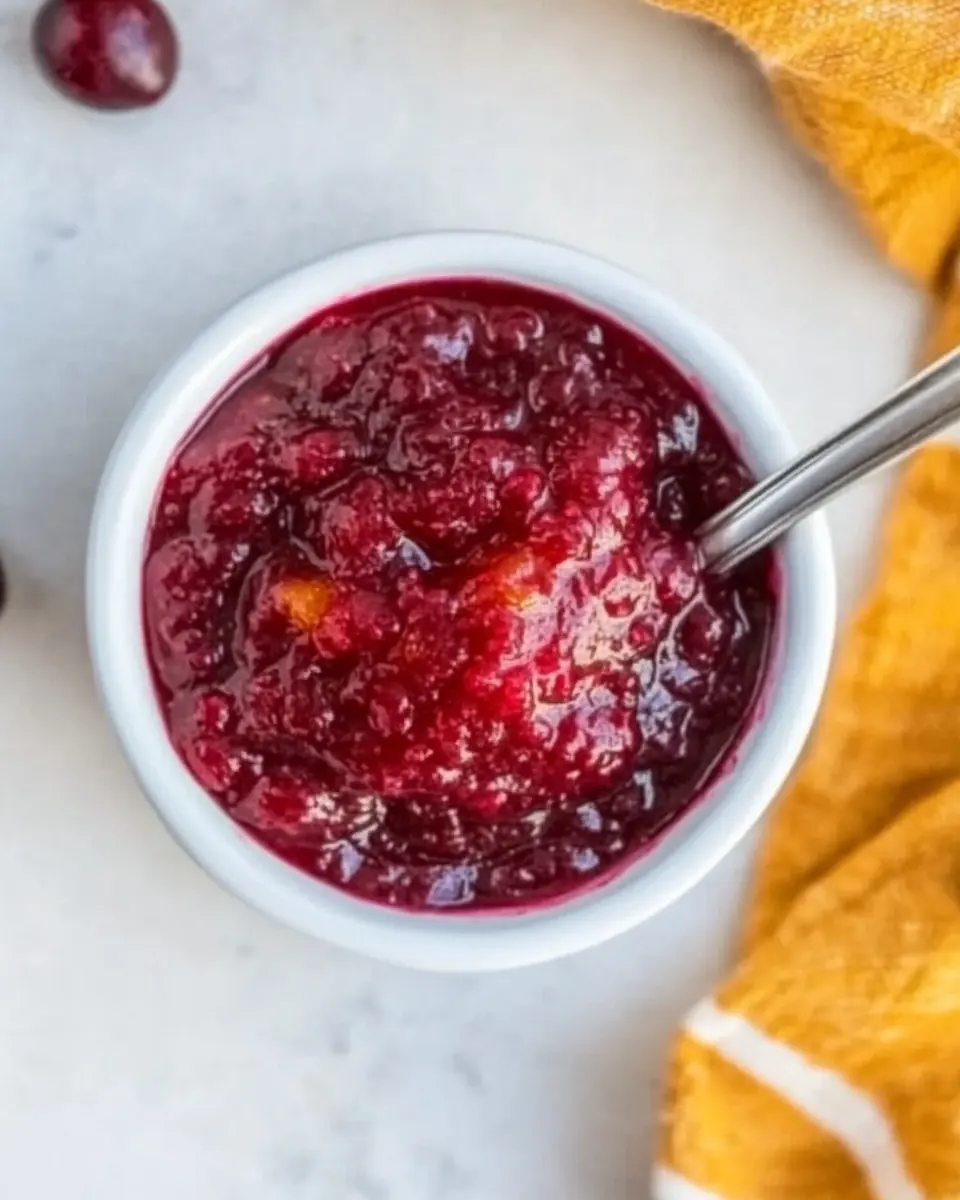
Cranberry Orange Sauce
Ingredients
Equipment
Method
- In a medium heavy-bottomed saucepan, combine 1 pound cranberries, 1 teaspoon orange zest, 1/2 cup orange juice concentrate, 1 teaspoon ground cinnamon, 1/2 teaspoon grated nutmeg, and 2 tablespoons maple syrup.: As the ingredients meet in the saucepan , you will notice the bright scent of the orange zest and the earthy warmth from the cinnamon . The concentrate has a syrupy sheen that helps coat the cranberries , which look matte and taut before cooking. Stir gently to distribute the spices so the flavors infuse evenly. A common mistake here is crowding the pan or using a thin pan which can cause uneven heating, so choose a heavy-bottomed vessel for steady heat distribution.
- Bring the mixture to a boil over medium-high heat. Once bubbling, immediately reduce the heat to low. Simmer, stirring often, for 20-30 minutes until the cranberries have begun to pop and burst open and the juices begin to thicken. Be sure to watch the sauce closely as it simmers, so that the sauce does not burn. If you notice too much liquid evaporating, add 1/4 cup of water or orange juice as needed. And keep in mind that your sauce will thicken as it cools.: You will hear a faint bubbling as the mixture comes up to temperature, and steam will carry the citrus aroma through the kitchen. The initial boil helps the cranberries loosen their skins so they can burst and release pectin. Avoid turning the heat too high, because an aggressive boil can cause splattering and uneven cooking.
- Cool to room temperature and then transfer to an airtight container and refrigerate for at least 12 hours before serving.: Lowering the heat tames the vigorous boil into a gentle simmer, which promotes even popping of the cranberries without scorching. At this stage, the sound becomes a steady, soft bubbling and the mixture shifts from bright red to a deeper jewel tone. If you leave it too hot, the sugars and juices can stick and burn, so regulate the flame carefully.
- Simmer, stirring often, for 20 to 30 minutes until the cranberries have begun to pop and burst open and the juices begin to thicken: During this gentle simmer you will witness the berries soften, split, and swell into glossy kernels suspended in syrup. Stirring helps prevent sticking and distributes heat so the thickening is uniform. The aroma will change from sharp citrus to a rich, warm fruit perfume. A typical pitfall is walking away for long stretches, which can lead to over reduction; frequent stirring and watching the texture will prevent this.
- Be sure to watch the sauce closely as it simmers, so that the sauce does not burn: Close attention prevents the sauce from clinging to the pan and developing bitter notes. Visually, look for a syrupy sheen and for the bubbles to slow and thicken. If the bottom of the pan shows darker specks or you smell a toasty scent, reduce heat and stir immediately. Using too high a heat here is the most common source of burnt flavor.
- If you notice too much liquid evaporating, add 1/4 cup of water or orange juice as needed: Adding a splash restores the right balance and keeps the sauce from becoming overly dense. The added liquid lowers viscosity, and you will see the sauce loosen and regain a glossy movement. Add small amounts incrementally, because excess liquid will prolong cooking time and alter the final texture.
- And keep in mind that your sauce will thicken as it cools: Off heat, the sauce will set further because the pectin in the cranberries firms up during cooling. You will notice the movement slow and the color deepen. If it seems very loose while warm, give it time before deciding to reduce further. A mistake I see often is overcooking to force thickness, which can concentrate flavors too much and make the sauce overly tart or chewy.
- Cool to room temperature and then transfer to an airtight container and refrigerate for at least 12 hours before serving: As it cools, the aroma becomes gentler and the texture steadier. Refrigeration allows flavors to meld and reduces acidity from the cranberries . Use a clean, sealed jar to avoid picking up fridge odors. Many people rush to serve warm, but patience here rewards you with a more integrated, rounded sauce.
Notes
- Choose fresh or good quality frozen cranberries - Fresh cranberries give you the best texture and brightest flavor, while frozen are perfectly convenient. Avoid berries with freezer burn, and rinse if they look dusty.
- Toast spices gently beforehand for extra depth - If you want a warmer spice note, gently toast the cinnamon and grated nutmeg in the pan for a few seconds before adding liquids, being careful not to burn them.
- Control sweetness after chilling - Sauce can taste tarter warm, so wait until it cools to adjust sweetness with more maple syrup so you do not over sweeten.
- Use a zester for bright citrus oils - Zesting directly into the pan releases aromatic oils that elevate the sauce beyond just fruit juice.
- Store properly - Keep in an airtight container in the fridge for up to five days, or freeze with headspace for up to one month.