Add the olive oil, celery, carrots, and onion to a soup pot over medium-high heat. Sauté for 5-7 minutes, stirring occasionally.: You should hear a soft sizzle and see the vegetables soften and start to glisten, the onion turning translucent and the edges of the carrots and celery giving off a faint sheen. This step builds the soup's flavor base by coaxing out natural sugars and creating mild caramelization, which deepens the overall profile. Pause and breathe in the developing aroma, it will smell sweet and savory. Stir every so often to prevent the vegetables from sticking and browning unevenly. A common misstep is cranking the heat too high, which browns the vegetables too quickly and brings bitterness, so keep the temperature steady and patient.
Stir in the garlic and flour and cook for about a minute.: At this point the minced garlic should become fragrant, releasing a warm, inviting scent that fills the kitchen. The flour will coat the softened vegetables and start absorbing the fat, creating a roux like base that will thicken the broth. You will notice the mixture tighten slightly and take on a toasted, nutty scent as the flour cooks out its raw edge. Work quickly but carefully, as garlic can go from golden to bitter in moments. Avoid skipping the brief flour cook time, because an undercooked flour taste can linger in the finished soup.
Slowly pour in the broth and stir/scrape up the browned bits from the bottom of the pot until the flour has dissolved.: As you add the chicken broth , you will see the mixture loosen and steam rise, carrying the combined aromas. Use a spoon to scrape any fond off the bottom, those browned bits are concentrated flavor boosters that will dissolve into the liquid. A steady pour prevents lumps from forming, and stirring until the flour integrates ensures a smooth texture. Listen for a gentle simmer forming as the broth warms. If lumps persist, whisk gently; if the broth is too cool it will take longer for the flour to incorporate, so keep the heat moderate.
Stir in the Italian seasoning, rice, and cream. Increase the heat to high, and once the soup comes to a gentle boil, give it a good stir, then reduce the heat so it's simmering and cover the pot with the lid slightly ajar. Simmer the soup for 10 minutes. I stir it every now and then to prevent the rice from sticking to the bottom of the pot.: When the Italian seasoning , rice , and heavy whipping cream join the pot, the aroma shifts, becoming creamier with herbaceous notes. Bringing the soup to a gentle boil wakes the rice and starts hydration, but you then reduce to a simmer so the grains cook evenly without breaking apart. The lid slightly ajar allows steam to release slowly, controlling the liquid level. Overly vigorous boiling will agitate the rice and can make it release excess starch, resulting in a gluey texture, so maintain a calm simmer. Stir occasionally to keep the rice from adhering to the pot's base and to check consistency. Expect the broth to thicken as the rice swells and the cream melds in.
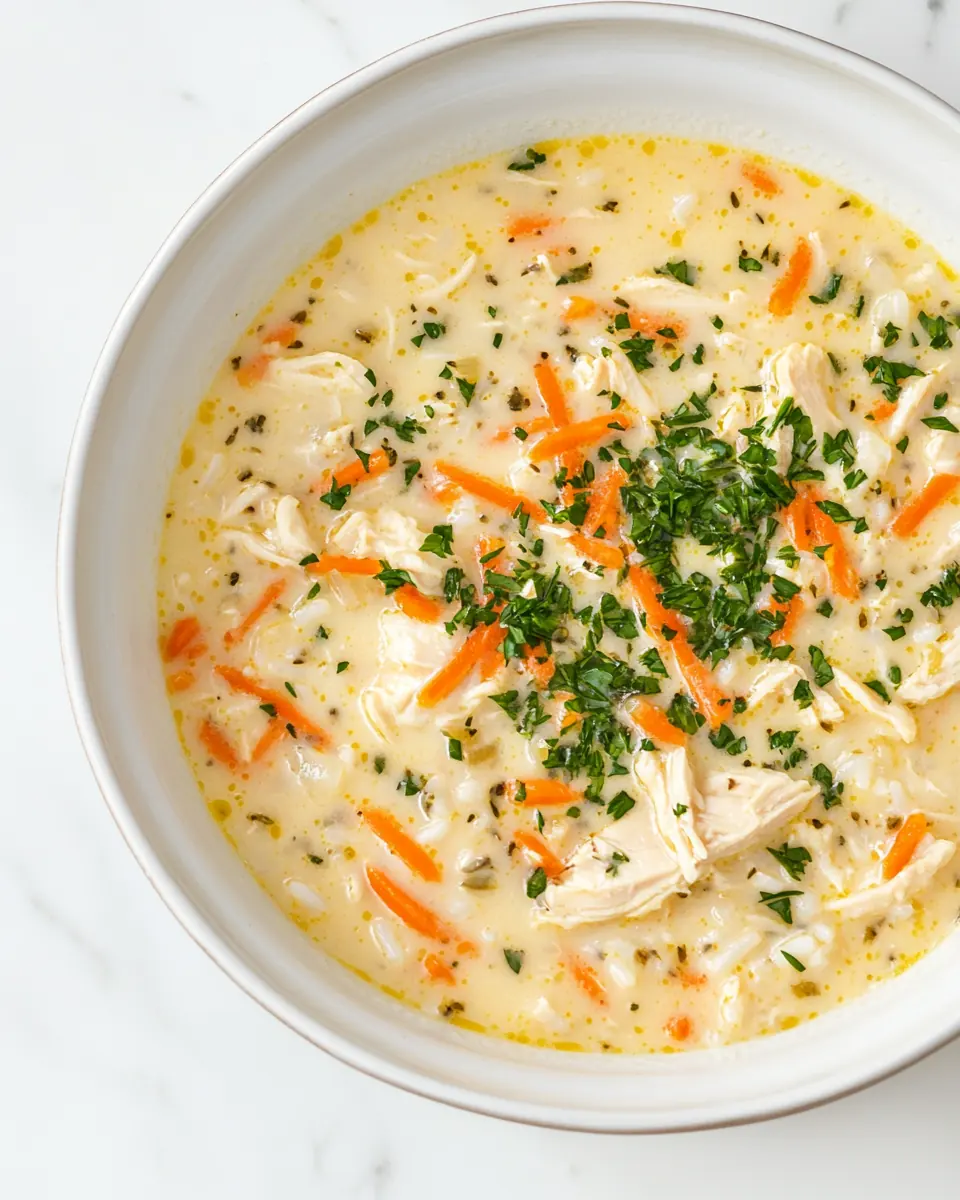
Add in the chicken and cook for another 7-10 minutes or until the chicken and rice are both cooked. Season with salt & pepper as needed. This soup will soak up the broth FAST. You may need to add more chicken broth if you prefer a less thick soup, and you'll definitely have to add broth to leftovers. Cook the rice separately if you don't plan on eating it right away.: Once the bite sized chicken pieces enter the simmering pot, you'll notice tiny ribbons of protein turning from translucent to opaque, signaling progress. The soup should bubble softly and smell richly savory, the cream smoothing the broth. Cooking for 7 to 10 minutes usually brings both the chicken and the rice to doneness, but confirm visually that the chicken pieces are opaque throughout and tender. Taste and add salt and pepper incrementally; seasoning at the end lets you calibrate for the broth's salt level. Be mindful that the rice will absorb liquid rapidly, thickening the soup, so if you prefer a looser consistency, add warmed chicken broth as needed. A typical error here is overcooking the rice, which can become mushy; if you expect leftovers, cook the rice separately and add it to bowls when serving.