Bring a large pot of water to a boil.: There's a deep, reassuring sound when water approaches a rolling boil, and you should hear a steady, lively roar rather than a timid simmer. The reason we use abundant water is to keep the temperature stable when potatoes are added, preventing the pot from cooling and slowing the cooking, which can make centers gummy. A common mistake is starting potatoes in water that is barely simmering, which leads to uneven cooking, so wait for that full boil before adding anything.
In the meantime, peel the potatoes and cut them into large chunks. Keep them in cold water if there's a large gap in time from cutting to cooking.: As you cut, the potatoes feel firm and a little dry; once submerged in cold water they stop darkening and release surface starch instead of clumping together. This step matters because exposed cut surfaces oxidize quickly, and the cold water preserves color and texture. Avoid letting them sit at room temperature for too long, or they will brown and pick up odd flavors.
Season the boiling water with salt, add the potatoes, and cook for 12 to 15 minutes or just until tender. Do not under or overcook.: When salted water returns to a boil with the potatoes inside, you'll notice the aroma intensify slightly, and a knife should slide through the largest chunk with gentle resistance when they are done. Overcooking turns the structure to mush and invites waterlogged, grainy results, while undercooking leaves hard centers, so test early and often in the final minutes.
In the meantime, add the cream and butter to a separate pot and cook over low heat until the butter is melted and the mixture is hot.: Warming the heavy whipping cream and unsalted butter together creates a smooth, cohesive liquid that will be absorbed readily by the potatoes. You should see small ripples on the surface and smell a sweet, dairy warmth as the butter melts. Hot dairy prevents shock cooling the potatoes, which can cause a stodgy texture, so keep the heat gentle and do not let it boil.
Once the potatoes are cooked, drain them and return them to the pot they were cooked in.: Draining leaves you with a steaming pot that will continue to dry slightly, which is helpful for fluffy mash. Return to warm cookware because a cold bowl will sap heat and make folding in dairy more difficult. A common error is leaving drained potatoes in a colander where they cool too quickly, making the absorption of fats and cream uneven.
Mash them using electric hand beaters or through a food mill.: The tactile feedback of mashing is key, you will hear a soft whir or rhythmic pounding and see the texture go from chunky to progressively smoother. A food mill gives the silkiest result, while hand beaters are fast and efficient; whichever you choose, avoid overbeating, which releases excess starch and produces gluey potatoes. Stop mashing when the mash holds soft peaks and is uniformly textured.
Fold in the hot cream and butter, along with olive oil, salt, and white pepper.: Start by pouring a ribbon of the warmed dairy into the mashed potatoes and fold gently with a spatula, noticing how the mixture loosens and acquires a glossy sheen from the olive oil . The aroma should become richer and more layered as the fats emulsify with the potato. If you add the dairy cold, it can make the mash clump and feel heavy, so keep it warm and add gradually until you reach the desired consistency.
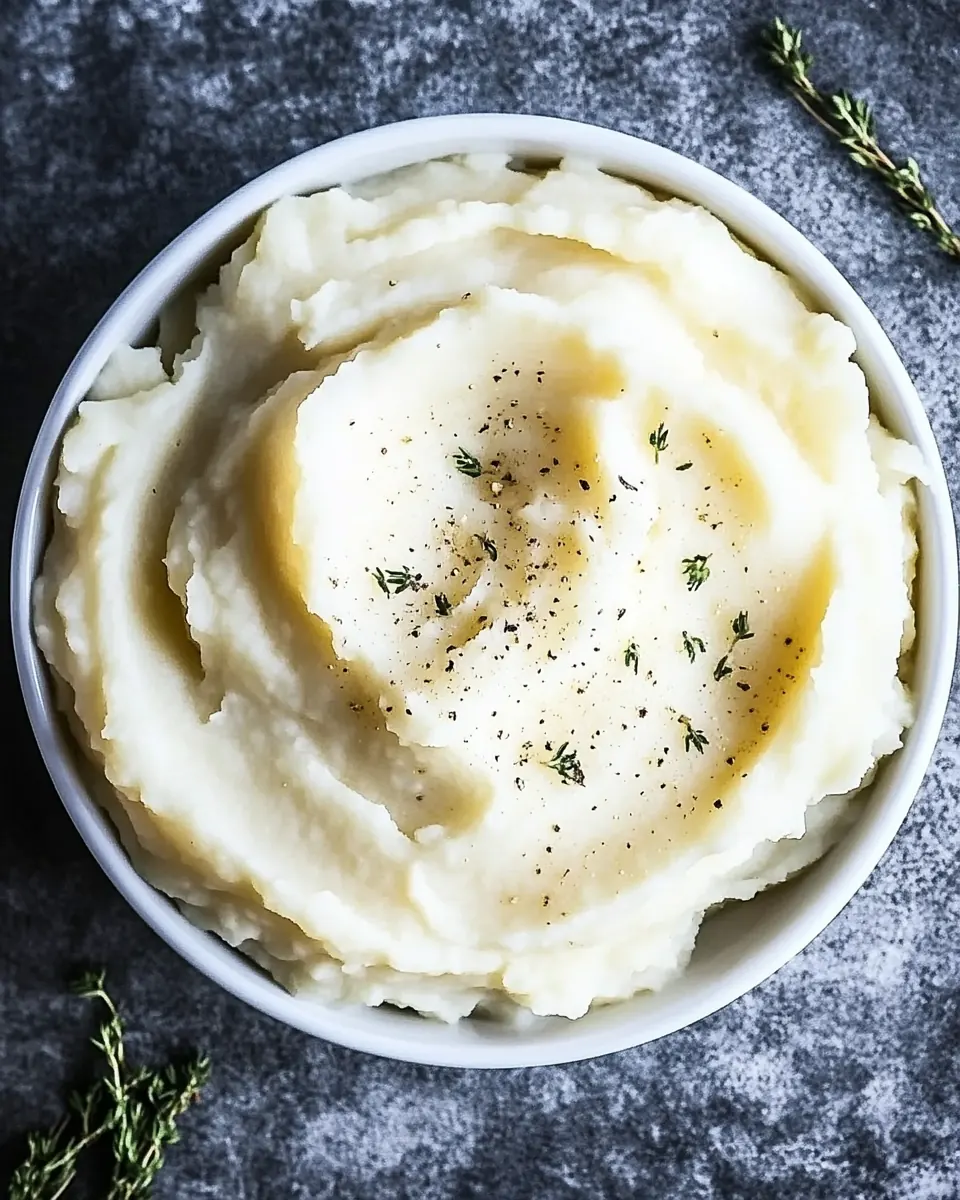
Adjust the seasonings and serve with additional melted butter over top.: After tasting, you may hear a faint sizzle if you spoon a bit of extra melted butter onto the surface, and the visual cue of a glossy pool of butter invites immediate serving. Fine tune salt and ground white pepper to lift the flavors. A common misstep is over-salting at the end; season gently, taste, and remember warmth concentrates flavors, so err on the side of slightly underseasoned before adjusting.