Preheat the oven to 450 degrees F. Line a baking sheet with parchment paper and lay the poblano peppers on top. Roast the peppers in the oven for 15-20 minutes, until the waxing skin bubbles up over the surface of the poblanos.: The oven heat should feel immediate and hot, producing audible crackles as the pepper skins blister. Roasting at this temperature forces the skins to separate from the flesh, making peeling far easier and creating a smoky perfume that fills the kitchen. A common mistake is using a lower temperature which will not blister the skins properly, leaving you with underdeveloped flavor and a tougher peel.
Meanwhile place a large saucepot over medium heat and add the butter, onions, garlic, cilantro, salt and cumin. Saute for 5-6 minutes. Then add the broth to the pot.: You'll notice the peppers settle on the sheet, glossy and taut before roasting. Lining the pan prevents sticking and concentrates heat around the peppers, helping them char evenly. If you overcrowd the pan the peppers will steam instead of blister, so give them space to roast individually.
Once the poblano peppers are out of the oven, carefully peel off the waxy exterior. Remove the stems and seeds and place the flesh of the peppers in the pot. Bring the soup to boil. Then lower the heat and simmer for 20 minutes.: The skins will blacken and bubble, and the smell becomes toasty and slightly sweet. You want visible blistering across each pepper, not just a few charred spots. Pull them the moment the skin bubbles widely; leaving them longer can overcook and toughen the flesh.
Shred or crumble the cheese and toss with the cornstarch. Add it to the soup base and stir to melt the cheese.: As the butter melts the onions should soften and become translucent, the garlic will release aromatic steam, and the cilantro will brighten the pan. The sizzling sound will shift from sharp to gentle as moisture evaporates, signaling readiness. A common issue is pushing heat too high which browns the aromatics and introduces bitter notes.
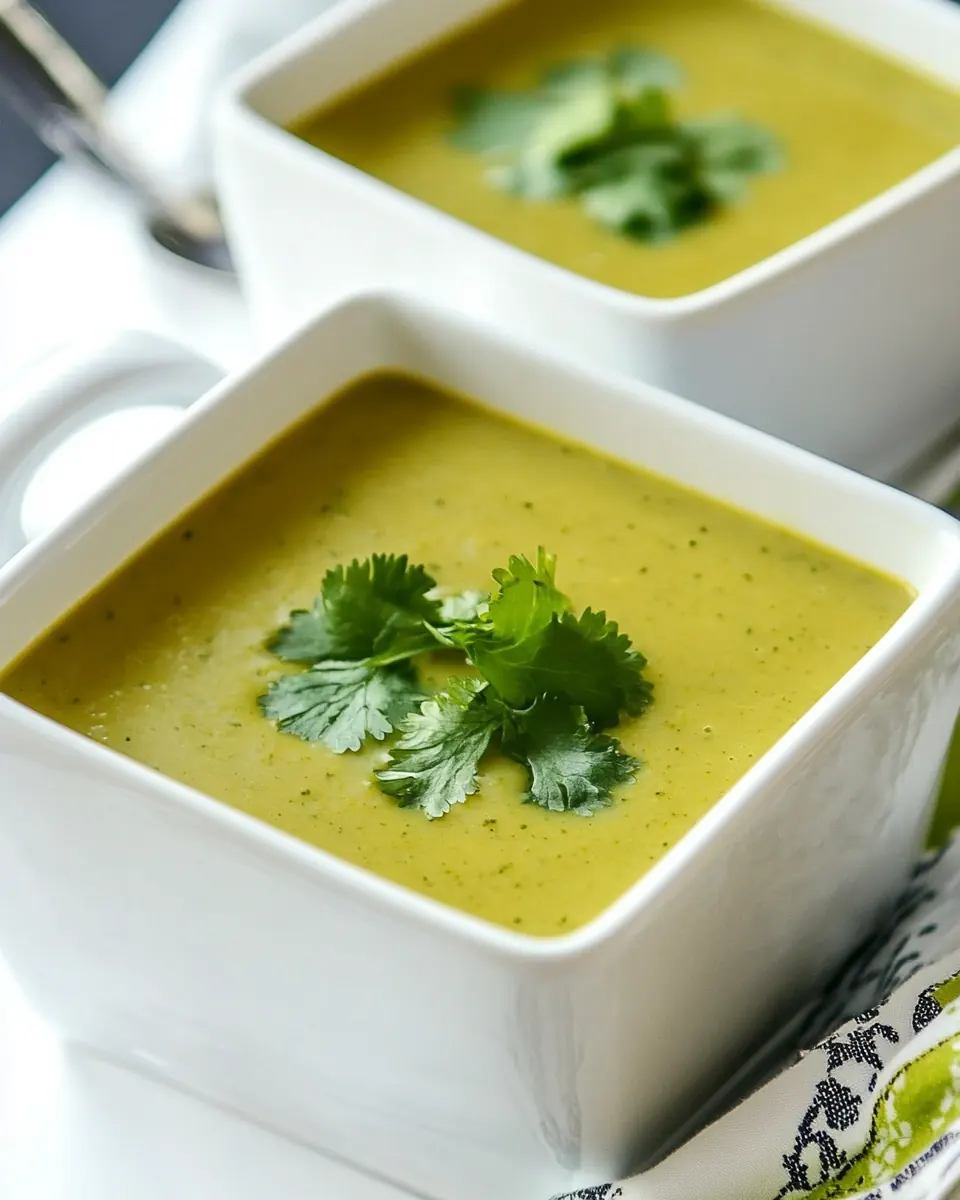
Then use an immersion blender to puree the soup until smooth and creamy. Salt and pepper to taste.: The texture should move from crisp to tender, the scent turning sweet and savory. This tenderizing step unlocks sugars in the onion and melds spices into a cohesive base. If you skip this, the final soup can taste flat or have pieces of undercooked onion .
Serve the soup as-is with a slightly rustic texture, or use a food mill to strain the soup for a fine creamy texture. Serve warm.: When the warm broth hits the pot you will see a steam column and hear a soft simmer start, carrying the aromatics outward. Adding warm or room temperature broth avoids shocking the pan, and it immediately becomes the vehicle for all flavors to mingle. Using a weak broth will dilute the peppers so choose one with character.
Once the poblano peppers are out of the oven carefully peel off the waxy exterior: The flesh underneath should be tender and glossy, with a concentrated smoky smell. Peeling under a bowl or with a paper towel helps, and removing stems and seeds prevents bitterness and unwanted texture. Rushing this step can leave small pieces of skin which can be slightly chewy in the soup.
Remove the stems and seeds and place the flesh of the peppers in the pot: Add the soft, smoky flesh directly to the simmering base, watching the broth take on deeper color and aroma. The peppers will release juices that enhance the broth, and you'll notice a richer scent layering the pot. If you include too many seeds the soup will pick up pockets of heat and astringency.
Bring the soup to boil: A full boil brings the pot to life with rolling bubbles and a stronger fragrance, helping flavors meld more quickly. Boiling briefly is fine, but prolonged strong boiling risks breaking down delicate aromatics. Many cooks make the mistake of a long, aggressive boil which can flatten nuanced flavors.
Then lower the heat and simmer for 20 minutes: A gentle simmer allows the components to marry, and the aromas will deepen into a comforting, cohesive scent. The broth should show small, steady bubbles and steam, not vigorous activity. Simmering too long at high heat can over reduce the broth and concentrate saltiness.
Shred or crumble the cheese and toss with the cornstarch: The cool, slightly salty shreds should feel powdery coated after tossing, which prevents clumping and helps them disperse when warmed. This step ensures a smooth integration and stops the cheese from becoming stringy or separating. Adding cheese without cornstarch often results in lumps.
Add it to the soup base and stir to melt the cheese: As the cheese warms it will slowly marry with the broth yielding a glossy, thickened texture. You should see the soup become more viscous and hear a quieter bubbling sound. If the heat is too high the cheese can break and become oily, so keep the pot gently warmed.
Then use an immersion blender to puree the soup until smooth and creamy: The motor buzzes while you blend and the soup transforms visually, losing visible chunks and gaining velvety consistency. Keep the blender moving to avoid over blending in one spot, and pulse until the texture feels silky. If you overblend you can introduce excess air, making the soup foamier than desired.
Salt and pepper to taste: After pureeing, seasoning becomes clearer as flavors concentrate; add small increments and taste between additions. This final seasoning step polishes the bowl and ensures balance. A common misstep is over salting before the cheese is added, which can make the finished soup too salty.
Serve the soup as is with a slightly rustic texture or use a food mill to strain the soup for a fine creamy texture: The finished bowl can celebrate rustic flecks of poblano peppers or be refined for a silky presentation, depending on your mood. If you choose to strain, press gently to capture the smoothest body. Forgetting to cool slightly before straining can lead to safety issues handling hot soup.
Serve warm: Ladle into bowls and enjoy the comforting steam and rounded flavors. The ideal temperature should be cozy and not scalding, allowing the aromas to lift as you eat. Serving too hot can mask subtle flavors and make it hard to taste the full balance.