Rinse the watercress well and roughly chop it.: The first sensory cue is the clean, green scent that rises when you rinse the watercress . As you chop, the leaves release a fresh peppery aroma. Ensure all grit is removed by swishing the bunches in cold water, and pat them dry to avoid diluting the soup. A common mistake is leaving sandy stems, which gives grit to the final puree, so rinse thoroughly and inspect for dirt lodged at the stem base.
In a large pot, melt the butter over medium heat and add the chopped watercress. Cook for 3 minutes: add the potato cubes, bay leaf, salt, and pepper, and add chicken stock to cover the watercress and potatoes.: You should hear a soft sizzle as the butter melts and the watercress hits the pan, releasing a bright, vegetal fragrance. This brief wilt helps the greens relax into the broth, unlocking flavors. Keep the heat at medium to avoid browning the greens, which would darken the flavor profile. Avoid high heat here, which can make them bitter.
Bring to a boil and lower to a simmer over medium-low heat for about 20 minutes. Partially cover the pan.: add the potato cubes, bay leaf, salt, and pepper, and add chicken stock to cover the watercress and potatoes : After the initial wilt, the aroma shifts as the diced potatoes begin to warm, giving a gentle starchy scent. Add the bay leaf and season modestly; the broth should just cover the ingredients so the potatoes cook through without becoming waterlogged. A common error is adding too much liquid, which dilutes taste and lengthens cooking time, so keep the level just above the solids.
Remove the bay leaf, and with a handheld mixer or in a blender reduce to a smooth, creamy puree.: Watch for tiny bubbles rising steadily, a visual cue that the heat is right for a gentle simmer. You want the potatoes tender enough to mash with a fork but not falling apart into shreds. The simmer concentrates flavors; if it boils vigorously, you risk breaking the texture and losing bright notes. A frequent slip is cooking too fast, which can make the potatoes disintegrate and create a grainy finish.
Put the watercress puree back into the cooking pan, if you were using the blender, and add the heavy cream and stir well to integrate it. Lower the heat and warm up the soup, do not boil it. Taste and season accordingly.: Leaving the pot partially covered captures some steam to help soften the vegetables while allowing excess moisture to escape so the soup remains flavorful. You should see occasional wisps of steam and a calm surface. If you cover fully, the soup may retain too much water and dilute the taste, so keep the lid askew as instructed.
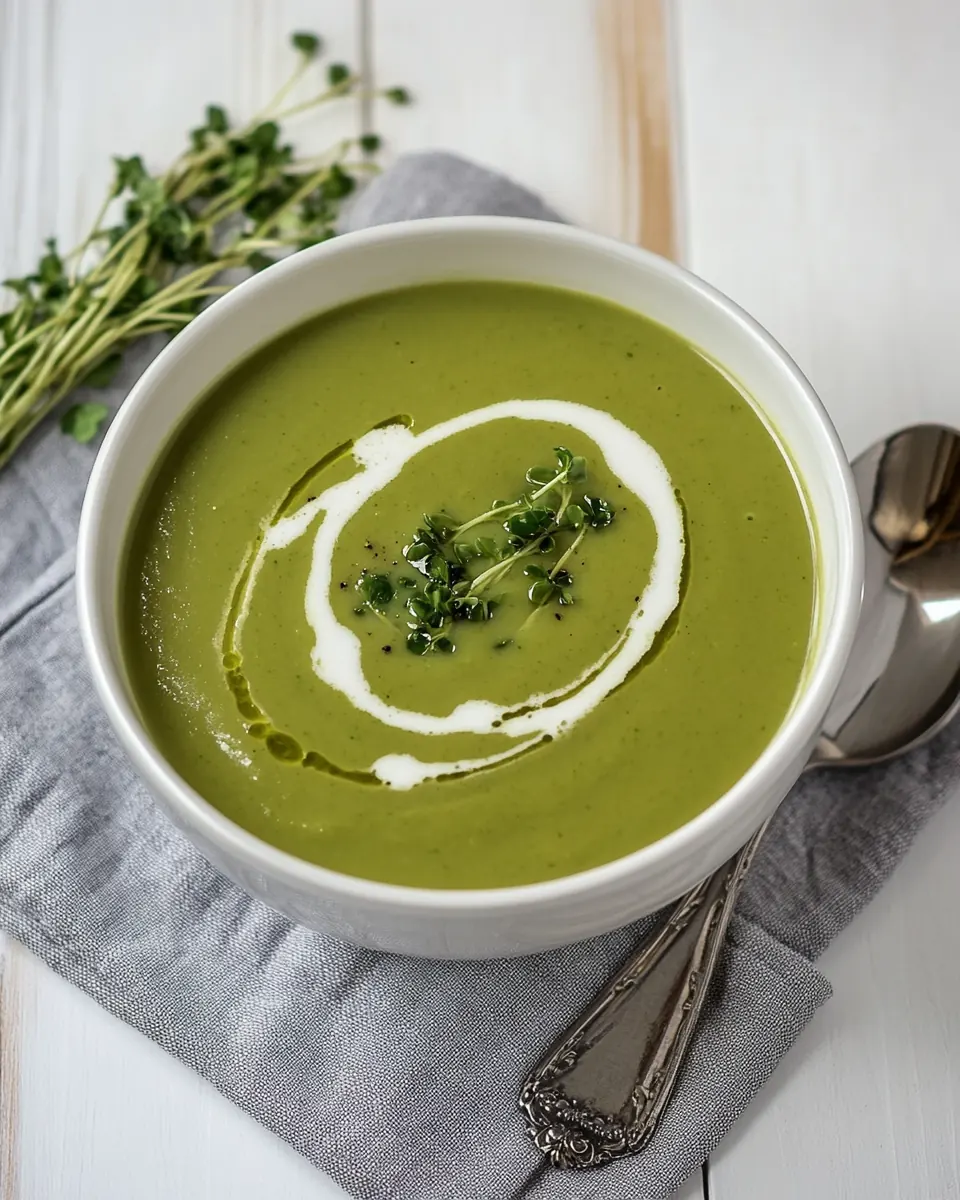
Serve with a dollop of heavy cream or sour cream.: The transformation here is dramatic: the kitchen fills with a warm, herbaceous aroma as the solids whisk into a uniform green silk. When blending, work in batches if needed and pulse to avoid splatters. One trap is overheating the soup in a blender, which can steam and expand, so hold the lid with a towel and vent slightly to prevent pressure build up.
Put the watercress puree back into the cooking pan, if you were using the blender, and add the heavy cream and stir well to integrate it: As the heavy cream hits the warm puree, it softens the peppery edge and creates a glossy sheen. Stir gently until fully incorporated and watch the color deepen into a rich, pale green. Heat slowly; do not bring the mixture to a boil, because boiling can separate the cream and change the silky texture. A common oversight is adding cold cream and not warming it through, which cools the soup too much and hides flavors.
Lower the heat and warm up the soup, do not boil it: The ideal sensation is a barely trembling surface with gentle steam. Warming slowly lets flavors marry and prevents the heavy cream from breaking. Taste and adjust seasoning now, since the final warmth brings out subtle nuances. Avoid rushing with high heat which ruins the texture and can make the dairy curdle.
Taste and season accordingly: Use small pinches of salt and a crack of pepper , tasting between adjustments. Seasoning at this stage reaches its full potential because the cream has rounded the flavors. Over salting is easy if you season earlier, so build gradually and be patient. One mistake I see is oversalting expecting the bread or garnish to counterbalance it, but you want the soup itself to be balanced.
Serve with a dollop of heavy cream or sour cream: The final touch is cool and creamy, a contrast both in temperature and texture that brightens the bowl. Swirl a spoonful of creme fraiche or sour cream and watch it ripple into the pale green surface, adding a hint of tang. If you serve piping hot, the garnish will gently melt into pretty ribbons. Avoid placing the garnish too early, as it will dissolve completely and you lose the visual appeal.