Creamy Watercress Soup
Creamy Watercress Soup has been one of those comforting bowls I turn to when spring greens first arrive at the market, and I still remember the first time I tasted it at a little bistro where the broth felt like a warm, peppery hug.
I grew up near a riverbank where watercress popped up in damp soil, and each spring I would help my grandmother wash handfuls until they shimmered. That memory is woven into every spoonful I make now, the bright green color and the subtle peppery bite bringing me back to those muddy boots and the smell of fresh herbs in the air.
Over the years I played with texture, adding soft diced potatoes to give the soup body without weighing down the delicate flavor of the watercress. The trick was learning when to add cream so it becomes silk on the tongue rather than a greasy film. I’ll tell you how I do that, and why a light hand and a patient simmer make all the difference.
Recipe Snapshot
30 mins
10 mins
20 mins
Easy
200 kcal
French
Gluten-Free, Low FODMAP
Soups
Large pot, Handheld mixer, Blender
Why This Creamy Watercress Soup Works
Vibrant spring flavor that feels fresh
I love how Creamy Watercress Soup captures the season in a bowl. The peppery notes of watercress cut through the richness of the puree, so each spoonful tastes lively, not heavy. When I serve it in late March or April, guests always comment on how it tastes like spring on a plate.
Comforting texture without heaviness
The combination of starchy potatoes and smooth blending creates a luxurious mouthfeel. I prefer a silky, spoon-coating texture rather than something dense. That balance keeps the soup satisfying for a light lunch, or elegant enough for a starter at dinner.
Simple ingredients, big impact
One reason I reach for this recipe is how few components it asks for. With basic pantry items like butter, vegetable broth, and a splash of heavy cream, the watercress remains the star. I often find I can make a memorable dish without fuss, which is a big win on busy days.
Fast to make, yet feels special
From rough chopping to the finished bowl takes under an hour, but the result reads as if you worked longer. I like recipes that deliver on both speed and depth of flavor, and this one checks both boxes. It’s my go to when I want something quick but impressive.
Versatile for many occasions
I’ll serve Creamy Watercress Soup at a casual family lunch, or spoon it into small bowls for an intimate dinner party. It pairs well with crusty bread or a simple salad, and the garnish options let me tailor it for comfort or elegance. That flexibility keeps it in heavy rotation for me.
Ingredients to Make Creamy Watercress Soup
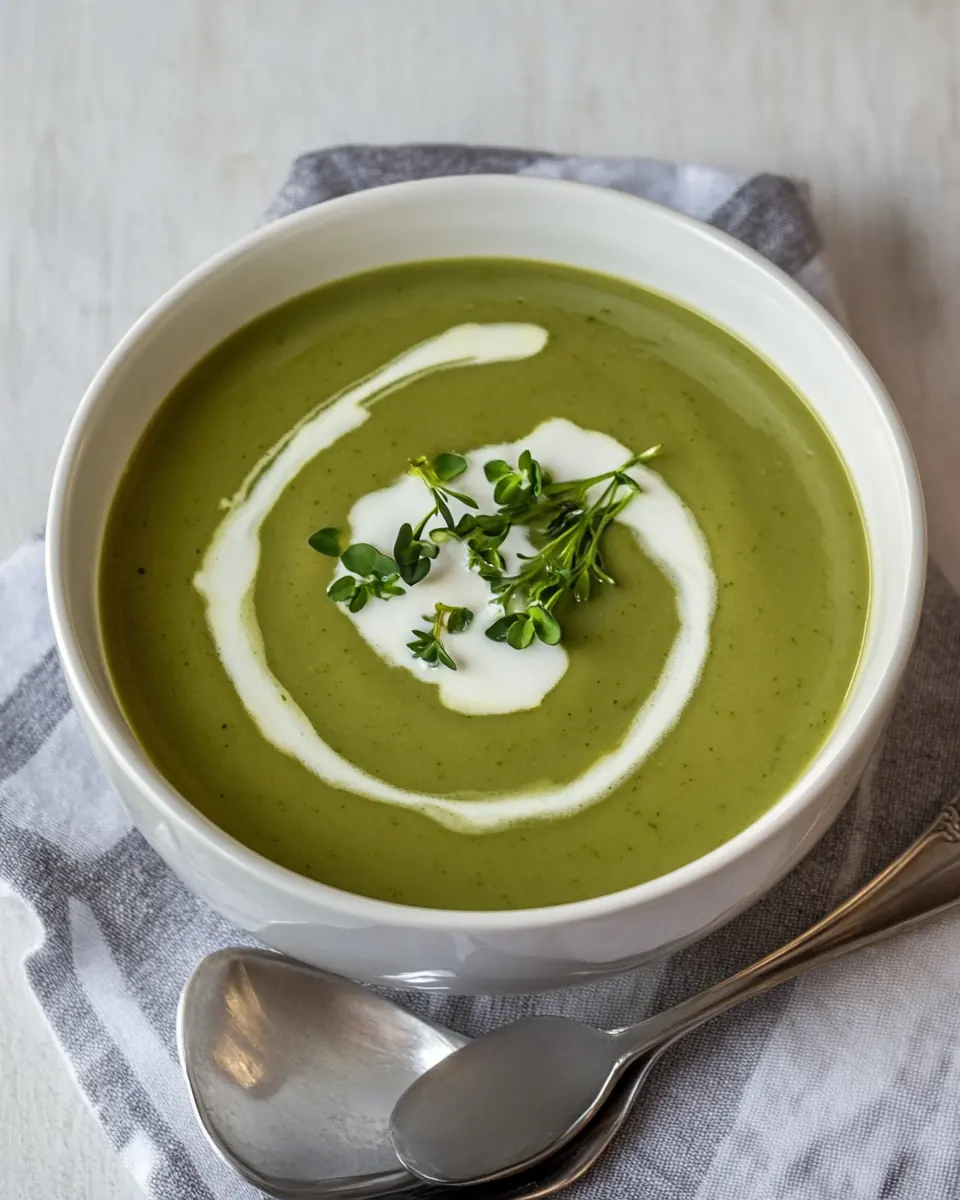
This lineup is built around freshness and texture. The leafy watercress provides the bright, peppery backbone, while the starchy potatoes give body so the soup purees into a silky finish. The vegetable broth carries the flavors, butter and heavy cream add richness, and the bay leaf and seasoning round everything out. Each player has a clear job, creating a harmonious soup that feels both light and indulgent.
- 2 bunches watercress: Provide vibrant, peppery leaves that form the soup’s herbal backbone; rinse thoroughly to remove grit and chop roughly before cooking. Add near the end of simmering to preserve bright color and fresh flavor while wilting into the broth.
- 3 medium potatoes, peeled and cut into small dice: Contribute body and creamy texture when cooked and pureed; dice uniformly so potatoes cook evenly and blend smoothly with the watercress. Simmer until very tender to help thicken the soup naturally without added starches.
- 1 tablespoon unsalted butter: Add a touch of richness and help sauté aromatics if used; melt gently to avoid browning and incorporate into the base of the soup. Use unsalted to better control the overall seasoning while providing a silky mouthfeel.
- 3 cups vegetable broth, or chicken broth: Supply the cooking liquid and savory depth that carries the flavors; choose vegetable or chicken broth depending on desired vegetarian status and salt level. Simmer potatoes and bay leaf in the broth to infuse an even, well-seasoned base for blending.
- 1 bay leaf: Impart a subtle aromatic note during simmering and help round the soup’s flavor; add whole and remove before pureeing to avoid gritty texture. Leave in while potatoes cook to gently infuse without overpowering the delicate watercress.
- 4 tablespoons heavy cream: Finish the soup with a silky, luxurious mouthfeel and slight sweetness; stir in after blending or temper by adding a small amount to avoid curdling. Use sparingly to maintain lightness while creating a creamy consistency.
- salt and pepper, to taste: Enhance and balance flavors by adjusting seasoning to taste; add incrementally and taste after each addition to achieve a well-rounded soup. Use freshly ground pepper for brightness and to complement the watercress’s peppery notes.
- creme fraiche, or sour cream: Garnish or swirl into individual bowls to add tangy creaminess and a pleasant contrast to the soup’s herbal flavor. Use a dollop of creme fraiche or sour cream to enrich texture and provide a silky, slightly acidic finish.
The Method for Creamy Watercress Soup

I like to approach the cooking as a few distinct acts: soften the greens, tenderize the potatoes, blend to silk, and finish gently with cream. Follow the steps in order for the best texture and flavor. Keep your heat moderate and taste as you go so the peppery quality of the watercress stays bright.
- Rinse the watercress well and roughly chop it.: The first sensory cue is the clean, green scent that rises when you rinse the watercress . As you chop, the leaves release a fresh peppery aroma. Ensure all grit is removed by swishing the bunches in cold water, and pat them dry to avoid diluting the soup. A common mistake is leaving sandy stems, which gives grit to the final puree, so rinse thoroughly and inspect for dirt lodged at the stem base.
- In a large pot, melt the butter over medium heat and add the chopped watercress. Cook for 3 minutes: add the potato cubes, bay leaf, salt, and pepper, and add chicken stock to cover the watercress and potatoes.: You should hear a soft sizzle as the butter melts and the watercress hits the pan, releasing a bright, vegetal fragrance. This brief wilt helps the greens relax into the broth, unlocking flavors. Keep the heat at medium to avoid browning the greens, which would darken the flavor profile. Avoid high heat here, which can make them bitter.
- Bring to a boil and lower to a simmer over medium-low heat for about 20 minutes. Partially cover the pan.: add the potato cubes, bay leaf, salt, and pepper, and add chicken stock to cover the watercress and potatoes : After the initial wilt, the aroma shifts as the diced potatoes begin to warm, giving a gentle starchy scent. Add the bay leaf and season modestly; the broth should just cover the ingredients so the potatoes cook through without becoming waterlogged. A common error is adding too much liquid, which dilutes taste and lengthens cooking time, so keep the level just above the solids.
- Remove the bay leaf, and with a handheld mixer or in a blender reduce to a smooth, creamy puree.: Watch for tiny bubbles rising steadily, a visual cue that the heat is right for a gentle simmer. You want the potatoes tender enough to mash with a fork but not falling apart into shreds. The simmer concentrates flavors; if it boils vigorously, you risk breaking the texture and losing bright notes. A frequent slip is cooking too fast, which can make the potatoes disintegrate and create a grainy finish.
- Put the watercress puree back into the cooking pan, if you were using the blender, and add the heavy cream and stir well to integrate it. Lower the heat and warm up the soup, do not boil it. Taste and season accordingly.: Leaving the pot partially covered captures some steam to help soften the vegetables while allowing excess moisture to escape so the soup remains flavorful. You should see occasional wisps of steam and a calm surface. If you cover fully, the soup may retain too much water and dilute the taste, so keep the lid askew as instructed.
- Serve with a dollop of heavy cream or sour cream.: The transformation here is dramatic: the kitchen fills with a warm, herbaceous aroma as the solids whisk into a uniform green silk. When blending, work in batches if needed and pulse to avoid splatters. One trap is overheating the soup in a blender, which can steam and expand, so hold the lid with a towel and vent slightly to prevent pressure build up.
- Put the watercress puree back into the cooking pan, if you were using the blender, and add the heavy cream and stir well to integrate it: As the heavy cream hits the warm puree, it softens the peppery edge and creates a glossy sheen. Stir gently until fully incorporated and watch the color deepen into a rich, pale green. Heat slowly; do not bring the mixture to a boil, because boiling can separate the cream and change the silky texture. A common oversight is adding cold cream and not warming it through, which cools the soup too much and hides flavors.
- Lower the heat and warm up the soup, do not boil it: The ideal sensation is a barely trembling surface with gentle steam. Warming slowly lets flavors marry and prevents the heavy cream from breaking. Taste and adjust seasoning now, since the final warmth brings out subtle nuances. Avoid rushing with high heat which ruins the texture and can make the dairy curdle.
- Taste and season accordingly: Use small pinches of salt and a crack of pepper , tasting between adjustments. Seasoning at this stage reaches its full potential because the cream has rounded the flavors. Over salting is easy if you season earlier, so build gradually and be patient. One mistake I see is oversalting expecting the bread or garnish to counterbalance it, but you want the soup itself to be balanced.
- Serve with a dollop of heavy cream or sour cream: The final touch is cool and creamy, a contrast both in temperature and texture that brightens the bowl. Swirl a spoonful of creme fraiche or sour cream and watch it ripple into the pale green surface, adding a hint of tang. If you serve piping hot, the garnish will gently melt into pretty ribbons. Avoid placing the garnish too early, as it will dissolve completely and you lose the visual appeal.
Substitutions and Tips

I like to keep substitutions simple and practical so the spirit of the recipe stays intact. Below are thoughtful tips and alternatives that respect the core flavors while offering flexibility for what you have on hand.
- Use spinach as a mild substitute: If you cannot find fresh watercress, young spinach provides green color and a softer taste, though the peppery edge will be reduced.
- Choose stock wisely: A good quality vegetable broth will keep the soup vegetarian while offering depth; use low sodium to control final seasoning.
- Butter or olive oil swap: If you prefer not to use butter, a neutral olive oil will sauté the greens gently and still release a pleasant aroma.
- Finish with acid if needed: A tiny squeeze of lemon can brighten the bowl at the end, but add sparingly to avoid overpowering the subtle herbal notes.
- Make ahead and reheat gently: The soup reheats well over low heat; add a splash of broth if it thickens too much and avoid boiling to preserve the creaminess.
- Storage guideline: Cool quickly and refrigerate in an airtight container for up to three days, and rewarm slowly while stirring to recombine any separated cream.
Perfect Pairings for Creamy Watercress Soup
This soup is versatile, pairing beautifully with simple sides and adapting to many occasions. Below are serving ideas, seasonal notes, and storage tips to help you present the dish with confidence.
- Serve with crusty bread: A warm loaf or a sliced baguette is perfect for dipping and adds a satisfying textural contrast to the silky soup.
- Light lunch pairing: For a casual midday meal, pair the soup with a crisp green salad and a light vinaigrette to echo fresh flavors.
- Elegant starter: For dinner, spoon the soup into small bowls and garnish with a delicate herb sprig, making it an elegant first course for guests.
- Seasonal occasion: This is ideal for spring gatherings, brunches, or any time you want a bowl that showcases seasonal greens and feels celebratory.
- Storage tips: Refrigerate leftovers in an airtight container for up to three days, and reheat gently over low heat, adding a splash of broth if needed.
- Make ahead plan: You can prepare the base a day ahead, refrigerate, and finish with cream and final seasoning just before serving to keep flavors bright.
FAQ
Conclusion
Creamy Watercress Soup stands out because it balances vibrant, peppery greens with a silky, comforting texture. I love how a handful of simple ingredients can produce a bowl that feels both light and indulgent. Try this recipe when watercress is at its peak, and you will get a fresh, seasonal experience that is quick enough for a weeknight but pretty enough for guests. Make it your own with a garnish of creme fraiche or a swirl of cream, and savor the bright green flavor that announces spring.
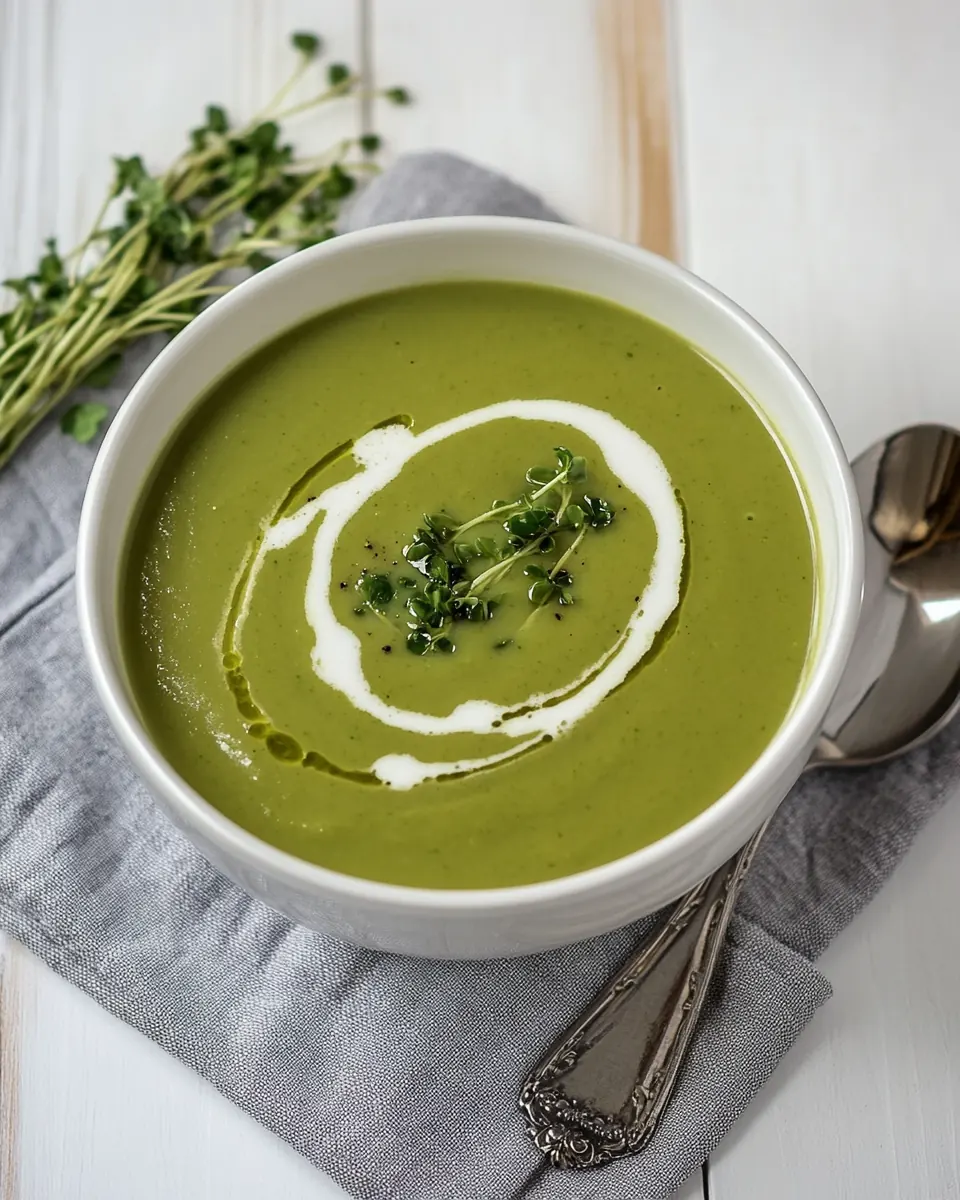
Creamy Watercress Soup
Ingredients
Equipment
Method
- Rinse the watercress well and roughly chop it.: The first sensory cue is the clean, green scent that rises when you rinse the watercress . As you chop, the leaves release a fresh peppery aroma. Ensure all grit is removed by swishing the bunches in cold water, and pat them dry to avoid diluting the soup. A common mistake is leaving sandy stems, which gives grit to the final puree, so rinse thoroughly and inspect for dirt lodged at the stem base.
- In a large pot, melt the butter over medium heat and add the chopped watercress. Cook for 3 minutes: add the potato cubes, bay leaf, salt, and pepper, and add chicken stock to cover the watercress and potatoes.: You should hear a soft sizzle as the butter melts and the watercress hits the pan, releasing a bright, vegetal fragrance. This brief wilt helps the greens relax into the broth, unlocking flavors. Keep the heat at medium to avoid browning the greens, which would darken the flavor profile. Avoid high heat here, which can make them bitter.
- Bring to a boil and lower to a simmer over medium-low heat for about 20 minutes. Partially cover the pan.: add the potato cubes, bay leaf, salt, and pepper, and add chicken stock to cover the watercress and potatoes : After the initial wilt, the aroma shifts as the diced potatoes begin to warm, giving a gentle starchy scent. Add the bay leaf and season modestly; the broth should just cover the ingredients so the potatoes cook through without becoming waterlogged. A common error is adding too much liquid, which dilutes taste and lengthens cooking time, so keep the level just above the solids.
- Remove the bay leaf, and with a handheld mixer or in a blender reduce to a smooth, creamy puree.: Watch for tiny bubbles rising steadily, a visual cue that the heat is right for a gentle simmer. You want the potatoes tender enough to mash with a fork but not falling apart into shreds. The simmer concentrates flavors; if it boils vigorously, you risk breaking the texture and losing bright notes. A frequent slip is cooking too fast, which can make the potatoes disintegrate and create a grainy finish.
- Put the watercress puree back into the cooking pan, if you were using the blender, and add the heavy cream and stir well to integrate it. Lower the heat and warm up the soup, do not boil it. Taste and season accordingly.: Leaving the pot partially covered captures some steam to help soften the vegetables while allowing excess moisture to escape so the soup remains flavorful. You should see occasional wisps of steam and a calm surface. If you cover fully, the soup may retain too much water and dilute the taste, so keep the lid askew as instructed.
- Serve with a dollop of heavy cream or sour cream.: The transformation here is dramatic: the kitchen fills with a warm, herbaceous aroma as the solids whisk into a uniform green silk. When blending, work in batches if needed and pulse to avoid splatters. One trap is overheating the soup in a blender, which can steam and expand, so hold the lid with a towel and vent slightly to prevent pressure build up.
- Put the watercress puree back into the cooking pan, if you were using the blender, and add the heavy cream and stir well to integrate it: As the heavy cream hits the warm puree, it softens the peppery edge and creates a glossy sheen. Stir gently until fully incorporated and watch the color deepen into a rich, pale green. Heat slowly; do not bring the mixture to a boil, because boiling can separate the cream and change the silky texture. A common oversight is adding cold cream and not warming it through, which cools the soup too much and hides flavors.
- Lower the heat and warm up the soup, do not boil it: The ideal sensation is a barely trembling surface with gentle steam. Warming slowly lets flavors marry and prevents the heavy cream from breaking. Taste and adjust seasoning now, since the final warmth brings out subtle nuances. Avoid rushing with high heat which ruins the texture and can make the dairy curdle.
- Taste and season accordingly: Use small pinches of salt and a crack of pepper , tasting between adjustments. Seasoning at this stage reaches its full potential because the cream has rounded the flavors. Over salting is easy if you season earlier, so build gradually and be patient. One mistake I see is oversalting expecting the bread or garnish to counterbalance it, but you want the soup itself to be balanced.
- Serve with a dollop of heavy cream or sour cream: The final touch is cool and creamy, a contrast both in temperature and texture that brightens the bowl. Swirl a spoonful of creme fraiche or sour cream and watch it ripple into the pale green surface, adding a hint of tang. If you serve piping hot, the garnish will gently melt into pretty ribbons. Avoid placing the garnish too early, as it will dissolve completely and you lose the visual appeal.
Notes
- Use spinach as a mild substitute: If you cannot find fresh watercress, young spinach provides green color and a softer taste, though the peppery edge will be reduced.
- Choose stock wisely: A good quality vegetable broth will keep the soup vegetarian while offering depth; use low sodium to control final seasoning.
- Butter or olive oil swap: If you prefer not to use butter, a neutral olive oil will sauté the greens gently and still release a pleasant aroma.
- Finish with acid if needed: A tiny squeeze of lemon can brighten the bowl at the end, but add sparingly to avoid overpowering the subtle herbal notes.
- Make ahead and reheat gently: The soup reheats well over low heat; add a splash of broth if it thickens too much and avoid boiling to preserve the creaminess.
- Storage guideline: Cool quickly and refrigerate in an airtight container for up to three days, and rewarm slowly while stirring to recombine any separated cream.