Add the dark chocolate chips to a medium-sized mixing bowl.: As you place the dark chocolate into the bowl, notice the cool, slightly glossy texture under your fingers; this initial setup ensures the chocolate has a warm resting place to melt into. The bowl should be roomy enough to accommodate the hot custard you will pour in later, which allows for easy stirring without splashing. If you use a shallow or cold bowl the chocolate may not melt evenly when the hot mixture is added, leaving small unmelted pieces. A common mistake is overheating the chocolate directly, which can burn and develop a bitter taste, so reserve direct heat handling, and let the warm custard do the melting for you.
In a small bowl, stir together 1/4 cup of the coconut milk and the tapioca starch until smooth and all the lumps are out.: When you whisk the tapioca starch into the 1/4 cup of coconut milk , look for a silky, lump free slurry with a faint sheen; that indicates the starch is well hydrated. This step prevents gritty pockets when the mixture hits heat. I always start slowly, breaking up pockets with the back of the spoon, because once you add heat it is hard to rescue lumps. If you skip this step or mix too hurriedly, lumps can form and the custard will have an uneven texture, so patience here pays off.
Place the remaining coconut milk in a blender with the beets and cinnamon and blend until completely smooth.: As you blend the beets with the remaining coconut milk and cinnamon , you should see a uniformly colored, velvety liquid, free of beet fibers. The aroma will shift, with earthy beet notes brightened by the warm spice of cinnamon . A high speed blender gives the smoothest result, which helps the finished custard be luxuriously consistent. If the mixture looks streaky or chunky, blend a bit longer, but avoid overheating the blender by pulsing, because warm beets can steam and change the final texture.
Transfer the coconut milk/beet mixture to a saucepan and heat over medium, just until the mixture begins to steam and become slightly frothy (don’t let it come to a boil). Add in the tapioca starch mixture and salt and whisk constantly until mixture is thick, about 5 minutes. Remove from heat and pour into the bowl with the chocolate chips. Stir until well combined and all of the chocolate chips have melted.: As the pan warms, watch for tiny steam wisps and small bubbles at the edges, and gentle froth rising, which tell you the mix is ready. Heating this blend slowly brings out the beet sweetness and activates the starch when you add it. It is important not to let it boil, as boiling can make the custard grainy and may alter the flavor of the coconut milk . One mistake is leaving it unattended, which can lead to boiling and separation; stay present and adjust heat to maintain a gentle steam.
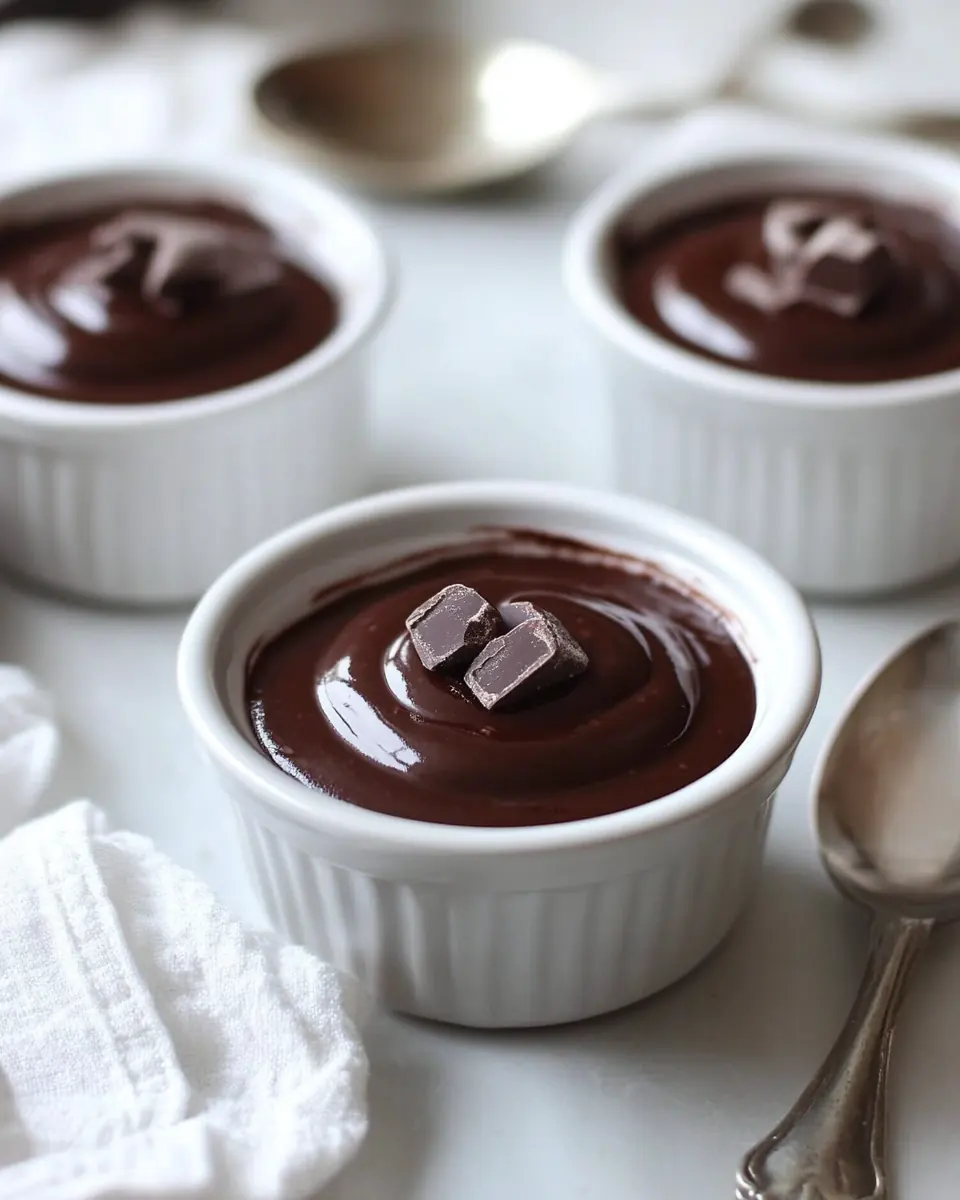
Divide chocolate beet mixture among four or five 5-ounce ramekins, and allow them to cool slightly before placing them in the refrigerator. Chill for at least 2 hours before serving.: Once you incorporate the slurry, keep the whisk moving in a steady, circular motion, and you will notice the liquid gradually changing from runny to glossy and coating the whisk. That transformation signals starch gelatinization, and it is the moment the custard starts to form body. The aroma will become richer and slightly sweet as the starch cooks. If you stop whisking, the starch can clump or settle, creating an uneven texture, so continuous motion is key. Overcooking here can make the texture gluey, so aim for that thick, ribbon like coat on the whisk and then remove from heat.
Remove from heat and pour into the bowl with the chocolate chips. Stir until well combined and all of the chocolate chips have melted: When you pour the hot mixture onto the dark chocolate , you will hear a faint hiss and see the chocolate begin to soften and gloss over. Start stirring from the center outward, creating a smooth emulsion; as the chocolate melts the mixture will turn uniformly dark and shiny. The temperature drop from the hot custard to the chocolate is what creates the silky finish, so mix patiently until no streaks remain. If you fail to stir thoroughly, you may end up with little flecks of unmelted chocolate or an inconsistent texture, so keep stirring until glossy and cohesive.
Divide chocolate beet mixture among four or five 5-ounce ramekins, and allow them to cool slightly before placing them in the refrigerator: Spoon the warm custard into your ramekins and notice the glossy surface settling as it cools; the aroma of chocolate will be prominent, with a subtle earthiness beneath. Let them rest at room temperature for a short while so condensation does not form under a lid, then transfer to the fridge to chill. Chilling allows the custard to set fully and the flavors to meld. A typical error is refrigerating while still very hot, which can create excess condensation and water pooling on the surface, diluting the finish. Allow modest cooling first, then cold to set properly.
Chill for at least 2 hours before serving: During the chilling period the custard firms and the beet and dark chocolate flavors knit together, producing that signature balance. After two hours you should be able to run a knife around the edge and have a clean scoop when serving. The mouthfeel will change from warm and fluid to silky and spoonable, and the surface will take on a satiny sheen. If you try to serve too soon, the texture will be loose and may not hold its shape, so be patient. For best results, chill longer if you have the time; it intensifies flavor and improves texture.