Dark Chocolate Beet Pots de Creme
Dark Chocolate Beet Pots de Creme is one of those unexpected desserts that I fell for the first time during a crisp fall afternoon when beets were overflowing at the farmers market. I remember carrying a bag of ruby beets home, curious about how their earthy sweetness would behave with deep, dark chocolate. That first batch surprised me, the texture so luxuriously creamy I kept telling myself this could be a new holiday staple.
As I experimented, I learned to trust simple combinations: a full can of rich coconut milk, a handful of dark chocolate, and just enough tapioca to give the custard a silky finish. I like that this dessert feels indulgent yet oddly wholesome, because the beet brings color and a gentle vegetal note that makes each spoonful interesting. When friends came over, they guessed beets only after the second bite, which delighted me.
Recipe Snapshot
20 mins
10 mins
10 mins
Easy
250 kcal
American
Gluten-Free, Low FODMAP
Desserts
Medium mixing bowl, Small bowl, Blender, Saucepan, Whisk, Ramekins
What Sets This Dark Chocolate Beet Pots de Creme Apart
Unexpected depth of flavor
I adore how Dark Chocolate Beet Pots de Creme balances earthy beets with deeply flavored dark chocolate. I often shy away from gimmicky mash ups, but this one works because the beet amplifies the chocolate rather than competing with it. When I taste the finished custard, the first note is chocolate, then a subtle, rounded beet sweetness that lingers. That layered flavor keeps people asking what you did differently.
Silky, comforting texture
The combination of full fat coconut milk and a touch of tapioca starch creates a custard that is both plush and stable. I love how it holds its shape when spooned from a ramekin, yet melts on the tongue. I usually test one pot while the rest chill, to make sure the mouthfeel is just right. It feels like a grown up pudding, and that contrast makes it memorable.
Accessible technique
What drew me in was how approachable the method is. You do not need tempering or a water bath, and the steps are forgiving. If you can blend, whisk, and keep an eye on a saucepan, you can pull this off. I appreciate recipes that let me chat with guests while they set in the fridge, because the active time is pleasantly short.
Beautiful presentation
Serving Dark Chocolate Beet Pots de Creme in little ramekins makes it feel special without fuss. I love the jewel tone the beets impart, it photographs beautifully, and it works for intimate dinners or festive gatherings. Garnishing is optional, but even plain, the contrast of glossy chocolate and vivid hue is striking.
Healthier indulgence
Because the custard uses coconut milk instead of heavy cream, and beets add natural sweetness and color, it reads lighter on the menu while still satisfying a chocolate craving. I often recommend this when people ask for something decadent but not overly rich. It feels like a treat that you can justify making for friends or family.
Main Ingredients for Dark Chocolate Beet Pots de Creme
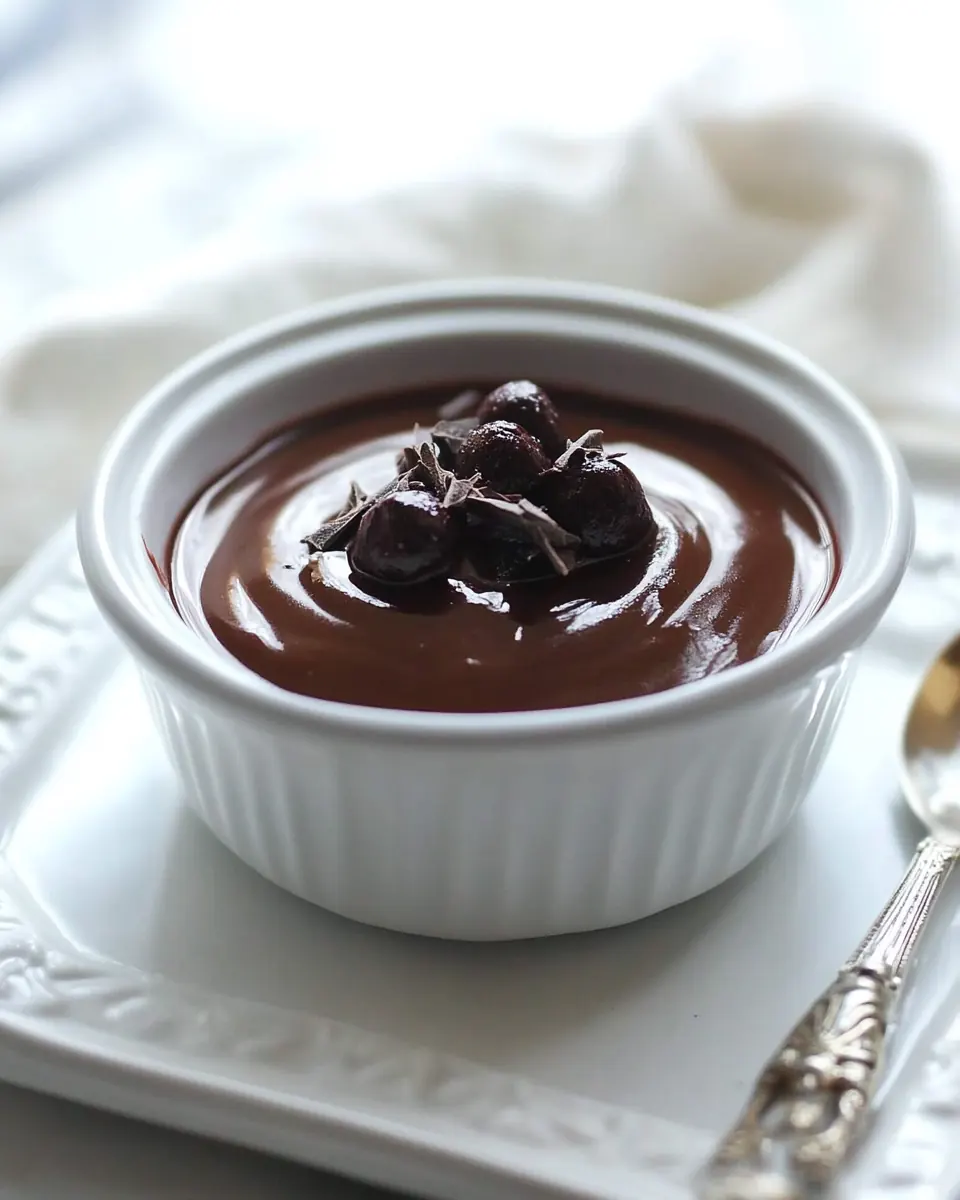
These ingredients are chosen to create a creamy, stable custard with a surprising vegetal note. The full fat coconut milk provides richness and body, while the dark chocolate gives deep cocoa flavor and glossy finish. Beets bring natural sweetness and vibrant color, and tapioca starch gently thickens the mixture without making it gummy. A pinch of salt and a touch of cinnamon round out the flavor profile.
- 1 14-ounce full-fat canned coconut milk: Provide rich, creamy body and a silky mouthfeel to the custard; full-fat canned coconut milk supplies fat that helps set the pots de crème and lends a subtle coconut aroma that complements chocolate and beet flavors.
- 2 tablespoons tapioca starch: Thicken and stabilize the custard by creating a glossy, smooth texture; tapioca starch prevents separation during cooking and helps the mixture firm up as it cools for spoonable pots de crème.
- 1 cup cooked beets chopped: Add natural sweetness, moisture, and earthy color while contributing to the custard's structure; cooked chopped beets blend into the base to provide body, nutrients, and a hint of vegetal flavor that balances dark chocolate.
- 1/4 teaspoon ground cinnamon: Warm and brighten the flavor profile with a touch of spice; ground cinnamon enhances the chocolate and beet pairing by adding aromatic complexity and a faint, cozy note to each spoonful.
- 1 10-ounce bag of dark chocolate chips about 2 cups worth: Melt into the custard to deliver deep chocolate flavor and creamy richness; dark chocolate chips form the primary chocolate component, providing intensity, texture when melted, and sweetness contrast to the beets.
- Pinch of salt: Enhance and balance overall flavors by tightening sweetness and cutting through richness; a pinch of salt amplifies chocolate depth, tames any bitterness, and rounds the dessert's taste.
Preparation Steps for Dark Chocolate Beet Pots de Creme
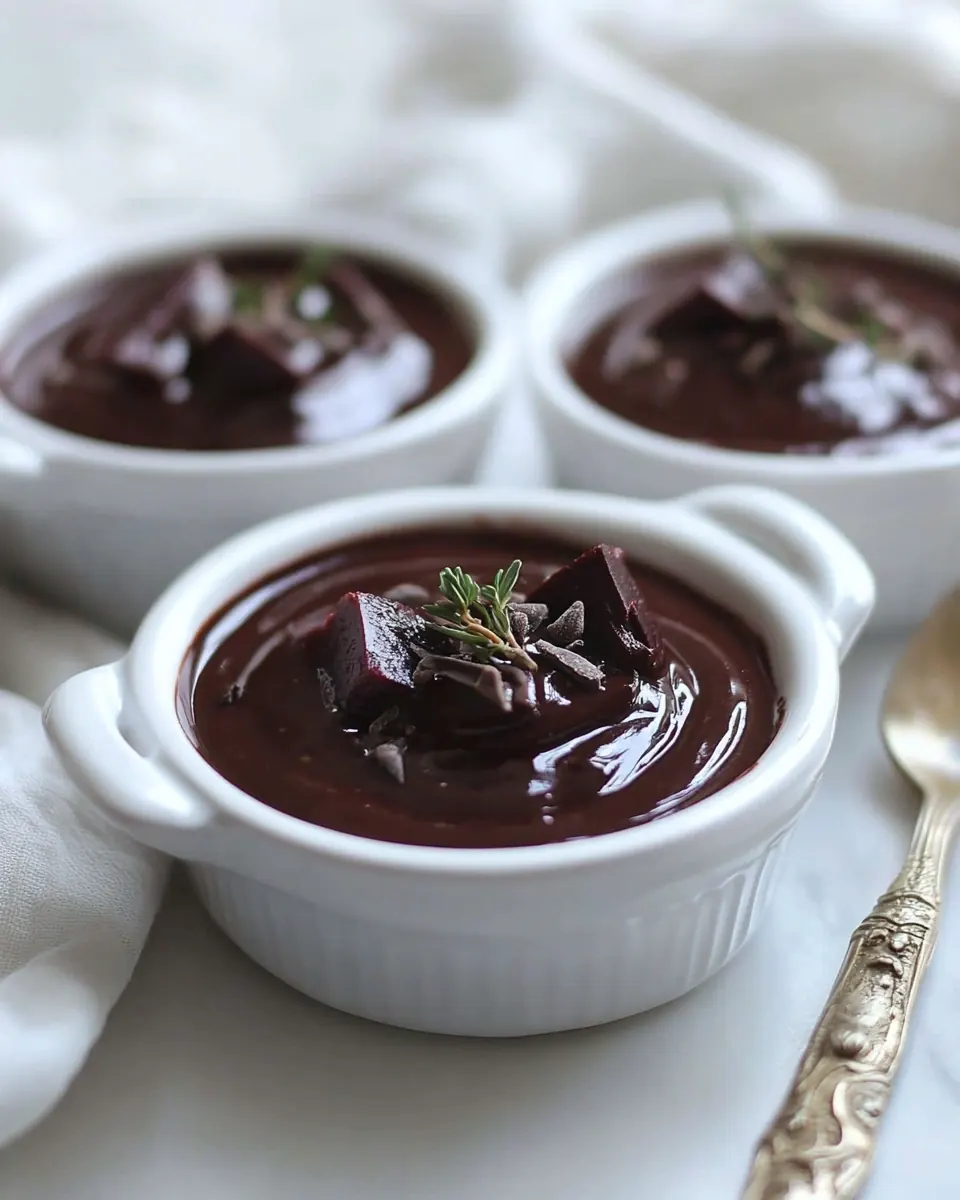
I like to think of these steps as a rhythm, where blending, heating, and whisking come together to build texture and flavor. Take your time at the saucepan, and keep a whisk handy. Below, each step explains sensory cues and troubleshooting so you can be confident at every turn.
- Add the dark chocolate chips to a medium-sized mixing bowl.: As you place the dark chocolate into the bowl, notice the cool, slightly glossy texture under your fingers; this initial setup ensures the chocolate has a warm resting place to melt into. The bowl should be roomy enough to accommodate the hot custard you will pour in later, which allows for easy stirring without splashing. If you use a shallow or cold bowl the chocolate may not melt evenly when the hot mixture is added, leaving small unmelted pieces. A common mistake is overheating the chocolate directly, which can burn and develop a bitter taste, so reserve direct heat handling, and let the warm custard do the melting for you.
- In a small bowl, stir together 1/4 cup of the coconut milk and the tapioca starch until smooth and all the lumps are out.: When you whisk the tapioca starch into the 1/4 cup of coconut milk , look for a silky, lump free slurry with a faint sheen; that indicates the starch is well hydrated. This step prevents gritty pockets when the mixture hits heat. I always start slowly, breaking up pockets with the back of the spoon, because once you add heat it is hard to rescue lumps. If you skip this step or mix too hurriedly, lumps can form and the custard will have an uneven texture, so patience here pays off.
- Place the remaining coconut milk in a blender with the beets and cinnamon and blend until completely smooth.: As you blend the beets with the remaining coconut milk and cinnamon , you should see a uniformly colored, velvety liquid, free of beet fibers. The aroma will shift, with earthy beet notes brightened by the warm spice of cinnamon . A high speed blender gives the smoothest result, which helps the finished custard be luxuriously consistent. If the mixture looks streaky or chunky, blend a bit longer, but avoid overheating the blender by pulsing, because warm beets can steam and change the final texture.
- Transfer the coconut milk/beet mixture to a saucepan and heat over medium, just until the mixture begins to steam and become slightly frothy (don’t let it come to a boil). Add in the tapioca starch mixture and salt and whisk constantly until mixture is thick, about 5 minutes. Remove from heat and pour into the bowl with the chocolate chips. Stir until well combined and all of the chocolate chips have melted.: As the pan warms, watch for tiny steam wisps and small bubbles at the edges, and gentle froth rising, which tell you the mix is ready. Heating this blend slowly brings out the beet sweetness and activates the starch when you add it. It is important not to let it boil, as boiling can make the custard grainy and may alter the flavor of the coconut milk . One mistake is leaving it unattended, which can lead to boiling and separation; stay present and adjust heat to maintain a gentle steam.
- Divide chocolate beet mixture among four or five 5-ounce ramekins, and allow them to cool slightly before placing them in the refrigerator. Chill for at least 2 hours before serving.: Once you incorporate the slurry, keep the whisk moving in a steady, circular motion, and you will notice the liquid gradually changing from runny to glossy and coating the whisk. That transformation signals starch gelatinization, and it is the moment the custard starts to form body. The aroma will become richer and slightly sweet as the starch cooks. If you stop whisking, the starch can clump or settle, creating an uneven texture, so continuous motion is key. Overcooking here can make the texture gluey, so aim for that thick, ribbon like coat on the whisk and then remove from heat.
- Remove from heat and pour into the bowl with the chocolate chips. Stir until well combined and all of the chocolate chips have melted: When you pour the hot mixture onto the dark chocolate , you will hear a faint hiss and see the chocolate begin to soften and gloss over. Start stirring from the center outward, creating a smooth emulsion; as the chocolate melts the mixture will turn uniformly dark and shiny. The temperature drop from the hot custard to the chocolate is what creates the silky finish, so mix patiently until no streaks remain. If you fail to stir thoroughly, you may end up with little flecks of unmelted chocolate or an inconsistent texture, so keep stirring until glossy and cohesive.
- Divide chocolate beet mixture among four or five 5-ounce ramekins, and allow them to cool slightly before placing them in the refrigerator: Spoon the warm custard into your ramekins and notice the glossy surface settling as it cools; the aroma of chocolate will be prominent, with a subtle earthiness beneath. Let them rest at room temperature for a short while so condensation does not form under a lid, then transfer to the fridge to chill. Chilling allows the custard to set fully and the flavors to meld. A typical error is refrigerating while still very hot, which can create excess condensation and water pooling on the surface, diluting the finish. Allow modest cooling first, then cold to set properly.
- Chill for at least 2 hours before serving: During the chilling period the custard firms and the beet and dark chocolate flavors knit together, producing that signature balance. After two hours you should be able to run a knife around the edge and have a clean scoop when serving. The mouthfeel will change from warm and fluid to silky and spoonable, and the surface will take on a satiny sheen. If you try to serve too soon, the texture will be loose and may not hold its shape, so be patient. For best results, chill longer if you have the time; it intensifies flavor and improves texture.
Tips for Success
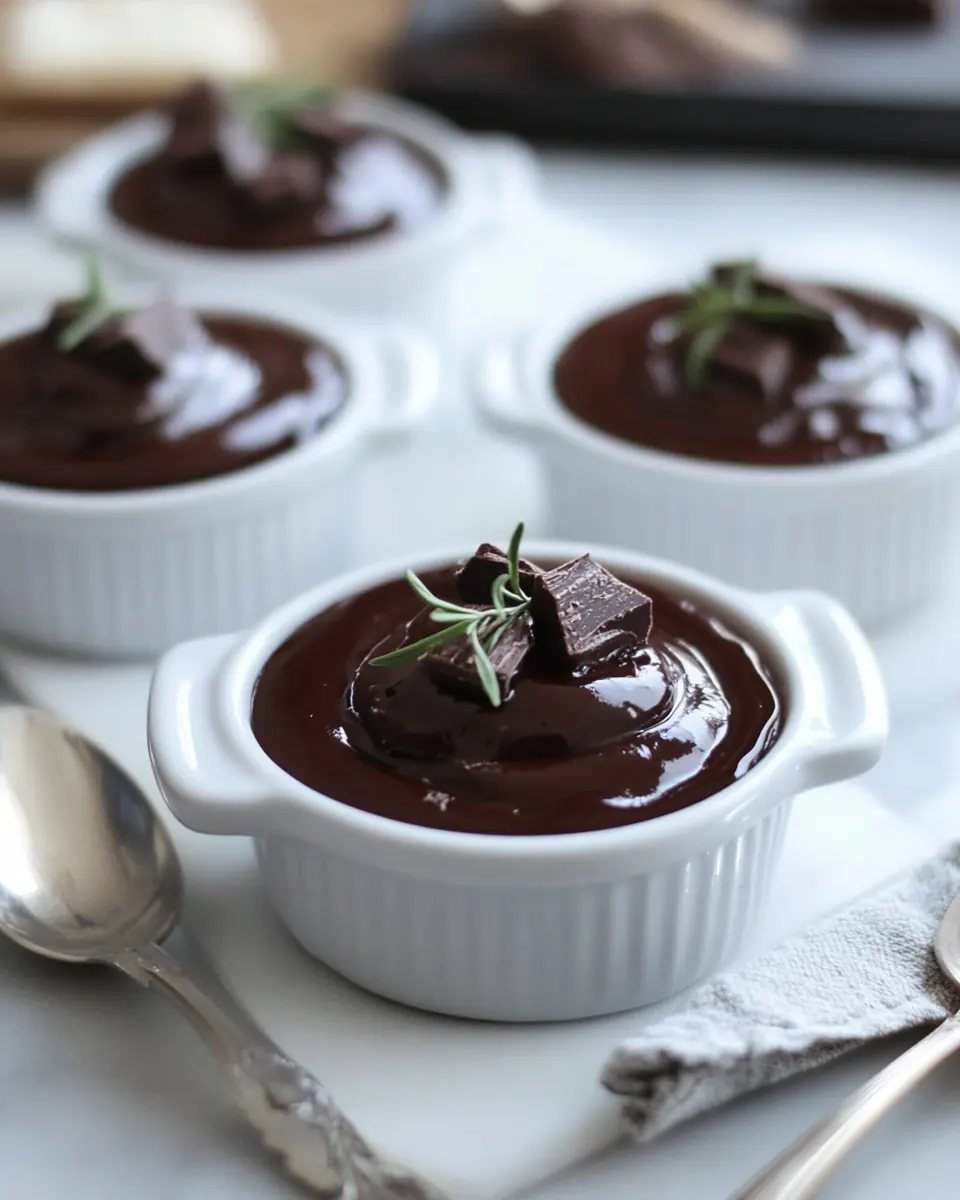
I like to think of these tips as small course corrections that make the difference between good and spectacular. Follow them and you will have consistent results every time.
- Choose the right coconut milk, use full fat canned coconut milk for richness and proper setting.
- Hydrate tapioca first, mix the tapioca starch into the reserved coconut milk to avoid lumps when heated.
- Blend beets until silky, a high speed blender helps eliminate fibers and gives a smooth custard.
- Keep an eye on heat, heat the mixture to steaming but not boiling to prevent grainy texture.
- Use a roomy bowl for the dark chocolate so the hot custard can be combined easily and stirred into a glossy emulsion.
- Chill thoroughly, allow at least two hours for the custard to fully set and the flavors to meld.
Serving Options for Dark Chocolate Beet Pots de Creme
This dessert is versatile in presentation and appropriate for many occasions, from casual dinners to seasonal gatherings. I prefer serving it chilled in small ramekins, and the deep color makes it suitable for fall and winter menus. Below are ideas to present and pair the custard, plus storage suggestions.
- Serve in individual ramekins for an elegant look that is ideal for dinner parties or intimate meals.
- Garnish simply with a light dusting of cocoa or a tiny pinch of cinnamon for contrast without overpowering the flavor.
- Occasion friendly, this dessert works well for fall dinners, holiday spreads, or a refined finish to a weeknight meal.
- Storage tips, store covered in the refrigerator for up to three days to maintain texture and flavor integrity.
- Make ahead by preparing the pots a day ahead so flavors have time to settle and the texture reaches peak creaminess.
- Small batch friendly, the recipe scales well if you want to double it for a larger gathering, just use appropriately sized cookware and mixing bowls.
FAQ
Conclusion
What makes this recipe special is the way earthy beets and deep dark chocolate come together in a silky, spoonable custard that feels both indulgent and refined. I hope you give Dark Chocolate Beet Pots de Creme a try, because it is one of those dishes that surprises guests and becomes a quiet favorite. Enjoy the process of blending and whisking, and relishing the reward when you serve chilled, glossy pots of custard to friends or family. It is a simple technique that yields a memorable dessert with personality.
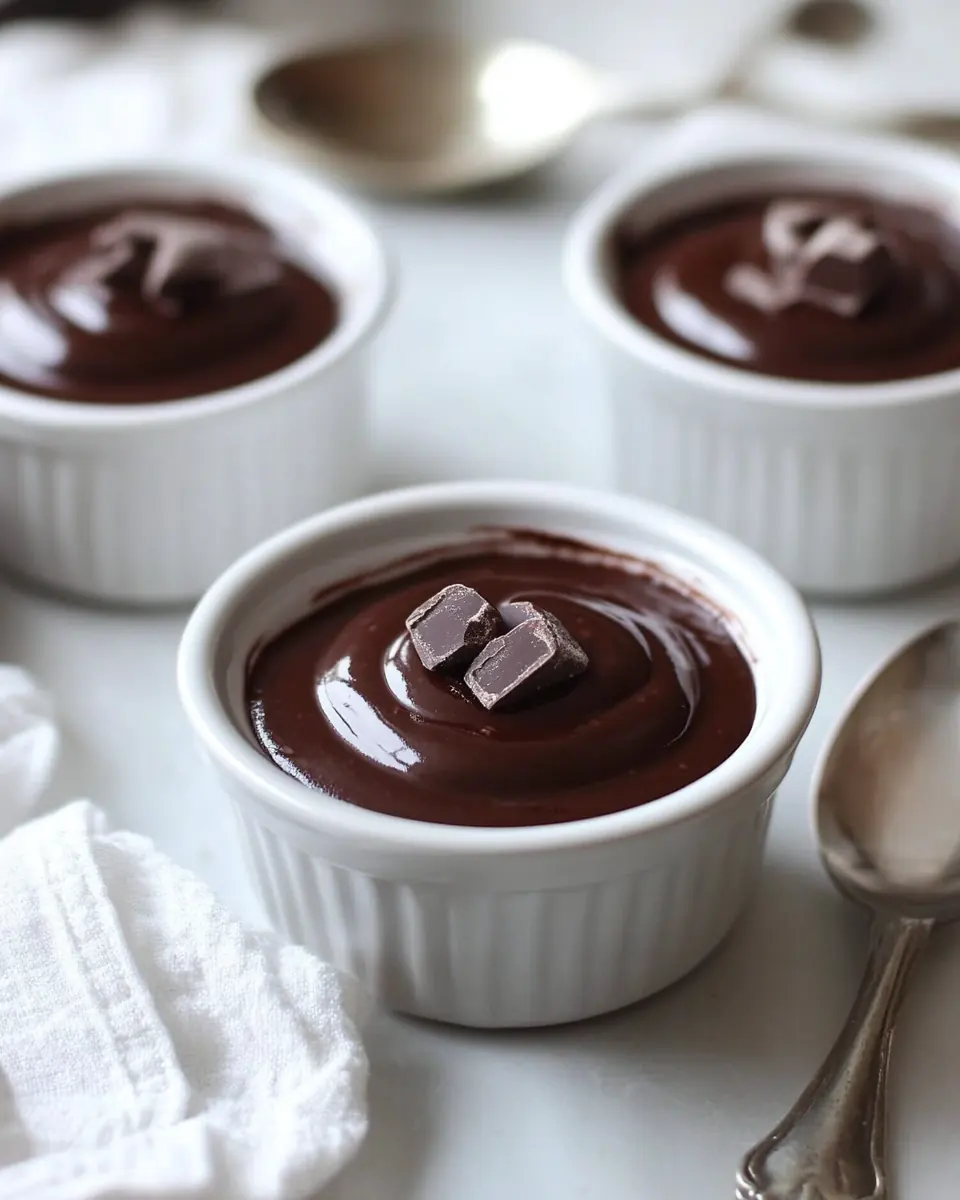
Dark Chocolate Beet Pots de Creme
Ingredients
Equipment
Method
- Add the dark chocolate chips to a medium-sized mixing bowl.: As you place the dark chocolate into the bowl, notice the cool, slightly glossy texture under your fingers; this initial setup ensures the chocolate has a warm resting place to melt into. The bowl should be roomy enough to accommodate the hot custard you will pour in later, which allows for easy stirring without splashing. If you use a shallow or cold bowl the chocolate may not melt evenly when the hot mixture is added, leaving small unmelted pieces. A common mistake is overheating the chocolate directly, which can burn and develop a bitter taste, so reserve direct heat handling, and let the warm custard do the melting for you.
- In a small bowl, stir together 1/4 cup of the coconut milk and the tapioca starch until smooth and all the lumps are out.: When you whisk the tapioca starch into the 1/4 cup of coconut milk , look for a silky, lump free slurry with a faint sheen; that indicates the starch is well hydrated. This step prevents gritty pockets when the mixture hits heat. I always start slowly, breaking up pockets with the back of the spoon, because once you add heat it is hard to rescue lumps. If you skip this step or mix too hurriedly, lumps can form and the custard will have an uneven texture, so patience here pays off.
- Place the remaining coconut milk in a blender with the beets and cinnamon and blend until completely smooth.: As you blend the beets with the remaining coconut milk and cinnamon , you should see a uniformly colored, velvety liquid, free of beet fibers. The aroma will shift, with earthy beet notes brightened by the warm spice of cinnamon . A high speed blender gives the smoothest result, which helps the finished custard be luxuriously consistent. If the mixture looks streaky or chunky, blend a bit longer, but avoid overheating the blender by pulsing, because warm beets can steam and change the final texture.
- Transfer the coconut milk/beet mixture to a saucepan and heat over medium, just until the mixture begins to steam and become slightly frothy (don’t let it come to a boil). Add in the tapioca starch mixture and salt and whisk constantly until mixture is thick, about 5 minutes. Remove from heat and pour into the bowl with the chocolate chips. Stir until well combined and all of the chocolate chips have melted.: As the pan warms, watch for tiny steam wisps and small bubbles at the edges, and gentle froth rising, which tell you the mix is ready. Heating this blend slowly brings out the beet sweetness and activates the starch when you add it. It is important not to let it boil, as boiling can make the custard grainy and may alter the flavor of the coconut milk . One mistake is leaving it unattended, which can lead to boiling and separation; stay present and adjust heat to maintain a gentle steam.
- Divide chocolate beet mixture among four or five 5-ounce ramekins, and allow them to cool slightly before placing them in the refrigerator. Chill for at least 2 hours before serving.: Once you incorporate the slurry, keep the whisk moving in a steady, circular motion, and you will notice the liquid gradually changing from runny to glossy and coating the whisk. That transformation signals starch gelatinization, and it is the moment the custard starts to form body. The aroma will become richer and slightly sweet as the starch cooks. If you stop whisking, the starch can clump or settle, creating an uneven texture, so continuous motion is key. Overcooking here can make the texture gluey, so aim for that thick, ribbon like coat on the whisk and then remove from heat.
- Remove from heat and pour into the bowl with the chocolate chips. Stir until well combined and all of the chocolate chips have melted: When you pour the hot mixture onto the dark chocolate , you will hear a faint hiss and see the chocolate begin to soften and gloss over. Start stirring from the center outward, creating a smooth emulsion; as the chocolate melts the mixture will turn uniformly dark and shiny. The temperature drop from the hot custard to the chocolate is what creates the silky finish, so mix patiently until no streaks remain. If you fail to stir thoroughly, you may end up with little flecks of unmelted chocolate or an inconsistent texture, so keep stirring until glossy and cohesive.
- Divide chocolate beet mixture among four or five 5-ounce ramekins, and allow them to cool slightly before placing them in the refrigerator: Spoon the warm custard into your ramekins and notice the glossy surface settling as it cools; the aroma of chocolate will be prominent, with a subtle earthiness beneath. Let them rest at room temperature for a short while so condensation does not form under a lid, then transfer to the fridge to chill. Chilling allows the custard to set fully and the flavors to meld. A typical error is refrigerating while still very hot, which can create excess condensation and water pooling on the surface, diluting the finish. Allow modest cooling first, then cold to set properly.
- Chill for at least 2 hours before serving: During the chilling period the custard firms and the beet and dark chocolate flavors knit together, producing that signature balance. After two hours you should be able to run a knife around the edge and have a clean scoop when serving. The mouthfeel will change from warm and fluid to silky and spoonable, and the surface will take on a satiny sheen. If you try to serve too soon, the texture will be loose and may not hold its shape, so be patient. For best results, chill longer if you have the time; it intensifies flavor and improves texture.
Notes
- Choose the right coconut milk, use full fat canned coconut milk for richness and proper setting.
- Hydrate tapioca first, mix the tapioca starch into the reserved coconut milk to avoid lumps when heated.
- Blend beets until silky, a high speed blender helps eliminate fibers and gives a smooth custard.
- Keep an eye on heat, heat the mixture to steaming but not boiling to prevent grainy texture.
- Use a roomy bowl for the dark chocolate so the hot custard can be combined easily and stirred into a glossy emulsion.
- Chill thoroughly, allow at least two hours for the custard to fully set and the flavors to meld.