Line an 8 x 8 inch pan with aluminum foil. Spray with cooking oil. See notes.: As the foil crinkles under your fingers you should notice a cool, metallic scent and the pan becomes easy to lift the finished fudge out of, which prevents sticking. Press the foil firmly into corners so the film lies smooth, this provides clean edges when removing the set fudge. If you skip lining the pan you risk sticking, which makes removing intact squares difficult. A common oversight is not spraying the foil lightly with oil, which makes release harder later.
Scoop frosting into a medium sized microwave safe bowl. Microwave for 30 seconds.: The light mist of spray reduces adhesion and gives the fudge a silky underside. You should see beads of oil on the surface briefly, then they meld into a faint sheen. This tiny step matters because even jarred frosting can cling to foil, and the spray prevents tearing when you lift the fudge out. Avoid using too much spray, excess oil will pool and create uneven texture.
Add peanut butter to the frosting and stir until mixed. Microwave the mixture at 15 second intervals, stirring between until smooth.: When the frosting lands in the bowl it sits dense and glossy, ready to warm. Using a microwave safe bowl ensures even heating and makes stirring easy, while a bowl that is too small could overflow during heating. If the bowl is shallow the frosting can heat unevenly; choose something roomy so you can stir without spilling. Be cautious of hot spots with microwaves, which is why stirring is essential.
Pour the smooth fudge mixture into the lined pan and spread evenly. Refrigerate 1-2 hours or until set. You can also leave it in the fridge overnight.: The first warming loosens the frosting and releases a sweet, slightly baked aroma. You should see the surface become shinier and more fluid, but not completely runny. This preheat is crucial because it reduces the time you will need to microwave later, preserving a creamy texture. A common mistake is microwaving too long at once, which can cause the frosting to scorch or separate.
Remove the fudge from the pan by lifting it up by the foil. Cut evenly into 16 servings and enjoy!: As you fold in the peanut butter the bowl will fill with a warm, nutty scent and the mixture becomes thicker and smoother. Stirring by hand lets you feel the texture transition from chunky lumps to a unified, spreadable mass. This manual mixing helps incorporate any trapped air and creates a homogenous base, which is important for consistent setting. If you rush and do not fully combine, you may have streaks of undissolved frosting.
Microwave the mixture at 15 second intervals, stirring between until smooth: Short bursts of heat prevent overheating while encouraging a glossy, velvety consistency. After each interval you will hear a slight settling sound and see the surface become more fluid, signaling better incorporation. Stirring between heats eliminates hot pockets and ensures the mixture stays together. Overheating in a single long burst is the most common error, it can split the fat and change the texture.
Pour the smooth fudge mixture into the lined pan and spread evenly: When you pour, the mixture should flow slowly, leaving a lustrous ribbon as it settles, and the aroma of toasted peanuts will be prominent. Use a spatula to coax the mixture into corners and to level the top for even squares. A smooth top improves presentation and helps the fudge set uniformly. Cutting too soon before it firms is a frequent misstep, it will smear and not hold clean edges.
Refrigerate 1 to 2 hours or until set: As it chills the fudge will lose shine and become firm to the touch, and the kitchen will fill with that comforting, sweet peanut scent. Proper chilling develops the dense, chewy texture you expect from fudge. Patience here is key, rushing to cut can create sticky, misshapen pieces. One error is not chilling long enough, which results in squares that fall apart when sliced.
You can also leave it in the fridge overnight: Allowing it to sit overnight creates an even firmer structure and mellows the sweetness slightly. Overnight chilling can deepen the flavor meld between the two components, and it makes slicing exceptionally clean. If you plan to transport or gift the fudge, overnight chilling ensures it holds up. Avoid leaving it at room temperature too long after chilling, which can soften the edges.
Remove the fudge from the pan by lifting it up by the foil: Gently lift using the foil edges, and the pan will reveal a solid block ready for cutting; you may hear a faint tearing as the foil releases. Place the block on a cutting board and use a sharp knife for clean slices, wiping the blade between cuts if needed. This method preserves the neat squares and makes serving tidy. Cutting with a dull knife or without wiping will produce ragged edges and sticky crumbs.
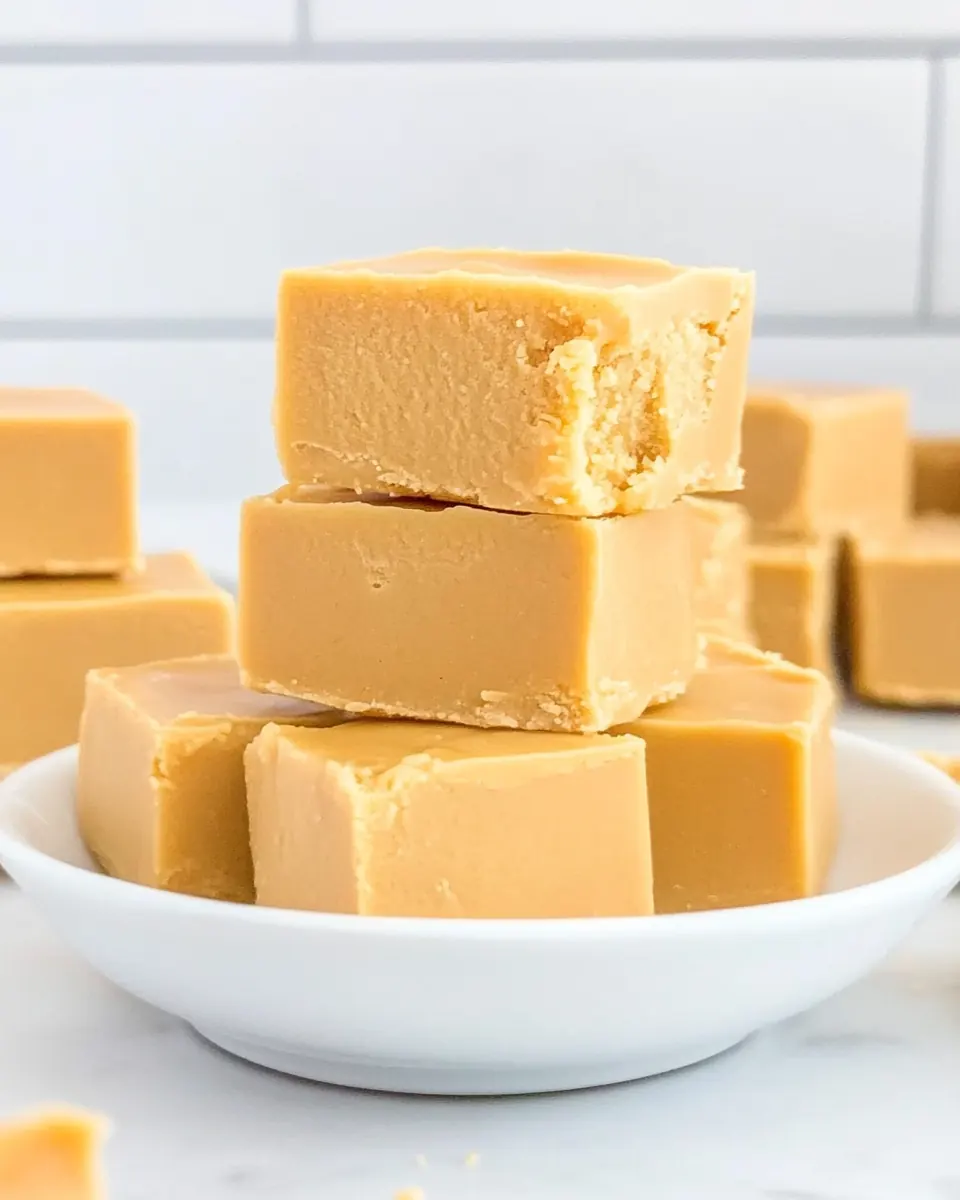
Cut evenly into 16 servings and enjoy: As the knife goes through each square you should notice a slight resistance and a clean separation, with no clinging to the blade if properly chilled. Arrange on a platter and watch them disappear, the balance of sweet and nutty is immediate on the first bite. A common mistake is cutting too large or uneven pieces; using gentle, measured pressure yields uniform pieces.