Easy 2 Ingredient Peanut Butter Fudge
Easy 2 Ingredient Peanut Butter Fudge came into my life on a frantic weeknight when I needed a no fuss treat that still felt special. I remember pulling together just two pantry staples, and within an hour I was handing a plate of glossy, rich squares to friends who could not believe how simple and indulgent they were. That evening taught me that comfort does not need to be complicated, and that a tiny bit of magic happens when peanut butter meets sweet frosting.
Over the years I have tweaked small things about my approach, mostly to save time and reduce mess, and those adjustments have made this Easy 2 Ingredient Peanut Butter Fudge a go to for last minute desserts, holiday trays, and after school snacks. I love how forgiving the recipe is, anyone can get the right texture without a candy thermometer, and kids adore helping with the spooning and spreading. One of my favorite memories is bringing a pan to a potluck where it disappeared before I could take a second photo.
When I make Easy 2 Ingredient Peanut Butter Fudge I focus on quick, confident motions: warming gently, stirring until silken, and letting patience do the rest in the fridge. The simplicity invites personalization, but even left plain the balance of creamy peanut butter and sugary frosting nails that nostalgic fudge hit. I often find my hands reaching for a corner square while the pan is still cooling, because the aroma of warmed peanut butter is nearly impossible to resist.
Recipe Snapshot
12 mins
10 mins
2 mins
Easy
150 kcal
American
Gluten-Free, Low FODMAP
Desserts
8 x 8 inch pan, Aluminum foil, spray cooking oil, Silicone spatula, whisk, Medium sized bowl microwave safe, Cutting board, large sharp knife
The Best Thing About This Easy 2 Ingredient Peanut Butter Fudge
Fast and Foolproof
I adore how reliably this recipe works, even when you are juggling other dishes. Because it relies on only two prepared ingredients, you avoid complex candy making stages, and that means fewer points of failure. I’ve made it with different brands of peanut butter and frosting, and the method still delivers a smooth, sliceable fudge each time.
Kid Friendly and Fun to Make
We often pull this one out for baking afternoons with my niece. The process is simple enough for little hands to help scoop and stir, and the payoff is immediate. Kids love choosing where to place sprinkles right before the fudge sets, which makes serving more exciting.
Economical and Pantry Driven
I reach for this recipe when the pantry needs a quick celebration. Two jarred ingredients make it budget friendly and surprisingly decadent. When entertaining, it scales easily by using larger pans or multiple batches without increasing technique complexity.
Perfect Texture Every Time
The method yields a creamy interior that cuts cleanly when chilled long enough. I appreciate that the texture is dense but tender, not chalky, and the layered mouthfeel shines whether you serve it plain or with a sprinkle of finishing salt or chopped nuts.
Versatile for Occasions
Whether you want a movie night treat, a small gift, or a contribution to a dessert board, this fudge adapts. It travels well when chilled, and it can be dressed up visually while staying simple at heart. I keep this in my repertoire for last minute hosting because it reliably impresses without fuss.
Ingredient List for Easy 2 Ingredient Peanut Butter Fudge
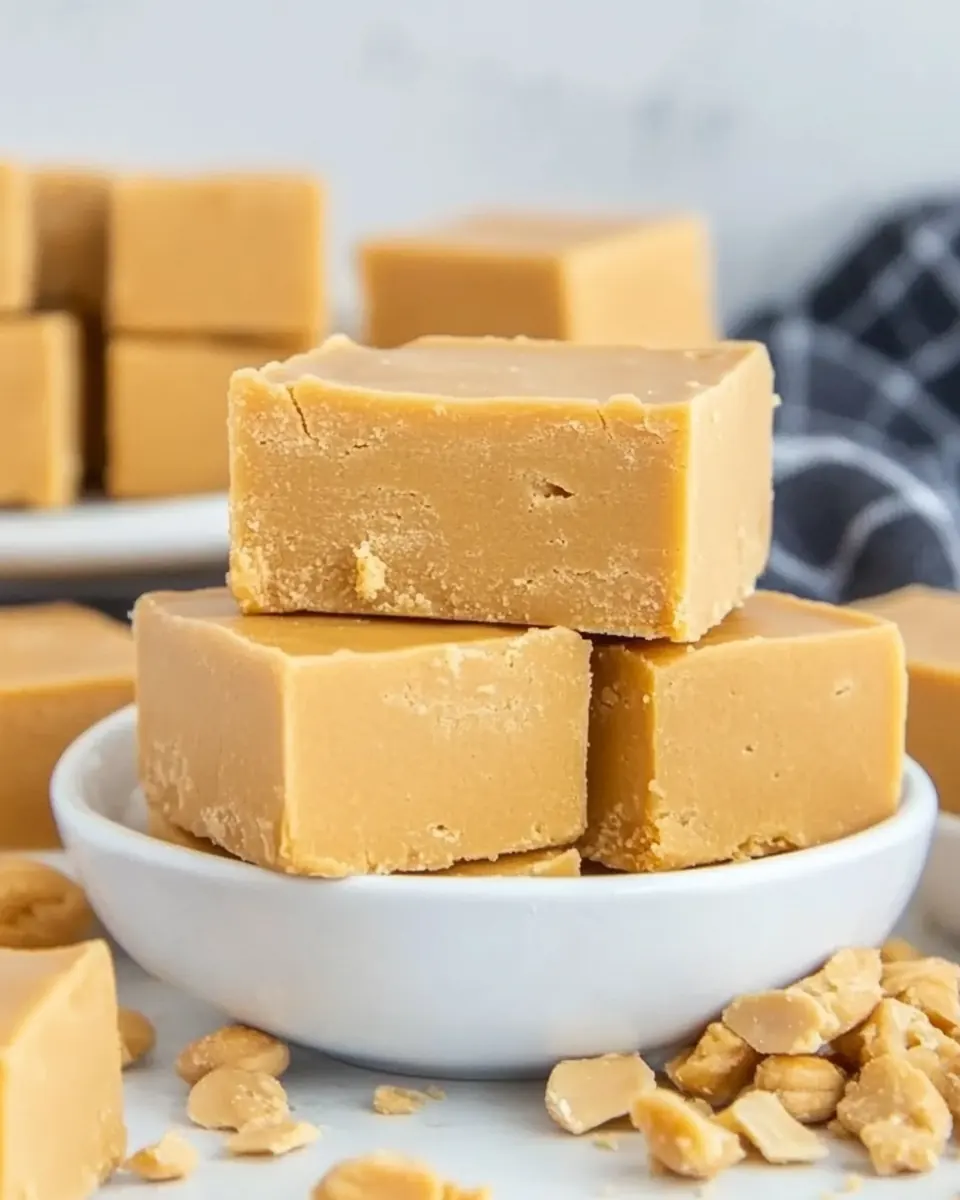
These ingredients follow a philosophy of minimalism, using two strong players that combine into something richer than the sum of their parts. The key players are the jarred peanut butter for depth and creaminess, and the jarred cream cheese frosting for sweetness and structure. Together they create a silky, sliceable fudge without tempering or candy making.
- 16 ounces creamy peanut butter: Creamy and smooth, provides the rich, nutty base and silky mouthfeel that defines the fudge while contributing fat and protein for structure.
- 16 ounces cream cheese frosting: Sweet and fluffy, supplies ready-made sweetness and a soft, creamy texture that helps set the fudge without additional sugar or mixing time.
Directions for Easy 2 Ingredient Peanut Butter Fudge
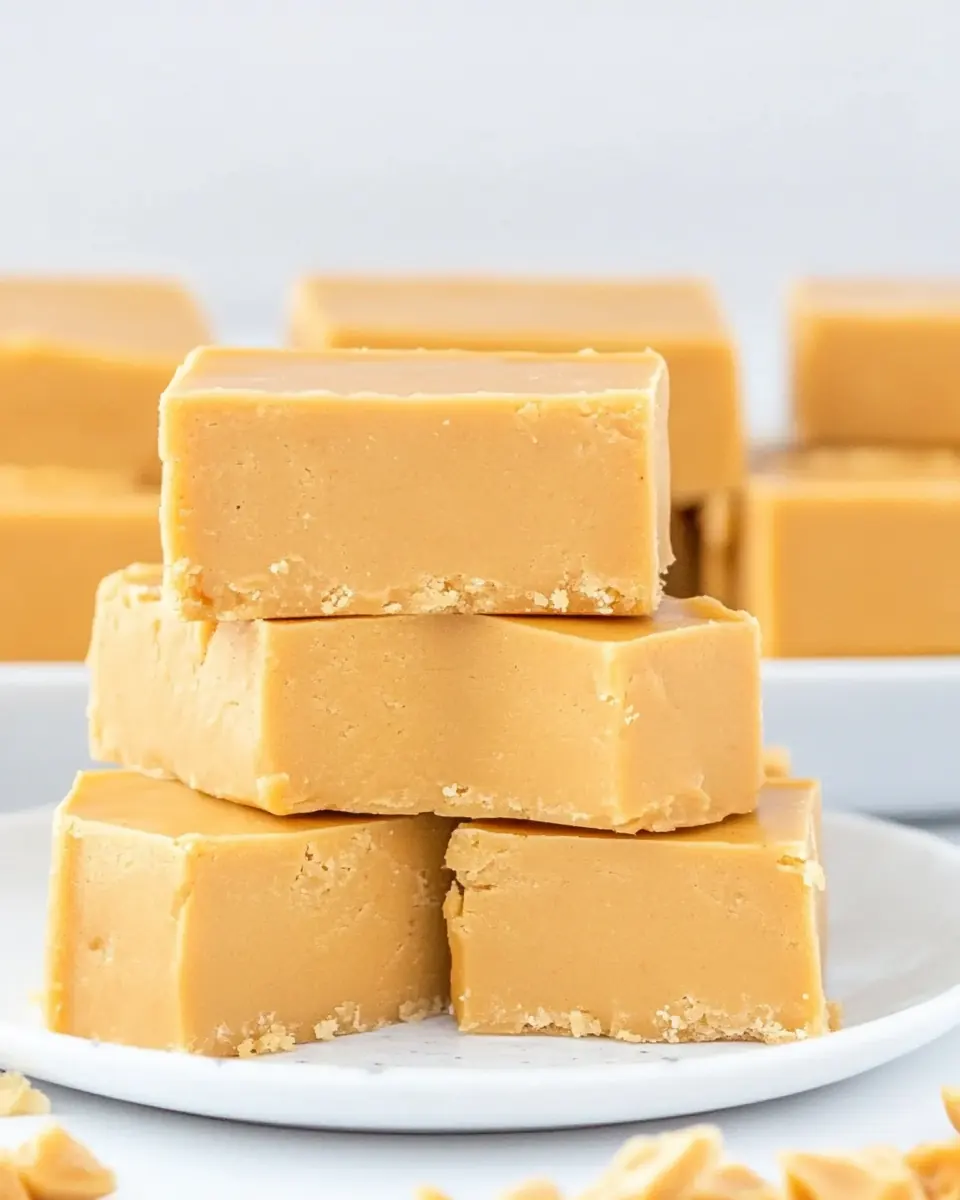
This recipe is quick to assemble, and I like to set out my tools and ingredients first so the process flows. Read each step fully before you begin, and keep a spatula and a bowl nearby for scraping every bit into the pan. Move at a calm pace, the texture will tell you when it is ready.
- Line an 8 x 8 inch pan with aluminum foil. Spray with cooking oil. See notes.: As the foil crinkles under your fingers you should notice a cool, metallic scent and the pan becomes easy to lift the finished fudge out of, which prevents sticking. Press the foil firmly into corners so the film lies smooth, this provides clean edges when removing the set fudge. If you skip lining the pan you risk sticking, which makes removing intact squares difficult. A common oversight is not spraying the foil lightly with oil, which makes release harder later.
- Scoop frosting into a medium sized microwave safe bowl. Microwave for 30 seconds.: The light mist of spray reduces adhesion and gives the fudge a silky underside. You should see beads of oil on the surface briefly, then they meld into a faint sheen. This tiny step matters because even jarred frosting can cling to foil, and the spray prevents tearing when you lift the fudge out. Avoid using too much spray, excess oil will pool and create uneven texture.
- Add peanut butter to the frosting and stir until mixed. Microwave the mixture at 15 second intervals, stirring between until smooth.: When the frosting lands in the bowl it sits dense and glossy, ready to warm. Using a microwave safe bowl ensures even heating and makes stirring easy, while a bowl that is too small could overflow during heating. If the bowl is shallow the frosting can heat unevenly; choose something roomy so you can stir without spilling. Be cautious of hot spots with microwaves, which is why stirring is essential.
- Pour the smooth fudge mixture into the lined pan and spread evenly. Refrigerate 1-2 hours or until set. You can also leave it in the fridge overnight.: The first warming loosens the frosting and releases a sweet, slightly baked aroma. You should see the surface become shinier and more fluid, but not completely runny. This preheat is crucial because it reduces the time you will need to microwave later, preserving a creamy texture. A common mistake is microwaving too long at once, which can cause the frosting to scorch or separate.
- Remove the fudge from the pan by lifting it up by the foil. Cut evenly into 16 servings and enjoy!: As you fold in the peanut butter the bowl will fill with a warm, nutty scent and the mixture becomes thicker and smoother. Stirring by hand lets you feel the texture transition from chunky lumps to a unified, spreadable mass. This manual mixing helps incorporate any trapped air and creates a homogenous base, which is important for consistent setting. If you rush and do not fully combine, you may have streaks of undissolved frosting.
- Microwave the mixture at 15 second intervals, stirring between until smooth: Short bursts of heat prevent overheating while encouraging a glossy, velvety consistency. After each interval you will hear a slight settling sound and see the surface become more fluid, signaling better incorporation. Stirring between heats eliminates hot pockets and ensures the mixture stays together. Overheating in a single long burst is the most common error, it can split the fat and change the texture.
- Pour the smooth fudge mixture into the lined pan and spread evenly: When you pour, the mixture should flow slowly, leaving a lustrous ribbon as it settles, and the aroma of toasted peanuts will be prominent. Use a spatula to coax the mixture into corners and to level the top for even squares. A smooth top improves presentation and helps the fudge set uniformly. Cutting too soon before it firms is a frequent misstep, it will smear and not hold clean edges.
- Refrigerate 1 to 2 hours or until set: As it chills the fudge will lose shine and become firm to the touch, and the kitchen will fill with that comforting, sweet peanut scent. Proper chilling develops the dense, chewy texture you expect from fudge. Patience here is key, rushing to cut can create sticky, misshapen pieces. One error is not chilling long enough, which results in squares that fall apart when sliced.
- You can also leave it in the fridge overnight: Allowing it to sit overnight creates an even firmer structure and mellows the sweetness slightly. Overnight chilling can deepen the flavor meld between the two components, and it makes slicing exceptionally clean. If you plan to transport or gift the fudge, overnight chilling ensures it holds up. Avoid leaving it at room temperature too long after chilling, which can soften the edges.
- Remove the fudge from the pan by lifting it up by the foil: Gently lift using the foil edges, and the pan will reveal a solid block ready for cutting; you may hear a faint tearing as the foil releases. Place the block on a cutting board and use a sharp knife for clean slices, wiping the blade between cuts if needed. This method preserves the neat squares and makes serving tidy. Cutting with a dull knife or without wiping will produce ragged edges and sticky crumbs.
- Cut evenly into 16 servings and enjoy: As the knife goes through each square you should notice a slight resistance and a clean separation, with no clinging to the blade if properly chilled. Arrange on a platter and watch them disappear, the balance of sweet and nutty is immediate on the first bite. A common mistake is cutting too large or uneven pieces; using gentle, measured pressure yields uniform pieces.
Making Adjustments
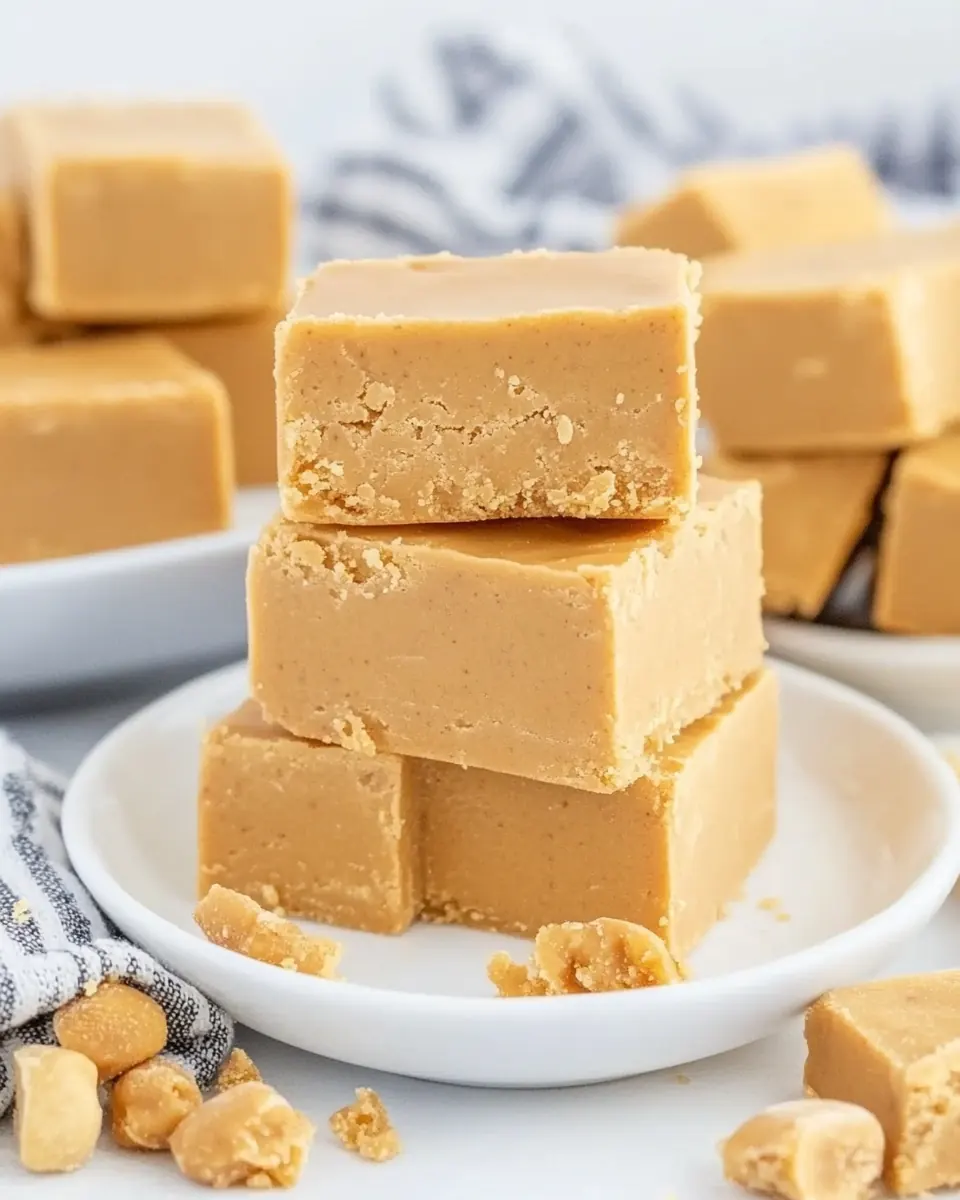
I like to offer practical tweaks so you can adapt this recipe to your pantry and preferences. Below are detailed tips that expand on the notes and common adjustments I use when I am short on time or want a different texture or presentation.
- Swap containers carefully When measuring sticky ingredients like peanut butter and jarred frosting, spray the measuring cup lightly with cooking spray to help them release cleanly, which reduces waste and keeps quantities accurate.
- Control the heat Microwave in short intervals to avoid overheating; fifteen second bursts with stirring produce the smoothest texture and prevent separation of the fats which causes a grainy finish.
- Line for easy release Use aluminum foil or parchment to lift the fudge from the pan; if using parchment, still spray it lightly to prevent sticking since jarred frosting can cling until fully set.
- Decorate at the right time Add sprinkles or chopped toppings immediately after you spread the mixture so they set into the surface and stay in place when you slice the fudge.
- Scale simply To make larger or smaller batches, keep the same ratios and use different pan sizes, adjusting chill time as needed for thickness to set properly.
- Storage tip Store in the refrigerator in an airtight container for up to two weeks, placing parchment between layers to prevent sticking and preserve texture.
What to Serve With Easy 2 Ingredient Peanut Butter Fudge
This fudge is versatile and can be served in many situations, from casual snacks to holiday treats. Consider pairing it with contrasting textures and simple beverages. I often slice small squares and arrange them on dessert boards where they act as a sweet anchor among fruit or crunchy nuts.
- Snack plates Arrange small squares with fresh fruit like apple slices or banana rounds for a balance of freshness and density, creating a varied tasting experience.
- Holiday trays Place alongside cookies and candies, using festive liners or doilies to present them attractively at gatherings or celebrations.
- Gifting Chill overnight, cut into neat squares, and stack in a decorative box with parchment between layers for an easy homemade gift.
- Occasions Serve at potlucks, school events, or Ramadan iftar tables as a quick sweet offering that travels well when chilled.
- Storage and transport Keep chilled in an insulated container during travel, and bring along an ice pack for longer trips to prevent softening.
- Seasonal pairing This fudge works year round, but I like serving it with warm spiced beverages in cooler months and with cold milk on summer afternoons for a classic combination.
FAQ
Conclusion
This recipe stands out because it transforms just two jarred ingredients into a creamy, nostalgic fudge that tastes far more elaborate than it is. It is a brilliant, approachable solution for last minute desserts, potlucks, or when you want a reliable sweet without candy making techniques. Give it a try tonight, and you will likely find it becoming a staple in your dessert rotation for its ease, taste, and the small joyful moments it creates when sharing with family and friends.
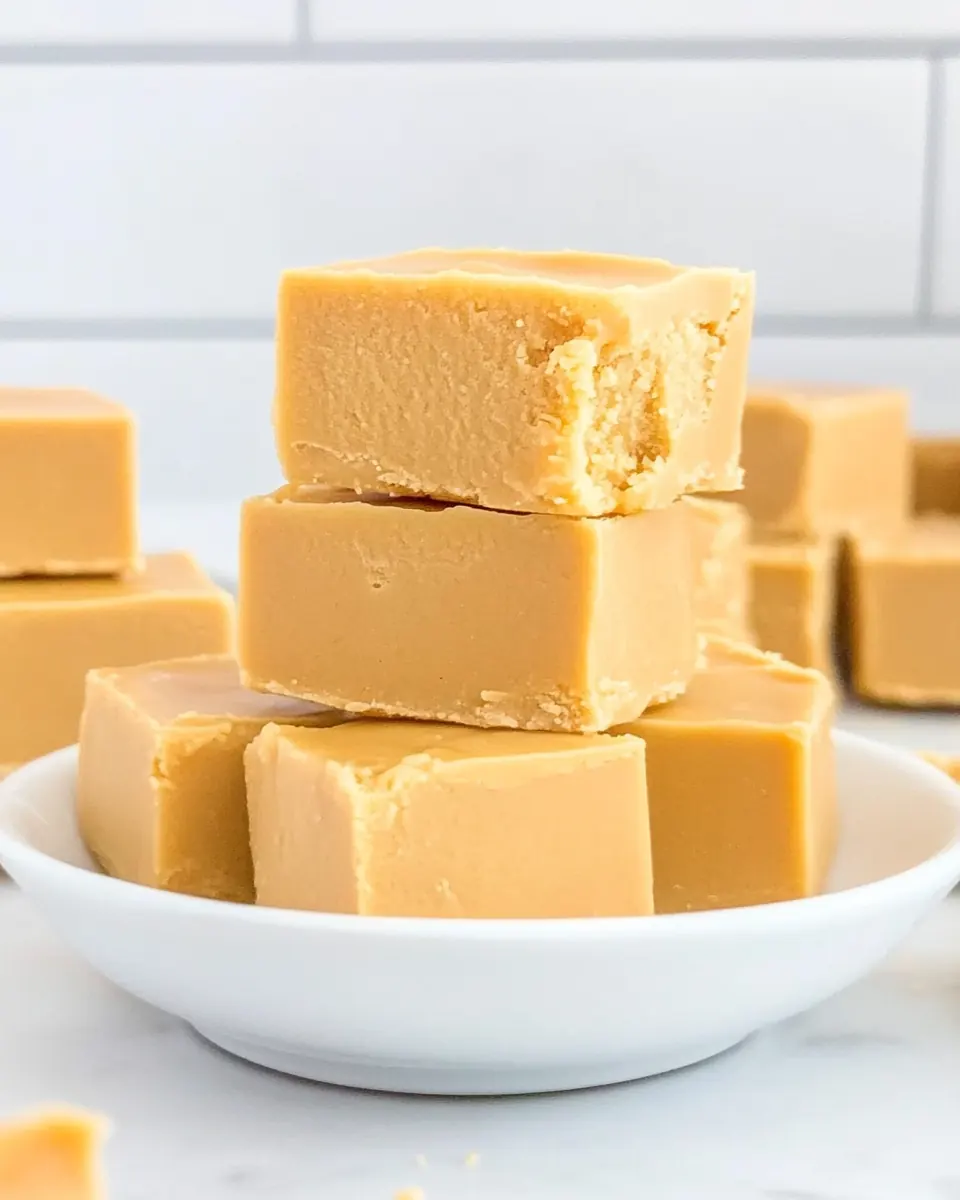
Easy 2 Ingredient Peanut Butter Fudge
Ingredients
Equipment
Method
- Line an 8 x 8 inch pan with aluminum foil. Spray with cooking oil. See notes.: As the foil crinkles under your fingers you should notice a cool, metallic scent and the pan becomes easy to lift the finished fudge out of, which prevents sticking. Press the foil firmly into corners so the film lies smooth, this provides clean edges when removing the set fudge. If you skip lining the pan you risk sticking, which makes removing intact squares difficult. A common oversight is not spraying the foil lightly with oil, which makes release harder later.
- Scoop frosting into a medium sized microwave safe bowl. Microwave for 30 seconds.: The light mist of spray reduces adhesion and gives the fudge a silky underside. You should see beads of oil on the surface briefly, then they meld into a faint sheen. This tiny step matters because even jarred frosting can cling to foil, and the spray prevents tearing when you lift the fudge out. Avoid using too much spray, excess oil will pool and create uneven texture.
- Add peanut butter to the frosting and stir until mixed. Microwave the mixture at 15 second intervals, stirring between until smooth.: When the frosting lands in the bowl it sits dense and glossy, ready to warm. Using a microwave safe bowl ensures even heating and makes stirring easy, while a bowl that is too small could overflow during heating. If the bowl is shallow the frosting can heat unevenly; choose something roomy so you can stir without spilling. Be cautious of hot spots with microwaves, which is why stirring is essential.
- Pour the smooth fudge mixture into the lined pan and spread evenly. Refrigerate 1-2 hours or until set. You can also leave it in the fridge overnight.: The first warming loosens the frosting and releases a sweet, slightly baked aroma. You should see the surface become shinier and more fluid, but not completely runny. This preheat is crucial because it reduces the time you will need to microwave later, preserving a creamy texture. A common mistake is microwaving too long at once, which can cause the frosting to scorch or separate.
- Remove the fudge from the pan by lifting it up by the foil. Cut evenly into 16 servings and enjoy!: As you fold in the peanut butter the bowl will fill with a warm, nutty scent and the mixture becomes thicker and smoother. Stirring by hand lets you feel the texture transition from chunky lumps to a unified, spreadable mass. This manual mixing helps incorporate any trapped air and creates a homogenous base, which is important for consistent setting. If you rush and do not fully combine, you may have streaks of undissolved frosting.
- Microwave the mixture at 15 second intervals, stirring between until smooth: Short bursts of heat prevent overheating while encouraging a glossy, velvety consistency. After each interval you will hear a slight settling sound and see the surface become more fluid, signaling better incorporation. Stirring between heats eliminates hot pockets and ensures the mixture stays together. Overheating in a single long burst is the most common error, it can split the fat and change the texture.
- Pour the smooth fudge mixture into the lined pan and spread evenly: When you pour, the mixture should flow slowly, leaving a lustrous ribbon as it settles, and the aroma of toasted peanuts will be prominent. Use a spatula to coax the mixture into corners and to level the top for even squares. A smooth top improves presentation and helps the fudge set uniformly. Cutting too soon before it firms is a frequent misstep, it will smear and not hold clean edges.
- Refrigerate 1 to 2 hours or until set: As it chills the fudge will lose shine and become firm to the touch, and the kitchen will fill with that comforting, sweet peanut scent. Proper chilling develops the dense, chewy texture you expect from fudge. Patience here is key, rushing to cut can create sticky, misshapen pieces. One error is not chilling long enough, which results in squares that fall apart when sliced.
- You can also leave it in the fridge overnight: Allowing it to sit overnight creates an even firmer structure and mellows the sweetness slightly. Overnight chilling can deepen the flavor meld between the two components, and it makes slicing exceptionally clean. If you plan to transport or gift the fudge, overnight chilling ensures it holds up. Avoid leaving it at room temperature too long after chilling, which can soften the edges.
- Remove the fudge from the pan by lifting it up by the foil: Gently lift using the foil edges, and the pan will reveal a solid block ready for cutting; you may hear a faint tearing as the foil releases. Place the block on a cutting board and use a sharp knife for clean slices, wiping the blade between cuts if needed. This method preserves the neat squares and makes serving tidy. Cutting with a dull knife or without wiping will produce ragged edges and sticky crumbs.
- Cut evenly into 16 servings and enjoy: As the knife goes through each square you should notice a slight resistance and a clean separation, with no clinging to the blade if properly chilled. Arrange on a platter and watch them disappear, the balance of sweet and nutty is immediate on the first bite. A common mistake is cutting too large or uneven pieces; using gentle, measured pressure yields uniform pieces.
Notes
- Swap containers carefully When measuring sticky ingredients like peanut butter and jarred frosting, spray the measuring cup lightly with cooking spray to help them release cleanly, which reduces waste and keeps quantities accurate.
- Control the heat Microwave in short intervals to avoid overheating; fifteen second bursts with stirring produce the smoothest texture and prevent separation of the fats which causes a grainy finish.
- Line for easy release Use aluminum foil or parchment to lift the fudge from the pan; if using parchment, still spray it lightly to prevent sticking since jarred frosting can cling until fully set.
- Decorate at the right time Add sprinkles or chopped toppings immediately after you spread the mixture so they set into the surface and stay in place when you slice the fudge.
- Scale simply To make larger or smaller batches, keep the same ratios and use different pan sizes, adjusting chill time as needed for thickness to set properly.
- Storage tip Store in the refrigerator in an airtight container for up to two weeks, placing parchment between layers to prevent sticking and preserve texture.