In a large pot, heat olive oil over medium heat. Sauté onion and carrot for 4 minutes or until onions are translucent.: The moment you add oil to the warmed pot you should hear a faint shimmer and see it gloss the surface, which signals even heat distribution. The oil will carry the aromatics and prevent sticking, ensuring the vegetables soften evenly. If the oil smokes, lower the heat immediately to avoid a burned flavor. A common misstep here is rushing the heat, which can cause uneven browning instead of a gentle caramelization.
Stir in minced garlic and mushrooms until fragrant, and cook for about 1 1/2 minutes.: You will smell a sweet, savory aroma as the onions turn translucent and the carrots start to soften, and you should see glossy edges on the vegetables. This stage builds foundational sweetness that balances the broth, so be patient and stir occasionally to promote even cooking. If the vegetables brown too quickly, reduce heat; burned edges bring bitterness rather than depth.
Add in ramen noodles, bouillon, and 1 cup of water. Stir in enough chicken broth to create 8 cups of liquid in total. Bring to a boil.: When garlic and mushrooms hit the pan, a wave of fragrance will rise almost immediately, signaling aromatic development. The mushrooms should begin to release their juices and take on a slightly darker tone, softening while adding umami. Keep the movement gentle, scraping up any fond to incorporate those browned bits into the base. Watch the garlic closely because it can turn from fragrant to bitter within seconds if overcooked.
Stir in soy sauce, 1 tablespoon at a time, tasting as you go. Stir in sesame oil and chard.: As you nestle the noodles and dissolve the bouillon, you will notice the liquid starting to blur with savory scent, and the noodles will begin to hydrate. The bouillon help infuse the entire pot quickly with concentrated flavor, which jumpstarts the broth. Stir to prevent clumping and ensure the bouillon fully dissolves, because undissolved cubes create uneven salty pockets.
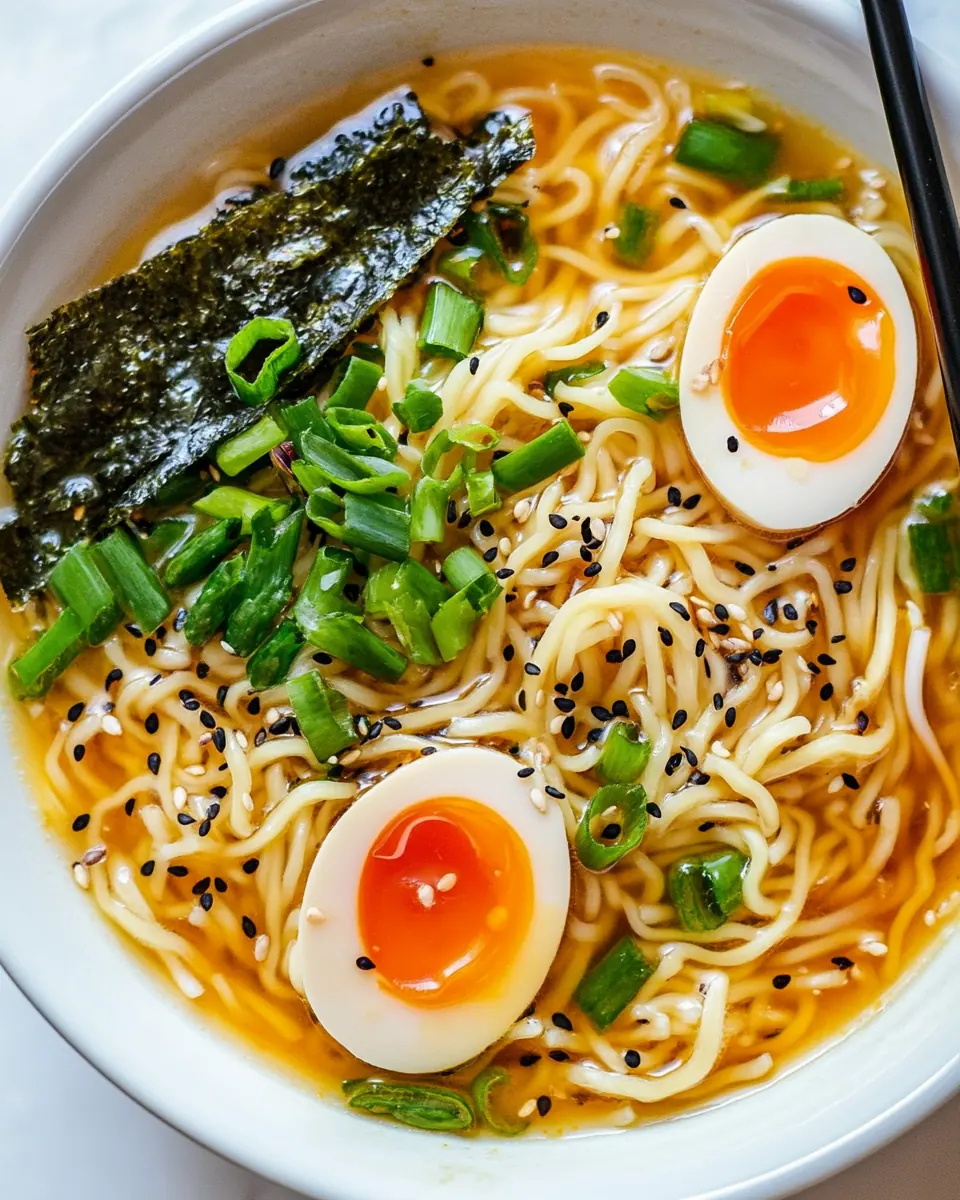
Once noodles are cooked, serve soup hot and garnish with chopped green onions, radishes, a soft-boiled egg, and black sesame seeds.: When you add the remaining broth, the pot should look full and fragrant, with steam rising steadily as it approaches a simmer. This quantity gives you a balanced soup to noodle ratio, allowing the broth to feel abundant without overwhelming the solids. Taste once the liquid is combined, because broth strengths vary and you may need to adjust seasoning. Adding too much undiluted bouillon without tasting is a frequent error, which can make the soup overly salty.
Bring to a boil: As the surface ripples and larger bubbles rise, the aroma will intensify and the pot will hum with activity, which signals that the cooking phase for the noodles is imminent. Boiling rapidly increases heat transfer so the noodles cook through, but once boiling begins reduce to a gentle rolling boil as needed to avoid excessive agitation. A common mistake is letting the pot roar too hard, causing noodles to break down and become mushy.
Stir in soy sauce, 1 tablespoon at a time, tasting as you go: Adding soy slowly lets you calibrate salt and umami, and the broth will deepen in color and flavor with each small addition. Tasting is crucial because soy brands vary in intensity; this step prevents oversalting. Stir to fully incorporate and pause to evaluate after each tablespoon. Pouring the entire amount at once risks an intractably salty soup that is hard to fix.
Stir in sesame oil and chard: When you drizzle in the sesame oil, a warm, toasty aroma will brighten the surface, and the chopped red chard will wilt quickly into the hot liquid, turning vivid and tender. The sesame oil is fragile, so adding it at this stage preserves its fragrance, while the chard contributes freshness and color. Add the greens toward the end to keep them from overcooking, which would leave them floppy and less appealing.
Once noodles are cooked, serve soup hot and garnish with chopped green onions, radishes, a soft boiled egg, and black sesame seeds: The last moment is sensory rich, with steam carrying the combined scents and the bowl presenting contrasting textures. Break the soft yolk gently so it melds into the broth, sprinkle the radishes and green onion for crisp contrast, and finish with the nutty crunch of the toasted black sesame seeds. Serve immediately to maintain the noodle texture and garnish brightness. Waiting too long before serving leads to soggy noodles and wilted garnishes, which dull the experience.