Easy Homemade Ramen
Easy Homemade Ramen is the bowl I reach for when a chilly evening asks for something warm, nourishing, and a little bit nostalgic. I remember the first time I made this, standing in a tiny kitchen with steam fogging the window while the scent of toasted sesame and garlic curled through the room. That night felt like a quiet celebration of simple comforts, and I kept going back to this recipe because it reliably delivers layered flavor without demanding a chef’s schedule.
There are nights when I want something to soothe and nights when I want something to excite my palate, and Easy Homemade Ramen does both. I love how a basic set of pantry items transforms into a fragrant broth you want to sip between bites, and the way the noodles soak up the savory liquid makes each mouthful deeply satisfying. Some versions I make for company, others are strictly for solo dinners while wrapped in a blanket, but every time they bring the same sense of home.
Recipe Snapshot
40 mins
10 mins
30 mins
Easy
450 kcal
Japanese
Gluten-Free, Keto
Dinner
Large pot, Knife, Cutting board, Ladle
What Sets This Easy Homemade Ramen Apart
Comfort in a Bowl
I often reach for Easy Homemade Ramen when I need something reliably soothing. The broth is savory and slightly sweet from the carrots and onion, and that combination calms a busy evening. I know a bowl will warm my hands and mood in equal measure.
Speed without Sacrifice
What I love is how quickly this comes together. From sizzling the vegetables to nestling the noodles, the whole process stays energetic and satisfying. I can have a restaurant style bowl on the table fast, which makes it a true easy weeknight dinner ally in my kitchen.
Flexible and Forgiving
I appreciate recipes that tolerate creativity, and Easy Homemade Ramen is forgiving. You can tweak the broth depth by adding more or less bouillon, adjust soy to your taste, and toss in whatever greens you have. I find this freedom keeps the dish interesting and approachable for cooks at all levels.
Bright Garnishes for Texture
The finishing touches are what make this bowl sing. The crisp radishes, the soft boiled egg, and the toasted black sesame seeds provide contrast to the warm, silky noodles. I always slice the green onion last, so it retains a fresh snap that complements the tender vegetables.
Vegetable Forward, Savory Finish
Even if you want to keep things simple, the combination of shiitake mushrooms, carrot, and red chard builds an umami forward foundation. That depth makes the soup feel complete, so you do not need complicated techniques to impress your family or yourself.
Ingredients to Make Easy Homemade Ramen
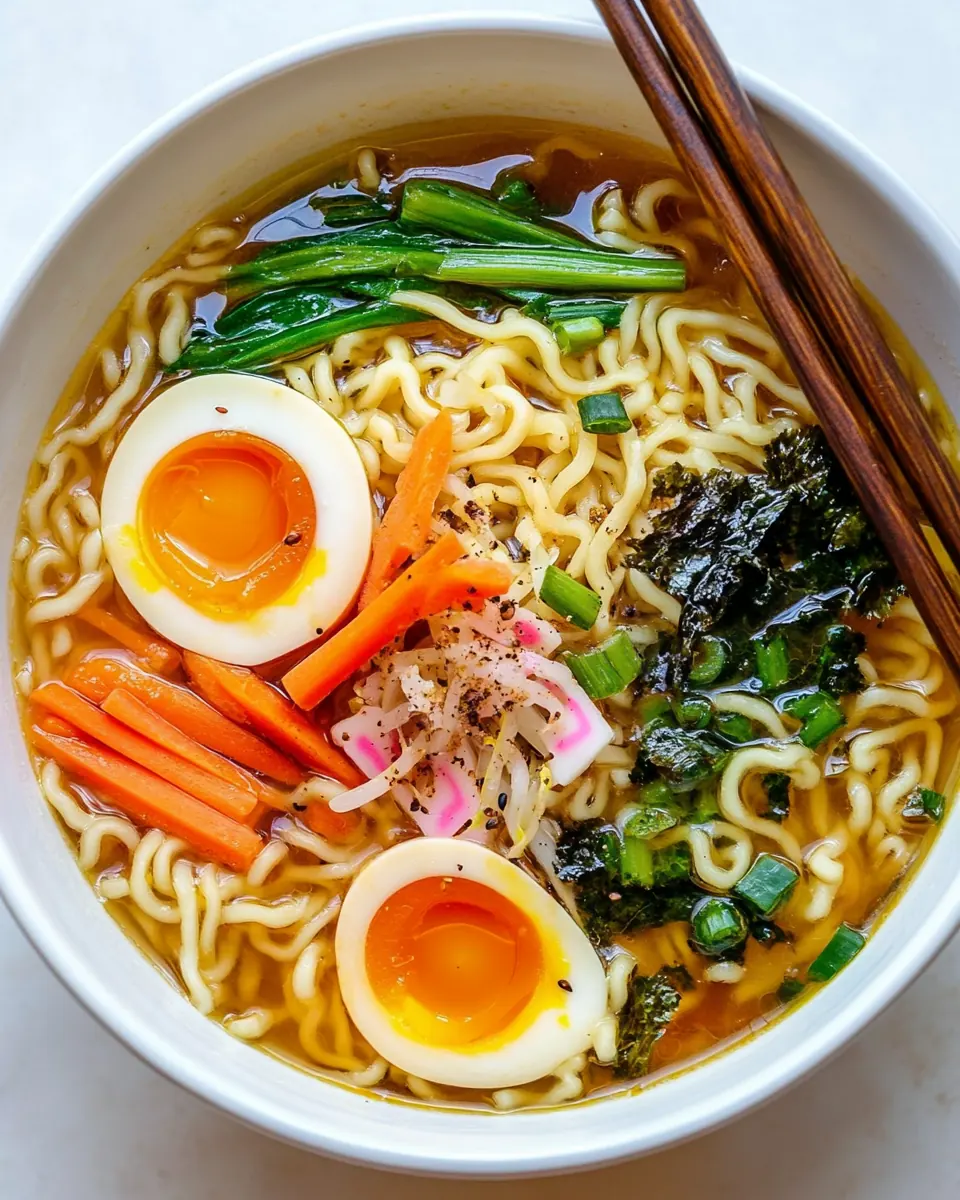
This ingredient list follows a simple philosophy: each item plays a distinct role, and together they create a balanced bowl. The aromatics build sweetness and depth, the broth carries savory weight, the noodles provide the satisfying chew, and the garnishes add brightness and texture. Think of the list as a team where the players support one another, creating a soup that feels richer than the sum of its parts.
- 2 tbsp olive oil: Heat and flavor the broth while providing a cooking medium for vegetables and aromatics; use at the start to sauté onions and carrots for depth and lightly coat the pot to prevent sticking.
- 1 large onion diced: Add savory sweetness and body when diced finely; sauté until translucent to build a sweet aromatic base that balances the broth and complements the umami ingredients.
- 1 1/2 cups carrot diced: Contribute natural sweetness, texture, and brightness when diced; cook until tender to add body and a pleasant bite that contrasts with noodles and broth.
- 3 cloves garlic minced: Infuse strong aromatic and savory notes when minced; add early to bloom its flavor in oil so it can permeate the broth and enhance overall depth.
- 3.5 oz shiitake mushrooms: Provide meaty umami and chewy texture when sliced; sauté or simmer in broth to release rich, savory flavors that mimic deeper stock complexity.
- 1 lb ramen noodles: Supply substantial bite and comforting starch to the dish; cook separately or briefly in broth to achieve springy texture that carries sauces and broth.
- 1 chicken bouillon cube: Deliver concentrated savory, salty depth to the soup; dissolve into hot liquid to quickly impart chicken flavor and strengthen the overall broth profile.
- 4 6 cups chicken broth: Form the liquid backbone and depth of flavor for the ramen; adjust amount to achieve desired concentration, simmering with aromatics and bouillon for richness.
- 1 2 tbsp soy sauce: Add salty, umami complexity and color; stir into finished broth sparingly to taste, balancing saltiness and enhancing savory notes without overwhelming.
- 1 tbsp sesame oil: Contribute a nutty, toasted finish and aromatic lift; drizzle toward the end of cooking or on top just before serving to preserve fragrant sesame oil character.
- 3 cups red chard chopped: Introduce leafy texture, mild bitterness, and color when chopped; wilt into the broth near the end to retain vibrancy and add nutritional greens.
- green onion: Provide sharp, fresh bite and a mild oniony crunch when sliced; sprinkle on top as a garnish to brighten flavors and add crisp texture contrast.
- sliced radishes: Offer peppery crunch and visual appeal when thinly sliced; add as a fresh garnish to lend crispness and a lightly spicy counterpoint to the broth.
- soft boiled eggs: Give creamy richness and silky texture when soft boiled; halve and float in the bowl to add luxurious yolk that enriches broth and complements other savory elements.
- black toasted sesame seeds: Supply visual contrast and toasted nuttiness when sprinkled; use as a finishing garnish to add subtle crunch and enhance the sesame notes from the oil.
Cooking Instructions for Easy Homemade Ramen
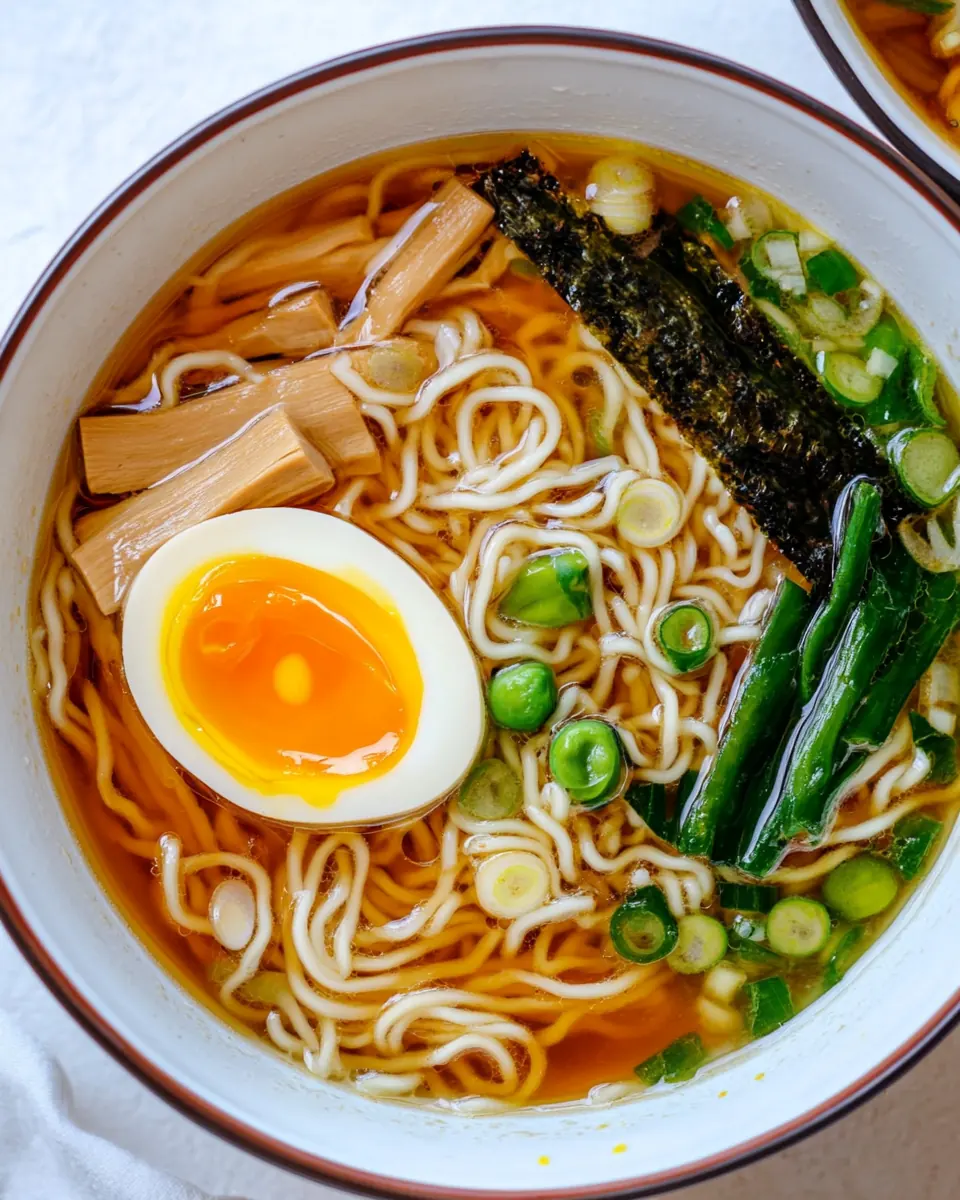
This is where the kitchen rhythm matters. I like to set my mise en place, have the garnishes ready, and keep an eye on the pot as the flavors build. Follow the steps closely, and take the time to taste and adjust, because small decisions here shape the final bowl.
- In a large pot, heat olive oil over medium heat. Sauté onion and carrot for 4 minutes or until onions are translucent.: The moment you add oil to the warmed pot you should hear a faint shimmer and see it gloss the surface, which signals even heat distribution. The oil will carry the aromatics and prevent sticking, ensuring the vegetables soften evenly. If the oil smokes, lower the heat immediately to avoid a burned flavor. A common misstep here is rushing the heat, which can cause uneven browning instead of a gentle caramelization.
- Stir in minced garlic and mushrooms until fragrant, and cook for about 1 1/2 minutes.: You will smell a sweet, savory aroma as the onions turn translucent and the carrots start to soften, and you should see glossy edges on the vegetables. This stage builds foundational sweetness that balances the broth, so be patient and stir occasionally to promote even cooking. If the vegetables brown too quickly, reduce heat; burned edges bring bitterness rather than depth.
- Add in ramen noodles, bouillon, and 1 cup of water. Stir in enough chicken broth to create 8 cups of liquid in total. Bring to a boil.: When garlic and mushrooms hit the pan, a wave of fragrance will rise almost immediately, signaling aromatic development. The mushrooms should begin to release their juices and take on a slightly darker tone, softening while adding umami. Keep the movement gentle, scraping up any fond to incorporate those browned bits into the base. Watch the garlic closely because it can turn from fragrant to bitter within seconds if overcooked.
- Stir in soy sauce, 1 tablespoon at a time, tasting as you go. Stir in sesame oil and chard.: As you nestle the noodles and dissolve the bouillon, you will notice the liquid starting to blur with savory scent, and the noodles will begin to hydrate. The bouillon help infuse the entire pot quickly with concentrated flavor, which jumpstarts the broth. Stir to prevent clumping and ensure the bouillon fully dissolves, because undissolved cubes create uneven salty pockets.
- Once noodles are cooked, serve soup hot and garnish with chopped green onions, radishes, a soft-boiled egg, and black sesame seeds.: When you add the remaining broth, the pot should look full and fragrant, with steam rising steadily as it approaches a simmer. This quantity gives you a balanced soup to noodle ratio, allowing the broth to feel abundant without overwhelming the solids. Taste once the liquid is combined, because broth strengths vary and you may need to adjust seasoning. Adding too much undiluted bouillon without tasting is a frequent error, which can make the soup overly salty.
- Bring to a boil: As the surface ripples and larger bubbles rise, the aroma will intensify and the pot will hum with activity, which signals that the cooking phase for the noodles is imminent. Boiling rapidly increases heat transfer so the noodles cook through, but once boiling begins reduce to a gentle rolling boil as needed to avoid excessive agitation. A common mistake is letting the pot roar too hard, causing noodles to break down and become mushy.
- Stir in soy sauce, 1 tablespoon at a time, tasting as you go: Adding soy slowly lets you calibrate salt and umami, and the broth will deepen in color and flavor with each small addition. Tasting is crucial because soy brands vary in intensity; this step prevents oversalting. Stir to fully incorporate and pause to evaluate after each tablespoon. Pouring the entire amount at once risks an intractably salty soup that is hard to fix.
- Stir in sesame oil and chard: When you drizzle in the sesame oil, a warm, toasty aroma will brighten the surface, and the chopped red chard will wilt quickly into the hot liquid, turning vivid and tender. The sesame oil is fragile, so adding it at this stage preserves its fragrance, while the chard contributes freshness and color. Add the greens toward the end to keep them from overcooking, which would leave them floppy and less appealing.
- Once noodles are cooked, serve soup hot and garnish with chopped green onions, radishes, a soft boiled egg, and black sesame seeds: The last moment is sensory rich, with steam carrying the combined scents and the bowl presenting contrasting textures. Break the soft yolk gently so it melds into the broth, sprinkle the radishes and green onion for crisp contrast, and finish with the nutty crunch of the toasted black sesame seeds. Serve immediately to maintain the noodle texture and garnish brightness. Waiting too long before serving leads to soggy noodles and wilted garnishes, which dull the experience.
Customization Ideas

This recipe adapts well to preferences and pantry limits. Below are practical ways I have personalized the bowl, each starting with a bold phrase to guide you. These tips expand on the provided notes and reflect real, tested adjustments.
- Use udon or fresh noodles if needed, as mentioned in my notes, these thicker noodles will deliver a chewier texture and soak up broth differently than ramen, making each bite hearty and substantial.
- Control the broth intensity, by choosing 4 cups for a concentrated bowl or up to 6 cups for a lighter, more spoonable soup, which helps you tailor salt and richness.
- Make it more vegetable forward, by increasing the shiitake mushrooms and red chard quantities slightly to add body and umami without changing the core technique.
- Toast your sesame seeds, in a dry pan for a minute until fragrant to amplify their nutty crunch and add aromatic depth to each finished bowl.
- Prep garnishes ahead, slice the radishes and chop the green onion in advance so assembly is quick and the final bowl stays fresh and bright at service.
Best Served With
Easy Homemade Ramen makes a satisfying main for many occasions. Whether you are feeding a small family on a weeknight or enjoying a solo bowl during a cold evening, the dish pairs well with light sides and seasonal additions. Below are ideas to complement the bowl and tips for storing leftovers and serving personally meaningful meals.
- Simple green salad, a crisp salad with a light vinaigrette provides a refreshing contrast to the warm, savory soup and brightens the meal for a balanced dinner.
- Pickled vegetables, quick pickled cucumbers or radishes bring acidity and crunch that cut through the richness of the broth and refresh the palate between bites.
- Light steamed vegetables, like broccoli or snap peas, are great for adding extra nutrients and texture alongside the bowl for a heartier meal.
- Tea or warm broth, serve with a small cup of green tea or an extra mug of warmed broth for sipping during chilly nights, which complements the comforting nature of the dish.
- Occasions, this recipe suits weeknight dinners, casual gatherings, or relaxed Ramadan if you want a soothing, nourishing bowl to break fast with a gentle balance of carbs and protein.
- Storage tips, keep the broth and solids separate when possible, refrigerate for up to three days, and reheat gently to preserve noodle texture and vegetable vibrancy.
- Seasonal pairings, in winter serve heartier portions of ramen noodles and mushrooms, while in early spring lighten the bowl with extra fresh greens and sliced radishes for brightness.
FAQ
Conclusion
This recipe stands out because it turns a few pantry staples into a deeply satisfying bowl of comfort with bright garnishes and layered umami. I encourage you to try it on a cold evening, or whenever you crave something warm yet lively, because it rewards small adjustments and personal touches. Enjoy the process, taste as you go, and make this bowl your own by customizing the broth intensity and garnishes to match your mood.
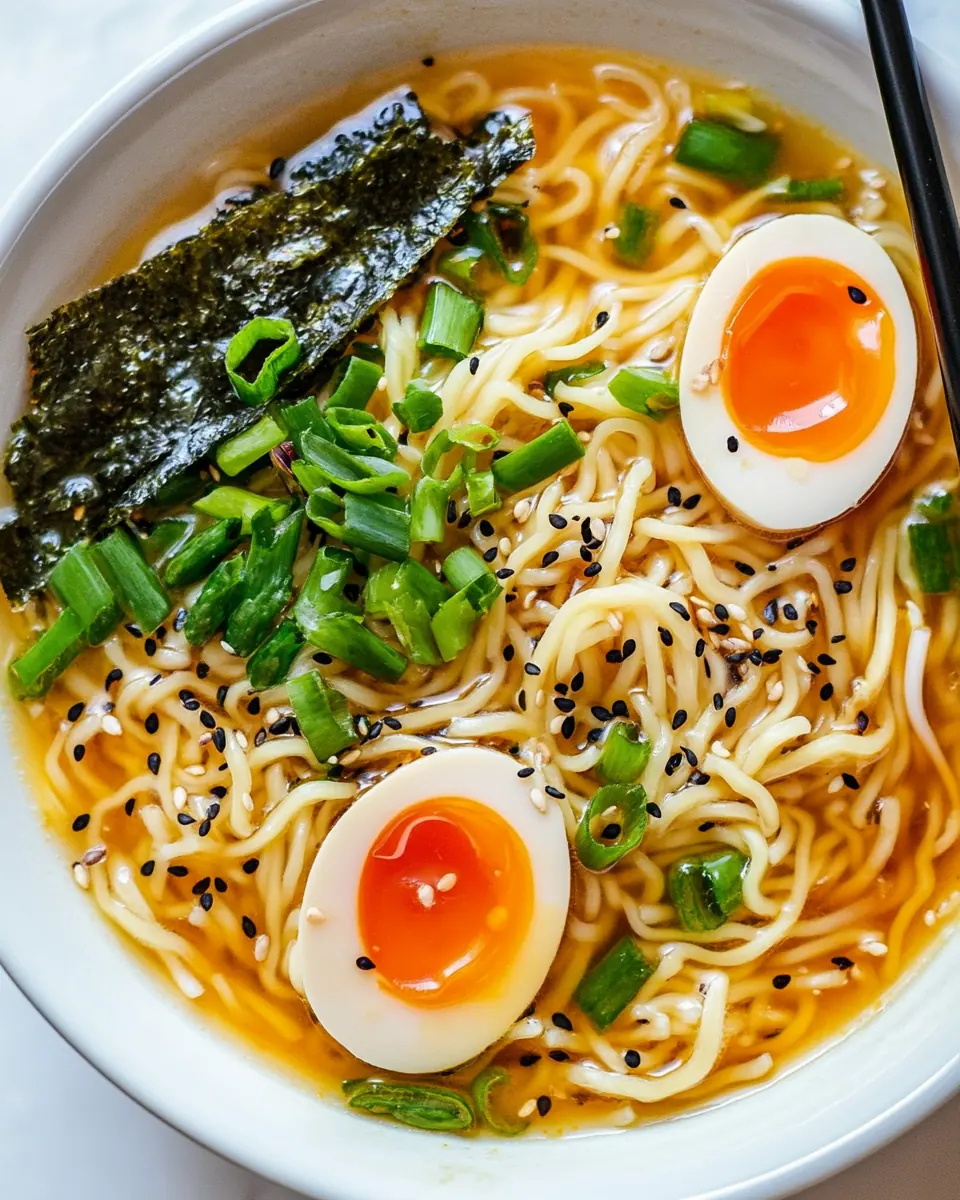
Easy Homemade Ramen
Ingredients
Equipment
Method
- In a large pot, heat olive oil over medium heat. Sauté onion and carrot for 4 minutes or until onions are translucent.: The moment you add oil to the warmed pot you should hear a faint shimmer and see it gloss the surface, which signals even heat distribution. The oil will carry the aromatics and prevent sticking, ensuring the vegetables soften evenly. If the oil smokes, lower the heat immediately to avoid a burned flavor. A common misstep here is rushing the heat, which can cause uneven browning instead of a gentle caramelization.
- Stir in minced garlic and mushrooms until fragrant, and cook for about 1 1/2 minutes.: You will smell a sweet, savory aroma as the onions turn translucent and the carrots start to soften, and you should see glossy edges on the vegetables. This stage builds foundational sweetness that balances the broth, so be patient and stir occasionally to promote even cooking. If the vegetables brown too quickly, reduce heat; burned edges bring bitterness rather than depth.
- Add in ramen noodles, bouillon, and 1 cup of water. Stir in enough chicken broth to create 8 cups of liquid in total. Bring to a boil.: When garlic and mushrooms hit the pan, a wave of fragrance will rise almost immediately, signaling aromatic development. The mushrooms should begin to release their juices and take on a slightly darker tone, softening while adding umami. Keep the movement gentle, scraping up any fond to incorporate those browned bits into the base. Watch the garlic closely because it can turn from fragrant to bitter within seconds if overcooked.
- Stir in soy sauce, 1 tablespoon at a time, tasting as you go. Stir in sesame oil and chard.: As you nestle the noodles and dissolve the bouillon, you will notice the liquid starting to blur with savory scent, and the noodles will begin to hydrate. The bouillon help infuse the entire pot quickly with concentrated flavor, which jumpstarts the broth. Stir to prevent clumping and ensure the bouillon fully dissolves, because undissolved cubes create uneven salty pockets.
- Once noodles are cooked, serve soup hot and garnish with chopped green onions, radishes, a soft-boiled egg, and black sesame seeds.: When you add the remaining broth, the pot should look full and fragrant, with steam rising steadily as it approaches a simmer. This quantity gives you a balanced soup to noodle ratio, allowing the broth to feel abundant without overwhelming the solids. Taste once the liquid is combined, because broth strengths vary and you may need to adjust seasoning. Adding too much undiluted bouillon without tasting is a frequent error, which can make the soup overly salty.
- Bring to a boil: As the surface ripples and larger bubbles rise, the aroma will intensify and the pot will hum with activity, which signals that the cooking phase for the noodles is imminent. Boiling rapidly increases heat transfer so the noodles cook through, but once boiling begins reduce to a gentle rolling boil as needed to avoid excessive agitation. A common mistake is letting the pot roar too hard, causing noodles to break down and become mushy.
- Stir in soy sauce, 1 tablespoon at a time, tasting as you go: Adding soy slowly lets you calibrate salt and umami, and the broth will deepen in color and flavor with each small addition. Tasting is crucial because soy brands vary in intensity; this step prevents oversalting. Stir to fully incorporate and pause to evaluate after each tablespoon. Pouring the entire amount at once risks an intractably salty soup that is hard to fix.
- Stir in sesame oil and chard: When you drizzle in the sesame oil, a warm, toasty aroma will brighten the surface, and the chopped red chard will wilt quickly into the hot liquid, turning vivid and tender. The sesame oil is fragile, so adding it at this stage preserves its fragrance, while the chard contributes freshness and color. Add the greens toward the end to keep them from overcooking, which would leave them floppy and less appealing.
- Once noodles are cooked, serve soup hot and garnish with chopped green onions, radishes, a soft boiled egg, and black sesame seeds: The last moment is sensory rich, with steam carrying the combined scents and the bowl presenting contrasting textures. Break the soft yolk gently so it melds into the broth, sprinkle the radishes and green onion for crisp contrast, and finish with the nutty crunch of the toasted black sesame seeds. Serve immediately to maintain the noodle texture and garnish brightness. Waiting too long before serving leads to soggy noodles and wilted garnishes, which dull the experience.
Notes
- Use udon or fresh noodles if needed, as mentioned in my notes, these thicker noodles will deliver a chewier texture and soak up broth differently than ramen, making each bite hearty and substantial.
- Control the broth intensity, by choosing 4 cups for a concentrated bowl or up to 6 cups for a lighter, more spoonable soup, which helps you tailor salt and richness.
- Make it more vegetable forward, by increasing the shiitake mushrooms and red chard quantities slightly to add body and umami without changing the core technique.
- Toast your sesame seeds, in a dry pan for a minute until fragrant to amplify their nutty crunch and add aromatic depth to each finished bowl.
- Prep garnishes ahead, slice the radishes and chop the green onion in advance so assembly is quick and the final bowl stays fresh and bright at service.