Preheat the oven to 350°F. Set out a 9 x 13 inch baking dish. Line the baking dish with parchment paper, so you can easily lift the whole sheet of lemon brownies out of the pan once they are baked.: The kitchen should smell faintly warm as the oven comes up to temperature, and that even heat is the foundation for an even bake. Because the recipe is short, making sure your oven actually reaches 350°F before you slide the pan in prevents underbaked centers and overly browned edges. One common mistake is putting the pan in too early, which can leave the center unset; take a minute to confirm the thermostat reads steady 350°F .
Set out a large mixing bowl. Combine the flour, sugar, cornstarch, and salt. Whisk well. Then vigorously whisk in the melted butter and eggs, until smooth.: When you line the baking dish with parchment, you will hear a soft crinkle and be able to lift the whole sheet out later, which keeps the bars intact. The parchment creates a clean border and an easy way to remove squares. Avoid using unlined pans unless you plan to grease heavily, because sticking is a frequent issue.
Add the lemon zest, lemon juice, lemon extract, and vanilla extract, whisk again until the mixture is very smooth.: Laying the parchment so it overhangs the long sides makes for effortless removal, and the edges give you handles to lift the whole slab out once cooled. Smooth the parchment so batter spreads evenly without pooling at the edges. A common oversight is folding parchment too tightly, which can cause batter to collect in creases; smooth it flat for best results.
Scoop the lemon brownie batter into the prepared pan. Smooth it out into an even layer. Bake for approximately 15 minutes, until a toothpick inserted in the center comes out mostly clean. You do not want to overbake these bars; the fudgy texture is what makes them feel like brownies.: Having a roomy bowl allows you to whisk with vigor without spills, which helps ingredients blend smoothly. The sound of a vigorous whisk is satisfying and indicates your mixture is coming together. Using a bowl that is too small often results in splatter and uneven mixing.
Allow the lemon brownies to cool.: When you whisk these dry ingredients, you should see an even pale mixture, free of lumps, and smell a faint wheaty sweetness. Whisking aerates slightly, helping the texture. Skipping this step or not whisking thoroughly can leave pockets of cornstarch or unblended salt.
Set out a clean bowl for the glaze, and whisk together the powdered sugar and additional lemon juice. Once smooth, pour the glaze over the top of the lemon brownies and smooth it out with a rubber spatula. Allow the brownies to continue cooling to room temperature as the glaze sets.: A thorough whisk not only blends but allows you to notice any inconsistencies in texture, like tiny clumps. The mix should look uniform and feel fine between your fingers. A common mistake is under whisking, which can lead to uneven crumb and spots of starch in the final bars.
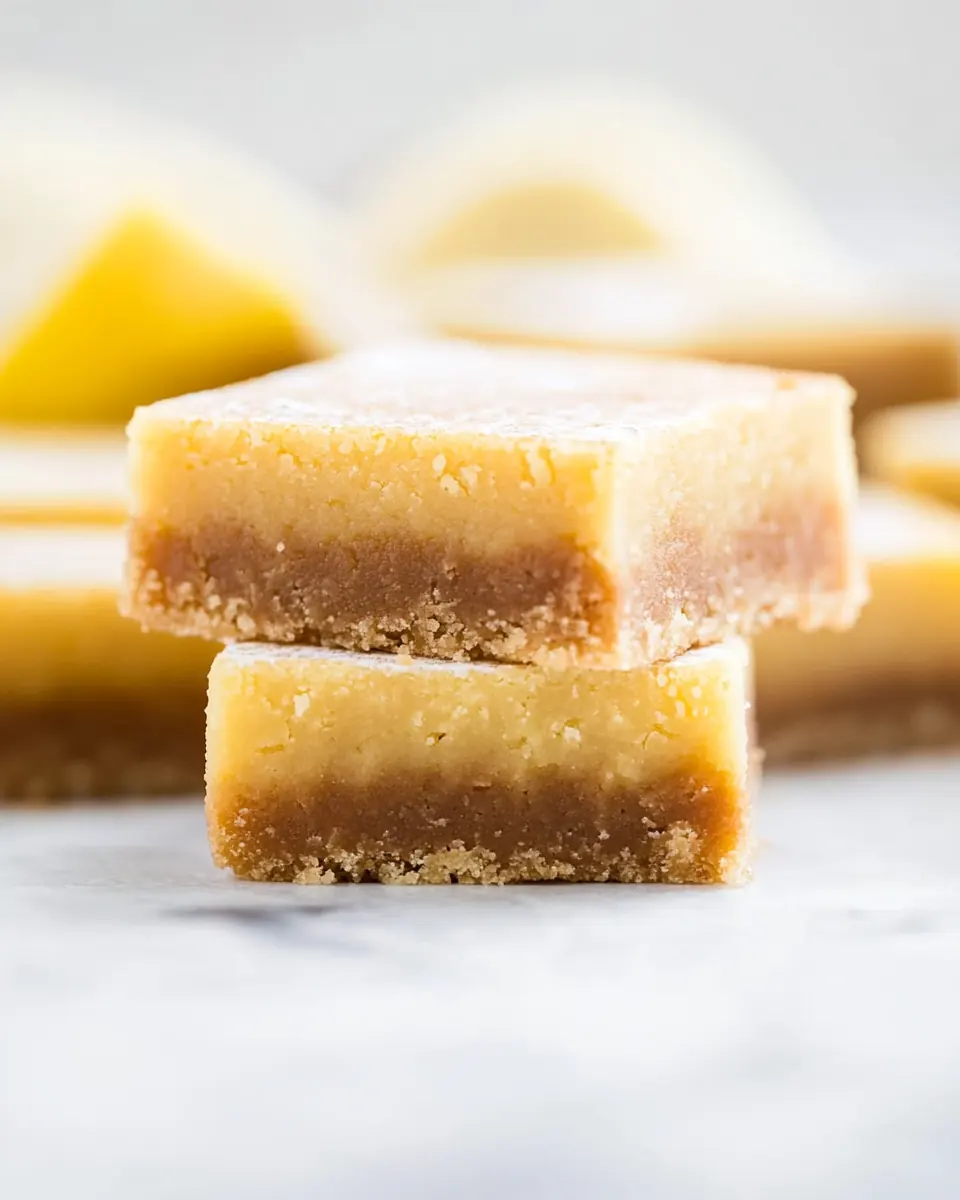
Once the glaze is fully set, lift the entire sheet of lemon brownies out of the pan by the edges of the parchment paper. Cut into squares and serve!: You want the batter to turn silky and glossy, with the whisk leaving trails that slowly smooth out. The melted butter should be warm but not hot, so it integrates without cooking the eggs. If your butter is too hot, it may scramble the eggs and ruin the texture, so allow it to cool slightly before adding.
Add the lemon zest, lemon juice, lemon extract, and vanilla extract: As you whisk these in, the batter will release a citrus perfume that lifts the whole bowl; that aroma is a reliable preview of the finished flavor. The combination of zest and juice gives both bright aroma and clean acidity. If you skip the zest, you lose the concentrated citrus oils that make the bars sing.
Whisk again until the mixture is very smooth: Aim for a batter that is glossy and free of streaks, with no visible lumps of flour or pockets of unincorporated egg. The sound becomes quieter as the batter smooths, and the surface will look elastic. Overmixing can develop gluten and create a firmer texture, so stop once smooth.
Scoop the lemon brownie batter into the prepared pan: Use a spatula to transfer and then tap the pan gently on the counter to settle the batter, which will help any air bubbles rise and escape. Visually, the batter should fill the pan in an even layer with a satiny sheen. If you leave deep divots, the crumb will bake unevenly, so smooth it gently.
Smooth it out into an even layer: A gentle, even swipe with an offset spatula will give a uniform thickness that bakes consistently. The surface should look flat with a subtle gloss, and you may notice a few tiny air bubbles pop and settle. If the layer is uneven, some parts will overbake while others remain too soft.
Bake for approximately 15 minutes: As the oven works, you may catch a faint sweet, buttery scent rising, and the edges will start to set and barely pull away from the parchment. The center should be mostly set but still slightly moist when you insert a toothpick, which is the sweet spot for fudgy bars. A common mistake is leaving them in too long, which results in a cakier texture rather than fudgy.
Until a toothpick inserted in the center comes out mostly clean: Look for a few moist crumbs clinging to the toothpick rather than wet batter; that indicates a tender, fudgy interior. The top may have a slight sheen and tiny cracks, and the edges will be a touch firmer. If the toothpick comes out very wet, they need a few more minutes; if it is completely dry, they may be overbaked.
Allow the lemon brownies to cool: Cooling is where the bars finish setting and the flavors mellow, and the room will be filled with a lingering citrus scent that makes it hard to wait. Cooling also prevents the glaze from sliding off when applied. Cutting too soon while still hot can lead to smearing and a gummy texture.
Set out a clean bowl for the glaze, and whisk together the powdered sugar and additional lemon juice: The glaze should come together into a smooth, glossy mixture that catches the light. Start with less juice and add until you reach a pourable but not watery consistency. If it is too thin the glaze will run off the sides; if too thick it will be clumpy, so adjust gradually.
Once smooth, pour the glaze over the top of the lemon brownies and smooth it out with a rubber spatula: Pouring should create a thin, even layer that begins to set as it cools, with a delicate sheen. Use a light hand when smoothing to avoid disturbing the bars underneath. Rushing this step can cause the glaze to pool irregularly or crack as it sets.
Allow the brownies to continue cooling to room temperature as the glaze sets: As they cool, the glaze will firm to a tender shell and the bars will be easier to cut cleanly. This is a good time to savor the aroma and plan how you will plate them. Cutting while too warm often causes the glaze to smear and the squares to fall apart.
Once the glaze is fully set, lift the entire sheet of lemon brownies out of the pan by the edges of the parchment paper: The lift will feel satisfying as the slab releases cleanly, and you can transfer it to a cutting board for neat slices. The underside should be lightly golden and tender. Forcing removal before the glaze firms can damage edges and sides.
Cut into squares and serve: Use a sharp knife, wiping it between cuts for tidy edges, and you will reveal neat, glossy squares with a tender interior. The first bite should deliver a bright lemon pop followed by buttery richness. If the knife drags, chill briefly to firm the glaze and crumb before slicing.