Easy Lemon Brownies
Easy Lemon Brownies began as a sunny experiment in my tiny kitchen the week spring finally felt like it was here. I wanted something that tasted like a lemon bar but had the comforting, fudgy bite of a brownie, and after a few tries I landed on a version that felt like a bright hug in every square. I still remember zesting those first lemons while my radio played an old favorite, feeling oddly triumphant when the batter came together smooth and glossy.
Over the years I’ve made these for potlucks, afternoon visits, and an impromptu picnic where they vanished faster than I could pack plates. What I love most is how the tart lemon notes cut through the buttery, dense crumb, giving each bite a lively contrast. Friends who usually prefer chocolate have come back for seconds, surprised at how indulgent yet fresh these bars feel.
Because they are forgiving, I often pull them together when I want a quick, crowd friendly dessert that still looks thoughtful. I keep the method straightforward, so you can focus on the small rituals that make baking calm, like scraping the bowl with a spatula and taking a moment to admire that glossy batter. If you are someone who loves citrus with texture and a glossy glaze that sets into a delicate crackle, these will become a go to.
Recipe Snapshot
30 mins
15 mins
15 mins
Medium
150 kcal
American
Gluten-Free, Low FODMAP
Desserts
9 x 13 inch baking dish, Parchment paper, Large mixing bowl, Whisk, Rubber spatula
Why This Easy Lemon Brownies Shines
They balance tart and rich in a single bite
I love how the bright, zesty notes of lemon are balanced by the rich, buttery base. The combination gives a layered eating experience, where the tang wakes up your palate and the dense crumb offers comfort. For me, that contrast keeps people reaching for another square.
Simple pantry ingredients, big payoff
One reason I keep making Easy Lemon Brownies is that they use everyday staples like all purpose flour and granulated sugar. When you can make something special from what is already in the pantry, it becomes an effortless go to for last minute guests or weeknight baking that still feels celebratory.
Quick to make, easy to share
I often need treats that are fast and transportable. These bars bake in a short time and lift out of the pan neatly thanks to parchment. That convenience matters when I am rushing out the door to a gathering, and it makes portioning simple when I bring them to a friend.
Texture that surprises
The fudgy interior paired with a thin, tangy glaze gives Easy Lemon Brownies a slightly chewy center and a bright finish. I aim for a mostly clean toothpick, but still slightly moist crumbs, because that keeps the bars indulgent rather than dry. This texture contrast is a big reason they stand out on a dessert table.
Adaptable and forgiving
Finally, these bars are forgiving. If you underbake a touch they stay fudgy, and if you overmix a little they still hold together. I like recipes that allow you to learn as you go without punishing mistakes, and this one fits that bill perfectly.
Ingredients Overview for Easy Lemon Brownies
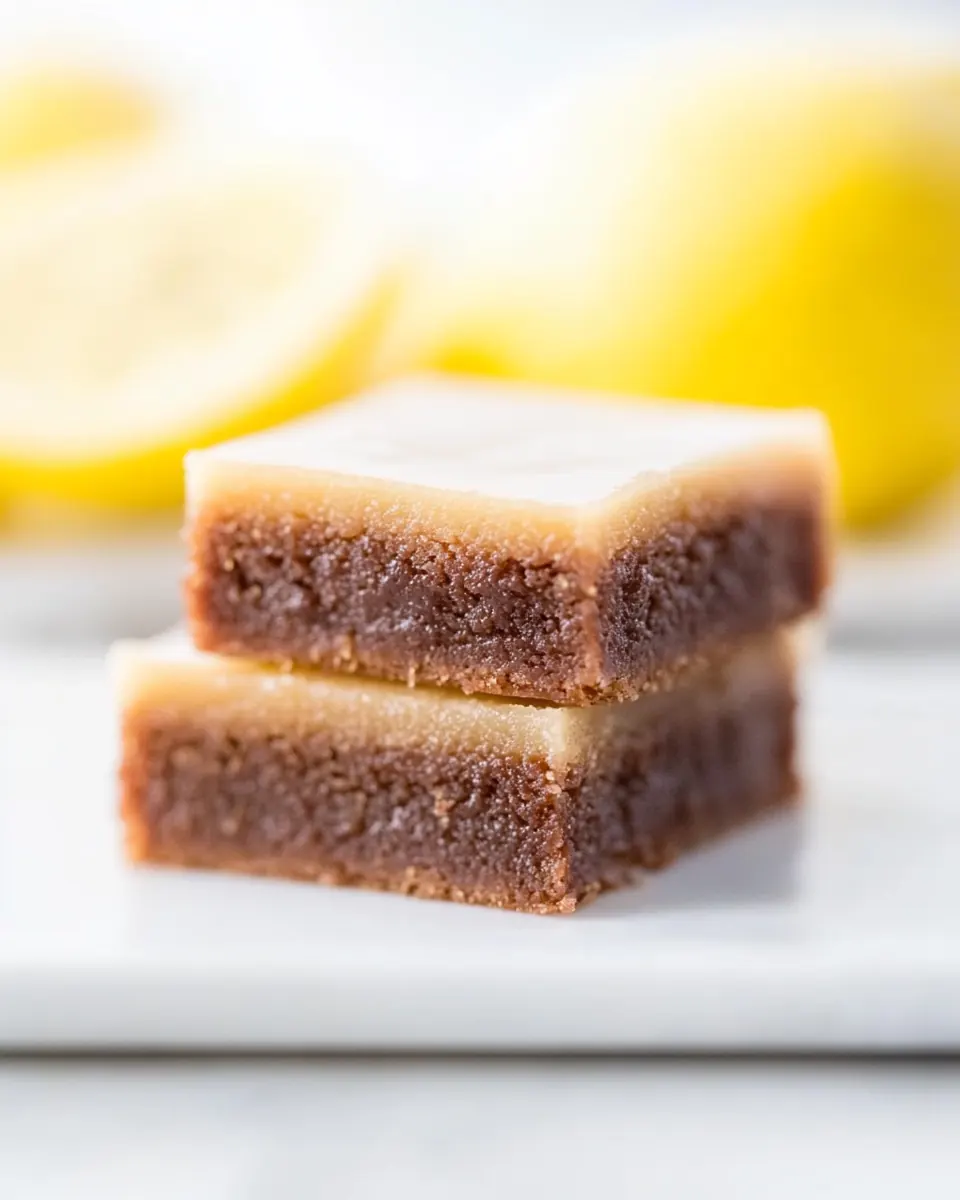
These ingredients are all about a few strong roles, each one contributing to texture, structure, or flavor. The dry items give body and lift, the butter provides richness, and the citrus components bring brightness. Treating each ingredient with simple care is what makes the end result sing.
- 1 3/4 cups all-purpose flour: Provide structure and bulk to the batter, creating the framework that holds the lemon brownies together. Sift or whisk before measuring to ensure even distribution and avoid lumps. Contribute to the final crumb and texture when combined with the other dry ingredients.
- 1 1/4 cup granulated sugar: Add sweetness and help tenderize the crumb while aiding in browning during baking. Dissolve into the batter to balance the tart lemon flavors and complement the powdered sugar glaze. Adjusts the overall sweetness level and influences moisture retention.
- 1/4 cup cornstarch: Act as a tenderizer by preventing excess gluten formation, yielding a softer, more delicate brownie texture. Combine evenly with the flour to ensure consistent distribution and smooth batter. Help absorb some moisture and contribute to subtle lightness in the finished product.
- 1/2 teaspoons salt: Enhance and balance flavors while stabilizing leavening reactions, ensuring the brownie doesn't taste flat. Dissolve into the dry mix to uniformly season the batter and control sweetness perception. Small quantity nonetheless crucial for flavor harmony.
- 1 cup melted butter: Provide richness, moisture, and a velvety mouthfeel that contributes to fudgy brownies. Melt before incorporating to evenly distribute fat throughout the batter, improving texture and preventing greasy pockets. Also helps carry and amplify lemon and vanilla aromas.
- 4 large eggs: Bind ingredients together, contribute to structure and richness, and help leaven the brownies slightly for a tender crumb. Beat until combined to incorporate some air and achieve a uniform batter. Also contribute to color and overall mouthfeel when baked.
- 3 tablespoons lemon zest from 4-5 lemons: Deliver concentrated citrus aroma and bright, zesty flavor that defines the lemon character of the brownies. Finely grate zest to avoid bitterness and distribute oils throughout the batter for maximum fragrance. Use fresh lemons for the most vibrant results.
- 3 tablespoons lemon juice: Provide fresh acidity and tart lemon flavor that balances the sugar and enhances overall brightness in the brownies. Add to the batter to react subtly with other ingredients and intensify citrus notes. Fresh juice ensures natural flavor and aroma.
- 1 teaspoon lemon extract: Concentrate and intensify lemon flavor without additional liquid, reinforcing the citrus profile. Add a small amount to boost aroma and sweetness perception without altering batter consistency. Use sparingly to avoid an artificial taste.
- 1 teaspoon vanilla extract: Round out and deepen the dessert's flavor profile with warm, sweet aromatic notes that enhance the lemon components. Add to the batter to complement citrus and balance sharpness, bringing complexity to the final brownie. A little goes a long way for aroma.
- 2 cups powdered sugar: Create a smooth, sweet glaze or dusting that contrasts the tart lemon flavors and adds a melt-in-your-mouth finish. Sift before use to avoid lumps and mix with lemon juice to form a glossy topping. Also adds visual appeal with a bright, sweet layer.
- 3 tablespoons lemon juice: Provide additional acidity for glazing or finishing, balancing powdered sugar and boosting fresh lemon flavor in the topping. Use with powdered sugar to create a pourable glaze that sets to a shiny finish. Adds a sharp, clean citrus note to the final presentation.
Preparation Steps for Easy Lemon Brownies
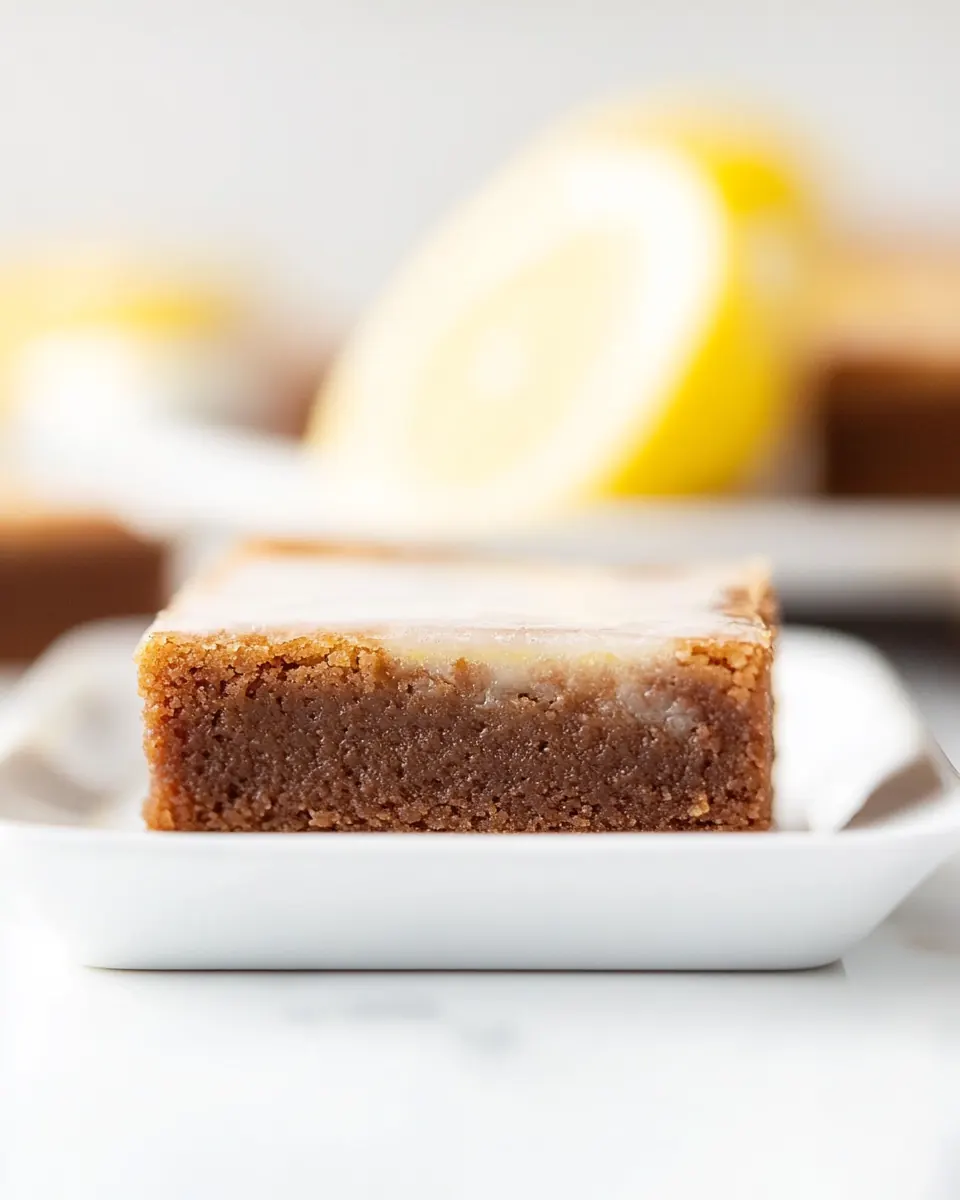
These directions are straightforward but full of sensory cues that help you know when you are on track. Below I expand each instruction into a detailed, personal step so you can bake confidently and enjoy the process.
- Preheat the oven to 350°F. Set out a 9 x 13 inch baking dish. Line the baking dish with parchment paper, so you can easily lift the whole sheet of lemon brownies out of the pan once they are baked.: The kitchen should smell faintly warm as the oven comes up to temperature, and that even heat is the foundation for an even bake. Because the recipe is short, making sure your oven actually reaches 350°F before you slide the pan in prevents underbaked centers and overly browned edges. One common mistake is putting the pan in too early, which can leave the center unset; take a minute to confirm the thermostat reads steady 350°F .
- Set out a large mixing bowl. Combine the flour, sugar, cornstarch, and salt. Whisk well. Then vigorously whisk in the melted butter and eggs, until smooth.: When you line the baking dish with parchment, you will hear a soft crinkle and be able to lift the whole sheet out later, which keeps the bars intact. The parchment creates a clean border and an easy way to remove squares. Avoid using unlined pans unless you plan to grease heavily, because sticking is a frequent issue.
- Add the lemon zest, lemon juice, lemon extract, and vanilla extract, whisk again until the mixture is very smooth.: Laying the parchment so it overhangs the long sides makes for effortless removal, and the edges give you handles to lift the whole slab out once cooled. Smooth the parchment so batter spreads evenly without pooling at the edges. A common oversight is folding parchment too tightly, which can cause batter to collect in creases; smooth it flat for best results.
- Scoop the lemon brownie batter into the prepared pan. Smooth it out into an even layer. Bake for approximately 15 minutes, until a toothpick inserted in the center comes out mostly clean. You do not want to overbake these bars; the fudgy texture is what makes them feel like brownies.: Having a roomy bowl allows you to whisk with vigor without spills, which helps ingredients blend smoothly. The sound of a vigorous whisk is satisfying and indicates your mixture is coming together. Using a bowl that is too small often results in splatter and uneven mixing.
- Allow the lemon brownies to cool.: When you whisk these dry ingredients, you should see an even pale mixture, free of lumps, and smell a faint wheaty sweetness. Whisking aerates slightly, helping the texture. Skipping this step or not whisking thoroughly can leave pockets of cornstarch or unblended salt.
- Set out a clean bowl for the glaze, and whisk together the powdered sugar and additional lemon juice. Once smooth, pour the glaze over the top of the lemon brownies and smooth it out with a rubber spatula. Allow the brownies to continue cooling to room temperature as the glaze sets.: A thorough whisk not only blends but allows you to notice any inconsistencies in texture, like tiny clumps. The mix should look uniform and feel fine between your fingers. A common mistake is under whisking, which can lead to uneven crumb and spots of starch in the final bars.
- Once the glaze is fully set, lift the entire sheet of lemon brownies out of the pan by the edges of the parchment paper. Cut into squares and serve!: You want the batter to turn silky and glossy, with the whisk leaving trails that slowly smooth out. The melted butter should be warm but not hot, so it integrates without cooking the eggs. If your butter is too hot, it may scramble the eggs and ruin the texture, so allow it to cool slightly before adding.
- Add the lemon zest, lemon juice, lemon extract, and vanilla extract: As you whisk these in, the batter will release a citrus perfume that lifts the whole bowl; that aroma is a reliable preview of the finished flavor. The combination of zest and juice gives both bright aroma and clean acidity. If you skip the zest, you lose the concentrated citrus oils that make the bars sing.
- Whisk again until the mixture is very smooth: Aim for a batter that is glossy and free of streaks, with no visible lumps of flour or pockets of unincorporated egg. The sound becomes quieter as the batter smooths, and the surface will look elastic. Overmixing can develop gluten and create a firmer texture, so stop once smooth.
- Scoop the lemon brownie batter into the prepared pan: Use a spatula to transfer and then tap the pan gently on the counter to settle the batter, which will help any air bubbles rise and escape. Visually, the batter should fill the pan in an even layer with a satiny sheen. If you leave deep divots, the crumb will bake unevenly, so smooth it gently.
- Smooth it out into an even layer: A gentle, even swipe with an offset spatula will give a uniform thickness that bakes consistently. The surface should look flat with a subtle gloss, and you may notice a few tiny air bubbles pop and settle. If the layer is uneven, some parts will overbake while others remain too soft.
- Bake for approximately 15 minutes: As the oven works, you may catch a faint sweet, buttery scent rising, and the edges will start to set and barely pull away from the parchment. The center should be mostly set but still slightly moist when you insert a toothpick, which is the sweet spot for fudgy bars. A common mistake is leaving them in too long, which results in a cakier texture rather than fudgy.
- Until a toothpick inserted in the center comes out mostly clean: Look for a few moist crumbs clinging to the toothpick rather than wet batter; that indicates a tender, fudgy interior. The top may have a slight sheen and tiny cracks, and the edges will be a touch firmer. If the toothpick comes out very wet, they need a few more minutes; if it is completely dry, they may be overbaked.
- Allow the lemon brownies to cool: Cooling is where the bars finish setting and the flavors mellow, and the room will be filled with a lingering citrus scent that makes it hard to wait. Cooling also prevents the glaze from sliding off when applied. Cutting too soon while still hot can lead to smearing and a gummy texture.
- Set out a clean bowl for the glaze, and whisk together the powdered sugar and additional lemon juice: The glaze should come together into a smooth, glossy mixture that catches the light. Start with less juice and add until you reach a pourable but not watery consistency. If it is too thin the glaze will run off the sides; if too thick it will be clumpy, so adjust gradually.
- Once smooth, pour the glaze over the top of the lemon brownies and smooth it out with a rubber spatula: Pouring should create a thin, even layer that begins to set as it cools, with a delicate sheen. Use a light hand when smoothing to avoid disturbing the bars underneath. Rushing this step can cause the glaze to pool irregularly or crack as it sets.
- Allow the brownies to continue cooling to room temperature as the glaze sets: As they cool, the glaze will firm to a tender shell and the bars will be easier to cut cleanly. This is a good time to savor the aroma and plan how you will plate them. Cutting while too warm often causes the glaze to smear and the squares to fall apart.
- Once the glaze is fully set, lift the entire sheet of lemon brownies out of the pan by the edges of the parchment paper: The lift will feel satisfying as the slab releases cleanly, and you can transfer it to a cutting board for neat slices. The underside should be lightly golden and tender. Forcing removal before the glaze firms can damage edges and sides.
- Cut into squares and serve: Use a sharp knife, wiping it between cuts for tidy edges, and you will reveal neat, glossy squares with a tender interior. The first bite should deliver a bright lemon pop followed by buttery richness. If the knife drags, chill briefly to firm the glaze and crumb before slicing.
Pro Tips and Tweaks
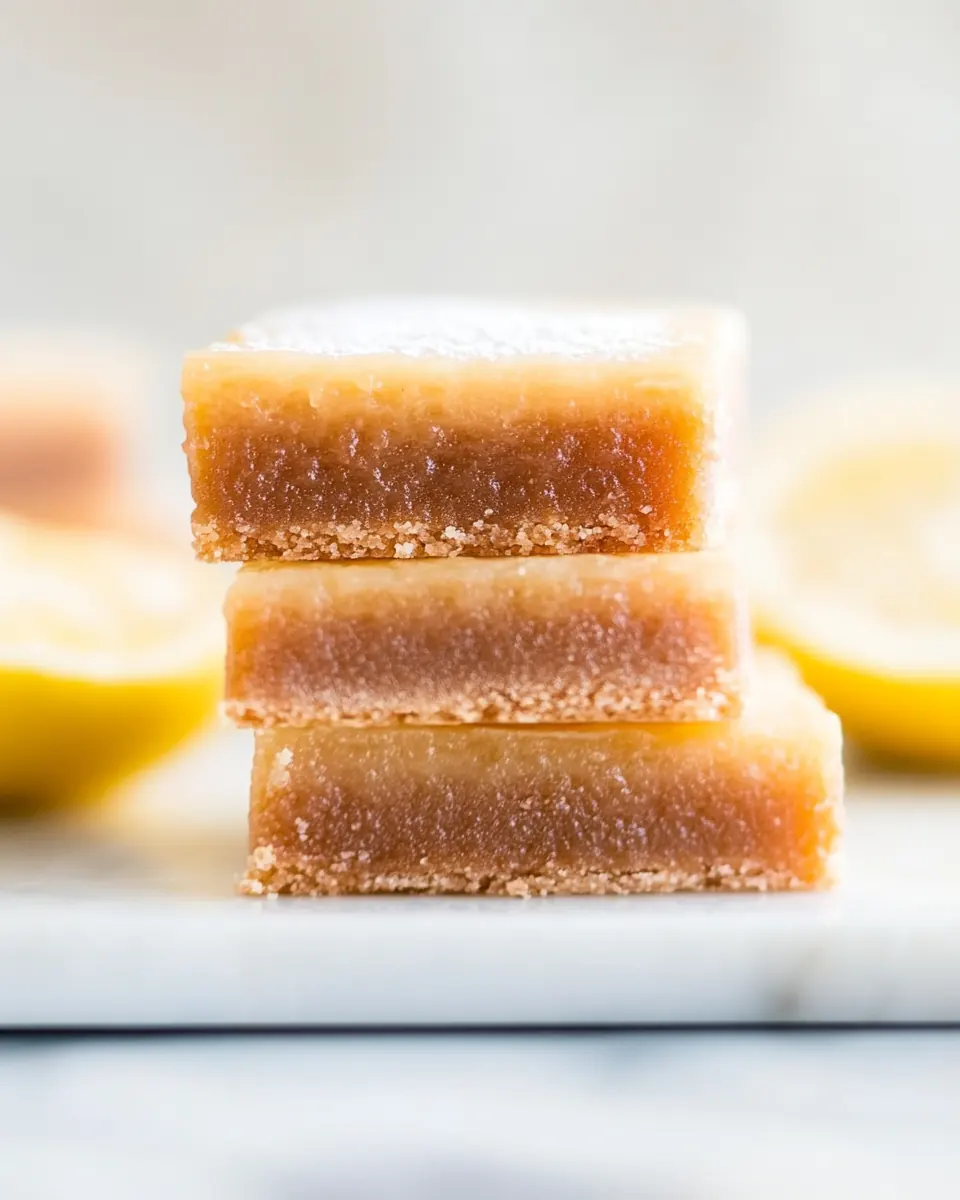
I find a few small habits improve outcomes significantly, from measuring technique to final slicing. Below are practical, tested tips that will help you get consistent, bakery style results at home.
- Measure flour by spooning and leveling to avoid compacted flour that dries out the bars; if you scoop directly with the cup you may add too much.
- Room temperature eggs incorporate better, which helps create a smooth, homogeneous batter and improves rise and texture.
- Cool the pan before glazing so the glaze sets on the surface rather than melting into the bars and losing its sheen.
- Use fresh lemons for both zest and juice because bottled juice lacks the bright aromatic oils present in fresh citrus, changing the character.
- Tap the pan on the counter after filling to release trapped air bubbles that could cause holes or uneven crumb in the finished bars.
- Use a sharp knife and clean it between cuts to achieve neat squares with glossy edges; a smeared knife leaves rough sides and sticky bits.
- Store in an airtight container at room temperature for up to three to four days, or refrigerate if you prefer a firmer texture for up to five to six days.
Pairing Suggestions for Easy Lemon Brownies
These bright, buttery bars pair well with simple accompaniments and can be dressed up for many occasions. Below are ideas for serving, storing, and matching them with beverages and moments.
- Serve with a dollop of whipped cream for an elegant finish, especially when you want a light contrast to the dense crumb.
- Pair with fresh berries like raspberries or strawberries to enhance the fruity brightness and add a juicy counterpoint.
- Bring to a spring picnic where the citrus notes complement outdoor freshness and they travel well if wrapped in parchment.
- Offer as a tea time treat served warm or at room temperature alongside light black tea or herbal blends that do not overpower the lemon.
- Store short term in an airtight container at room temperature for easy access; refrigerate if your kitchen is warm or you prefer a firmer texture.
- Freeze individually wrapped squares for long term keeping; thaw at room temperature for 30 minutes to regain tenderness.
FAQ
Conclusion
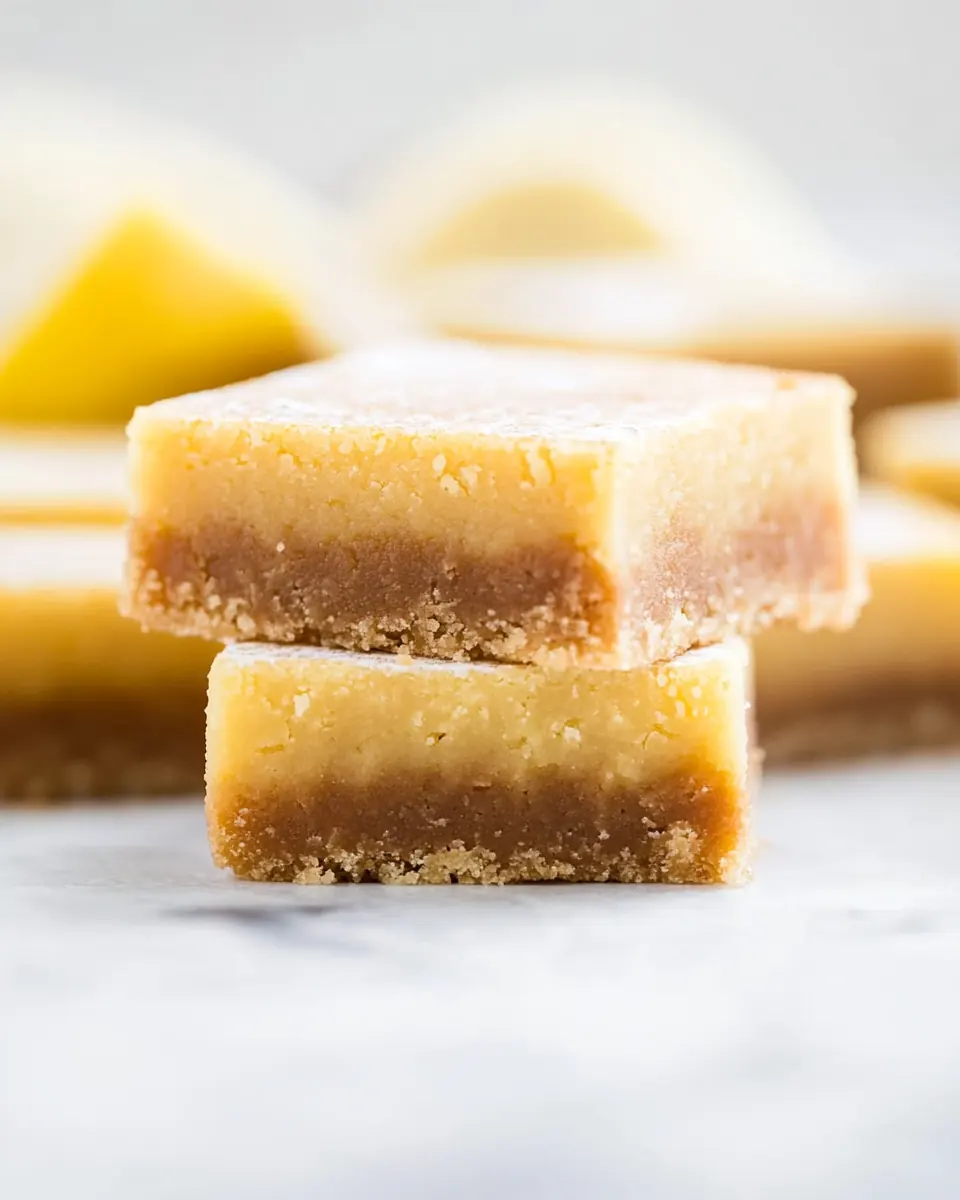
What makes this recipe special is the bright lemon flavor married to a fudgy, buttery bar texture, delivering a dessert that feels both fresh and indulgent. I encourage you to give these Easy Lemon Brownies a try because they come together quickly and travel well for gatherings, making them a dependable favorite. Enjoy the process of whisking the batter, savor the citrus aroma as the glaze sets, and delight in sharing these squares with friends and family.
Easy Lemon Brownies
Ingredients
Equipment
Method
- Preheat the oven to 350°F. Set out a 9 x 13 inch baking dish. Line the baking dish with parchment paper, so you can easily lift the whole sheet of lemon brownies out of the pan once they are baked.: The kitchen should smell faintly warm as the oven comes up to temperature, and that even heat is the foundation for an even bake. Because the recipe is short, making sure your oven actually reaches 350°F before you slide the pan in prevents underbaked centers and overly browned edges. One common mistake is putting the pan in too early, which can leave the center unset; take a minute to confirm the thermostat reads steady 350°F .
- Set out a large mixing bowl. Combine the flour, sugar, cornstarch, and salt. Whisk well. Then vigorously whisk in the melted butter and eggs, until smooth.: When you line the baking dish with parchment, you will hear a soft crinkle and be able to lift the whole sheet out later, which keeps the bars intact. The parchment creates a clean border and an easy way to remove squares. Avoid using unlined pans unless you plan to grease heavily, because sticking is a frequent issue.
- Add the lemon zest, lemon juice, lemon extract, and vanilla extract, whisk again until the mixture is very smooth.: Laying the parchment so it overhangs the long sides makes for effortless removal, and the edges give you handles to lift the whole slab out once cooled. Smooth the parchment so batter spreads evenly without pooling at the edges. A common oversight is folding parchment too tightly, which can cause batter to collect in creases; smooth it flat for best results.
- Scoop the lemon brownie batter into the prepared pan. Smooth it out into an even layer. Bake for approximately 15 minutes, until a toothpick inserted in the center comes out mostly clean. You do not want to overbake these bars; the fudgy texture is what makes them feel like brownies.: Having a roomy bowl allows you to whisk with vigor without spills, which helps ingredients blend smoothly. The sound of a vigorous whisk is satisfying and indicates your mixture is coming together. Using a bowl that is too small often results in splatter and uneven mixing.
- Allow the lemon brownies to cool.: When you whisk these dry ingredients, you should see an even pale mixture, free of lumps, and smell a faint wheaty sweetness. Whisking aerates slightly, helping the texture. Skipping this step or not whisking thoroughly can leave pockets of cornstarch or unblended salt.
- Set out a clean bowl for the glaze, and whisk together the powdered sugar and additional lemon juice. Once smooth, pour the glaze over the top of the lemon brownies and smooth it out with a rubber spatula. Allow the brownies to continue cooling to room temperature as the glaze sets.: A thorough whisk not only blends but allows you to notice any inconsistencies in texture, like tiny clumps. The mix should look uniform and feel fine between your fingers. A common mistake is under whisking, which can lead to uneven crumb and spots of starch in the final bars.
- Once the glaze is fully set, lift the entire sheet of lemon brownies out of the pan by the edges of the parchment paper. Cut into squares and serve!: You want the batter to turn silky and glossy, with the whisk leaving trails that slowly smooth out. The melted butter should be warm but not hot, so it integrates without cooking the eggs. If your butter is too hot, it may scramble the eggs and ruin the texture, so allow it to cool slightly before adding.
- Add the lemon zest, lemon juice, lemon extract, and vanilla extract: As you whisk these in, the batter will release a citrus perfume that lifts the whole bowl; that aroma is a reliable preview of the finished flavor. The combination of zest and juice gives both bright aroma and clean acidity. If you skip the zest, you lose the concentrated citrus oils that make the bars sing.
- Whisk again until the mixture is very smooth: Aim for a batter that is glossy and free of streaks, with no visible lumps of flour or pockets of unincorporated egg. The sound becomes quieter as the batter smooths, and the surface will look elastic. Overmixing can develop gluten and create a firmer texture, so stop once smooth.
- Scoop the lemon brownie batter into the prepared pan: Use a spatula to transfer and then tap the pan gently on the counter to settle the batter, which will help any air bubbles rise and escape. Visually, the batter should fill the pan in an even layer with a satiny sheen. If you leave deep divots, the crumb will bake unevenly, so smooth it gently.
- Smooth it out into an even layer: A gentle, even swipe with an offset spatula will give a uniform thickness that bakes consistently. The surface should look flat with a subtle gloss, and you may notice a few tiny air bubbles pop and settle. If the layer is uneven, some parts will overbake while others remain too soft.
- Bake for approximately 15 minutes: As the oven works, you may catch a faint sweet, buttery scent rising, and the edges will start to set and barely pull away from the parchment. The center should be mostly set but still slightly moist when you insert a toothpick, which is the sweet spot for fudgy bars. A common mistake is leaving them in too long, which results in a cakier texture rather than fudgy.
- Until a toothpick inserted in the center comes out mostly clean: Look for a few moist crumbs clinging to the toothpick rather than wet batter; that indicates a tender, fudgy interior. The top may have a slight sheen and tiny cracks, and the edges will be a touch firmer. If the toothpick comes out very wet, they need a few more minutes; if it is completely dry, they may be overbaked.
- Allow the lemon brownies to cool: Cooling is where the bars finish setting and the flavors mellow, and the room will be filled with a lingering citrus scent that makes it hard to wait. Cooling also prevents the glaze from sliding off when applied. Cutting too soon while still hot can lead to smearing and a gummy texture.
- Set out a clean bowl for the glaze, and whisk together the powdered sugar and additional lemon juice: The glaze should come together into a smooth, glossy mixture that catches the light. Start with less juice and add until you reach a pourable but not watery consistency. If it is too thin the glaze will run off the sides; if too thick it will be clumpy, so adjust gradually.
- Once smooth, pour the glaze over the top of the lemon brownies and smooth it out with a rubber spatula: Pouring should create a thin, even layer that begins to set as it cools, with a delicate sheen. Use a light hand when smoothing to avoid disturbing the bars underneath. Rushing this step can cause the glaze to pool irregularly or crack as it sets.
- Allow the brownies to continue cooling to room temperature as the glaze sets: As they cool, the glaze will firm to a tender shell and the bars will be easier to cut cleanly. This is a good time to savor the aroma and plan how you will plate them. Cutting while too warm often causes the glaze to smear and the squares to fall apart.
- Once the glaze is fully set, lift the entire sheet of lemon brownies out of the pan by the edges of the parchment paper: The lift will feel satisfying as the slab releases cleanly, and you can transfer it to a cutting board for neat slices. The underside should be lightly golden and tender. Forcing removal before the glaze firms can damage edges and sides.
- Cut into squares and serve: Use a sharp knife, wiping it between cuts for tidy edges, and you will reveal neat, glossy squares with a tender interior. The first bite should deliver a bright lemon pop followed by buttery richness. If the knife drags, chill briefly to firm the glaze and crumb before slicing.
Notes
- Measure flour by spooning and leveling to avoid compacted flour that dries out the bars; if you scoop directly with the cup you may add too much.
- Room temperature eggs incorporate better, which helps create a smooth, homogeneous batter and improves rise and texture.
- Cool the pan before glazing so the glaze sets on the surface rather than melting into the bars and losing its sheen.
- Use fresh lemons for both zest and juice because bottled juice lacks the bright aromatic oils present in fresh citrus, changing the character.
- Tap the pan on the counter after filling to release trapped air bubbles that could cause holes or uneven crumb in the finished bars.
- Use a sharp knife and clean it between cuts to achieve neat squares with glossy edges; a smeared knife leaves rough sides and sticky bits.
- Store in an airtight container at room temperature for up to three to four days, or refrigerate if you prefer a firmer texture for up to five to six days.