Sift the flour, baking powder and salt into a bowl.: As you sift, you will notice a fine, powdery aroma and a lighter texture in the bowl, which helps the dry ingredients combine evenly. This step prevents lumps and distributes the baking powder and salt so every bite rises consistently. The visual cue is a smooth, homogenous mound of dry mixture without streaks of any single ingredient. A common mistake is skipping sifting, which can lead to uneven pockets of leavener that create small holes during baking.
In a separate bowl using electric beaters or in a standing mixer, cream the butter and sugar for 3 minutes on medium to high speed until light and fluffy.: When creaming, you will hear the rhythmic whir of the mixer and see the mixture become paler and airier, which traps tiny air bubbles that contribute to a delicate crumb. The texture should be silky and spreadable, not oily. This aeration is why cookies develop a soft interior and gentle lift. Under creaming leaves a dense, tight mixture that yields heavy cookies, while over creaming can cause collapse in very delicate batters.
Add the egg and vanilla to the butter mixture and beat until incorporated.: The mixture will look glossy and cohesive once the egg blends in, with a slightly thicker consistency that holds better when you add dry ingredients. You should not see streaks of egg; everything should appear uniform and shiny. This step helps emulsify the fats and liquids so the dough bakes with an even crumb. If the mixture appears broken or curdled, a quick pause and scraping of the bowl with a spatula usually helps bring it back together.
Turn the speed to low and slowly add the flour mixture alternating with the eggnog until the dough comes together.: As you alternate additions, the mixer will move from airy to denser, and you will see the dough begin to cling to the paddle but still fold onto itself, indicating the right balance of moisture and structure. The eggnog adds softness and flavor without making the dough runny when incorporated gradually. A typical error is dumping all liquid at once, which makes a sticky, unmanageable dough.
Place the dough onto a piece of plastic wrap, parchment paper or wax paper and flatten into a round shaped disk.: Pressing into a disk gives even chilling and makes rolling easier later. You will feel the dough firming under your hands, and the surface should be smooth and not cracked. This shape cools uniformly, preventing edges from becoming too hard compared to the center. Avoid flattening too thinly, or the dough will chill into a slab that is difficult to roll evenly.
Wrap the dough disk and chill in the refrigerator until firm, at least thirty minutes to overnight.: Chilling firms the butter and solidifies fats, which helps the cookies hold their shape in the oven and develop clean edges. You will notice the dough losing a tacky quality and becoming cold to the touch. If you try to roll immediately the dough will stick and tear; chilling is essential. Over chilling is rarely harmful, but very long refrigeration can slightly reduce the dough's rollability, so let it sit at room temperature briefly before rolling if it feels too stiff.
Once chilled, preheat oven to 325 degrees.: Preheating sets the stage for predictable baking, and with butter based cookies a moderate oven allows gentle spread while achieving color control. You should see a steady, even warmth in the oven and hear a faint hum from the heating elements. Baking without a fully preheated oven can lead to irregular rise and color, so always wait until the target temperature stabilizes.
Let dough sit for about 10 minutes or until soft enough to roll out.: Leaving the chilled dough to warm slightly makes it pliable but not soft, so it rolls without cracking. You will sense the change as the dough yields under the rolling pin instead of shattering. This short rest prevents tearing and helps you get even thickness. If you skip this step and force rolling, the dough can crack and produce uneven cookies.
Using a lightly floured rolling pin, roll the dough out onto a lightly floured surface until 1/4 inch thick and even.: As you roll, the dough surface should be smooth and free of large cracks, and a light dusting of flour will prevent sticking without drying the edges. The even thickness ensures uniform baking so all cookies finish at the same time. Watch for thin spots which will brown faster; patch them gently rather than overworking the dough.
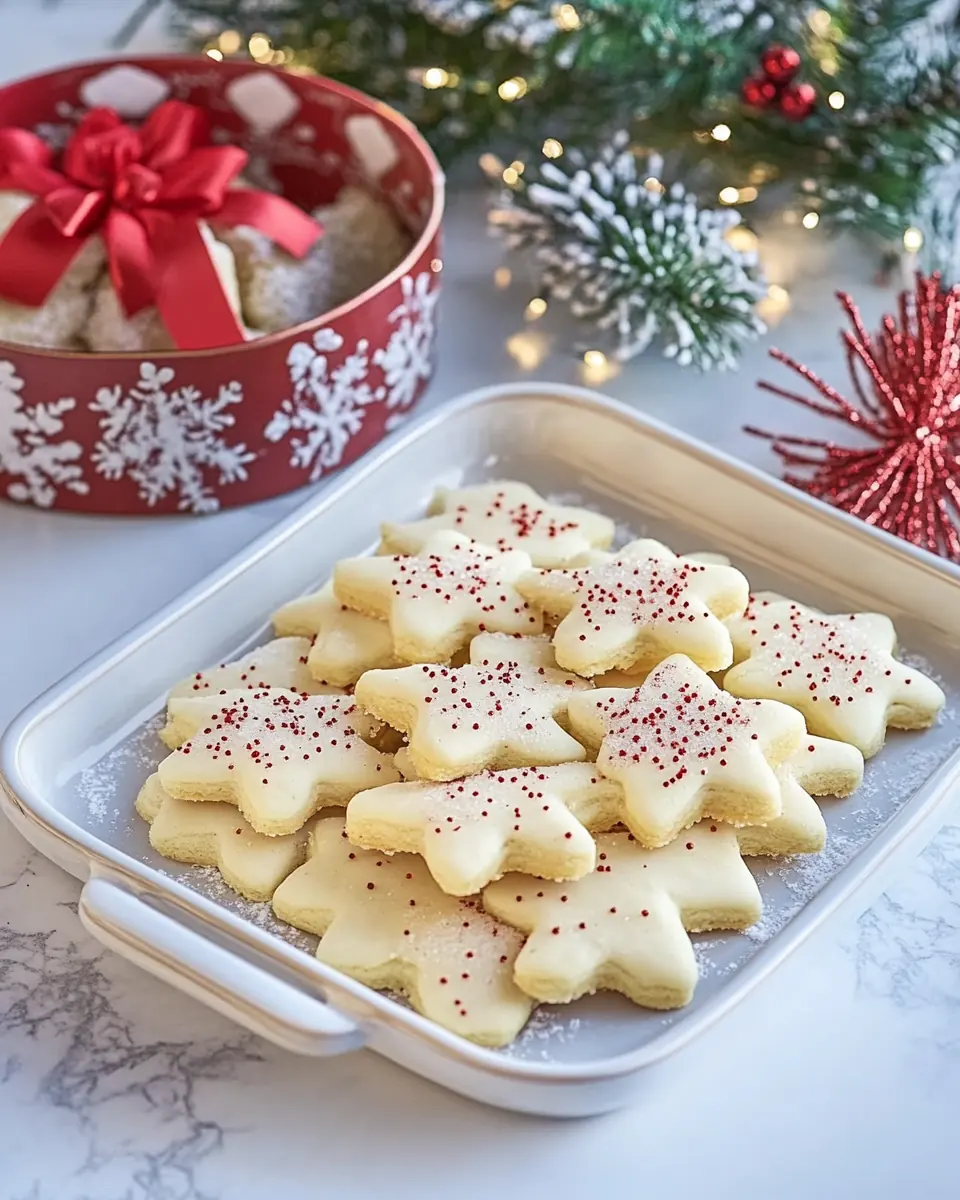
Use cookie cutters to cut out desired shapes (I like to start at one end of the dough placing the cookie cutters close together).: Cutting closely conserves dough and results in uniform shapes. You will hear a clean press and see sharp edges on the cut cookies, which signals a good cut. Lift the cutter straight up to avoid stretching the shapes, and gather scraps to reroll once or twice. Overworking scraps makes the dough tougher and the cookies denser.
Using a spatula, transfer the cut-outs onto a cookie sheet (preferably a lined-silpat cookie sheet).: Sliding the thin spatula under each shape preserves its edge and prevents distortion. The transfer should be confident, and you will notice the cookies sitting flat and evenly spaced on the sheet, which allows hot air to circulate. If cookies wobble or sag, chill the sheet for a few minutes before baking to preserve shape.
Bake for 10-12 minutes for small cookies and 12-14 minutes for larger cookies rotating the sheet pan halfway through until edges turn golden.: During baking you will see the edges set and the centers remain a touch pale, which is the cue to remove them for the softest texture. A light golden edge indicates caramelization of sugars and perfectly baked cookies. Avoid overbaking as cookies continue to firm as they cool; letting them go too long yields crunchy rather than tender results.
Cool cookies on a rack.: Cooling on a rack allows air to circulate underneath, preventing sogginess and preserving crisp edges. You will feel the temperature drop and notice the cookies set to the right texture in about ten minutes. Trying to ice piping on hot cookies will melt the glaze, so be patient and cool completely for best decorating results.
Combine the ingredients in a bowl.: For the glaze, mixing the powdered sugar with milk creates a glossy, spreadable icing; add milk gradually until the consistency is slightly thick but pourable. You will see the mixture transform from powder to a velvety gloss, and the aroma will be sweet and clean. A common pitfall is making the glaze too thin, which will run off the cookie and pool at the base.
Use to decorate the cookies.: Decorating is where these cookies become personal, and you will feel creative as you pipe, flood, and sprinkle. The glaze should hold decorations and set to a matte finish if left undisturbed. Avoid stacking decorated cookies until completely dry to prevent smudging.