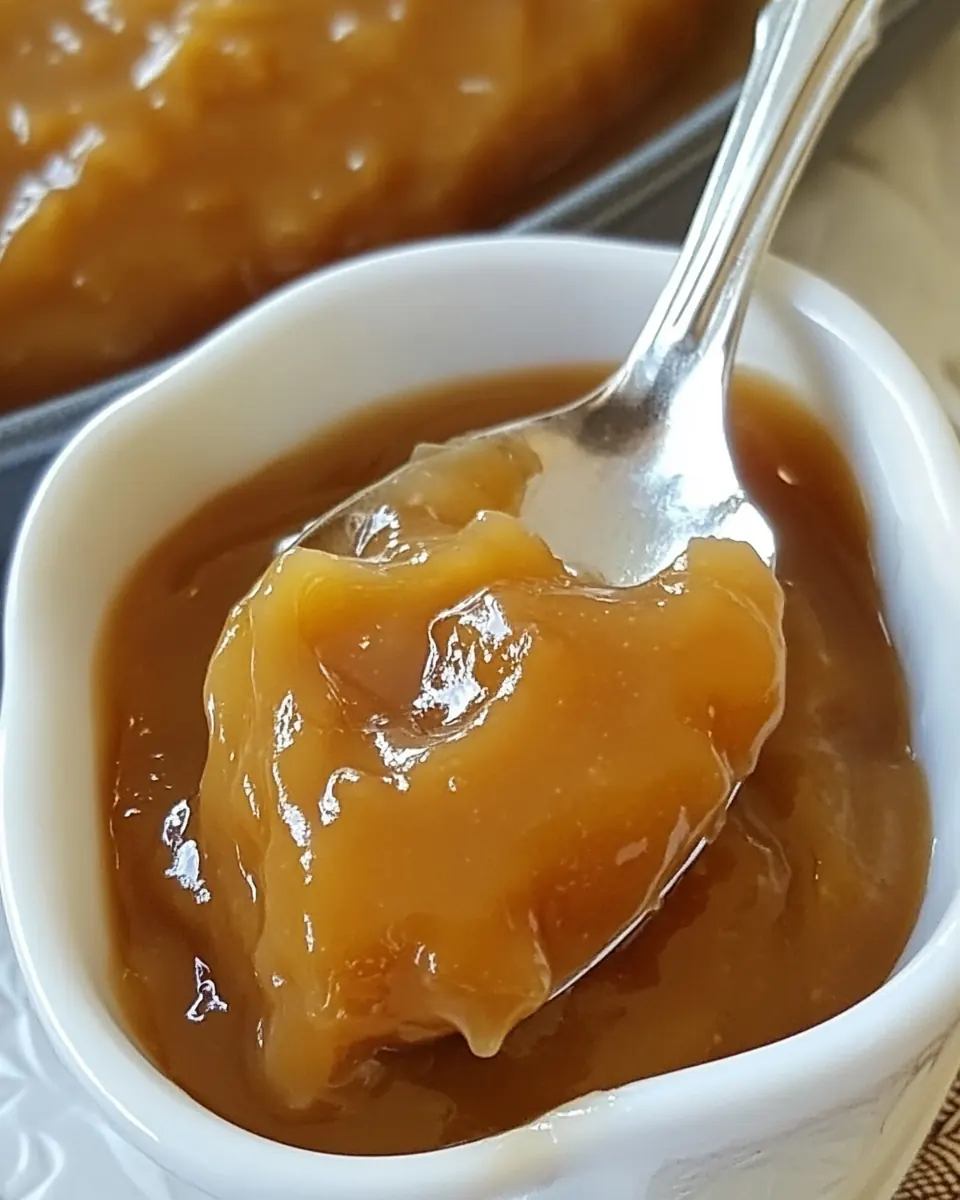
Place the heavy cream, brown sugar, salt and butter in a medium sauce pan over medium heat and let the brown sugar dissolve completely, stirring as little as possible to avoid the sugar granules from splashing up the sides of the pan (this will result in a grainy toffee sauce). Once it's dissolved increase the temperature to medium high. Avoid stirring too much during the initial stages until the sauce begins to turn color. Increase the frequency of stirring as the sauce gets browner to prevent burning. Continue until the sauce is thickened and a dark amber. Remove from heat and stir in the vanilla extract. If the sauce thickens too much or if leftovers are too thick, add a little extra butter and/or heavy cream and reheat. Makes about 1 3/4 cups. Store in the refrigerator where it will keep for up to a month.: As the mixture warms you will first notice the dark brown sugar softening into the creams and butter, releasing a warm molasses perfume that fills the kitchen. The initial stage smells sweet and slightly toasted, and the mixture will look grainy at first as the sugar begins to melt into the dairy. The reason we stir sparingly now is to reduce the chance of wet sugar splashing onto cooler rimmed metal, which can recrystallize and create a grainy sauce, so gentle, infrequent stirring is the right call. A common mistake here is stirring too aggressively, which agitates the sugar crystals and leads to a gritty texture, so be patient and use a long handled spoon to sweep the bottom occasionally to prevent sticking. Keep the heat steady so the ingredients dissolve evenly, and if you spot unmelted granules rub a small sample between your fingers to check for smoothness.
Once it's dissolved increase the temperature to medium high: At this stage the mixture will shift from simply mixed to actively cooking, and you will notice finer steam and a soft sizzling as the sugars concentrate. Increasing the temperature encourages caramelization, which builds that deep toffee flavor, but it also accelerates the risk of burning, so be ready to reduce heat if you notice dark specks forming. You should see the liquid begin to shimmer and develop a pale amber tone before it moves faster toward deeper color. A mistake to avoid is cranking the heat too high and walking away, which can turn a beautiful glaze into bitter char in seconds. Keep a close eye and listen for a gentle, steady simmer rather than a violent boil.
Avoid stirring too much during the initial stages until the sauce begins to turn color: Allowing the sauce to develop color with minimal disturbance helps the sugars brown uniformly, producing an even amber hue and complex flavor. You will smell the sugar transition from sweet to toasty, and visually the edge will darken first, telling you the process is underway. Resist the urge to constantly stir, because agitation at this point encourages crystallization, which makes the final sauce grainy. If you must move the pan, tilt it gently rather than scraping the bottom, and always use a heatproof spatula. One common error is confusing stiffness with readiness, so rely on color and aroma more than on perceived thickness during this phase.
Increase the frequency of stirring as the sauce gets browner to prevent burning: As the mixture approaches a deep amber, it will darken quickly and can scorch if left untouched. At this point, more frequent stirring ensures even heat distribution and prevents hot spots that burn. You may notice a richer, nutty aroma and the surface will gleam like liquid caramel, signaling you are close to the desired stage. A safety note: reduce vigorous swirling that introduces air; instead, gently stir to keep the sauce smooth. A frequent pitfall is neglecting this phase and ending up with an acrid aftertaste from burned sugar, so be attentive and moderate your stirring speed.
Continue until the sauce is thickened and a dark amber: The sauce should reach a consistency that coats the back of a spoon and fall in a heavy ribbon when lifted, with a deep amber color and a warm, toasted scent. This sensory cue is important because the precise timing varies with pan thickness and stovetop power. Thickening will continue slightly off the heat due to residual warmth, so aim for slightly looser than you want at serving temperature. A common mistake is overcooking to a stiff candy stage, which will harden as it cools, so pull it earlier if unsure and allow carryover thickening to finish the job.
Remove from heat and stir in the vanilla extract: Taking the pan off the stove protects the delicate vanilla aroma, which can dissipate if exposed to high heat. When you stir in the vanilla, you will notice an immediate floral, warm lift that rounds the caramel notes beautifully. This final addition also smooths the flavor profile, balancing any sharpness from the cooked sugar. Avoid adding vanilla before removing from heat, as it may lose its fragrance, and do not over stir which can cool the sauce unevenly. If your sauce needs a softer finish, a small pad of butter whisked in now can restore silkiness.
If the sauce thickens too much or if leftovers are too thick, add a little extra butter and/or heavy cream and reheat: Adjusting texture after the fact is straightforward, and you will see the sauce loosen into a glossy, pourable state as you whisk in extra cream or butter. Reheating gently prevents separation and gives you control over final viscosity. The sensory test is simple, spoon a bit onto a cold plate, let it sit for a moment, and judge whether it spreads; if not, add a splash and warm further. A frequent error is adding large quantities at once, which can cool the sauce abruptly and lead to separation, so add small increments and whisk steadily.
Makes about 1 3/4 cups: This yield is generous for topping desserts or gifting in jars, and you will see a glossy, heavy sauce that pours slowly from a spoon. When storing, label the jar with the date and refrigerate to preserve freshness. A common storage mistake is leaving the sauce at room temperature for long periods, which can reduce quality; instead, keep it chilled and reheat gently when needed.
Store in the refrigerator where it will keep for up to a month: Cooling the sauce in a sealed container slows flavor loss and prevents contamination, and when chilled it will thicken noticeably. Rewarm gently in a saucepan or microwave in short bursts, stirring between intervals to restore pourable texture. Be mindful not to overheat which can change the flavor and cause separation. A mistake people make is reheating too quickly, which may create grit or separation, so always reheat low and slow.