English Toffee Sauce
English Toffee Sauce is a jar of nostalgia for me, a sticky, shiny reminder of chilly afternoons when my grandmother would warm a pot on the stove and invite me to dip apple slices into caramelized bliss. I still remember the sweet steam rising, the way the kitchen smelled like warm sugar and butter, and how everyone gathered around with spoons, licking drips as though it were the most prized treat. Over the years I have coaxed that memory into a reliable, simple formula that fits right into busy weeknights or festive gatherings.
When I make English Toffee Sauce now, I aim for a perfect balance between deep, toasty sugar notes and a rich, creamy mouthfeel. I love that you can spoon it over ice cream, stir it into hot coffee, or drizzle it across warm fruit. Each batch feels like a little ritual, where patience and gentle stirring pay off with a glossy, amber sauce that clings to whatever it touches. I often find myself smiling at the first test drip, knowing I hit the flavor and texture just right.
Recipe Snapshot
15 mins
5 mins
10 mins
Easy
150 kcal
American
Gluten-Free, Low FODMAP
Desserts
Medium saucepan, Heatproof spoon
The Charm of This English Toffee Sauce
Velvety Texture that Clings
I adore how English Toffee Sauce achieves a silky, clingy texture with just a handful of ingredients. The combination of heavy cream, dark brown sugar, and unsalted butter creates an emollient base that coats desserts without becoming runny. When we get the heat and timing right, the sauce finishes with a satin sheen that speaks to proper caramelization.
Deep Caramel Flavor from Simple Technique
This recipe highlights how patient heat and minimal stirring lets the sugars develop deep, toffee like notes. I love that we do not need fancy equipment to coax out flavors that taste like they took all day, the trick is in gentle color development and resisting the urge to over stir early on.
Versatility for Many Uses
One batch of English Toffee Sauce will dress up bowls of ice cream, drizzle over cakes, and become a luxurious dip for fruit. I appreciate recipes that pull double duty, and this sauce transitions effortlessly from casual treats to holiday finishing touches.
Make Ahead and Keep On Hand
I make a jar and keep it chilled, because the sauce stores beautifully for weeks. That reliability means you can plan ahead for guests, or have a fast go to finishing sauce when you need to impress without extra fuss.
Sensory Satisfaction
There is something almost meditative about watching the sauce change from grainy to glossy amber. The smell of toasted sugar, the sound of a gentle simmer, the sight of a thick ribbon falling from the spoon, all of it makes this recipe a small ceremony I never tire of.
Key Ingredients for English Toffee Sauce
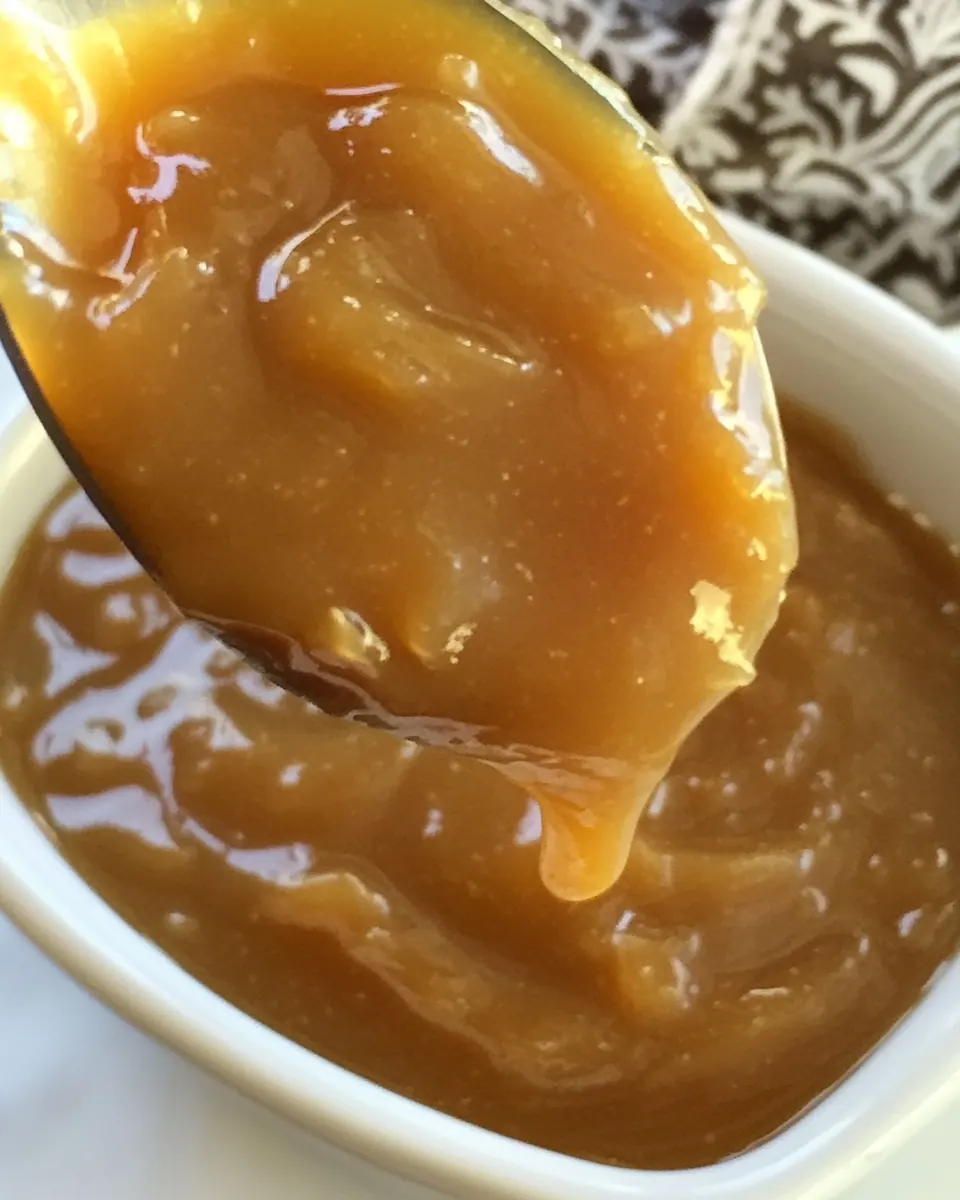
These ingredients are deliberately simple, and that is the philosophy: a few quality players that work in harmony. The dairy and butter bring richness and a smooth mouthfeel, while the dark brown sugar provides molasses depth that makes the sauce taste toffee like. The vanilla extract lifts the flavor and adds aromatic warmth. Together they form a stable, luscious sauce that is forgiving and easy to customize with time and temperature control.
- 1 cup heavy cream: Provide rich, creamy body and smooth mouthfeel to the sauce; heats gently to meld flavors and create a luscious texture when combined with sugar and butter. Contribute subtle dairy sweetness and help thin the toffee for pouring over desserts once slightly cooled.
- 1 cup dark brown sugar: Caramelize into deep, molasses-like sweetness when cooked with cream and butter; undergoes Maillard reactions to give the sauce its characteristic toffee color and flavor. Balance the overall sweetness while adding complexity and a hint of bitterness if cooked to the proper stage.
- 1/2 cup unsalted butter: Bring rich fat and creamy richness that carries flavor and creates a satiny finish; melt into the sugar to help form the fudgy, buttery structure of the sauce. Provide mouth-coating texture and enhance both flavor and stability as the sauce cools.
- small pinch of salt: Enhance and balance flavors by cutting through sweetness with a subtle savory note; use sparingly to avoid overt salinity while highlighting the toffee's depth. Promote flavor complexity and prevent the sauce from tasting flat or overly cloying.
- 1 teaspoon quality pure vanilla extract: Add aromatic warmth and rounded vanilla flavor to brighten and unify the sauce; stir in at the end of cooking to preserve its delicate aroma. Provide a finishing flavor note that complements the caramel and butter without overpowering them.
Making English Toffee Sauce
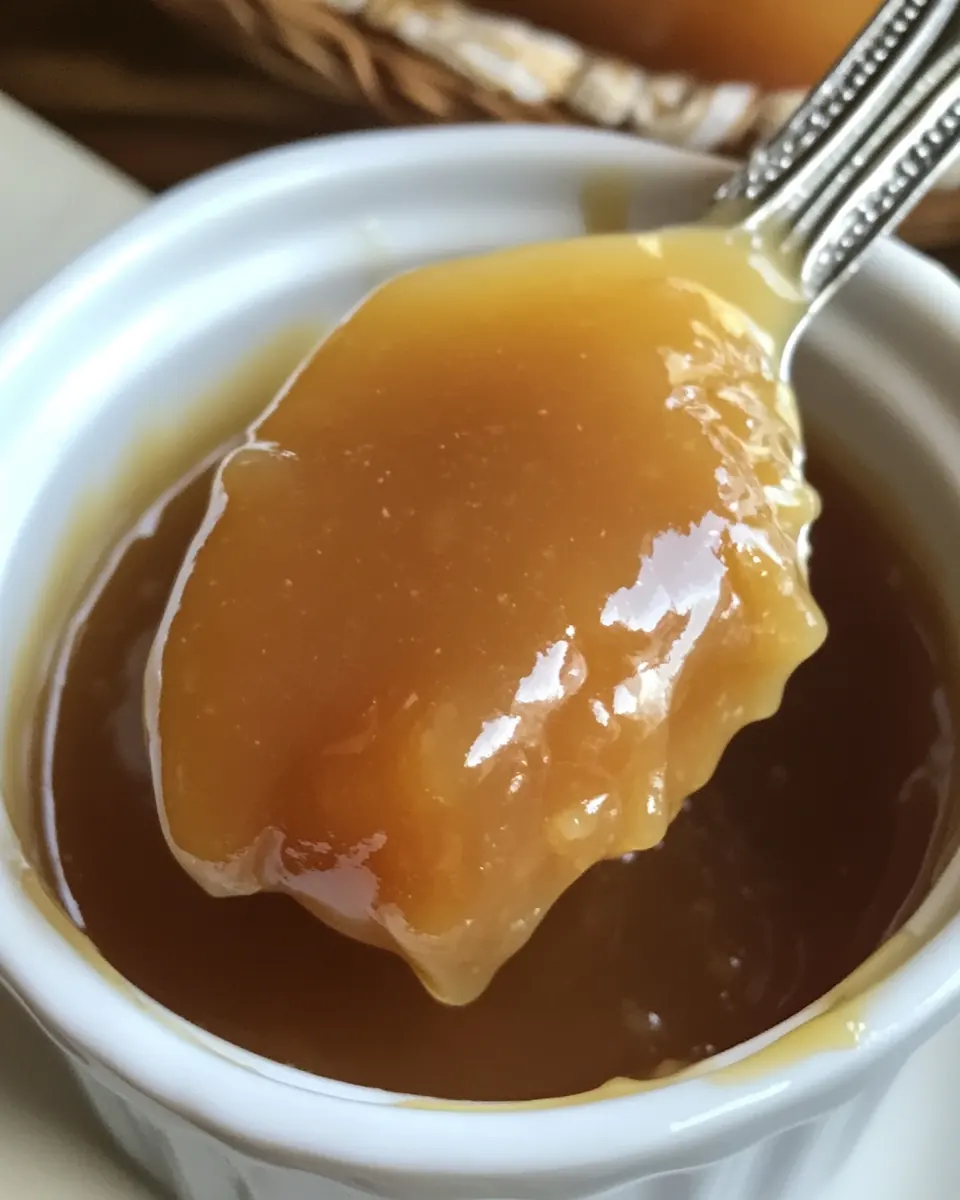
Cooking this sauce requires attention and gentle hands, but the steps are straightforward. Expect moments of waiting and careful watching as the sauce transitions through color stages. With a little mindfulness you will be rewarded by a glossy, fragrant result that tastes far richer than the simple ingredient list suggests.
- Place the heavy cream, brown sugar, salt and butter in a medium sauce pan over medium heat and let the brown sugar dissolve completely, stirring as little as possible to avoid the sugar granules from splashing up the sides of the pan (this will result in a grainy toffee sauce). Once it's dissolved increase the temperature to medium high. Avoid stirring too much during the initial stages until the sauce begins to turn color. Increase the frequency of stirring as the sauce gets browner to prevent burning. Continue until the sauce is thickened and a dark amber. Remove from heat and stir in the vanilla extract. If the sauce thickens too much or if leftovers are too thick, add a little extra butter and/or heavy cream and reheat. Makes about 1 3/4 cups. Store in the refrigerator where it will keep for up to a month.: As the mixture warms you will first notice the dark brown sugar softening into the creams and butter, releasing a warm molasses perfume that fills the kitchen. The initial stage smells sweet and slightly toasted, and the mixture will look grainy at first as the sugar begins to melt into the dairy. The reason we stir sparingly now is to reduce the chance of wet sugar splashing onto cooler rimmed metal, which can recrystallize and create a grainy sauce, so gentle, infrequent stirring is the right call. A common mistake here is stirring too aggressively, which agitates the sugar crystals and leads to a gritty texture, so be patient and use a long handled spoon to sweep the bottom occasionally to prevent sticking. Keep the heat steady so the ingredients dissolve evenly, and if you spot unmelted granules rub a small sample between your fingers to check for smoothness.
- Once it's dissolved increase the temperature to medium high: At this stage the mixture will shift from simply mixed to actively cooking, and you will notice finer steam and a soft sizzling as the sugars concentrate. Increasing the temperature encourages caramelization, which builds that deep toffee flavor, but it also accelerates the risk of burning, so be ready to reduce heat if you notice dark specks forming. You should see the liquid begin to shimmer and develop a pale amber tone before it moves faster toward deeper color. A mistake to avoid is cranking the heat too high and walking away, which can turn a beautiful glaze into bitter char in seconds. Keep a close eye and listen for a gentle, steady simmer rather than a violent boil.
- Avoid stirring too much during the initial stages until the sauce begins to turn color: Allowing the sauce to develop color with minimal disturbance helps the sugars brown uniformly, producing an even amber hue and complex flavor. You will smell the sugar transition from sweet to toasty, and visually the edge will darken first, telling you the process is underway. Resist the urge to constantly stir, because agitation at this point encourages crystallization, which makes the final sauce grainy. If you must move the pan, tilt it gently rather than scraping the bottom, and always use a heatproof spatula. One common error is confusing stiffness with readiness, so rely on color and aroma more than on perceived thickness during this phase.
- Increase the frequency of stirring as the sauce gets browner to prevent burning: As the mixture approaches a deep amber, it will darken quickly and can scorch if left untouched. At this point, more frequent stirring ensures even heat distribution and prevents hot spots that burn. You may notice a richer, nutty aroma and the surface will gleam like liquid caramel, signaling you are close to the desired stage. A safety note: reduce vigorous swirling that introduces air; instead, gently stir to keep the sauce smooth. A frequent pitfall is neglecting this phase and ending up with an acrid aftertaste from burned sugar, so be attentive and moderate your stirring speed.
- Continue until the sauce is thickened and a dark amber: The sauce should reach a consistency that coats the back of a spoon and fall in a heavy ribbon when lifted, with a deep amber color and a warm, toasted scent. This sensory cue is important because the precise timing varies with pan thickness and stovetop power. Thickening will continue slightly off the heat due to residual warmth, so aim for slightly looser than you want at serving temperature. A common mistake is overcooking to a stiff candy stage, which will harden as it cools, so pull it earlier if unsure and allow carryover thickening to finish the job.
- Remove from heat and stir in the vanilla extract: Taking the pan off the stove protects the delicate vanilla aroma, which can dissipate if exposed to high heat. When you stir in the vanilla, you will notice an immediate floral, warm lift that rounds the caramel notes beautifully. This final addition also smooths the flavor profile, balancing any sharpness from the cooked sugar. Avoid adding vanilla before removing from heat, as it may lose its fragrance, and do not over stir which can cool the sauce unevenly. If your sauce needs a softer finish, a small pad of butter whisked in now can restore silkiness.
- If the sauce thickens too much or if leftovers are too thick, add a little extra butter and/or heavy cream and reheat: Adjusting texture after the fact is straightforward, and you will see the sauce loosen into a glossy, pourable state as you whisk in extra cream or butter. Reheating gently prevents separation and gives you control over final viscosity. The sensory test is simple, spoon a bit onto a cold plate, let it sit for a moment, and judge whether it spreads; if not, add a splash and warm further. A frequent error is adding large quantities at once, which can cool the sauce abruptly and lead to separation, so add small increments and whisk steadily.
- Makes about 1 3/4 cups: This yield is generous for topping desserts or gifting in jars, and you will see a glossy, heavy sauce that pours slowly from a spoon. When storing, label the jar with the date and refrigerate to preserve freshness. A common storage mistake is leaving the sauce at room temperature for long periods, which can reduce quality; instead, keep it chilled and reheat gently when needed.
- Store in the refrigerator where it will keep for up to a month: Cooling the sauce in a sealed container slows flavor loss and prevents contamination, and when chilled it will thicken noticeably. Rewarm gently in a saucepan or microwave in short bursts, stirring between intervals to restore pourable texture. Be mindful not to overheat which can change the flavor and cause separation. A mistake people make is reheating too quickly, which may create grit or separation, so always reheat low and slow.
Tips and Tricks about English Toffee Sauce
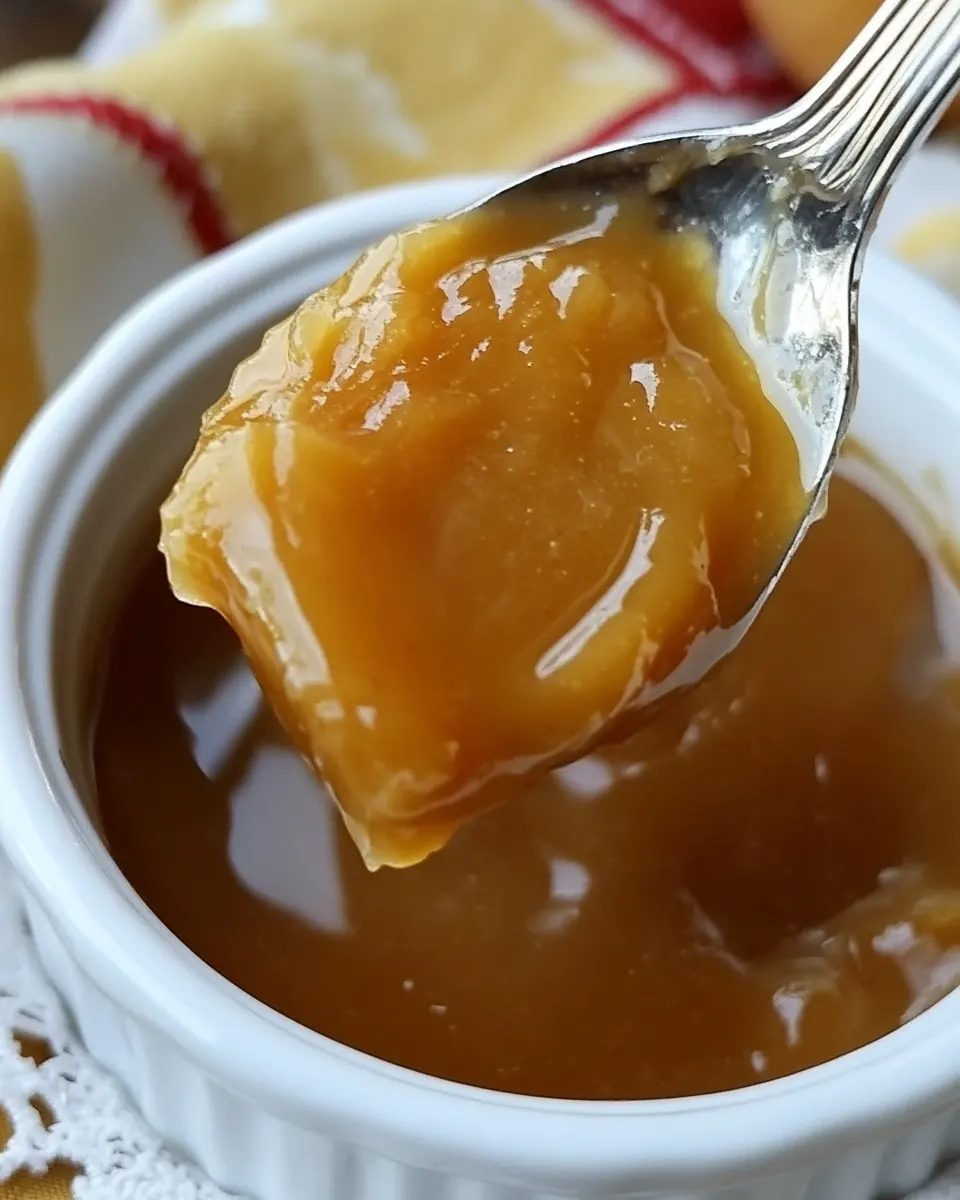
I keep a short list of dependable tricks that help me nail the texture and flavor every time. These tactics save the batch from common pitfalls and make the sauce more forgiving for everyday cooks. Below are practical pointers expanded into useful, actionable items you can use in your kitchen.
- Use full fat heavy cream: The higher fat content emulsifies with the butter and sugar, producing a richer mouthfeel and smoother final texture, especially after cooling. Low fat creams may separate or produce a thinner sauce that lacks body.
- Choose dark brown sugar for depth: Dark brown sugar brings molasses notes that make the sauce taste toffee like, creating complexity with minimal effort. Light brown sugar yields a milder flavor if you prefer something less robust.
- Control heat, do not rush: Gentle, controlled heat encourages even caramelization without burning, and prevents the sauce from seizing up. High heat works too fast and invites scorching, so patience pays off.
- Keep stirring strategic: Minimal stirring early prevents graininess, while more frequent stirring as color deepens stops hot spots from burning. Adjust your stirring rhythm to the sauce each time; there is no single perfect cadence.
- Store properly in airtight jars: Chilled in an airtight container the sauce will keep well and remain convenient to reheat, making it easy to pull out for desserts or coffee. Label with the date for best practice.
How to Enjoy English Toffee Sauce
This sauce plays many roles at the table, and a few serving ideas can elevate everyday moments into small celebrations. Think beyond ice cream and explore both sweet and savory pairings that benefit from a glossy, sweet finish.
- Over ice cream: Warm the sauce slightly and spoon over a bowl of vanilla or caramel ice cream for a classic combination that highlights the sauce’s creamy texture and deep sugar notes.
- With fresh fruit: Drizzle about a tablespoon over warm apple or pear slices for an elegant dessert, the sauce complementing natural fruit sweetness and adding a toffee like richness.
- As a coffee or latte topper: Swirl a spoonful into hot coffee for a quick flavored drink, stirring until fully dissolved to bring caramel depth and a creamy mouthfeel.
- On cakes and pastries: Brush or drizzle across pound cake, bundt cake, or warm pastries to add moisture and an attractive glossy finish that tastes indulgent.
- Gift jars: Fill small jars and tie with twine for a thoughtful homemade gift; include reheating instructions so recipients get the best texture and flavor when they use it.
- Storage and reheating: Keep refrigerated in a sealed jar, and reheat gently in a saucepan or microwave in short bursts, stirring to restore a smooth pourable consistency.
FAQ
Conclusion
This English Toffee Sauce stands out because it turns a handful of pantry staples into a silky, deeply flavored finishing sauce that elevates simple desserts. I encourage you to give it a try, because a little patience at the stove results in a remarkably rich and versatile topping that keeps well and impresses guests. Treat it as a small ritual, enjoy the aromas, and share the spoons while it is still warm for the fullest reward.
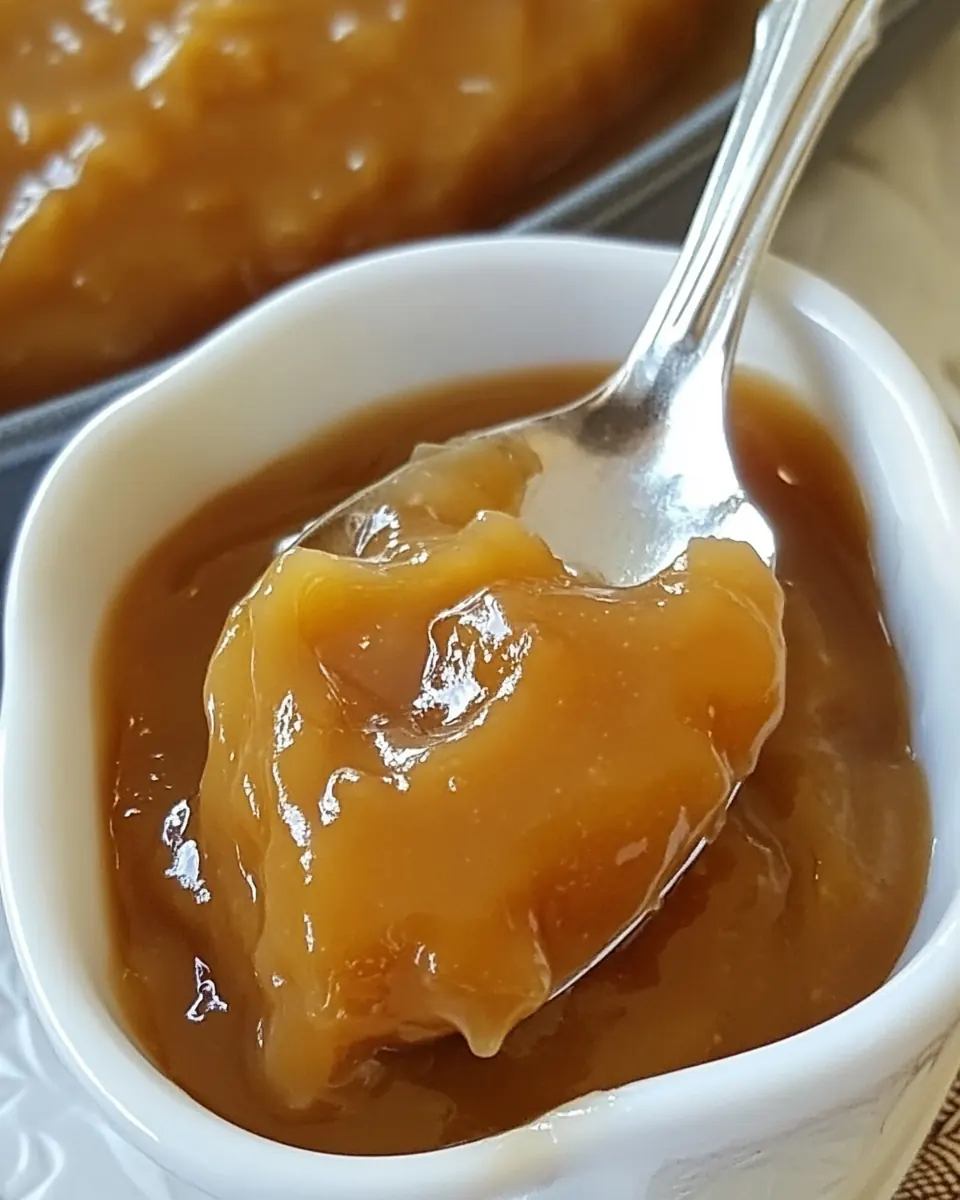
English Toffee Sauce
Ingredients
Equipment
Method
- Place the heavy cream, brown sugar, salt and butter in a medium sauce pan over medium heat and let the brown sugar dissolve completely, stirring as little as possible to avoid the sugar granules from splashing up the sides of the pan (this will result in a grainy toffee sauce). Once it's dissolved increase the temperature to medium high. Avoid stirring too much during the initial stages until the sauce begins to turn color. Increase the frequency of stirring as the sauce gets browner to prevent burning. Continue until the sauce is thickened and a dark amber. Remove from heat and stir in the vanilla extract. If the sauce thickens too much or if leftovers are too thick, add a little extra butter and/or heavy cream and reheat. Makes about 1 3/4 cups. Store in the refrigerator where it will keep for up to a month.: As the mixture warms you will first notice the dark brown sugar softening into the creams and butter, releasing a warm molasses perfume that fills the kitchen. The initial stage smells sweet and slightly toasted, and the mixture will look grainy at first as the sugar begins to melt into the dairy. The reason we stir sparingly now is to reduce the chance of wet sugar splashing onto cooler rimmed metal, which can recrystallize and create a grainy sauce, so gentle, infrequent stirring is the right call. A common mistake here is stirring too aggressively, which agitates the sugar crystals and leads to a gritty texture, so be patient and use a long handled spoon to sweep the bottom occasionally to prevent sticking. Keep the heat steady so the ingredients dissolve evenly, and if you spot unmelted granules rub a small sample between your fingers to check for smoothness.
- Once it's dissolved increase the temperature to medium high: At this stage the mixture will shift from simply mixed to actively cooking, and you will notice finer steam and a soft sizzling as the sugars concentrate. Increasing the temperature encourages caramelization, which builds that deep toffee flavor, but it also accelerates the risk of burning, so be ready to reduce heat if you notice dark specks forming. You should see the liquid begin to shimmer and develop a pale amber tone before it moves faster toward deeper color. A mistake to avoid is cranking the heat too high and walking away, which can turn a beautiful glaze into bitter char in seconds. Keep a close eye and listen for a gentle, steady simmer rather than a violent boil.
- Avoid stirring too much during the initial stages until the sauce begins to turn color: Allowing the sauce to develop color with minimal disturbance helps the sugars brown uniformly, producing an even amber hue and complex flavor. You will smell the sugar transition from sweet to toasty, and visually the edge will darken first, telling you the process is underway. Resist the urge to constantly stir, because agitation at this point encourages crystallization, which makes the final sauce grainy. If you must move the pan, tilt it gently rather than scraping the bottom, and always use a heatproof spatula. One common error is confusing stiffness with readiness, so rely on color and aroma more than on perceived thickness during this phase.
- Increase the frequency of stirring as the sauce gets browner to prevent burning: As the mixture approaches a deep amber, it will darken quickly and can scorch if left untouched. At this point, more frequent stirring ensures even heat distribution and prevents hot spots that burn. You may notice a richer, nutty aroma and the surface will gleam like liquid caramel, signaling you are close to the desired stage. A safety note: reduce vigorous swirling that introduces air; instead, gently stir to keep the sauce smooth. A frequent pitfall is neglecting this phase and ending up with an acrid aftertaste from burned sugar, so be attentive and moderate your stirring speed.
- Continue until the sauce is thickened and a dark amber: The sauce should reach a consistency that coats the back of a spoon and fall in a heavy ribbon when lifted, with a deep amber color and a warm, toasted scent. This sensory cue is important because the precise timing varies with pan thickness and stovetop power. Thickening will continue slightly off the heat due to residual warmth, so aim for slightly looser than you want at serving temperature. A common mistake is overcooking to a stiff candy stage, which will harden as it cools, so pull it earlier if unsure and allow carryover thickening to finish the job.
- Remove from heat and stir in the vanilla extract: Taking the pan off the stove protects the delicate vanilla aroma, which can dissipate if exposed to high heat. When you stir in the vanilla, you will notice an immediate floral, warm lift that rounds the caramel notes beautifully. This final addition also smooths the flavor profile, balancing any sharpness from the cooked sugar. Avoid adding vanilla before removing from heat, as it may lose its fragrance, and do not over stir which can cool the sauce unevenly. If your sauce needs a softer finish, a small pad of butter whisked in now can restore silkiness.
- If the sauce thickens too much or if leftovers are too thick, add a little extra butter and/or heavy cream and reheat: Adjusting texture after the fact is straightforward, and you will see the sauce loosen into a glossy, pourable state as you whisk in extra cream or butter. Reheating gently prevents separation and gives you control over final viscosity. The sensory test is simple, spoon a bit onto a cold plate, let it sit for a moment, and judge whether it spreads; if not, add a splash and warm further. A frequent error is adding large quantities at once, which can cool the sauce abruptly and lead to separation, so add small increments and whisk steadily.
- Makes about 1 3/4 cups: This yield is generous for topping desserts or gifting in jars, and you will see a glossy, heavy sauce that pours slowly from a spoon. When storing, label the jar with the date and refrigerate to preserve freshness. A common storage mistake is leaving the sauce at room temperature for long periods, which can reduce quality; instead, keep it chilled and reheat gently when needed.
- Store in the refrigerator where it will keep for up to a month: Cooling the sauce in a sealed container slows flavor loss and prevents contamination, and when chilled it will thicken noticeably. Rewarm gently in a saucepan or microwave in short bursts, stirring between intervals to restore pourable texture. Be mindful not to overheat which can change the flavor and cause separation. A mistake people make is reheating too quickly, which may create grit or separation, so always reheat low and slow.
Notes
- Use full fat heavy cream: The higher fat content emulsifies with the butter and sugar, producing a richer mouthfeel and smoother final texture, especially after cooling. Low fat creams may separate or produce a thinner sauce that lacks body.
- Choose dark brown sugar for depth: Dark brown sugar brings molasses notes that make the sauce taste toffee like, creating complexity with minimal effort. Light brown sugar yields a milder flavor if you prefer something less robust.
- Control heat, do not rush: Gentle, controlled heat encourages even caramelization without burning, and prevents the sauce from seizing up. High heat works too fast and invites scorching, so patience pays off.
- Keep stirring strategic: Minimal stirring early prevents graininess, while more frequent stirring as color deepens stops hot spots from burning. Adjust your stirring rhythm to the sauce each time; there is no single perfect cadence.
- Store properly in airtight jars: Chilled in an airtight container the sauce will keep well and remain convenient to reheat, making it easy to pull out for desserts or coffee. Label with the date for best practice.