In a large mixing bowl combine eggs, sugar, milk and vanilla. Whisk well until combined.: As you whisk, notice the mixture become slightly frothy and glossy, the sugar dissolving into the liquid; this integration creates an even base so the batter fries uniformly. The aroma of vanilla will lift gently, signaling the batter is flavored through. A key reason to whisk thoroughly is to avoid pockets of unmixed sugar or streaks of egg white that could produce uneven browning. If you under-whisk, small dense bits can form in the final cake, so keep a smooth rhythm and scrape the bowl sides to fully incorporate everything.
Add Krusteaz Pancake Mix and salt to the liquid mixture and stir to combine. Ingredients should be well incorporated, but do not over mix.: When you add the pancake mix, stir until the dry streaks disappear, but stop once the batter is cohesive; over mixing will activate too much gluten and yield a tougher texture. The batter should be smooth with a pourable viscosity, not thick like dough. You want to see no lumps of dry mix, but a few tiny bubbles are fine. A common issue is over stirring, which creates a dense cake instead of a light, lacy one, so mix just to combine and then rest briefly.
Add approximately 1 1/2" - 2" of oil to a heavy bottomed fry pan, dutch oven or cast iron pan*. Heat oil to 375 degrees F. If you do not have a thermometer, you will know the oil is ready when you drop a small drop of the batter into the oil and it immediately bubbles and sizzles.: Heating the oil to the correct temperature is crucial because it controls how quickly the batter sets and crisps. At around 375 degrees F , the batter will form a golden lattice and the interior will cook through without soaking up excess oil. Listen for a lively sizzle when a test drop is added; that sound is your cue. A common mistake is overheating, which will darken the exterior too fast, so monitor the oil and adjust the heat to maintain that steady, energetic sizzle.
Add approximately 1/4 of the batter to a funnel, piping bag or squeeze bottle, with your finger covering the opening until you are ready to dispense it into the oil. Holding the funnel/bag/bottle several inches above the oil, remove your finger and swirl the batter into the oil, overlapping it on itself, until the batter is all dispensed.: This control step helps you manage the flow and pattern of the batter; keeping the opening covered prevents accidental drips that could make uneven hotspots in the oil. When you are ready, remove your finger and begin the swirl at a comfortable height so the batter streams fluidly. The goal is a continuous ribbon that forms the classic lacy shape, so practice the motion without rushing. One frequent trouble is starting the pour too close to the oil, which causes splatter, so hold the funnel a few inches above the surface.
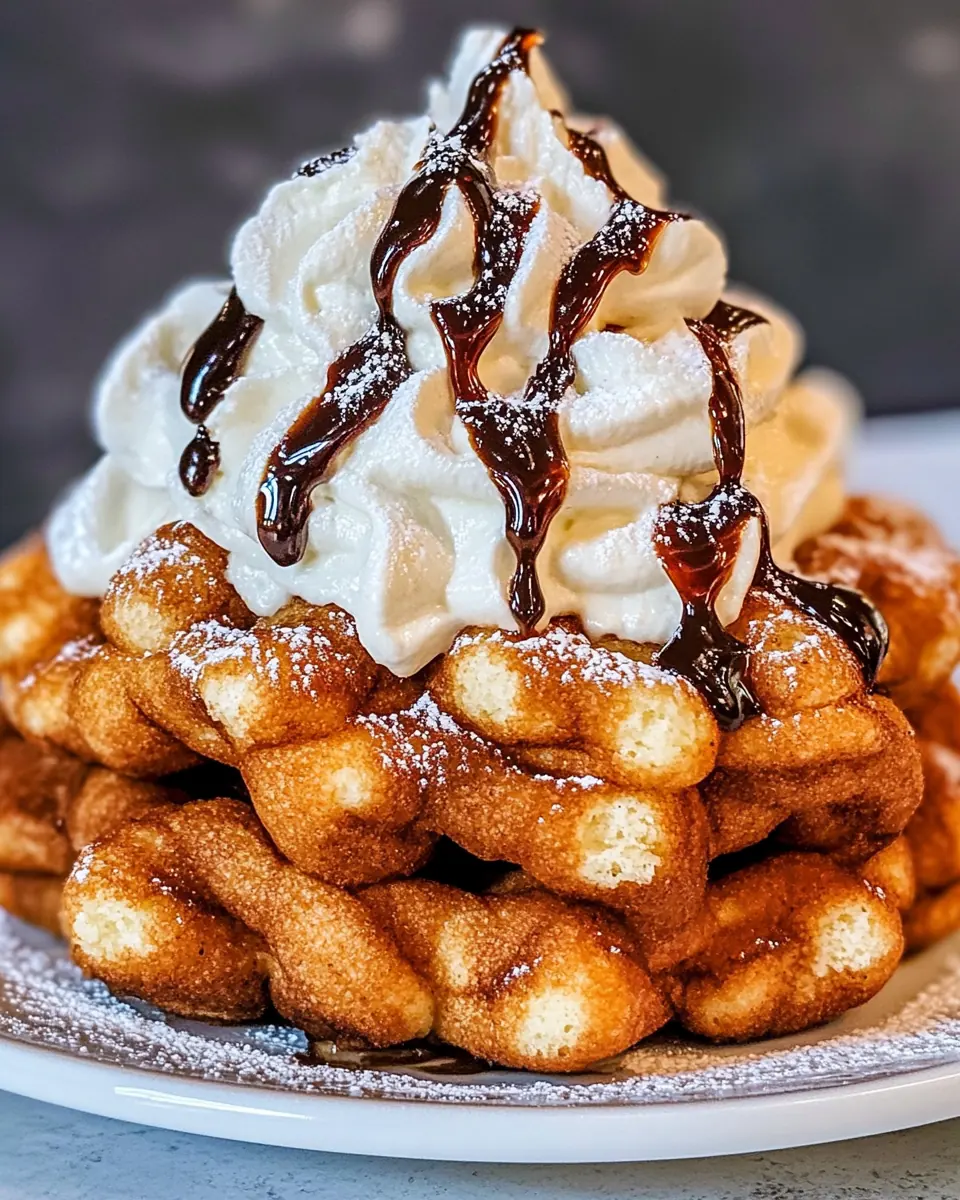
Fry until the bottom side is golden brown, approximately 1-2 minutes, then gently turn over with tongs and fry until the second side is golden brown. Carefully remove and immediately place on a plate covered with paper towels to help drain off any extra oil. Sprinkle with powdered sugar, add toppings and serve immediately.: As the batter hits the oil, watch it instantly bubble and begin to set, forming a pale golden web. The swirl pattern should overlap slightly to create both thin crispy strands and thicker sections that stay tender. You will hear a steady sizzle as the batter cooks, and steam will rise in soft wisps. If the swirl is too slow, the batter can clump, and if it is too fast, the lines will be thick and doughy, so find a steady cadence for an even lace.
Fry until the bottom side is golden brown, approximately 1 to 2 minutes, then gently turn over with tongs and fry until the second side is golden brown.: Watch for the underside to show an even golden brown color and for the edges to firm up before flipping, that is your visual cue that it is ready. The sound will change subtly to a lighter sizzle as moisture escapes and the crust forms. Use tongs to turn carefully so you do not tear the lacework. Avoid overcooking, which dries the cake and makes it too crisp rather than pleasantly crunchy with a soft center.
Carefully remove and immediately place on a plate covered with paper towels to help drain off any extra oil. Sprinkle with powdered sugar, add toppings and serve immediately.: Once out of the oil, the cakes will continue to cook slightly from retained heat, so let them rest briefly on paper towels to absorb surface oil. The powdered sugar will melt slightly into the warm crevices, creating that tender sweetness contrast. Serve while still warm for the best texture. A typical pitfall is letting them sit too long, which reduces that fresh crispness, so plan to serve right away.