Funnel Cake Made With Pancake Mix
Funnel Cake Made With Pancake Mix has been my secret midweek carnival moment for years, a way to make a fairground favorite without the line or the parking fuss. The first time I made it, I was chasing nostalgia for a warm, sugary treat after a long grocery run, and the simplicity surprised me. I love how a handful of pantry staples transform into bubbling, lacy rounds that smell like childhood. I remember standing over the hot oil, heart racing a little, as the batter hit the surface and started to spit and sing.
Over time I learned the little rituals that make the difference, from the rhythm of the swirl to the exact moment you know it is ready to flip. Family and friends started showing up at unexpected hours because the aroma was irresistible, and what began as an experiment turned into a beloved ritual. In my kitchen the process feels playful, like drawing with batter, and the payoff is immediate, a warm, crispy cake dusted with sugar that melts on the tongue. Those texture contrasts keep me coming back, and I like that you can dress each cake to match the mood, whether simple powdered sugar or a more decadent finish.
Recipe Snapshot
25 mins
10 mins
15 mins
Easy
300 kcal
American
Gluten-Free, Low FODMAP
Desserts
Funnel, Squeeze bottle, Piping bag, Food thermometer, Heavy bottomed fry pan, Dutch oven, Cast iron pan, Tongs
What We Adore About This Funnel Cake Made With Pancake Mix
Crunchy, light texture without fuss
I adore how Funnel Cake Made With Pancake Mix yields crisp edges and tender pockets inside, all from an easy batter. Using a ready pancake mix means you skip complicated measuring, but you still get that craveable crunch that makes everyone smile. I find the contrast between the golden exterior and the soft interior truly addictive, and it’s one reason this recipe is such a hit when people stop by unannounced.
Speed and simplicity
One of the biggest draws for me is speed. From bowl to plate in under half an hour, this recipe satisfies a sweet craving quickly. I often make it when I want something impressive but do not want to be tied to the kitchen for long. The few ingredients and straightforward method let you focus on technique instead of complicated prep.
Flexible and forgiving
I love that Funnel Cake Made With Pancake Mix is forgiving. The batter tolerates small variations in liquid and mixing, so beginners can still produce beautiful results. This flexibility makes it ideal for feeding a small crowd or teaching kids how to cook without fear of disastrous outcomes.
Endless topping possibilities
Another reason I keep making these is the topping play. Powdered sugar is a classic, but you can easily switch to fruit, syrup, or cinnamon sugar for different moods. I enjoy experimenting with textures, adding fresh berries for brightness or a sprinkle of finely chopped nuts for extra crunch.
Great for gatherings
Finally, this recipe transforms an ordinary night into an event. Because each cake is made to order, it feels special and interactive, and I like watching faces light up when the first bite hits. It is a great option for casual get togethers where you want food that is fun, shareable, and memorable.
Ingredients for Funnel Cake Made With Pancake Mix
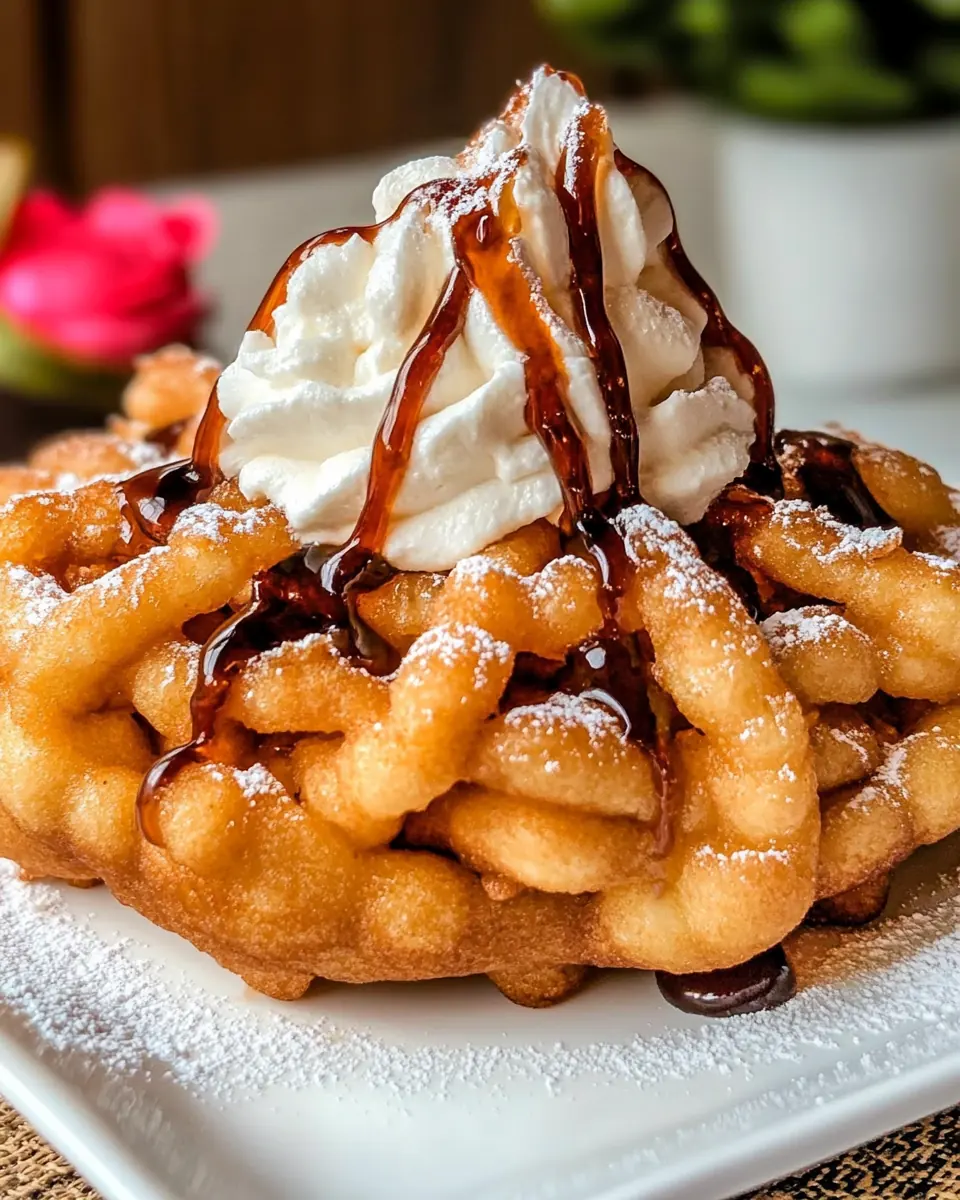
These ingredients are intentionally simple, meant to work together to create a batter that fries into crisp, lacy cakes. The star is the ready pancake mix, which provides structure and leavening. The eggs and milk lend moisture and richness, while sugar and vanilla bring a hint of sweetness and aroma. The oil is essential for frying, creating those golden edges and that irresistible crunch.
- 2 large eggs: Whisk vigorously to incorporate air and provide structure and richness to the batter, helping the funnel cake achieve a tender crumb and golden color when fried.
- 1 1/2 cups milk: Pour gradually to hydrate the dry mix and create a smooth, pourable batter; the milk balances thickness and contributes to a light texture once cooked.
- 1 tsp vanilla extract: Add sparingly to enhance the overall flavor profile with a warm, sweet aroma that complements the fried dough without overpowering other tastes.
- 1/2 tsp salt: Season lightly to balance sweetness and strengthen the gluten network, which improves dough elasticity and helps create a slightly chewy interior while frying.
- 1/4 cup granulated sugar: Sweeten evenly to elevate the batter’s flavor and promote browning during frying, contributing to a crisp, caramelized exterior on the funnel cake.
- 2 1/2 cups Krusteaz Pancake Mix: Provide the primary structure and leavening base for the funnel cake batter; the pancake mix contains flour, leavening agents, and seasonings that ensure proper rise and consistent texture.
- Oil For Frying Canola and peanut oil work well, provide a neutral flavor and have a high flash point.: Heat to an appropriate temperature for frying to create a crisp exterior and a fully cooked interior; choose oils with neutral flavor and high smoke points to avoid off-flavors and ensure safety.
The Method for Funnel Cake Made With Pancake Mix
Below I walk you through each step with detailed sensory cues and troubleshooting notes so you can nail the texture and flavor. I like to approach frying with calm focus, listening for the sizzle and watching for color changes. Keep your tools close, and have paper towels ready for draining.
- In a large mixing bowl combine eggs, sugar, milk and vanilla. Whisk well until combined.: As you whisk, notice the mixture become slightly frothy and glossy, the sugar dissolving into the liquid; this integration creates an even base so the batter fries uniformly. The aroma of vanilla will lift gently, signaling the batter is flavored through. A key reason to whisk thoroughly is to avoid pockets of unmixed sugar or streaks of egg white that could produce uneven browning. If you under-whisk, small dense bits can form in the final cake, so keep a smooth rhythm and scrape the bowl sides to fully incorporate everything.
- Add Krusteaz Pancake Mix and salt to the liquid mixture and stir to combine. Ingredients should be well incorporated, but do not over mix.: When you add the pancake mix, stir until the dry streaks disappear, but stop once the batter is cohesive; over mixing will activate too much gluten and yield a tougher texture. The batter should be smooth with a pourable viscosity, not thick like dough. You want to see no lumps of dry mix, but a few tiny bubbles are fine. A common issue is over stirring, which creates a dense cake instead of a light, lacy one, so mix just to combine and then rest briefly.
- Add approximately 1 1/2" – 2" of oil to a heavy bottomed fry pan, dutch oven or cast iron pan*. Heat oil to 375 degrees F. If you do not have a thermometer, you will know the oil is ready when you drop a small drop of the batter into the oil and it immediately bubbles and sizzles.: Heating the oil to the correct temperature is crucial because it controls how quickly the batter sets and crisps. At around 375 degrees F , the batter will form a golden lattice and the interior will cook through without soaking up excess oil. Listen for a lively sizzle when a test drop is added; that sound is your cue. A common mistake is overheating, which will darken the exterior too fast, so monitor the oil and adjust the heat to maintain that steady, energetic sizzle.
- Add approximately 1/4 of the batter to a funnel, piping bag or squeeze bottle, with your finger covering the opening until you are ready to dispense it into the oil. Holding the funnel/bag/bottle several inches above the oil, remove your finger and swirl the batter into the oil, overlapping it on itself, until the batter is all dispensed.: This control step helps you manage the flow and pattern of the batter; keeping the opening covered prevents accidental drips that could make uneven hotspots in the oil. When you are ready, remove your finger and begin the swirl at a comfortable height so the batter streams fluidly. The goal is a continuous ribbon that forms the classic lacy shape, so practice the motion without rushing. One frequent trouble is starting the pour too close to the oil, which causes splatter, so hold the funnel a few inches above the surface.
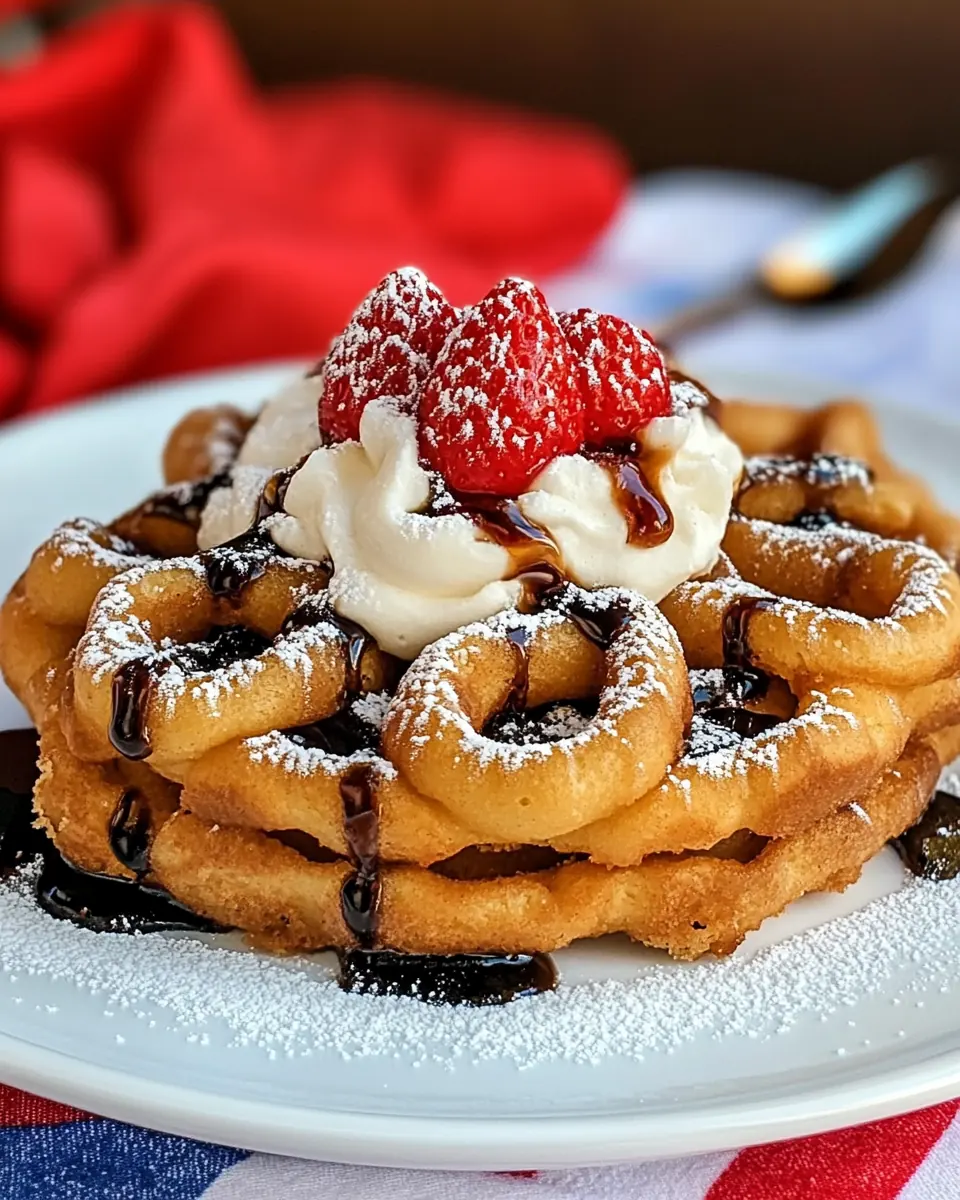
- Fry until the bottom side is golden brown, approximately 1-2 minutes, then gently turn over with tongs and fry until the second side is golden brown. Carefully remove and immediately place on a plate covered with paper towels to help drain off any extra oil. Sprinkle with powdered sugar, add toppings and serve immediately.: As the batter hits the oil, watch it instantly bubble and begin to set, forming a pale golden web. The swirl pattern should overlap slightly to create both thin crispy strands and thicker sections that stay tender. You will hear a steady sizzle as the batter cooks, and steam will rise in soft wisps. If the swirl is too slow, the batter can clump, and if it is too fast, the lines will be thick and doughy, so find a steady cadence for an even lace.
- Fry until the bottom side is golden brown, approximately 1 to 2 minutes, then gently turn over with tongs and fry until the second side is golden brown.: Watch for the underside to show an even golden brown color and for the edges to firm up before flipping, that is your visual cue that it is ready. The sound will change subtly to a lighter sizzle as moisture escapes and the crust forms. Use tongs to turn carefully so you do not tear the lacework. Avoid overcooking, which dries the cake and makes it too crisp rather than pleasantly crunchy with a soft center.
- Carefully remove and immediately place on a plate covered with paper towels to help drain off any extra oil. Sprinkle with powdered sugar, add toppings and serve immediately.: Once out of the oil, the cakes will continue to cook slightly from retained heat, so let them rest briefly on paper towels to absorb surface oil. The powdered sugar will melt slightly into the warm crevices, creating that tender sweetness contrast. Serve while still warm for the best texture. A typical pitfall is letting them sit too long, which reduces that fresh crispness, so plan to serve right away.
Substitutions and Tips
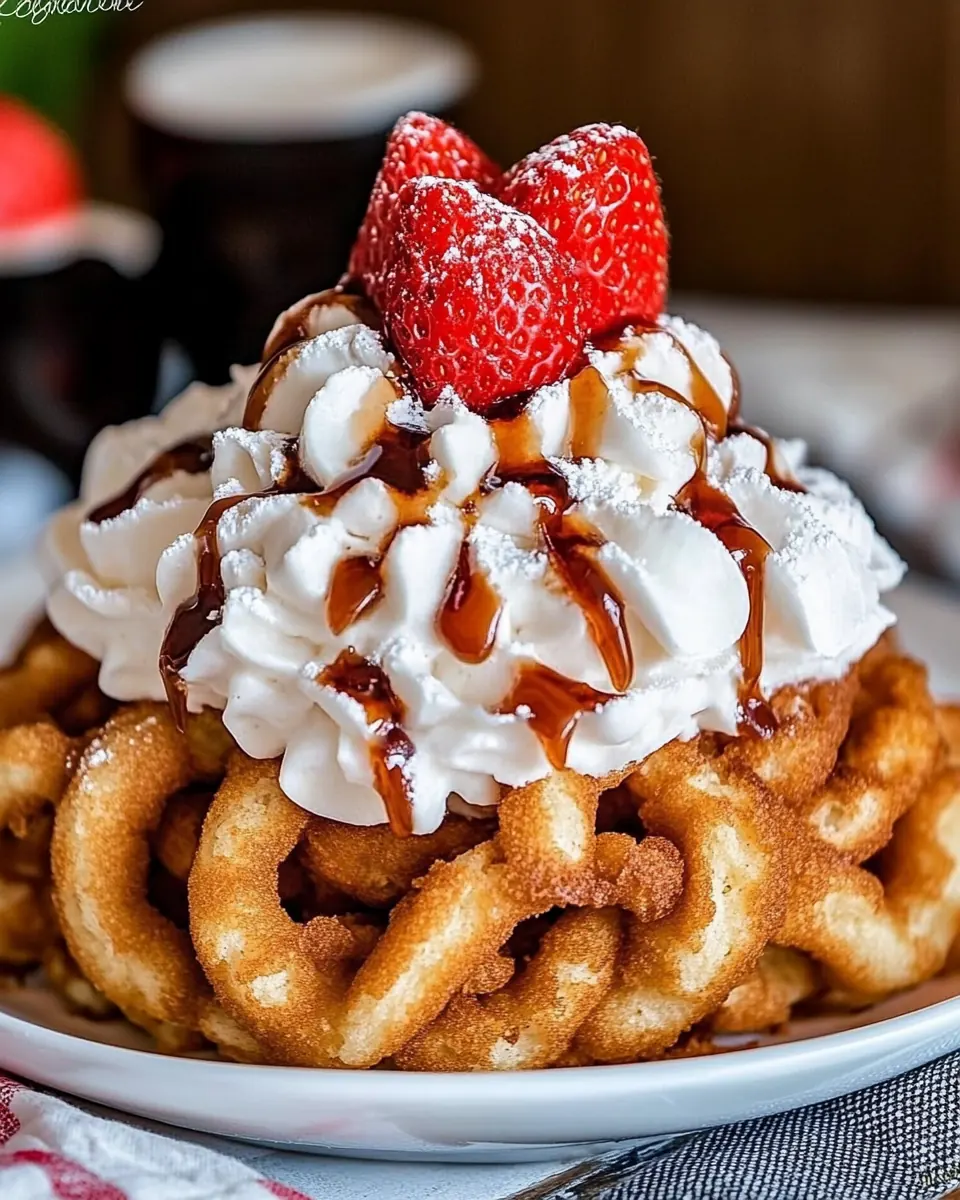
I like to keep tips practical and focused on success in the pan. Below are expanded pointers that reflect what I actually do when frying funnel cakes at home, from oil choice to serving timing.
- Oil selection Choose a neutral oil with a high smoke point such as canola or peanut oil, they let the batter brown cleanly without imparting extra flavor or burning at frying temperatures.
- Temperature test If you do not have a thermometer, drop a small amount of batter into the oil and look for an immediate lively sizzle, this indicates the oil is hot enough to set the batter quickly and produce crisp edges.
- Portion control Using roughly a quarter of the batter per cake yields a good size for frying and keeps cook time short, this also prevents overcrowding the pan which can lower the oil temperature.
- Batter consistency Aim for a pourable but not watery batter so it retains shape as you swirl, add milk a tablespoon at a time if it seems too thick, and stop when the stream is even.
- Drain and serve Place cooked cakes on paper towels immediately to remove surface oil, and dust with powdered sugar while still warm so the sugar melts into the crevices for maximum flavor impact.
What to Serve Alongside Funnel Cake Made With Pancake Mix
These serving ideas balance texture and flavor, and they help you decide whether to make this treat for a cozy breakfast, a fun dessert, or a festive gathering. I favor simple accompaniments that play off the cake’s warmth and crunch.
- Fresh berries Bright berries like strawberries or blueberries add acidity and freshness, their juices complement the sweet fried batter and create a balanced bite.
- Maple syrup or fruit compote A small dish of syrup or warm compote provides a dipping option that enhances richness and pairs well with powdered sugar for added depth.
- Whipped cream Lightly sweetened whipped cream offers a cool, airy contrast to the hot, crisp cake, adding a creamy mouthfeel that many guests love.
- Ice cream For an indulgent dessert, a scoop of vanilla or cinnamon ice cream melts over the warm cake, producing a pleasing temperature contrast and extra decadence.
- Occasions and tips Serve at brunch, casual gatherings, or festive evenings; keep oil at steady temperature and make cakes to order for best texture, and store leftovers in an airtight container for a day, reheating briefly in a hot oven to restore some crispness.
FAQ
Conclusion
What makes this recipe special is how it turns a few pantry staples into a festive, crunchy treat that tastes like a day at the fair. The process is playful and rewarding, with immediate results that impress guests and lift spirits. Give it a try on a weekend morning or for an impromptu dessert, and enjoy the simple pleasure of warm, sugared lacey cakes fresh from the pan. Share them hot, watch smiles appear, and relish the easy joy that this recipe brings to your table.
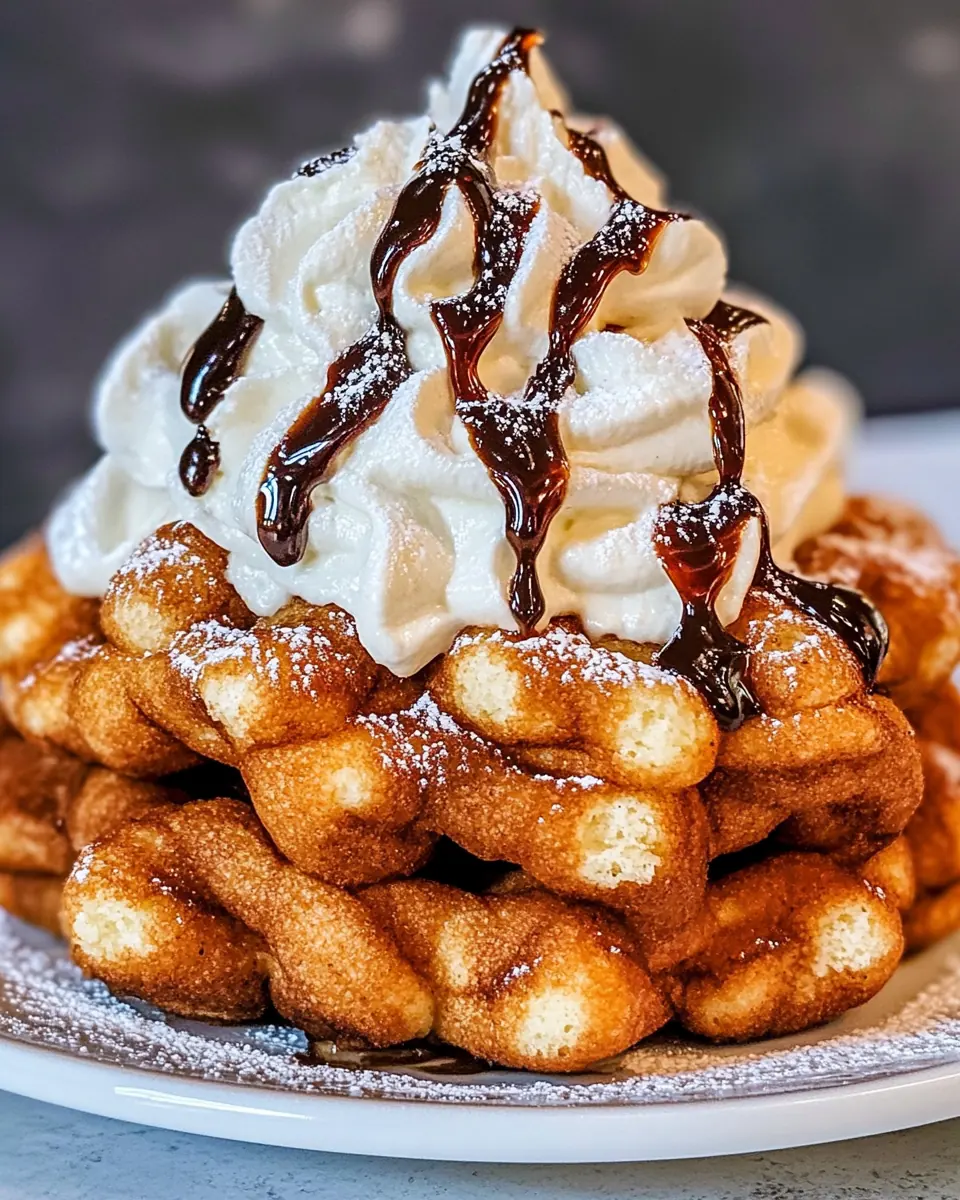
Funnel Cake Made With Pancake Mix
Ingredients
Equipment
Method
- In a large mixing bowl combine eggs, sugar, milk and vanilla. Whisk well until combined.: As you whisk, notice the mixture become slightly frothy and glossy, the sugar dissolving into the liquid; this integration creates an even base so the batter fries uniformly. The aroma of vanilla will lift gently, signaling the batter is flavored through. A key reason to whisk thoroughly is to avoid pockets of unmixed sugar or streaks of egg white that could produce uneven browning. If you under-whisk, small dense bits can form in the final cake, so keep a smooth rhythm and scrape the bowl sides to fully incorporate everything.
- Add Krusteaz Pancake Mix and salt to the liquid mixture and stir to combine. Ingredients should be well incorporated, but do not over mix.: When you add the pancake mix, stir until the dry streaks disappear, but stop once the batter is cohesive; over mixing will activate too much gluten and yield a tougher texture. The batter should be smooth with a pourable viscosity, not thick like dough. You want to see no lumps of dry mix, but a few tiny bubbles are fine. A common issue is over stirring, which creates a dense cake instead of a light, lacy one, so mix just to combine and then rest briefly.
- Add approximately 1 1/2" - 2" of oil to a heavy bottomed fry pan, dutch oven or cast iron pan*. Heat oil to 375 degrees F. If you do not have a thermometer, you will know the oil is ready when you drop a small drop of the batter into the oil and it immediately bubbles and sizzles.: Heating the oil to the correct temperature is crucial because it controls how quickly the batter sets and crisps. At around 375 degrees F , the batter will form a golden lattice and the interior will cook through without soaking up excess oil. Listen for a lively sizzle when a test drop is added; that sound is your cue. A common mistake is overheating, which will darken the exterior too fast, so monitor the oil and adjust the heat to maintain that steady, energetic sizzle.
- Add approximately 1/4 of the batter to a funnel, piping bag or squeeze bottle, with your finger covering the opening until you are ready to dispense it into the oil. Holding the funnel/bag/bottle several inches above the oil, remove your finger and swirl the batter into the oil, overlapping it on itself, until the batter is all dispensed.: This control step helps you manage the flow and pattern of the batter; keeping the opening covered prevents accidental drips that could make uneven hotspots in the oil. When you are ready, remove your finger and begin the swirl at a comfortable height so the batter streams fluidly. The goal is a continuous ribbon that forms the classic lacy shape, so practice the motion without rushing. One frequent trouble is starting the pour too close to the oil, which causes splatter, so hold the funnel a few inches above the surface.
- Fry until the bottom side is golden brown, approximately 1-2 minutes, then gently turn over with tongs and fry until the second side is golden brown. Carefully remove and immediately place on a plate covered with paper towels to help drain off any extra oil. Sprinkle with powdered sugar, add toppings and serve immediately.: As the batter hits the oil, watch it instantly bubble and begin to set, forming a pale golden web. The swirl pattern should overlap slightly to create both thin crispy strands and thicker sections that stay tender. You will hear a steady sizzle as the batter cooks, and steam will rise in soft wisps. If the swirl is too slow, the batter can clump, and if it is too fast, the lines will be thick and doughy, so find a steady cadence for an even lace.
- Fry until the bottom side is golden brown, approximately 1 to 2 minutes, then gently turn over with tongs and fry until the second side is golden brown.: Watch for the underside to show an even golden brown color and for the edges to firm up before flipping, that is your visual cue that it is ready. The sound will change subtly to a lighter sizzle as moisture escapes and the crust forms. Use tongs to turn carefully so you do not tear the lacework. Avoid overcooking, which dries the cake and makes it too crisp rather than pleasantly crunchy with a soft center.
- Carefully remove and immediately place on a plate covered with paper towels to help drain off any extra oil. Sprinkle with powdered sugar, add toppings and serve immediately.: Once out of the oil, the cakes will continue to cook slightly from retained heat, so let them rest briefly on paper towels to absorb surface oil. The powdered sugar will melt slightly into the warm crevices, creating that tender sweetness contrast. Serve while still warm for the best texture. A typical pitfall is letting them sit too long, which reduces that fresh crispness, so plan to serve right away.
Notes
- Oil selection Choose a neutral oil with a high smoke point such as canola or peanut oil, they let the batter brown cleanly without imparting extra flavor or burning at frying temperatures.
- Temperature test If you do not have a thermometer, drop a small amount of batter into the oil and look for an immediate lively sizzle, this indicates the oil is hot enough to set the batter quickly and produce crisp edges.
- Portion control Using roughly a quarter of the batter per cake yields a good size for frying and keeps cook time short, this also prevents overcrowding the pan which can lower the oil temperature.
- Batter consistency Aim for a pourable but not watery batter so it retains shape as you swirl, add milk a tablespoon at a time if it seems too thick, and stop when the stream is even.
- Drain and serve Place cooked cakes on paper towels immediately to remove surface oil, and dust with powdered sugar while still warm so the sugar melts into the crevices for maximum flavor impact.