Preheat the oven to 350°F.: The warm, steady oven heat develops a deep, sweet roast in the garlic , producing soft cloves that smell nutty and browned. As the oven settles, you might notice a faint, toasty aroma start to fill the kitchen, a sign the environment is right for slow caramelization. I find using a middle rack gives even heat, avoiding overly browned tips. One mistake is cranking the oven higher to speed things along, which can char the cloves and create bitterness instead of the desired jammy sweetness. Keep the temperature steady, and expect a slow, aromatic transformation that rewards patience.
Make the roasted garlic: Trim the top 1/4 inch off the top of the garlic bulb. Place cut-side up on a piece of foil, drizzle with olive oil, and sprinkle with salt. Wrap the garlic in the foil and roast for 40 to 60 minutes or until the cloves are deeply golden brown and tender. Remove from the oven and let cool slightly. Use the back of a chef’s knife or a small masher to mash the garlic into a paste before incorporating into the mashed potatoes. Set aside.: Trim the top 1/4 inch off the top of the garlic bulb. : Exposing the tops of the cloves lets the oil and heat coax sugars out as they brown, releasing a sweet, almost buttery scent. When you press the exposed cloves after roasting, they should yield like soft butter, and the aroma will be mellow and fragrant rather than sharp. A common slip is trimming too deep, which loosens cloves and makes them fall apart during wrapping; a modest trim is all you need. This small cut sets up the bulb to roast evenly and produce that creamy paste you will fold into the mash.
Make the mashed potatoes: Place the potatoes and 1 teaspoon of salt in a large pot and fill with enough water to cover the potatoes by 1 inch. Bring to a boil and cook until fork tender, about 20 minutes. Drain, reserving 1 cup of the cooking liquid.: Place cut-side up on a piece of foil, drizzle with olive oil, and sprinkle with salt. : The sizzle you avoid here is intentional, you want gentle roasting not frying. The drizzle of extra virgin olive oil helps the cloves turn golden and tender while salt draws out moisture and amplifies flavor. As the bulb heats, you will notice a caramel scent building, and a little pooling of oil around the base, which is normal. Avoid adding too much oil, which can make the cloves greasy rather than lusciously soft. The careful balance of oil and salt yields that silky paste you will mash into the potatoes later.
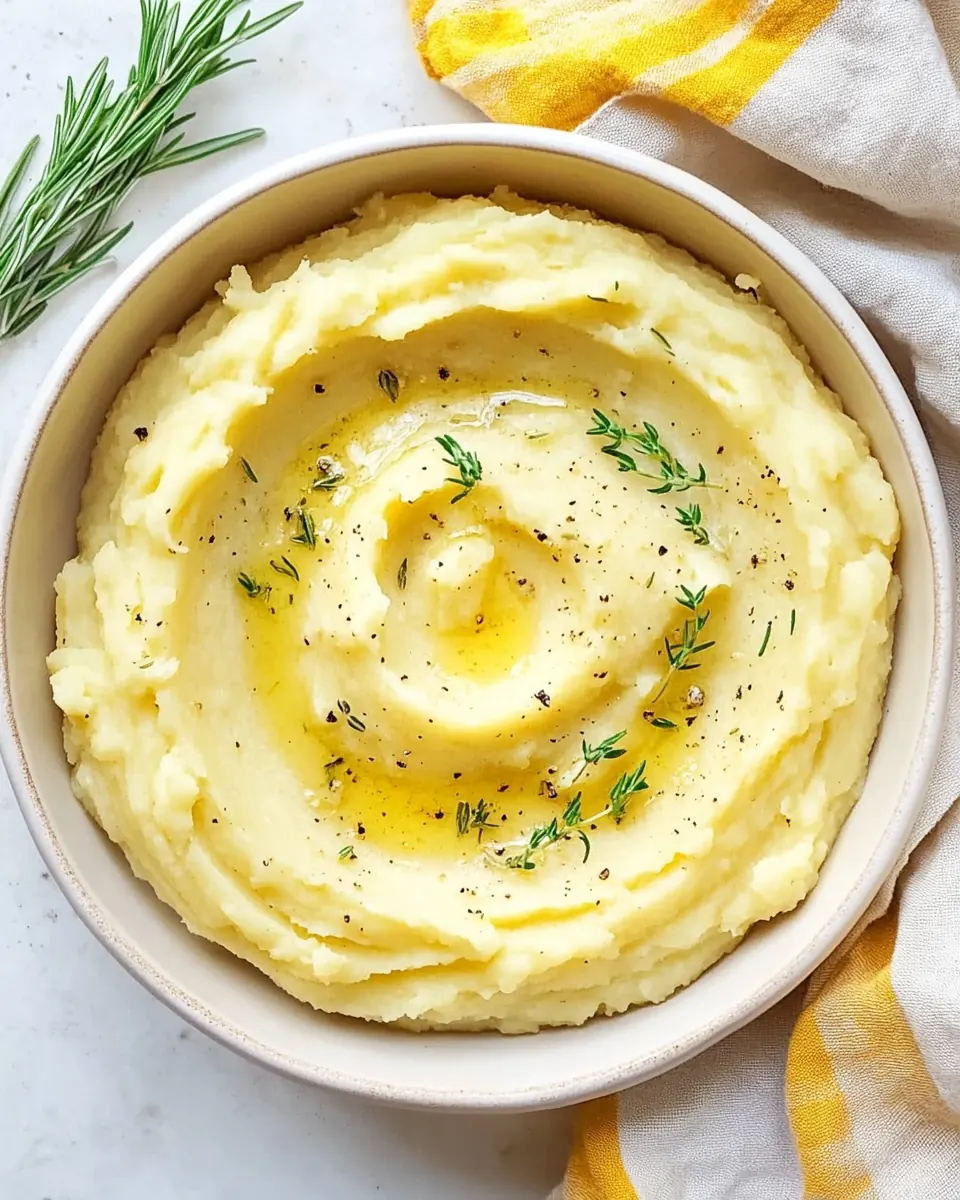
Use a ricer or a potato masher to mash the potatoes into a large bowl. Use a rubber spatula to fold in the roasted garlic, olive oil, 1/2 cup of the reserved cooking liquid, 1 teaspoon salt, and several pinches of pepper. Continue folding until creamy, adding up to 1/2 cup more cooking liquid if desired for creamier potatoes. Serve hot with butter, rosemary, and chives, if desired.: Wrap the garlic in the foil and roast for 40 to 60 minutes or until the cloves are deeply golden brown and tender. : During this slow roast, the kitchen gradually fills with a warm, savory perfume that signals success. The cloves should be deeply golden with no raw centers, and they will almost squeeze out of their skins when pressed. If you rush this step the cloves may remain astringent, so let the time do the work. A frequent error is removing the bulb too early, leaving gritty, underdeveloped flavor; patience here turns pungency into sweet, spreadable goodness.
Make the roasted garlic: Remove from the oven and let cool slightly. : Cooling helps the roasted cloves firm just enough to handle, and the aroma will mellow into a comforting, roasted-sweet note. I usually let the bulb sit for ten to fifteen minutes so I can handle it without burning my fingers. If you mash while piping hot you may lose some control when incorporating it into the mash, so a brief cooldown is practical. Avoid waiting so long that the oil solidifies, just a short pause is ideal to handle the bulb safely.
Make the roasted garlic: Use the back of a chef’s knife or a small masher to mash the garlic into a paste before incorporating into the mashed potatoes. : Transforming the cloves into a smooth paste ensures even distribution and an immediate hit of roasted savory-sweet in every forkful. When you press the cloves, watch for a glossy, spreadable texture and inhale that mellow, nutty aroma. If the paste seems dry, a tiny splash of the reserved cooking liquid or olive oil can loosen it. The worst misstep is leaving the cloves in large pieces, which can create uneven bursts of intensity instead of a harmonious flavor thread throughout the mash.
Make the roasted garlic: Set aside. : Holding the paste aside until the potatoes are mashed prevents overmixing and allows you to taste and adjust seasoning before the final fold. This resting moment gives you clarity for balancing salt and pepper. If you add the paste too early while the potatoes are still steaming aggressively, the heat can mute some aromatic notes, so hold off until you are ready to assemble.
Make the mashed potatoes: Place the potatoes and 1 teaspoon of salt in a large pot and fill with enough water to cover the potatoes by 1 inch. : Starting the potatoes in cold, salted water ensures even cooking and better seasoning throughout. As the pot warms, starchy scents will open up and small bubbles will begin to rise before a full boil, signaling steady heat. A typical mistake is adding potatoes to already boiling water, which can cook the exterior too quickly and leave the centers underdone. Cover with enough water so every piece cooks at the same rate and absorbs seasoning evenly.
Make the mashed potatoes: Bring to a boil and cook until fork tender, about 20 minutes. : When the potatoes are done, a fork should slide in with minimal resistance and the edges will look slightly chalky rather than firm. The steaming, starchy scent intensifies as they soften. Overcooking will make the potatoes waterlogged and gluey, so test early by piercing the largest pieces. Drain promptly when tender to avoid sogginess, but reserve some cooking liquid for texture control in the mash.
Make the mashed potatoes: Drain, reserving 1 cup of the cooking liquid. : That reserved liquid is gold, full of flavor and starch that helps create a silky, cohesive mash. As you drain, watch for a slightly cloudy appearance in the liquid, which indicates useful starch content. The mistake here is discarding it; without it you may need more oil to reach the same creaminess, which can alter balance. Keep that cup handy for gradual addition.
Use a ricer or a potato masher to mash the potatoes into a large bowl.: The sound of a ricer whispers gentle comfort while the action produces fluffy, uniform pieces without overworking. A ricer creates the lightest texture, while a masher still gives a beautifully rustic creaminess. If you overmix with a hand mixer you risk developing gluey starch, so choose a gentle tool and stop once you have soft peaks and no lumps. The visual cue is a cloudlike mass ready to welcome the rest of the ingredients.
Use a rubber spatula to fold in the roasted garlic, olive oil, 1/2 cup of the reserved cooking liquid, 1 teaspoon salt, and several pinches of pepper.: Folding brings the elements together with minimal air loss, ensuring the mash stays tender and silky. As you fold, you should see the mash smooth and glisten, and the aroma of roasted garlic will bloom into the bowl. Add the reserved liquid gradually so you can control consistency; adding too much at once can make it runny. A common oversight is underseasoning here, so taste and adjust as you go.
Continue folding until creamy, adding up to 1/2 cup more cooking liquid if desired for creamier potatoes.: Keep folding until the texture is glossy and satiny, and the mash holds soft peaks when the spatula is lifted. The sound is quiet and the movement slow, and the smell will be a rich meld of roasted garlic and olive oil. Avoid overworking, which can result in a gummy feel. If you want a silkier finish, add liquid in small increments and stop when the mouthfeel is just right.
Serve hot with butter, rosemary, and chives, if desired.: Serve immediately for the best texture and the most vibrant aroma, topped with a pat of butter if you like richness, and a sprinkle of chopped chives or rosemary for freshness and color. The first spoonful should release a warm waft of roasted garlic and herb, and the surface will glisten from the olive oil. If you must hold the dish, cover gently and rewarm low and slow to avoid drying. A frequent serving mistake is reheating at high heat, which can separate oils and dull flavors.