For the Sauce: Heat a small saucepan over medium-high heat. Combine all the ingredients except for the chicken. Bring to boil then reduce heat to low, and cook 5 minutes, stirring occasionally. After 5 minutes the sauce should be thick and bubbly, remove from heat and set aside to cool.: Heat a small saucepan over medium-high heat : You will notice a faint shimmer in the pan when it is hot enough, which means the vegetable oil will spread smoothly. As the mixture comes together, the aroma shifts from raw to warm and inviting. Pay attention to the gentle rolling of tiny bubbles; that signals even heating. A common mistake is cranking the heat, which can burn the sugars quickly. Keep the heat steady so the brown sugar and honey dissolve evenly.
Grilled Chicken: When you whisk together honey , ketchup , brown sugar , water , vinegar , Dijon style mustard , smoked paprika , soy sauce , and garlic powder , the scent will shift from individual notes to an integrated sauce fragrance. This blending stage is where flavors marry, so stir until smooth. Avoid adding the chicken now, which would cool the pan and prevent proper reduction.
Place chicken on grill rack coated with cooking spray; grill 15 minutes on each side or until done. Baste chicken generously with sauce; turn over, and grill 1 minute. Baste again; turn over, and grill 1 minute. Serve with remaining sauce.: As the sauce reaches a gentle boil, it should lift into thicker ribbons on the spoon. The bubbling will become more vigorous before settling into a steady simmer. The reduction concentrates flavors, so those five minutes are key to achieving proper viscosity. Watch for rapid scorching if left unattended, a frequent slip when multitasking at the grill.
After 5 minutes the sauce should be thick and bubbly, remove from heat and set aside to cool: Once off heat, the sauce will continue to thicken slightly as it cools and the sugars set. You will see a glossy sheen and a slower movement when stirred. Cooling also tempers the heat so you can baste without steaming the glaze off the chicken . Resist the urge to refrigerate immediately, as sudden cooling can dull aromas; room temperature is ideal for a short rest.
Grilled Chicken: When you tend the grill, listen for a steady sizzle when items hit the grates; that is the sound of proper searing. Preheat until the grates are hot, which gives you good caramelization and those appealing grill marks. A common error is overcrowding, which reduces surface heat and causes uneven cooking. Leave space so air circulates and each drumstick receives direct contact with the hot metal.
Place chicken on grill rack coated with cooking spray; grill 15 minutes on each side or until done: As the drumsticks cook, the skin tightens and starts to render fat, producing occasional popping sounds and a fragrant, roasted aroma. Visual cues include skin turning golden brown and juices running clear when pierced. Use a thermometer to confirm an internal temperature of 165 degrees Fahrenheit; relying on time alone can be misleading, especially with variable drumstick sizes. Avoid flipping too often, which prevents proper browning.
Baste chicken generously with sauce; turn over, and grill 1 minute: Basting introduces moisture and sugar, which will begin to caramelize within moments. When you hear the sauce sizzle, that indicates it is adhering and concentrating flavor. Work quickly and with purpose to avoid letting sugars burn; a one minute sear after basting locks the glaze in. The usual mistake is leaving sugary glazes too long without turning, which leads to charring.
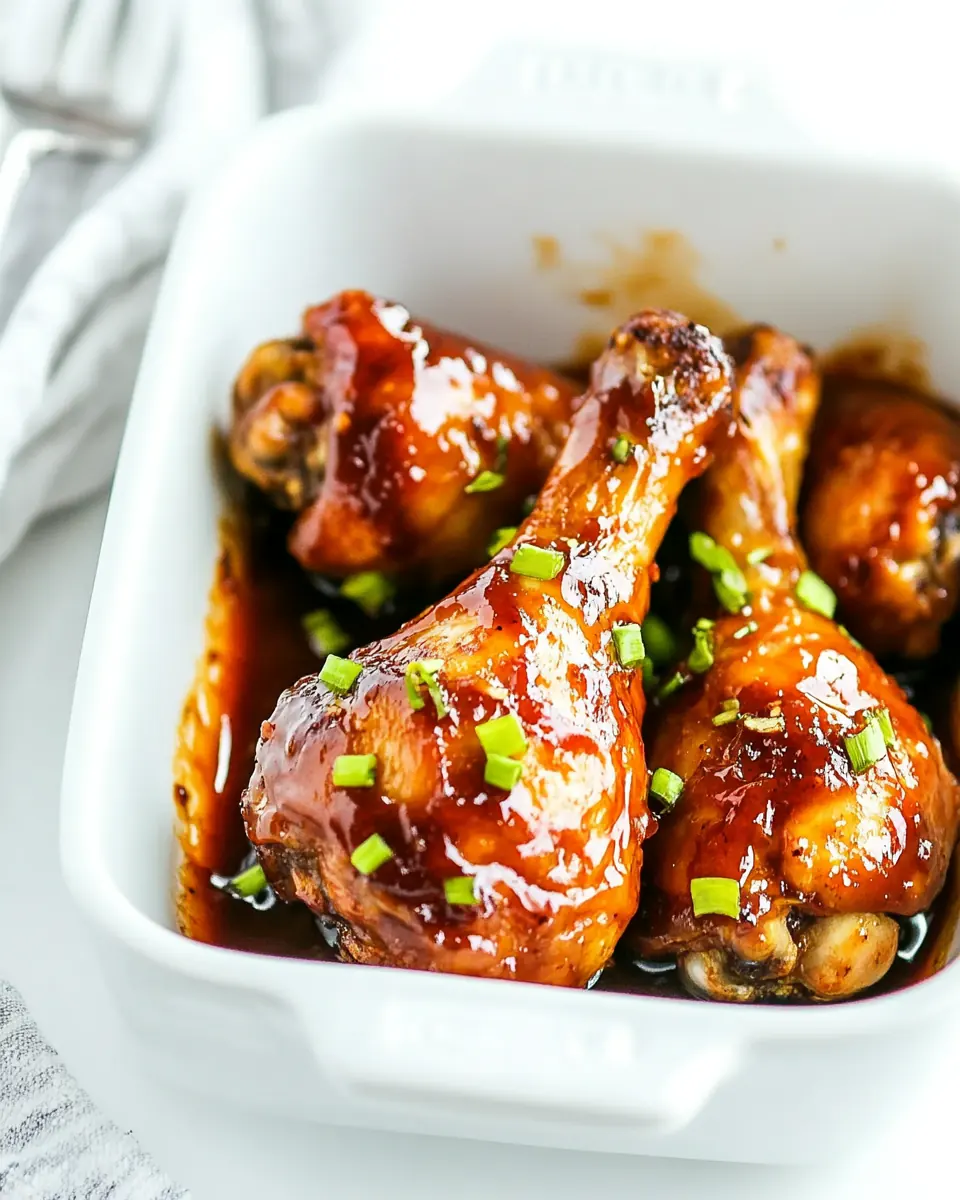
Baste again; turn over, and grill 1 minute: This final glaze pass builds layers, creating a deep, shiny coating that clings to the skin. The added sweetness will darken slightly, producing complex toasted notes. Look for a glossy finish and slightly tacky texture, which means the drumsticks are ready. If the surface becomes blackened instead of golden, the grill was too hot or the sauce was applied too thickly.
Serve with remaining sauce: The leftover sauce provides a contrast between warm, caramelized glaze and bright, chilled condiment if you let it cool. Spoon a little on the side for dipping, which highlights the layered flavors you built while cooking. Be careful when serving straight from the pan if it is still hot; letting it cool slightly preserves its balance and prevents burning mouths.