Preheat your oven to 350℉ and line a baking sheet with parchment paper or a silicone baking mat.: As the oven warms, you will notice a neutral warmth filling the kitchen, and the circulating air ensures even baking across the tray. Proper lining prevents sticking and promotes a gentle, consistent bottom browning. It is important because an unlined pan can cause uneven bottoms that brown too fast; a common mistake is skipping the liner and then finding burnt undersides.
In a large bowl, beat together the melted coconut oil, coconut sugar, and egg white until well mixed. Set aside.: You will feel the mixture go from glossy to slightly thick, and the sugar will begin to incorporate into the oil, creating a smooth, cohesive base. This wet mix is where the sweetness and fat meld, ensuring even distribution later. If the coconut oil is still too warm, the egg white may scramble, so allow the oil to cool slightly before combining.
In a medium bowl, stir together the almond flour, coconut flour, baking soda, salt, ginger, and cinnamon. Stir until everything is very well mixed and there are no little clumps of flour.: As you stir, the aromas of ground ginger and ground cinnamon become pronounced, and the dry mix should look uniformly beige with no clumps. This step ensures even leavening and spice distribution, which prevents pockets of baking soda or spice. A frequent error is failing to break up clumps, leading to uneven taste or texture in finished cookies.
Stir the dry mixture, along with the molasses, into the wet mixture until a slightly sticky dough forms. Place the dough into the refrigerator for 10 minutes, just to allow the coconut flour to absorb some of the moisture.: You should notice the molasses darkening the batter and a soft, sticky dough coming together, with the fragrant spices and nutty flour visible. The molasses helps bind and create chew, while the dry flours give structure. Avoid overmixing, which can make the dough dense; mix just until everything is incorporated.
Once the dough has chilled, roll 1-tablespoon-sized balls in coconut sugar. Place onto the prepared baking sheet and slightly flatten down.: During chilling, the dough firms and the coconut flour swells, so the texture becomes easier to shape. You will feel the dough go from tacky to manageable, which makes rolling simpler. Skipping this step risks sticky balls that spread too thin, so resist the urge to skip the chill.
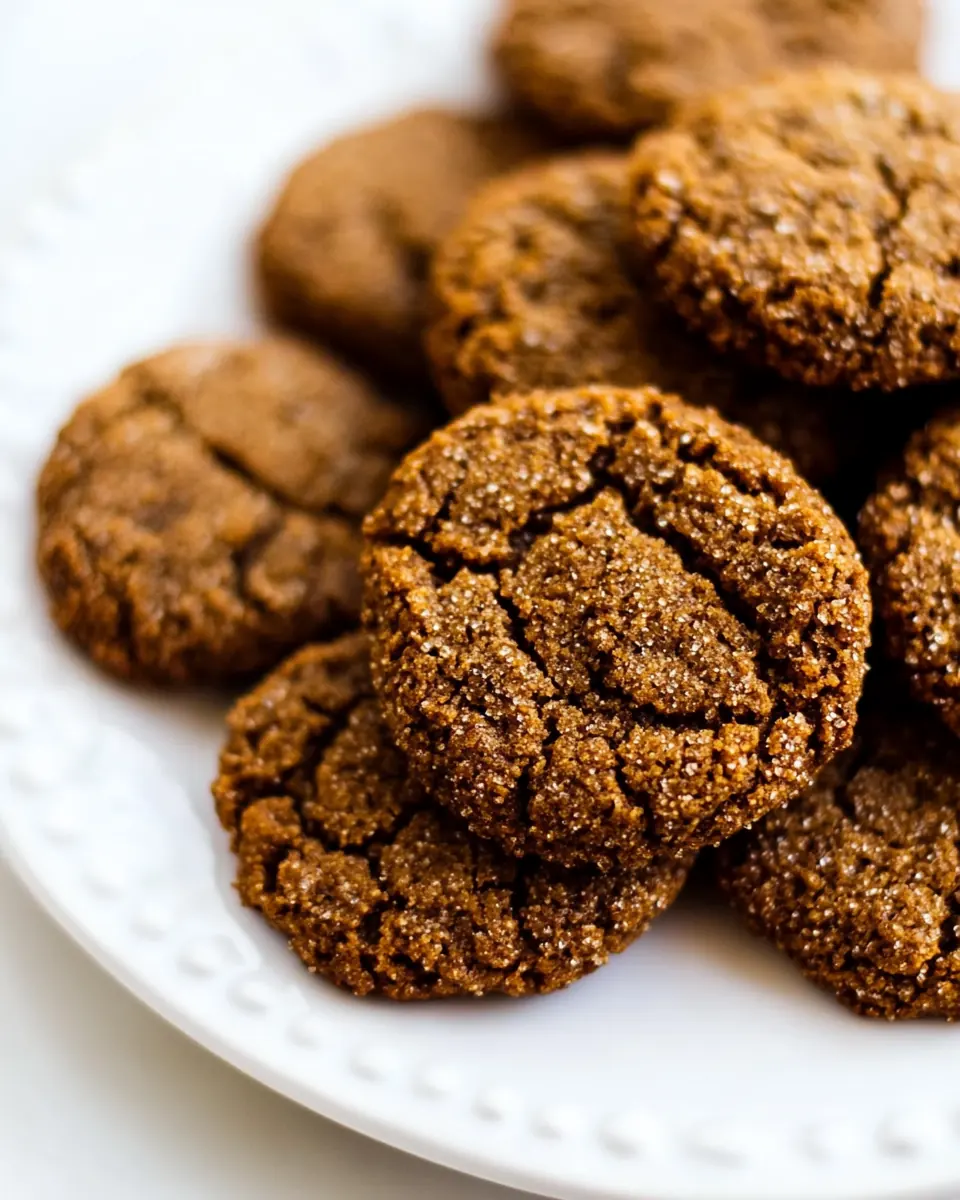
Bake until the edges begin to darken and the top is nice and crackly, about 19-20 mins. I baked my cookies on a light colored baking sheet. I also tested them on a dark baking sheet, and they only took about 10-11 minutes. So watch very closely for those darker edges. The cookies will feel VERY soft, but they will crisp up a lot once cooled.: Rolling releases a slight scent of spices and creates a glossy sugar-coated surface that becomes crisp in the oven. The granulated sugar on the exterior caramelizes and gives a delicate crunch. If balls are inconsistent in size, cookies will bake unevenly, so take care to measure portions evenly.
Let cool completely on the pan and then devour.: As you press each ball, you will see the cookie take shape and the sugar sparkle; flattening helps achieve the classic gingersnap profile and ensures even baking through the center. The slight pressure also encourages early surface drying, which contributes to the crackled tops. Pressing too thin will result in overly crisp cookies with no tender center, so flatten gently.
Bake until the edges begin to darken and the top is nice and crackly, about 19 to 20 mins: In the oven you will smell molasses and spices intensify, and visually you should watch for darker, firm edges and a glossy, crackled top. Because pan color affects bake time, keep an eye on them earlier if you use a dark tray, where they may finish in about 10 to 11 minutes. A common oversight is relying solely on the timer rather than these cues, which can lead to overbaked cookies; trust the look and feel as your guide.
The cookies will feel very soft, but they will crisp up a lot once cooled: Immediately after removing from the oven, the cookies might wobble slightly and feel tender; this is normal, as internal steam will continue to set the crumb while they cool. Leave them undisturbed to firm up, and you will notice a satisfying snap develop. Trying to move them too soon can cause breakage or collapse, so let patience finish the job.
Let cool completely on the pan and then devour: As they cool, the aroma mellows and the texture shifts from tender to crisp edged with a slightly chewy center, which is the final reward of the process. I find that waiting gives the best contrast and highlights the spices and molasses. A mistake people make is stacking warm cookies, which traps steam and ruins the crispness, so cool fully before storing or serving.