Healthy Gingersnaps
Healthy Gingersnaps came into my kitchen on a rainy afternoon when I was craving something warm, spicy, and a little nostalgic. I remember opening a jar of molasses and pausing, thinking how comforting those deep, caramel notes feel against the crisp bite of a cookie. That memory led me to play with lighter flours and coconut sugar so I could enjoy that classic gingersnap snap without feeling heavy afterward.
I baked a first small batch to test textures and temperatures, and the whole house filled with the smell of ground ginger and ground cinnamon. My partner wandered in and declared they were the best cookies in weeks, which convinced me to refine the recipe for texture and timing, and to pay careful attention to cooling so they crisp properly. Over several tweaks I learned how the tiny splash of molasses and a short chill time for the dough turned out perfectly crackled tops with a tender interior.
Recipe Snapshot
30 mins
10 mins
20 mins
Medium
150 kcal
American
Gluten-Free, Low FODMAP
Desserts
Mixing bowls, Baking sheet, Parchment paper or silicone baking mat, Measuring cups and spoons
Why This Healthy Gingersnaps Is a Winner
Fresh spice forward flavor
I love how Healthy Gingersnaps put the spotlight on aromatic spices. The double hit of ground ginger and ground cinnamon creates a warm, layered flavor that keeps unfolding as you chew. I often taste for balance, and here the spices play beautifully against the sweet, deep notes of molasses, so every bite feels balanced and interesting.
Better ingredients, familiar comfort
Using almond flour and coconut flour makes these cookies feel lighter, while keeping the crumb tender. I like that they deliver the same comforting texture as traditional gingersnaps without relying on refined wheat. The coconut sugar keeps the cookies slightly caramelized but not overpowering, which I find important when I want a treat that does not dominate the palate.
Texture you can rely on
These cookies are intentionally soft right out of the oven, then crisp up as they cool, which is my favorite cookie magic. I learned that a short chill helps the coconut flour absorb liquid evenly, preventing gummy centers. The result is a perfectly crackled top and a firm edge, a contrast I find very satisfying.
Quick and forgiving process
I appreciate recipes that respect busy lives. The steps for Healthy Gingersnaps are straightforward, with a brief chill and a short bake window. This recipe is forgiving to small timing differences, and you can watch for visual cues like darkening edges rather than rely on an exact timer, which makes it approachable for weeknight baking.
Versatile for sharing
I often bring these to gatherings because they travel well and keep their texture. The flavor profile fits autumn and holiday tables, yet they are subtle enough for an afternoon coffee break. I love that they are easy to scale up when I want to make a larger batch for friends.
Ingredient List for Healthy Gingersnaps
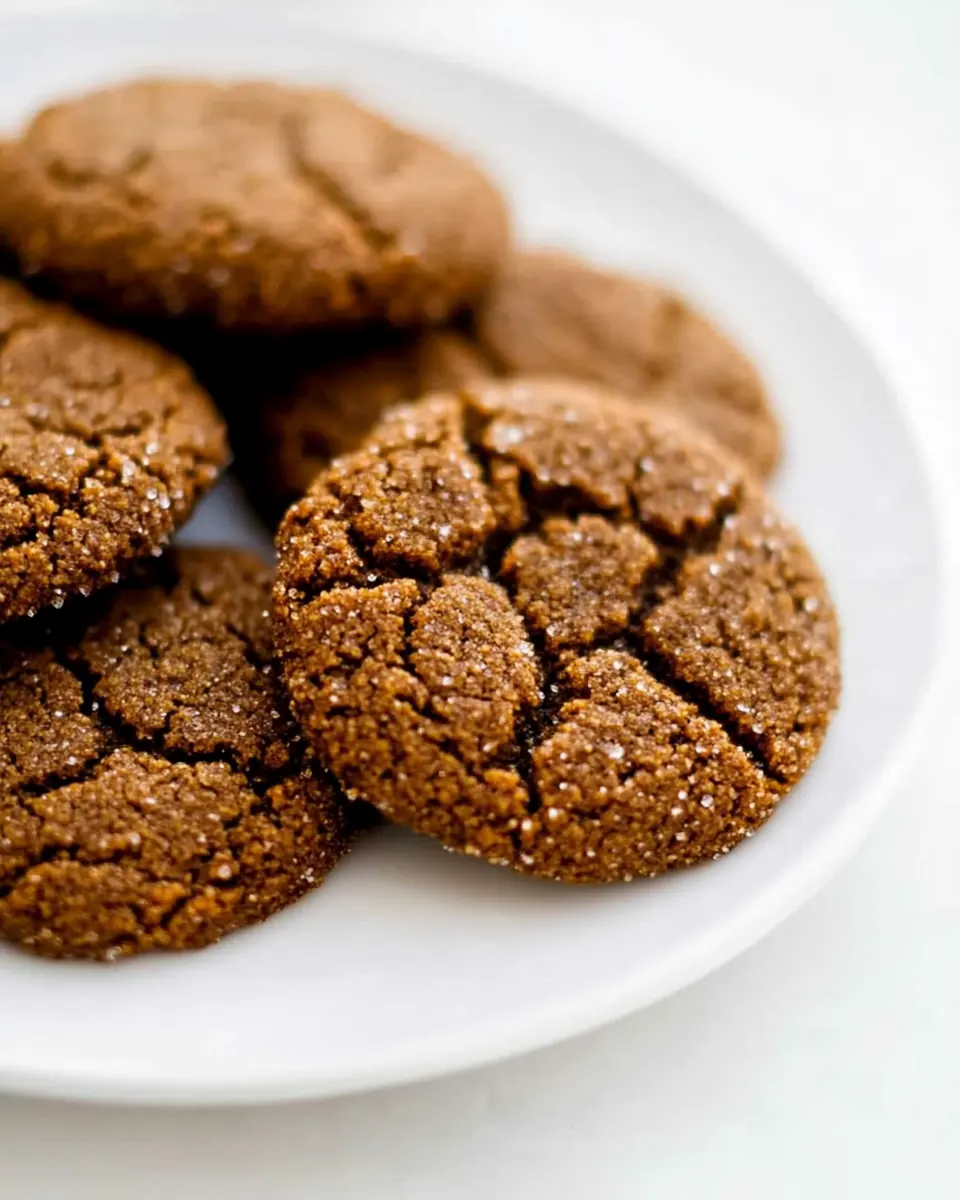
These ingredients were chosen to create a balance of spice, chew, and crispness while keeping things lighter than a classic cookie. The core players, like almond flour and coconut flour, provide structure and tenderness, while molasses and coconut sugar supply that deep, cozy sweetness. The leavening and salt are subtle but essential, helping the cookies spread and develop those signature crackled tops.
- 1/4 cup coconut oil melted: Melted and used to bind and add moisture while contributing a subtle coconut flavor and tender texture to the cookies; helps create crisp edges when chilled and baked properly.
- 1 cup coconut sugar lightly packed, plus more for rolling: Lightly packed to provide natural sweetness and a deep, caramel-like flavor while keeping the cookies refined-sugar-free; also helps with slight chewiness and color development during baking.
- 1 egg white: Whisked until frothy to add lift and structure while keeping fat content lower than whole eggs; creates a light, airy crumb and helps with binding dry ingredients together.
- 1 1/2 cups plus 1 tablespoon almond flour (5.4 ounces): Measured precisely to add bulk, structure, and a mildly nutty flavor while keeping the recipe gluten-free; contributes tender crumb and absorbs some moisture from liquids and fats.
- 1/4 cup plus 1 teaspoon coconut flour (1.2 ounces): Used to increase absorbency and provide a subtle coconut flavor while maintaining gluten-free texture; helps firm the dough and intensify chewiness without adding gluten.
- 1 3/4 teaspoons baking soda: Leavening agent that reacts with acidic components to produce carbon dioxide, promoting rise and lightness; carefully measured to avoid soapy or metallic aftertastes in the cookies.
- 1/2 teaspoons salt: Enhances overall flavor balance by moderating sweetness and heightening spices while supporting gluten-free dough structure; also important for seasoning and preserving natural tastes.
- 2 teaspoons ground ginger: Provides warm, pungent heat and classic gingersnap character while complementing molasses and cinnamon; intensifies aromatic profile and contributes to perceived warmth.
- 2 teaspoons ground cinnamon: Adds sweet, woody warmth and depth, enhancing spice synergy and rounding out the cookie's flavor profile; supports a balanced, bakery-style spice blend.
- 2 tablespoons plus 2 teaspoons molasses: Adds deep, robust sweetness and characteristic gingerbread flavor while supplying moisture and chew; works with spices and sugar to create traditional gingersnap taste and color.
How to Make Healthy Gingersnaps
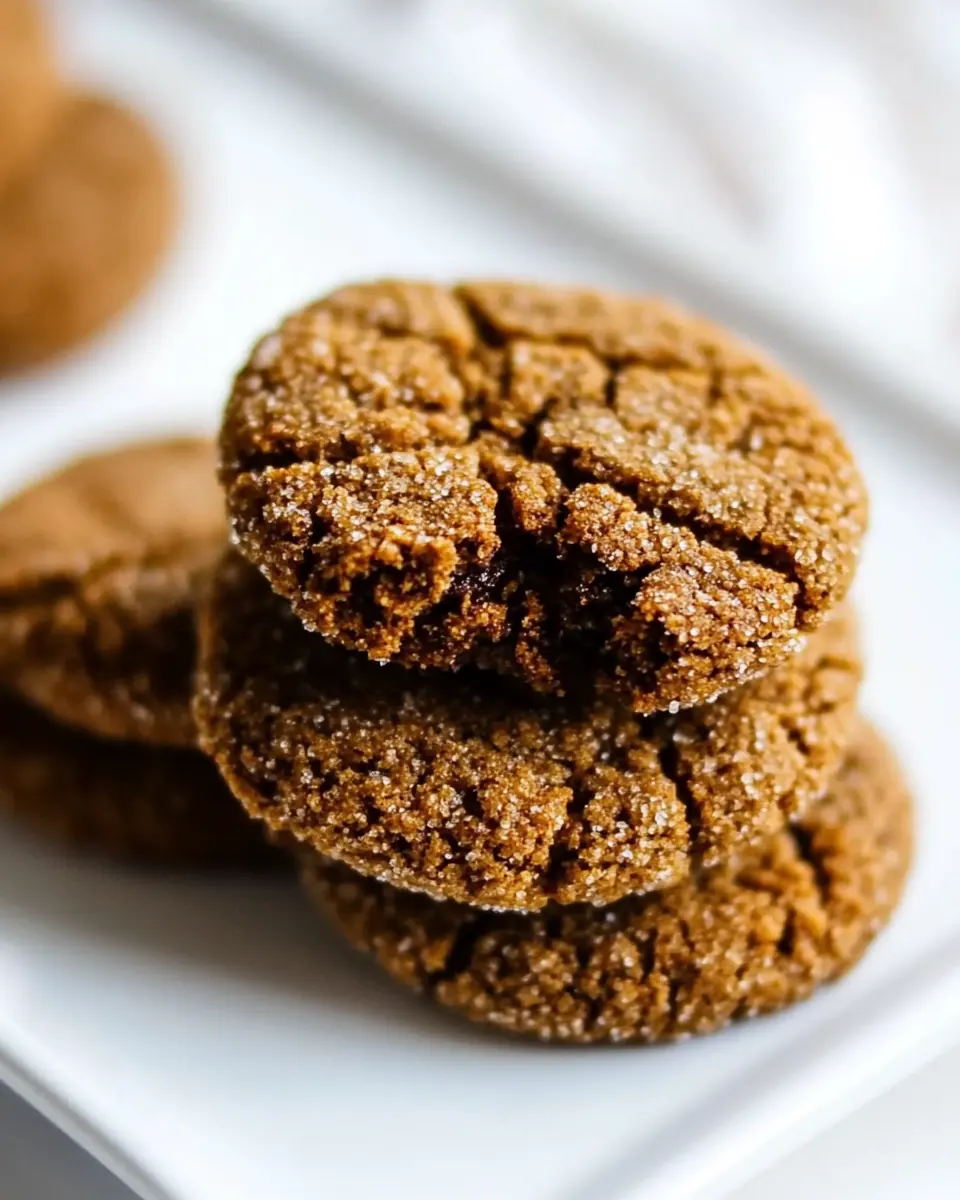
These instructions walk you through each tactile moment, from mixing to cooling. I like to stay present while baking, paying attention to the aromas and visual cues so the final texture is just right. Keep a watchful eye in the oven, because the difference between soft and perfect crispness is small but important.
- Preheat your oven to 350℉ and line a baking sheet with parchment paper or a silicone baking mat.: As the oven warms, you will notice a neutral warmth filling the kitchen, and the circulating air ensures even baking across the tray. Proper lining prevents sticking and promotes a gentle, consistent bottom browning. It is important because an unlined pan can cause uneven bottoms that brown too fast; a common mistake is skipping the liner and then finding burnt undersides.
- In a large bowl, beat together the melted coconut oil, coconut sugar, and egg white until well mixed. Set aside.: You will feel the mixture go from glossy to slightly thick, and the sugar will begin to incorporate into the oil, creating a smooth, cohesive base. This wet mix is where the sweetness and fat meld, ensuring even distribution later. If the coconut oil is still too warm, the egg white may scramble, so allow the oil to cool slightly before combining.
- In a medium bowl, stir together the almond flour, coconut flour, baking soda, salt, ginger, and cinnamon. Stir until everything is very well mixed and there are no little clumps of flour.: As you stir, the aromas of ground ginger and ground cinnamon become pronounced, and the dry mix should look uniformly beige with no clumps. This step ensures even leavening and spice distribution, which prevents pockets of baking soda or spice. A frequent error is failing to break up clumps, leading to uneven taste or texture in finished cookies.
- Stir the dry mixture, along with the molasses, into the wet mixture until a slightly sticky dough forms. Place the dough into the refrigerator for 10 minutes, just to allow the coconut flour to absorb some of the moisture.: You should notice the molasses darkening the batter and a soft, sticky dough coming together, with the fragrant spices and nutty flour visible. The molasses helps bind and create chew, while the dry flours give structure. Avoid overmixing, which can make the dough dense; mix just until everything is incorporated.
- Once the dough has chilled, roll 1-tablespoon-sized balls in coconut sugar. Place onto the prepared baking sheet and slightly flatten down.: During chilling, the dough firms and the coconut flour swells, so the texture becomes easier to shape. You will feel the dough go from tacky to manageable, which makes rolling simpler. Skipping this step risks sticky balls that spread too thin, so resist the urge to skip the chill.
- Bake until the edges begin to darken and the top is nice and crackly, about 19-20 mins. I baked my cookies on a light colored baking sheet. I also tested them on a dark baking sheet, and they only took about 10-11 minutes. So watch very closely for those darker edges. The cookies will feel VERY soft, but they will crisp up a lot once cooled.: Rolling releases a slight scent of spices and creates a glossy sugar-coated surface that becomes crisp in the oven. The granulated sugar on the exterior caramelizes and gives a delicate crunch. If balls are inconsistent in size, cookies will bake unevenly, so take care to measure portions evenly.
- Let cool completely on the pan and then devour.: As you press each ball, you will see the cookie take shape and the sugar sparkle; flattening helps achieve the classic gingersnap profile and ensures even baking through the center. The slight pressure also encourages early surface drying, which contributes to the crackled tops. Pressing too thin will result in overly crisp cookies with no tender center, so flatten gently.
- Bake until the edges begin to darken and the top is nice and crackly, about 19 to 20 mins: In the oven you will smell molasses and spices intensify, and visually you should watch for darker, firm edges and a glossy, crackled top. Because pan color affects bake time, keep an eye on them earlier if you use a dark tray, where they may finish in about 10 to 11 minutes. A common oversight is relying solely on the timer rather than these cues, which can lead to overbaked cookies; trust the look and feel as your guide.
- The cookies will feel very soft, but they will crisp up a lot once cooled: Immediately after removing from the oven, the cookies might wobble slightly and feel tender; this is normal, as internal steam will continue to set the crumb while they cool. Leave them undisturbed to firm up, and you will notice a satisfying snap develop. Trying to move them too soon can cause breakage or collapse, so let patience finish the job.
- Let cool completely on the pan and then devour: As they cool, the aroma mellows and the texture shifts from tender to crisp edged with a slightly chewy center, which is the final reward of the process. I find that waiting gives the best contrast and highlights the spices and molasses. A mistake people make is stacking warm cookies, which traps steam and ruins the crispness, so cool fully before storing or serving.
Ways to Adapt This Recipe
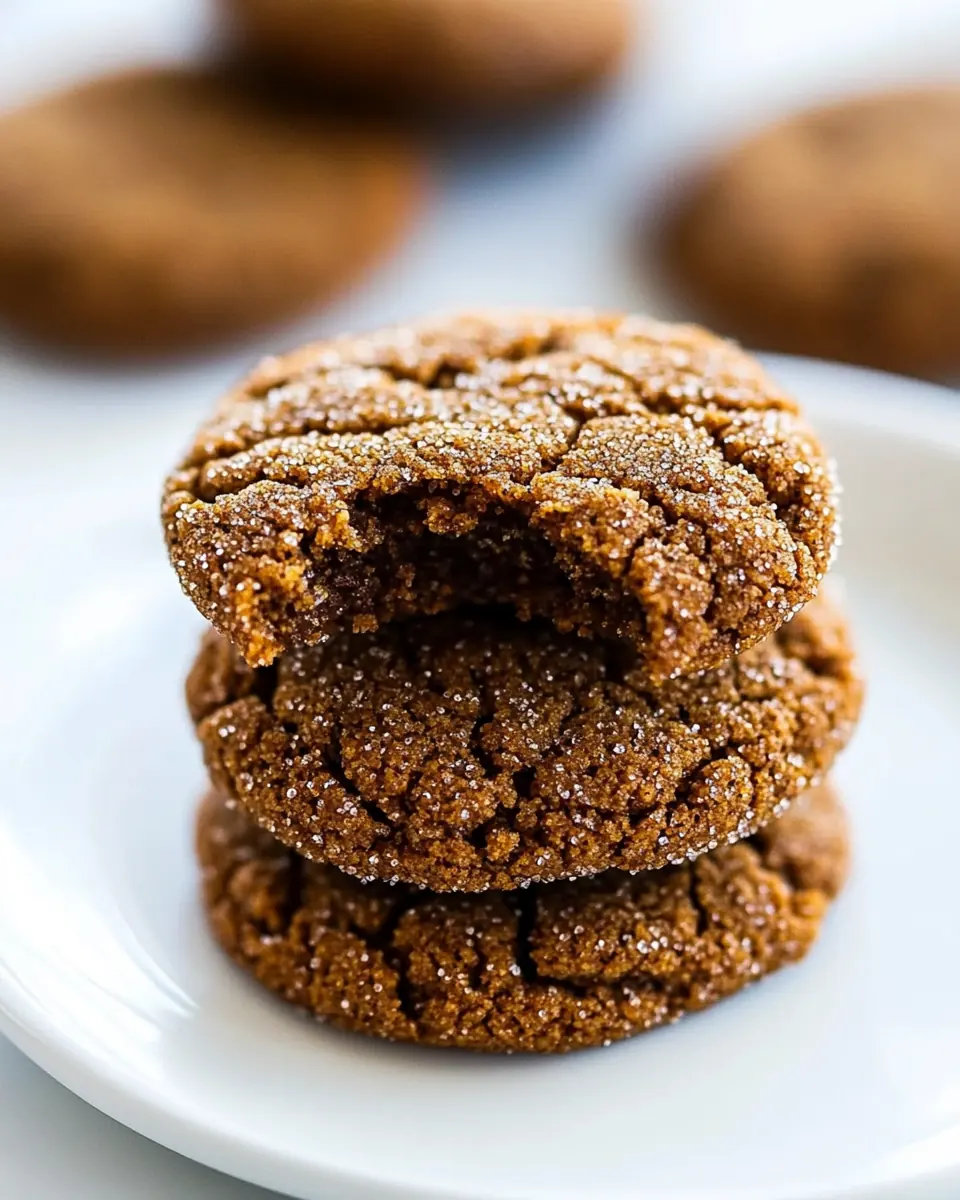
These adaptations help you personalize Healthy Gingersnaps while keeping the core texture and spice profile intact. Below are practical ideas you can apply when you want a slightly different mouthfeel, sweetness level, or presentation. Each tip starts with a short highlighted phrase for quick scanning.
- Swap sugar style: Try slightly less coconut sugar if you prefer a milder sweetness, but keep the rolling sugar for that classic crackle.
- Adjust spice intensity: Increase ground ginger by up to one teaspoon for a bolder ginger punch, tasting the dough as you go so it suits your preference.
- Texture tweak: For chewier centers, reduce bake time by a minute or two but let cookies cool fully on the pan to set.
- Make smaller cookies: Use a teaspoon scoop for bite sized snaps, and reduce baking time accordingly, watching for darkening edges.
- Batch prep: Freeze rolled, sugared dough balls on a tray, then transfer to a bag for oven ready cookies that save prep time later.
Serving Ideas for Healthy Gingersnaps
These serving ideas will help you present Healthy Gingersnaps for different occasions, from casual tea times to holiday gatherings. Below are practical pairings and storage notes to keep the cookies tasting their best.
- Casual tea pairing: Serve with a hot cup of tea, letting guests dunk gently to enjoy softened interiors while maintaining crisp edges.
- Coffee break: Arrange on a small platter alongside black coffee or a lightly spiced latte for afternoon pick me ups.
- Holiday cookie tray: Mix with other small cookies on a festive board, using sprigs of greenery for color and labels for variety.
- Lunchbox treat: Pack one or two cookies in a small container to keep them from breaking, they travel well for midday snacks.
- Storage tips: Keep at room temperature in an airtight container layered with parchment to protect crispness, or freeze for up to two months.
- Occasion suggestions: Great for autumn gatherings, cookie exchanges, or as a light dessert after a cozy dinner.
FAQ
Conclusion
These Healthy Gingersnaps are special because they capture the nostalgic, spicy snap of a classic cookie while using lighter flours and thoughtful ingredients for a more delicate bite. I encourage you to give them a try, because the combination of warm spices, deep molasses, and that final crisp edge is deeply satisfying without being heavy. Baking these is a simple pleasure, offering a gentle balance of texture and flavor that makes them perfect for sharing or savoring slowly with a warm drink.
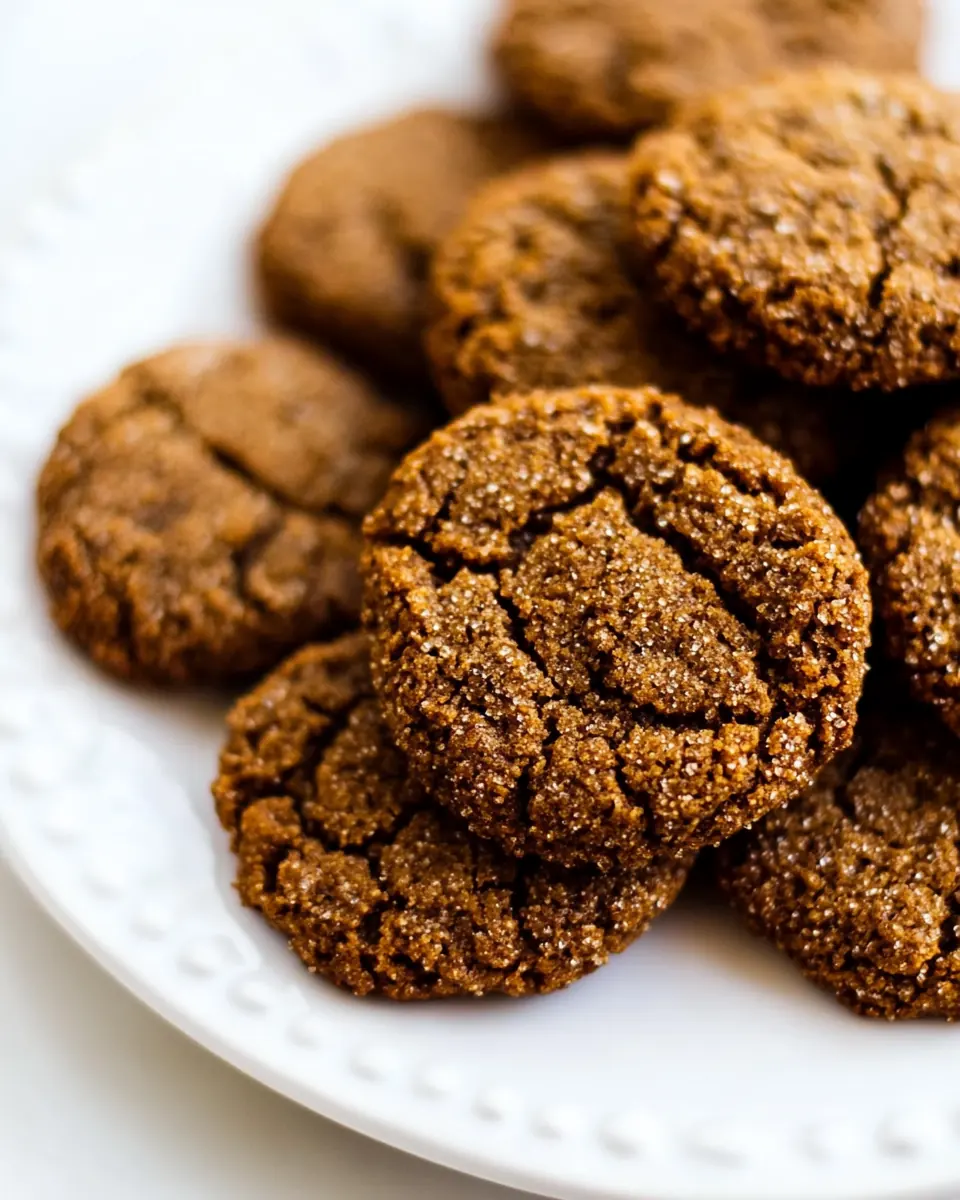
Healthy Gingersnaps
Ingredients
Equipment
Method
- Preheat your oven to 350℉ and line a baking sheet with parchment paper or a silicone baking mat.: As the oven warms, you will notice a neutral warmth filling the kitchen, and the circulating air ensures even baking across the tray. Proper lining prevents sticking and promotes a gentle, consistent bottom browning. It is important because an unlined pan can cause uneven bottoms that brown too fast; a common mistake is skipping the liner and then finding burnt undersides.
- In a large bowl, beat together the melted coconut oil, coconut sugar, and egg white until well mixed. Set aside.: You will feel the mixture go from glossy to slightly thick, and the sugar will begin to incorporate into the oil, creating a smooth, cohesive base. This wet mix is where the sweetness and fat meld, ensuring even distribution later. If the coconut oil is still too warm, the egg white may scramble, so allow the oil to cool slightly before combining.
- In a medium bowl, stir together the almond flour, coconut flour, baking soda, salt, ginger, and cinnamon. Stir until everything is very well mixed and there are no little clumps of flour.: As you stir, the aromas of ground ginger and ground cinnamon become pronounced, and the dry mix should look uniformly beige with no clumps. This step ensures even leavening and spice distribution, which prevents pockets of baking soda or spice. A frequent error is failing to break up clumps, leading to uneven taste or texture in finished cookies.
- Stir the dry mixture, along with the molasses, into the wet mixture until a slightly sticky dough forms. Place the dough into the refrigerator for 10 minutes, just to allow the coconut flour to absorb some of the moisture.: You should notice the molasses darkening the batter and a soft, sticky dough coming together, with the fragrant spices and nutty flour visible. The molasses helps bind and create chew, while the dry flours give structure. Avoid overmixing, which can make the dough dense; mix just until everything is incorporated.
- Once the dough has chilled, roll 1-tablespoon-sized balls in coconut sugar. Place onto the prepared baking sheet and slightly flatten down.: During chilling, the dough firms and the coconut flour swells, so the texture becomes easier to shape. You will feel the dough go from tacky to manageable, which makes rolling simpler. Skipping this step risks sticky balls that spread too thin, so resist the urge to skip the chill.
- Bake until the edges begin to darken and the top is nice and crackly, about 19-20 mins. I baked my cookies on a light colored baking sheet. I also tested them on a dark baking sheet, and they only took about 10-11 minutes. So watch very closely for those darker edges. The cookies will feel VERY soft, but they will crisp up a lot once cooled.: Rolling releases a slight scent of spices and creates a glossy sugar-coated surface that becomes crisp in the oven. The granulated sugar on the exterior caramelizes and gives a delicate crunch. If balls are inconsistent in size, cookies will bake unevenly, so take care to measure portions evenly.
- Let cool completely on the pan and then devour.: As you press each ball, you will see the cookie take shape and the sugar sparkle; flattening helps achieve the classic gingersnap profile and ensures even baking through the center. The slight pressure also encourages early surface drying, which contributes to the crackled tops. Pressing too thin will result in overly crisp cookies with no tender center, so flatten gently.
- Bake until the edges begin to darken and the top is nice and crackly, about 19 to 20 mins: In the oven you will smell molasses and spices intensify, and visually you should watch for darker, firm edges and a glossy, crackled top. Because pan color affects bake time, keep an eye on them earlier if you use a dark tray, where they may finish in about 10 to 11 minutes. A common oversight is relying solely on the timer rather than these cues, which can lead to overbaked cookies; trust the look and feel as your guide.
- The cookies will feel very soft, but they will crisp up a lot once cooled: Immediately after removing from the oven, the cookies might wobble slightly and feel tender; this is normal, as internal steam will continue to set the crumb while they cool. Leave them undisturbed to firm up, and you will notice a satisfying snap develop. Trying to move them too soon can cause breakage or collapse, so let patience finish the job.
- Let cool completely on the pan and then devour: As they cool, the aroma mellows and the texture shifts from tender to crisp edged with a slightly chewy center, which is the final reward of the process. I find that waiting gives the best contrast and highlights the spices and molasses. A mistake people make is stacking warm cookies, which traps steam and ruins the crispness, so cool fully before storing or serving.
Notes
- Swap sugar style: Try slightly less coconut sugar if you prefer a milder sweetness, but keep the rolling sugar for that classic crackle.
- Adjust spice intensity: Increase ground ginger by up to one teaspoon for a bolder ginger punch, tasting the dough as you go so it suits your preference.
- Texture tweak: For chewier centers, reduce bake time by a minute or two but let cookies cool fully on the pan to set.
- Make smaller cookies: Use a teaspoon scoop for bite sized snaps, and reduce baking time accordingly, watching for darkening edges.
- Batch prep: Freeze rolled, sugared dough balls on a tray, then transfer to a bag for oven ready cookies that save prep time later.